

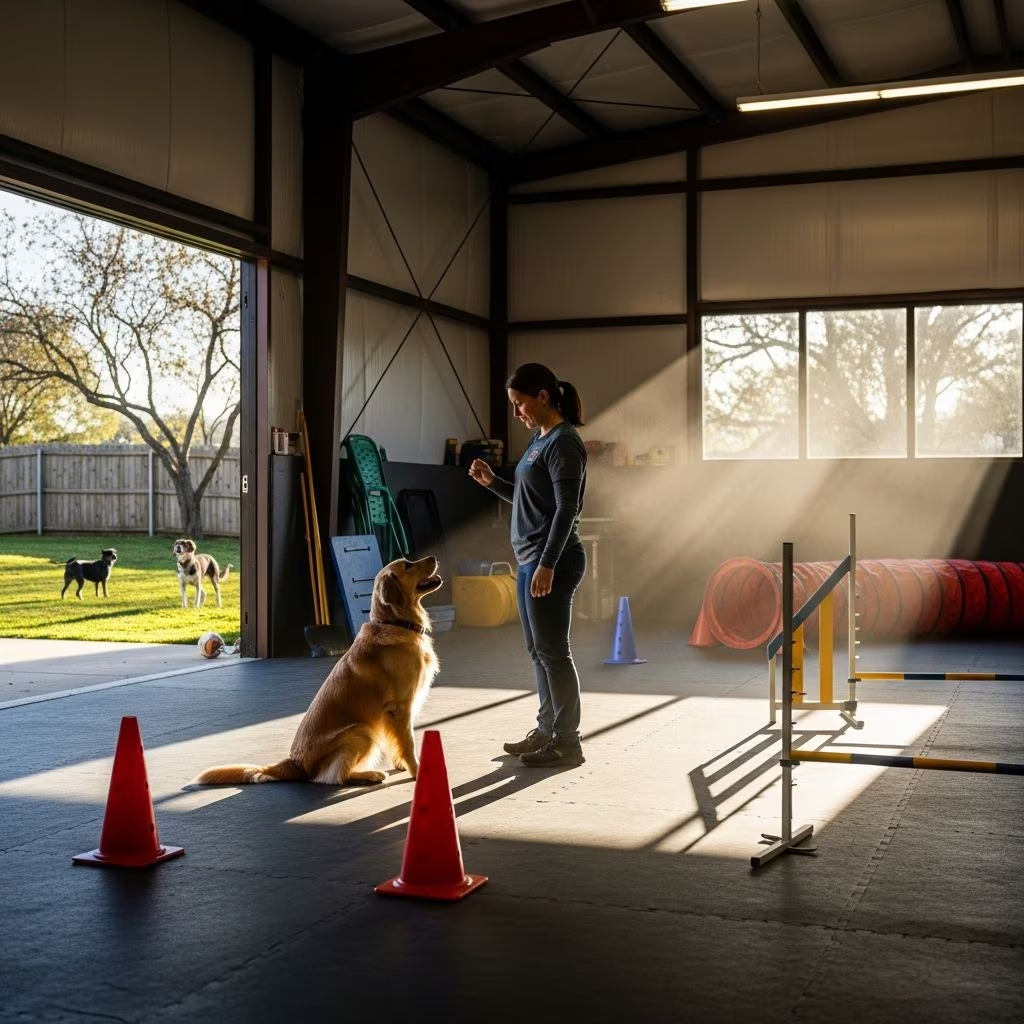
The success of any dog training program depends substantially on the physical environment where instruction occurs. Whether you’re establishing a new training facility, evaluating existing locations, or searching for the best space to work with your canine clients, understanding the critical elements of a functional training environment is essential. The right space can dramatically enhance learning outcomes, reduce handler stress, and create a positive experience for both dogs and their owners.
Understanding Your Training Program Needs
Before evaluating specific locations or facilities, you must first clarify what type of training you intend to offer. Different training methodologies require different spatial configurations and resources. Private one-on-one sessions demand intimate spaces where a trainer and dog can focus without external interruptions. Group classes require larger open areas that can accommodate multiple animals while maintaining safety and preventing excessive distraction. Board-and-train programs need dedicated kennel space, exercise areas, and separate training zones.
The volume of training activity you anticipate directly influences space requirements. A facility hosting occasional weekend classes operates differently from one providing daily instruction with multiple concurrent sessions. Once you’ve identified your training model, calculate the specific square footage needed for each activity type. For puppy socialization classes, compact private spaces prove effective, allowing young dogs to develop confidence without overwhelming stimuli. For advanced obedience or agility training, you’ll need substantially more room for dogs to move, navigate obstacles, and respond to directional commands.
Space Requirements and Layout Fundamentals
Industry standards provide useful guidelines for calculating adequate facility dimensions. For daycare operations, a general rule of thumb allocates approximately 75 square feet per dog. However, dedicated group training environments typically require double or more of this allocation, as training activities demand more active movement than supervised play. The American Kennel Club recommends that facilities maintain at least 13.79 square feet of floor space per dog in kenneled areas, with additional space in exercise zones. These calculations ensure dogs have sufficient room to move naturally without colliding with obstacles or other animals.
Layout design significantly impacts operational efficiency and training effectiveness. The facility entrance should lead clients through a calm, quiet area that sets a positive tone for the training session. Avoid routing new arrivals through lodging areas with reactive or noisy dogs, as first impressions and initial stress levels substantially affect a dog’s ability to focus. As dogs and handlers develop greater confidence and skill, gradually introduce training sessions in areas with more distractions and stimuli. This progressive approach builds resilience while maintaining initial engagement during foundational learning phases.
Separating different training zones through visual and acoustic barriers proves valuable. Pony walls, solid enclosure fronts, and even strategically placed curtains reduce visual reactivity and prevent dogs from becoming distracted or stressed by activities occurring in adjacent spaces. Full isolation areas that completely block both visual and auditory distractions benefit reactive dogs or those requiring intensive focus. Building in separate pods or sections within a larger facility allows trainers to customize the learning environment based on individual dog temperament and training objectives.
Environmental Control and Stress Reduction
Creating a training environment that minimizes stress supports better learning outcomes and behavioral progress. Dogs learn most effectively when they can concentrate on their handler and trainer without being overwhelmed by sensory stimuli. Controlling facility smells, reducing unnecessary noise, managing lighting, and strategically planning transitions between different areas all contribute to a calm, focused atmosphere.
Temperature regulation deserves particular attention, as extreme conditions affect both dog comfort and cognitive function. Your facility must maintain healthful, comfortable temperatures year-round, with particular consideration for regional climate variations. Adequate ventilation prevents odor accumulation and maintains air quality, both of which influence stress levels. Fresh water stations positioned throughout the facility ensure dogs remain hydrated during training sessions, particularly during physical activities that increase exertion.
Noise management directly impacts stress levels and learning capacity. Reactive dogs—or frankly, any dog—prove less likely to bark and distract themselves if they cannot see the stimuli triggering reactivity. Sound-dampening materials, strategic pod placement, and controlled introduction of ambient noise help dogs develop resilience without becoming overwhelmed. Lighting should be adequate for visibility during training activities while avoiding harsh, flickering, or overly bright conditions that may stress sensitive animals.
Safety Considerations and Facility Design
A safe training space protects dogs from injury while providing handlers with confidence in the environment’s security. Fencing must be sturdy, well-maintained, and of substantial strength and height appropriate for the breeds using the facility. Enclosure heights should account for breed-specific considerations, with taller fences required for athletic breeds capable of jumping high. Long-tailed breeds need wider interior spaces to prevent accidental tail injuries against enclosure walls.
Flooring selection significantly impacts safety and comfort. Non-slip surfaces reduce injury risk during directional changes and sudden movements, particularly important for agility training or work with senior dogs whose balance may be compromised. Floors should be easy to clean and disinfect, supporting hygiene protocols that prevent disease transmission. Exercise areas must provide adequate shelter from weather elements—wind, rain, snow, and direct sunlight—ensuring dogs can train comfortably regardless of atmospheric conditions.
Eliminate hazards within reach of dogs during training sessions. Sharp objects, toxic substances, small items that could be swallowed, and unsecured equipment create unnecessary risks. Establish emergency protocols for handling dogs displaying aggressive behavior or experiencing medical issues. Staff should be trained in first aid and understand safe restraint techniques that prevent injury during crisis situations.
Cleanliness and Hygiene Standards
A clean facility reflects professionalism while supporting canine health. The training space should be free of dirt accumulation, fecal matter, and parasite infestation. Regular cleaning protocols prevent disease transmission and maintain an environment conducive to learning. Designated outdoor elimination areas separate from training zones reduce contamination and disease risk while establishing consistent bathroom routines for resident dogs.
Proper ventilation and odor control extend beyond comfort—they directly impact respiratory health and stress levels. Fresh air circulation, waste management systems, and regular facility maintenance demonstrate respect for both canine and human clients. Bathrooms and grooming areas should be available for human guests, reflecting the facility’s commitment to creating a welcoming environment for handlers and family members attending training sessions.
Evaluating Trainer Qualifications and Experience
The physical facility matters, but the people conducting training ultimately determine program success. Look for trainers holding certifications from recognized dog training and behavior organizations. These credentials demonstrate commitment to evidence-based methods and ongoing professional development. Experience handling various dog breeds, temperaments, and behavioral challenges indicates the trainer’s ability to adapt methods to individual needs.
Observing training sessions at the facility provides valuable insights into staff interaction with dogs and the actual training environment quality. Watch how trainers respond to dog stress signals, redirect behavior, and communicate with handlers. The presence of small class sizes ensures each dog receives adequate individual attention, creating more personalized and effective training experiences compared to overcrowded group settings.
Class Structure and Size Considerations
Group class size dramatically influences learning outcomes and handler satisfaction. Smaller classes allow trainers to provide personalized feedback, address individual concerns, and modify instruction based on specific dog and handler needs. Larger groups create logistical challenges in monitoring all participants, providing corrective guidance, and maintaining focus among dogs.
Different training levels and dog ages require different class structures. Puppy classes typically benefit from small, private sessions that minimize fear and sensory overwhelm during critical developmental periods. Advanced obedience or sport-specific training classes can accommodate moderate group sizes, as participating dogs already possess foundational skills and handlers understand training protocols. Intermediate groups allow socialization opportunities while maintaining manageable trainer-to-dog ratios.
Accessibility and Client Amenities
A quality training facility serves all clients, including those with mobility limitations or sensory sensitivities. Ramps for wheelchair access, accessible parking areas, and restroom facilities accommodate diverse handler needs. Creating a sensory-friendly environment with controlled lighting and manageable noise levels benefits handlers with auditory or visual sensitivities.
Beyond disability access, thoughtful amenities enhance the overall experience. Designated waiting areas protect arriving clients from unexpected dog encounters. Water stations for humans, seating areas where handlers can observe training, and clear signage help people navigate the facility comfortably. Personalizing the space—displaying photos of canine clients, maintaining a welcome board with dogs’ names, and creating a pleasant aesthetic—transforms a functional space into a welcoming environment.
Progressive Distraction Management
Well-designed facilities facilitate progressive distraction introduction as dogs advance in training. Beginning in quiet, controlled environments allows dogs to focus on fundamental skills without cognitive overload. As dogs demonstrate mastery and handler confidence increases, gradually incorporate more distractions by conducting sessions in areas with increased activity, other dogs, and environmental stimuli.
This deliberate progression builds resilience while maintaining learning momentum. Controlled distractions serve training objectives rather than creating unnecessary interference. Strategic placement of sessions throughout the facility—from calm zones to busier areas—provides natural progression opportunities that support generalization of learned behaviors across diverse contexts.
Compliance and Regulatory Requirements
Facilities must comply with local zoning regulations, health codes, and animal welfare standards. Contact your local animal control, zoning board, and health department to understand specific requirements for dog training operations in your area. Some municipalities impose noise ordinances affecting training activities, particularly for facilities near residential neighborhoods. Understanding regulatory requirements prevents costly compliance issues after facility establishment.
The Animal Welfare Act establishes minimum space requirements and operational standards for facilities housing dogs. Even privately operated training spaces should meet or exceed these baseline standards to ensure canine health and welfare. Regular inspections and documentation of compliance demonstrate commitment to ethical operations.
Location and Accessibility Factors
Beyond the facility interior, location selection influences client recruitment and retention. Facilities serving dog park functions or group training benefit from adequate parking accommodating 20-30 vehicles during peak hours. Accessible locations near residential areas attract more clients compared to isolated or difficult-to-reach properties. A 5-7 mile service radius represents a reasonable driving distance for most potential clients.
Consider neighborhood characteristics when evaluating locations. Proximity to veterinary clinics, pet supply stores, and other canine-friendly businesses creates a supportive ecosystem. Conversely, locate facilities away from high-traffic roads or loud commercial areas that might stress dogs during sessions.
Creating Your Evaluation Checklist
When visiting potential training spaces, use a comprehensive assessment tool to ensure consistent evaluation:
- Physical Layout: Assess whether the space accommodates your training program type and anticipated client volume without feeling cramped or excessively large.
- Flooring and Surfaces: Evaluate floor conditions for safety, non-slip properties, and ease of cleaning.
- Enclosures and Fencing: Examine fence height, condition, and security; verify coverage of escape routes including tops and bottoms where necessary.
- Environmental Controls: Note temperature regulation capability, ventilation quality, lighting adequacy, and noise management features.
- Cleanliness: Observe overall hygiene standards, odor levels, and waste management systems.
- Staff Interaction: Watch how employees interact with dogs and handle clients; assess their knowledge and professionalism.
- Amenities: Verify availability of restrooms, water stations, waiting areas, and parking.
- Accessibility: Confirm wheelchair access, accessible parking, and consideration for people with special needs.
- Emergency Protocols: Ask about procedures for handling medical emergencies, aggressive behavior, and weather-related issues.
- Regulatory Compliance: Request documentation of licensing, inspections, and compliance with local regulations.
Frequently Asked Questions
What is the minimum space requirement for a dog training facility? Space needs depend on program type. Group training environments typically require double the space of daycare operations, which allocate 75 square feet per dog. Federal standards require at least 13.79 square feet per dog in kenneled areas, with additional exercise space required.
How can I reduce stress in a training environment? Control smells through proper ventilation, reduce noise with sound barriers, use visual blockers to limit distractions, build separate training pods, and plan transition spaces that gradually introduce more stimuli as dogs develop confidence.
Why is facility cleanliness important for dog training? Clean facilities prevent disease transmission, reduce stress through odor control, demonstrate professionalism, and create an environment where dogs can concentrate on learning rather than reacting to unpleasant sensory stimuli.
How should I evaluate trainer qualifications? Look for recognized certifications in dog training and behavior, ask about experience with various breeds and temperaments, and observe actual training sessions to assess staff interaction and program quality.
What accessibility features should a training facility include? Essential features include wheelchair ramps, accessible parking areas, restroom facilities, controlled lighting and noise for sensory sensitivities, and clear signage throughout the facility.
Conclusion
Selecting an appropriate training space requires evaluating multiple factors beyond basic facility size. The ideal training environment balances safety, comfort, stress reduction, and progressive challenge—creating conditions where dogs and handlers can focus on learning and skill development. By systematically assessing physical layout, environmental controls, cleanliness, staff qualifications, and amenities, you’ll identify spaces that support training success and client satisfaction. Whether establishing a new facility or evaluating existing options, this comprehensive approach ensures your training program operates in an environment optimized for canine learning and positive behavioral change.
References
- What to Look For in a Dog Training Facility — Dream Dogs. https://www.dreamdogs.com/what-to-look-for-in-a-dog-training-facility
- Facility Design With Training in Mind — Digital Pet Boarding and Daycare, November-December 2023. https://digital.petboardinganddaycare.com/issue/november-december-2023/facility-design-with-training-in-mind/
- Dog Park Site Selection: The 15 Critical Factors That Determine Success or Failure — Wag Bar. https://www.wagbar.com/dog-park-site-selection-the-15-critical-factors-that-determine-success-or-failure
- RHP Facility Criteria — American Kennel Club. https://www.akc.org/sports/conformation/akc-registered-handlers/rhp-facility-criteria/
- Advice for the Design & Build of Dog Training Facilities — Karenswood. https://www.karenswood.com/advice-for-the-design-build-of-dog-training-facilities/
- Pawsitive Space: Creating a Welcoming Environment for Dog Training — Gingrapp. https://www.gingrapp.com/blog/building-a-pawsitive-space-creating-a-welcoming-environment-for-dog-training
- Minimum Space Requirements for Dogs — USDA APHIS. https://www.aphis.usda.gov/sites/default/files/minimum-space-requirements-for-dogs.pdf
- Professional Dog Training Facilities: What to Expect — Leca Academy. https://www.lecaacademy.com/post/what-to-expect-from-professional-dog-training-facilities



