

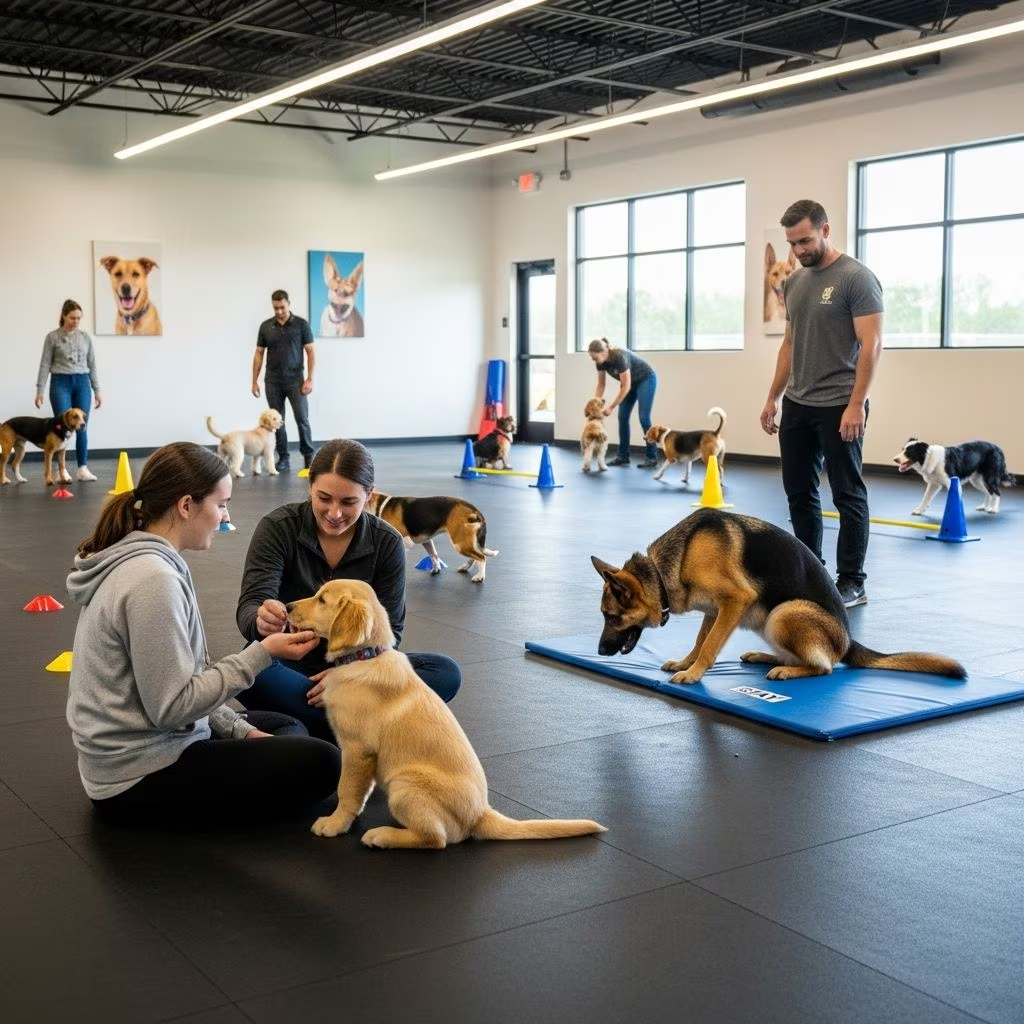
Selecting an appropriate training facility for your dog represents one of the most significant decisions you can make as a pet owner. The environment where your dog learns new behaviors and skills directly influences both the effectiveness of training and your pet’s overall well-being. Unlike choosing a veterinary clinic or groomer, where services are relatively standardized, dog training facilities vary dramatically in their approach, design, and quality. This variation makes thorough evaluation essential before enrolling your dog in any program.
Understanding Your Training Goals and Facility Types
Before evaluating specific facilities, clarify what type of training your dog requires. Different training objectives demand different facility types and configurations. Private one-on-one lessons require minimal space but need quiet, distraction-free environments. Board-and-train programs necessitate kenneling areas, outdoor exercise spaces, and comprehensive facilities for extended stays. Group classes demand larger open areas that can accommodate multiple dogs and handlers simultaneously while maintaining safety.
Understanding your dog’s specific needs helps narrow your options significantly. A puppy requiring basic obedience has different facility needs than an adult dog with behavioral challenges or an athletic dog training for canine sports. Reactive dogs benefit from facilities designed with stress reduction in mind, while confident, well-socialized dogs may thrive in busier group settings.
Physical Space and Safety Standards
The physical dimensions and safety features of a training facility form the foundation for any successful program. Minimum space requirements vary depending on training type, but adequate square footage remains non-negotiable. Puppy classes typically require smaller, private spaces for each participant, while group training environments should provide approximately 75 square feet per dog minimum, with recommendations to double this amount for more active training scenarios.
Safety encompasses multiple dimensions beyond simple size. Inspect the facility thoroughly for:
- Secure fencing and enclosures: Fences must be adequately high and maintained without gaps that could allow escapes
- Non-slip flooring: Appropriate flooring reduces injury risk during training activities
- Absence of hazards: Sharp objects, toxic substances, and harmful materials should be completely inaccessible
- Proper ventilation: Air quality directly affects dogs’ ability to concentrate and remain comfortable
- Adequate lighting: Good lighting enables trainers to observe dog behavior clearly and prevents accidents
- Emergency protocols: Well-thought-out plans for handling aggressive behavior or medical emergencies demonstrate professional standards
Request documentation of safety procedures and ask to observe how staff manages unexpected situations. A facility’s response to these questions reveals its commitment to canine welfare.
Environmental Design and Stress Reduction
Modern training facilities increasingly recognize that environmental design directly impacts learning outcomes. A well-designed training space reduces unnecessary stress, allowing dogs to focus on learning rather than managing overwhelming stimuli. Several design elements contribute to this goal:
Visual and auditory management: Excessive noise and visual stimulation create anxiety that interferes with training effectiveness. Effective facilities employ visual blockers through pony walls, solid enclosure fronts, or curtains to reduce distracting sights. Sound management through acoustic treatments and strategic layout reduces bark-triggered reactivity. A reactive dog proves less likely to bark at something they cannot see, making these barriers particularly valuable.
Segregated training zones: Facilities should include separate pods or sections within the overall space. This separation allows different training activities to progress simultaneously without interference. Dogs in beginning stages benefit from quiet, low-distraction areas, while advanced students can train in progressively more challenging environments as their focus improves.
Transition spaces: Well-designed facilities incorporate designated pathways where new clients enter through calm, quiet areas without encountering loud or reactive dogs. This first impression sets the tone for the entire training experience and helps maintain client confidence.
Environmental controls: Managing temperature, humidity, and lighting creates physical comfort that supports learning. Dogs struggling with discomfort cannot concentrate effectively on training tasks.
Evaluating Trainer Qualifications and Philosophy
The trainer’s expertise and approach ultimately determine training success. Seek trainers with recognized certifications in dog training and behavior from reputable organizations. Certifications indicate adherence to professional standards and ongoing education. Beyond credentials, evaluate the trainer’s experience handling diverse breeds and temperament types.
The training philosophy employed by the facility deserves careful consideration. Positive reinforcement methods create more enjoyable training experiences that increase dogs’ motivation to learn and participate willingly. Ask facility staff to explain their training approach in detail. Request examples of how they address different behavioral challenges and learning styles.
Observe how trainers interact with dogs. Professional trainers maintain calm, patient demeanor while providing clear guidance. Dogs should appear engaged rather than fearful or confused. Observe a training session if possible to assess trainer-dog interactions firsthand.
Class Size and Individualized Attention
Class size directly impacts training effectiveness. Smaller groups ensure each dog receives sufficient attention, enabling trainers to identify and address individual learning needs. In small classes, trainers can customize instruction based on each dog’s progress, challenges, and behavioral profile.
Ask about typical class sizes before enrolling. Overcrowded classes inevitably result in reduced individual attention, making progress slower and frustration more likely. Inquire whether trainers adjust group size based on the specific dogs enrolled or maintain static numbers regardless of individual needs.
For dogs with behavioral issues or anxiety, even small group classes may not suffice. These dogs often benefit from private sessions allowing complete focus on their specific challenges without the stress of other dogs’ presence.
Facility Cleanliness and Maintenance
Cleanliness reflects a facility’s overall professionalism and commitment to canine health. A clean, well-organized facility indicates staff attention to detail and hygiene standards. Poor cleanliness suggests inadequate maintenance protocols that could compromise dogs’ health.
During your facility visit, observe:
- Odor levels and evidence of proper waste management
- Cleanliness of training areas, kennels, and exercise runs
- Presence of cleaning supplies and maintenance equipment
- General organization and upkeep of facilities
- Water bowl cleanliness and water freshness
Ask about cleaning protocols, disinfection procedures, and frequency of facility maintenance. Facilities should have documented cleaning schedules and use appropriate disinfectants safe for dogs.
Infrastructure and Amenities
Beyond training areas, quality facilities provide essential supporting infrastructure. Adequate parking accommodating 20-30 vehicles during peak hours ensures convenient access for clients. Accessible restroom facilities for human participants should be clean and well-maintained.
Observe whether the facility provides:
- Fresh water stations throughout the training area
- Separate sections for different dog sizes or temperament groups
- Adequate indoor and outdoor exercise areas
- Temperature-controlled environments appropriate for dogs’ comfort
- Designated rest areas where dogs can recover between training sessions
- Grooming or bathing facilities if board-and-train services are offered
These amenities demonstrate the facility’s commitment to comprehensive dog care beyond basic training instruction.
Location and Accessibility Considerations
The facility’s location impacts your ability to maintain consistent training schedules. Convenient location relative to your home or workplace reduces barriers to regular attendance. Long commutes can make it difficult to sustain commitment to ongoing training programs.
Accessibility features matter for all clients, not merely those with mobility challenges. Consider whether facilities can accommodate individuals with disabilities through appropriate ramps or other modifications. Staff friendliness and willingness to work with diverse client needs reflect the facility’s true commitment to inclusion.
Observing and Assessing Real Training Sessions
Requesting to observe actual training sessions before enrolling provides invaluable insights. Watch how trainers interact with dogs, how they manage behavioral challenges, and whether dogs appear engaged and comfortable. Notice whether trainers adjust their approach based on individual dog responses or follow rigid, one-size-fits-all methods.
Observe the overall training environment and whether it matches the facility’s descriptions. Do dogs appear stressed or relaxed? Are trainers patient with slower-learning dogs? Do they celebrate progress and provide clear positive reinforcement?
Speaking with current clients can supplement facility observations. Ask about their experience with the trainer, results they’ve achieved, and whether they felt their investment was worthwhile.
Program Variety and Flexibility
Quality facilities offer diverse program options addressing different training needs. This variety includes basic obedience, behavioral modification, agility training, and specialized programs for specific challenges. Facilities providing multiple training modalities can address various dog needs without requiring clients to switch trainers mid-process.
Inquire about program customization. Can the facility tailor training approaches to your dog’s individual temperament and learning style? Flexibility in scheduling and program design accommodates diverse client needs and life circumstances.
Questions to Ask Before Enrolling
Prepare specific questions to ask facility representatives:
- What training certifications and credentials do your trainers hold?
- What training philosophy and methods do you employ?
- What is your typical class size and trainer-to-dog ratio?
- How do you manage dogs with behavioral challenges or anxiety?
- What safety protocols are in place for emergencies?
- How often is the facility cleaned and what disinfectants do you use?
- Can I observe training sessions before enrolling?
- What is your cancellation and refund policy?
- How do you communicate progress to clients?
- What support do you provide between training sessions?
Making Your Final Decision
After evaluating multiple facilities, compare your findings systematically. Create a checklist of essential requirements and rate each facility accordingly. Essential factors should include qualified trainers, safe design, appropriate class sizes, and positive training philosophies. Important but secondary factors might include amenities, convenience, or aesthetic appeal.
Trust your instincts about facility staff. You should feel confident that your dog will be treated with care and respect. If a facility makes you uncomfortable or seems evasive about standard questions, continue your search.
Starting your dog’s training at a quality facility sets the foundation for success. Time invested in thorough facility evaluation pays dividends through better training outcomes, reduced stress for both dog and owner, and a positive experience that supports your dog’s learning and development.
References
- What to Look For in a Dog Training Facility — Dream Dogs. https://www.dreamdogs.com/what-to-look-for-in-a-dog-training-facility
- Facility Design With Training in Mind — Pet Boarding and Daycare Digital Magazine. November-December 2023. https://digital.petboardinganddaycare.com/issue/november-december-2023/facility-design-with-training-in-mind/
- Dog Park Site Selection: The 15 Critical Factors That Determine Success or Failure — Wag Bar. https://www.wagbar.com/dog-park-site-selection-the-15-critical-factors-that-determine-success-or-failure
- Advice for the Design & Build of Dog Training Facilities — Karenswood. https://www.karenswood.com/advice-for-the-design-build-of-dog-training-facilities/
- Pawsitive Space: Creating a Welcoming Environment for Dog Training — Ging Rapp. https://www.gingrapp.com/blog/building-a-pawsitive-space-creating-a-welcoming-environment-for-dog-training
- Professional Dog Training Facilities: What to Expect — Leca Academy. https://www.lecaacademy.com/post/what-to-expect-from-professional-dog-training-facilities
- Minimum Space Requirements for Dogs — USDA APHIS. https://www.aphis.usda.gov/sites/default/files/minimum-space-requirements-for-dogs.pdf



