Choosing the Right Chinchilla as Your Pet
A comprehensive guide to finding and selecting a healthy chinchilla companion
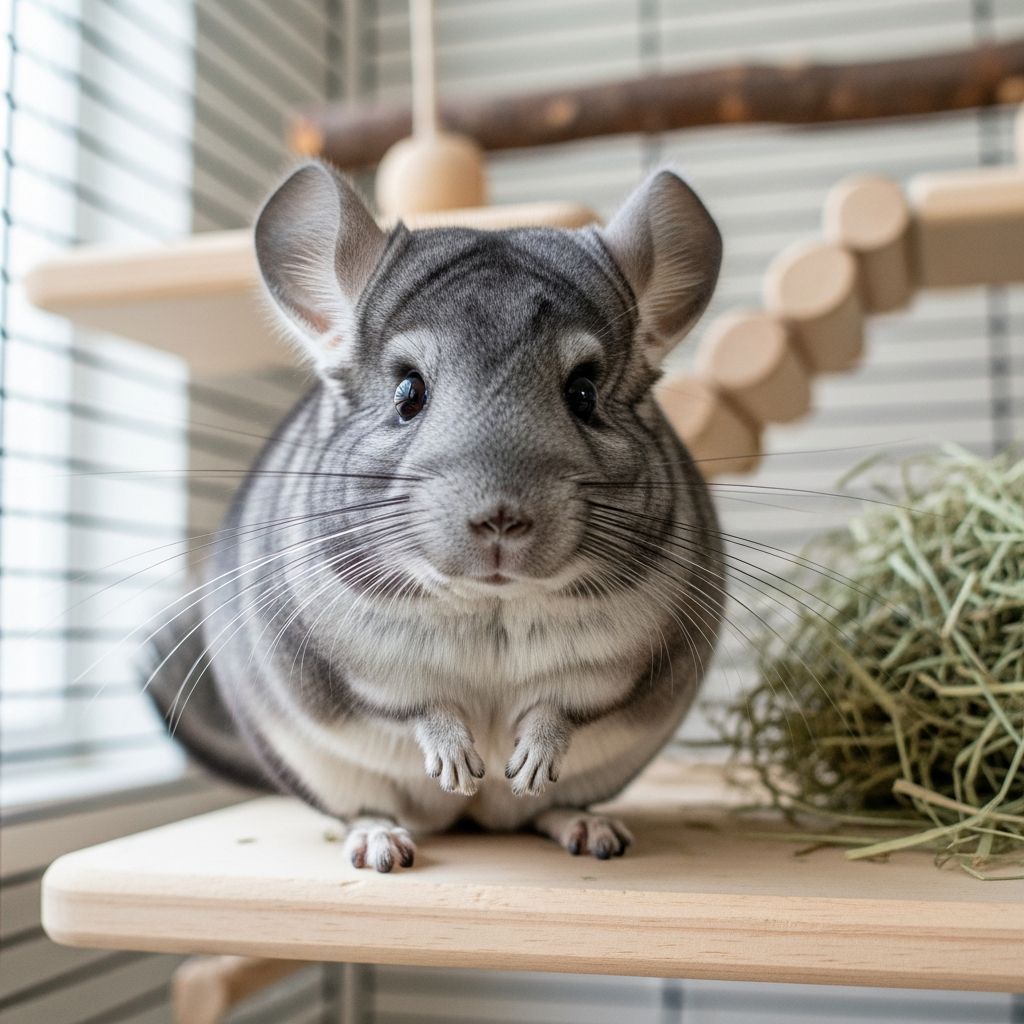
Chinchillas make appealing and engaging companions for many households, but selecting the right individual animal requires careful consideration and knowledge. These small rodents have distinct personalities, varying health conditions, and specific care requirements that prospective owners must understand before making a commitment. The decision to bring a chinchilla into your home should be thoughtful and informed, ensuring compatibility between the animal’s needs and your lifestyle and capacity to provide proper care.
Understanding Chinchilla Lifespan and Commitment
Before selecting a chinchilla, potential owners must recognize the significant time commitment involved in pet ownership. Chinchillas typically live between 10 to 15 years in captivity, making them a long-term responsibility comparable to many other popular pets. This extended lifespan means that choosing a chinchilla represents a decade-long commitment requiring consistent daily care, including fresh food and water provision, cage maintenance, and social interaction. Prospective owners should honestly assess whether they can maintain this level of commitment throughout the animal’s entire life, accounting for potential life changes such as relocations, career transitions, or family circumstances.
Evaluating Physical Health Indicators
Assessing the physical health of a potential chinchilla is fundamental to making a sound selection. A healthy chinchilla should display several key physical characteristics that indicate good overall condition and absence of common health problems. When examining a prospective pet, observe the animal’s body condition, paying attention to whether it appears neither overly thin nor overweight. The animal’s coat should be dense, lustrous, and free from patchy areas, which might indicate fungal or bacterial infections.
Key physical indicators of health include:
- Clear, bright eyes without discharge or cloudiness
- Clean nasal passages with no visible discharge or inflammation
- Proper alignment of teeth with no visible overgrowth or misalignment
- Normal respiratory function with no wheezing or labored breathing
- Clean anal area without signs of diarrhea or soiling
- Intact fur without bald patches, scabs, or signs of parasites
- Alert posture and responsive behavior to environmental stimuli
- Active movement without limping, tremors, or neurological signs
The chin area deserves particular attention, as chinchillas are susceptible to fur slip and related dermatological conditions. Gently examine the fur at the chin and around the face to ensure there are no areas of missing hair or skin irritation. Additionally, observe whether the animal displays signs of respiratory distress, as respiratory infections are among the more common health issues affecting captive chinchillas.
Assessing Behavioral and Temperament Traits
The personality and behavioral characteristics of an individual chinchilla significantly impact the owner’s experience and the animal’s wellbeing in its new home. While chinchillas as a species share common behavioral traits, individual animals display varying temperament ranges. Some chinchillas are naturally calm and tolerant of handling, while others remain skittish and prefer minimal human contact throughout their lives. Neither temperament is inherently superior; the appropriate choice depends on the owner’s expectations and experience level.
During the selection process, observe the chinchilla’s response to human presence and interaction. Notice whether the animal approaches or retreats when approached, how it responds to gentle handling, and whether it displays signs of excessive fear or aggression. A chinchilla that allows brief, gentle handling without aggressive behavior is generally more suitable for homes where regular human interaction is anticipated. However, a more reserved animal may be perfectly healthy and happy in a home where the owner is content to observe and appreciate the chinchilla’s natural behaviors from a slight distance.
Additionally, evaluate the chinchilla’s activity level and engagement with its environment. A healthy chinchilla should display curiosity about surroundings, engage with available enrichment items, and show periods of active play and exploration. Animals that appear lethargic, withdrawn, or unresponsive to environmental stimuli may be experiencing health issues or excessive stress.
Age Considerations and Development Stages
The age of a chinchilla at selection influences its adaptability, developmental trajectory, and potential longevity in your care. Young chinchillas, typically those between 8 to 12 weeks old, are more adaptable to new environments and are more likely to develop comfortable relationships with their human caretakers. Younger animals often adjust to handling more readily, though they still require patient, gentle socialization. However, young chinchillas require additional vigilance regarding proper nutrition and environmental conditions, as they are more vulnerable to stress-related health complications.
Adult chinchillas, ranging from one to several years old, may have established behavioral patterns and socialization histories that affect their adjustment to new ownership. A well-socialized adult chinchilla can integrate smoothly into a home and may require less initial acclimation time than expected. Conversely, an adult chinchilla with limited prior human contact may take considerably longer to develop trust and comfort with new owners. When selecting an adult animal, inquire about its background and prior social experiences whenever possible.
Senior chinchillas, typically those approaching or exceeding 10 years of age, can live comfortably in new homes but may have established health considerations requiring awareness and management. While adopting an older chinchilla can be rewarding, it requires realistic expectations about potential ongoing medical needs and the limited remaining lifespan compared to younger animals.
Source Evaluation and Acquisition Options
Where you acquire your chinchilla significantly impacts the likelihood of obtaining a healthy, well-socialized animal. Different acquisition sources offer varying advantages and considerations regarding animal health, genetic history, and behavioral background.
Reputable breeders maintain documented health and genetic histories for their animals. Quality breeders screen prospective owners carefully, provide guidance on proper care, and often offer support throughout the animal’s life. They maintain appropriate breeding practices to minimize hereditary health issues and actively socialize young animals during development.
Rescue organizations and shelters house chinchillas needing homes, often at lower costs than breeder-obtained animals. Rescued chinchillas are frequently already socialized, and staff can often provide information about the animal’s personality and any known health or behavioral considerations. Adoption from rescue sources supports animal welfare efforts and gives homes to animals in need.
Pet stores present more variable outcomes. Quality and health standards differ substantially among retailers. If acquiring from a pet store, thoroughly examine the facility’s conditions, observe the health of available animals, and ask detailed questions about the animals’ origins and health screening. Be cautious of establishments displaying poor housing conditions or animals showing obvious signs of illness.
Genetic and Hereditary Considerations
Understanding an animal’s genetic background contributes to informed selection, particularly regarding potential hereditary health conditions. When acquiring from a breeder, inquire about the family health history, lineage, and any known hereditary conditions within the bloodline. Some chinchilla populations carry genetic predispositions to specific health issues that may manifest during the animal’s lifetime.
Ask breeders about their breeding philosophy and whether they conduct any genetic screening of breeding animals. Responsible breeders aim to minimize hereditary problems through careful mate selection and maintain records documenting the health outcomes of previous offspring. Understanding this information helps set realistic expectations for potential health issues and allows you to make informed decisions about medical monitoring and preventive care.
Environmental Readiness and Compatibility Assessment
Selecting an appropriate chinchilla requires honest assessment of whether your home environment can meet the animal’s specific needs. Chinchillas require cool, controlled environmental conditions to thrive. They need temperatures maintained between 60 to 70 degrees Fahrenheit (15 to 21 degrees Celsius) in a low-humidity environment protected from direct sunlight. If your home cannot reliably maintain these conditions, particularly during warm months, a chinchilla may not be suitable regardless of the individual animal’s health or temperament.
Additionally, evaluate whether you can provide adequate space for proper housing and whether your household circumstances permit the consistent daily care chinchillas require. Households with very young children, extremely chaotic environments, or limited time availability for daily care may struggle to meet chinchilla needs appropriately, even with a healthy, well-adjusted animal.
Compatibility with Other Household Pets
Consider whether your household contains other animals that might affect a chinchilla’s wellbeing or safety. Dogs and cats, even those with gentle temperaments, may present predation risks or cause excessive stress through their mere presence. Some households successfully maintain chinchillas alongside other pets through careful management and appropriate housing, while others find the combination unsuitable. Evaluate your specific situation honestly, considering the personalities and prey drives of existing pets and your ability to provide adequate separation and supervision.
If you plan to maintain multiple chinchillas, select animals that display compatible temperaments and social preferences. Some chinchillas tolerate pair housing or small groups, while others are fundamentally solitary in nature. Attempting to house incompatible animals together creates stress and increases injury risk.
Health Screening and Veterinary Consultation
Arranging a veterinary examination shortly after acquiring a chinchilla provides valuable baseline health assessment and allows early identification of any existing conditions. Select a veterinarian experienced in exotic pet medicine, as general practitioners may lack specialized knowledge regarding chinchilla-specific health issues and care requirements. A veterinary professional can confirm the animal’s overall health status, verify sex if relevant to your plans, and establish baseline health records supporting future medical care.
Questions to Ask Before Selection
When selecting a chinchilla from any source, ask detailed questions providing relevant information:
- What is the animal’s exact age and developmental history?
- How long has this animal been in your care?
- Has the animal received any veterinary care or treatment?
- Are there any known health issues or behavioral concerns?
- What has this animal’s diet consisted of previously?
- How much human handling and socialization has this animal experienced?
- Are there any genetic health concerns in the animal’s family line?
- What temperature and environmental conditions has this animal been housed in?
- Do you provide any guarantees or return policies?
- Will you provide ongoing support and advice after adoption?
Making the Final Decision
Choosing a chinchilla combines objective health assessment with subjective personal connection and lifestyle compatibility. The ideal selection balances physical health, appropriate temperament for your situation, good behavioral adaptability, and realistic acknowledgment that you can provide appropriate long-term care. Rush decisions risk poor compatibility and animal suffering, while excessive deliberation may prevent you from providing a home to a chinchilla in need.
Take time to carefully examine potential animals, gather comprehensive information, and honestly assess your capacity for the commitment. A well-selected chinchilla can provide years of companionship and enjoyment, rewarding thoughtful selection with a healthy, content animal thriving in your care.
References
- Ultimate Guide to Chinchilla Care — Aloha Animal Hospital. 2025-03-15. https://alohavegasvets.com/ultimate-guide-to-chinchilla-care/
- Caring for your CHINCHILLA — Oxbow Animal Health. 2024-02. https://oxbowanimalhealth.com/chinchilla-care-guide/
- Chinchilla Care Guide: Housing, Diet, and Daily Care — PetMD. https://www.petmd.com/exotic/chinchilla-care-sheet
- Chinchilla Care — Chicago Exotics Animal Hospital. https://www.exoticpetvet.com/chinchilla-care.html
- Chinchilla 101: Care Resource Guide — Small Pet Select. https://shop.smallpetselect.com/blogs/care-resources/chinchilla-101-care-resource-guide
Similar Articles








Read full bio of medha deb