

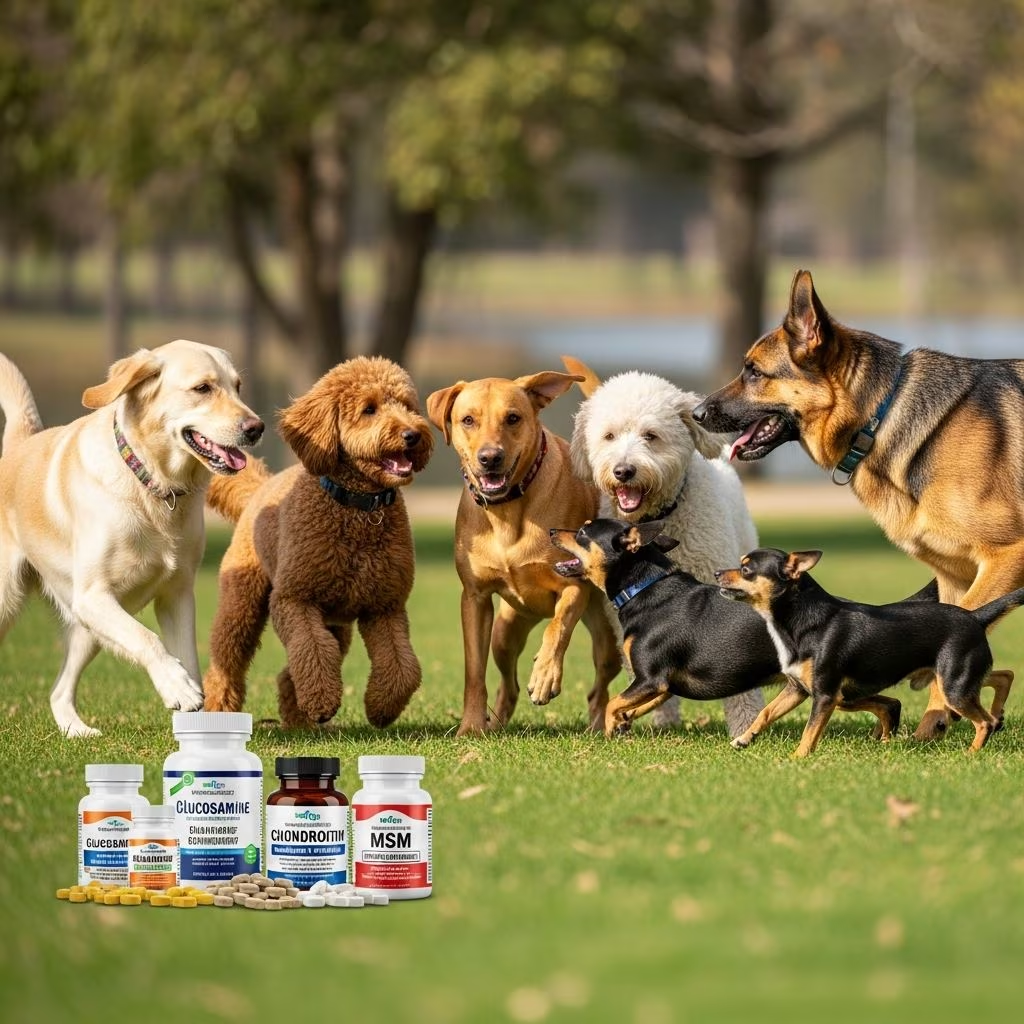
Understanding Dog Joint Supplements: A Comprehensive Guide
Joint health is a critical component of your dog’s overall well-being, especially as they age or if they belong to breeds predisposed to joint issues. When your once-energetic companion begins hesitating at stairs, struggling to jump into the car, or moving stiffly after rest, it may be time to consider joint supplements. These targeted nutritional products can make a significant difference in your dog’s mobility, comfort, and quality of life. Unlike general vitamins, joint supplements are specifically formulated to address the unique needs of canine skeletal health, providing ingredients that support cartilage repair, reduce inflammation, and enhance joint lubrication.
The Importance of Joint Health in Dogs
Dogs naturally experience wear and tear on their joints throughout their lives, particularly in the hips, knees, elbows, and spine. Certain breeds, including Labrador Retrievers, German Shepherds, Golden Retrievers, and Great Danes, are genetically predisposed to conditions like hip dysplasia and arthritis. Even dogs without breed-specific concerns can develop joint problems due to age, injury, or obesity. Joint supplements work by reducing inflammation, supporting cartilage production, and enhancing the body’s natural healing processes. When started early—ideally in middle-aged dogs or those showing initial signs of stiffness—these supplements can help maintain mobility and potentially delay the progression of degenerative joint diseases.
Key Ingredients in Dog Joint Supplements
Understanding the active ingredients in joint supplements is essential for making an informed choice. The most effective supplements combine multiple complementary ingredients that work synergistically to support joint health.
Glucosamine: The Rebuilder
Glucosamine is one of the most researched and widely recommended joint supplement ingredients for dogs. This naturally occurring compound stimulates the production of new cartilage and helps repair damaged cartilage tissue. Glucosamine works by providing the building blocks necessary for cartilage synthesis, essentially helping your dog’s body rebuild what has been worn down. Most effective formulations contain glucosamine hydrochloride (HCl), which has superior absorption rates compared to other forms. For therapeutic benefit, dogs typically require 15-20mg per pound of body weight daily, meaning a 50-pound dog would need approximately 750-1000mg of glucosamine daily.
Chondroitin Sulfate: The Protector
While glucosamine focuses on rebuilding, chondroitin takes on a protective role. This compound blocks enzymes that naturally break down cartilage, essentially putting the brakes on cartilage degradation. Additionally, chondroitin attracts and retains water within the cartilage matrix, enhancing its shock-absorbing capabilities. The synergy between glucosamine and chondroitin is particularly powerful—glucosamine builds while chondroitin protects. Therapeutic dosages of 800-1000mg daily for larger dogs have shown the most consistent results in clinical studies. Dogs receiving both ingredients together often show better outcomes than those receiving either ingredient alone.
MSM (Methylsulfonylmethane): The Anti-Inflammatory
MSM is a naturally occurring sulfur compound that plays a vital role in maintaining healthy connective tissues. This ingredient reduces inflammation and pain by inhibiting pain signals along nerve fibers while simultaneously providing sulfur—an essential building block for cartilage, ligaments, and tendons. One of MSM’s greatest advantages is its excellent safety profile; even at higher doses, side effects are minimal, making it appropriate for long-term use. Most dogs show improved mobility within weeks of consistent MSM supplementation. The typical dosing ranges from 34-100mg per 10 pounds of body weight daily, and MSM works particularly well when combined with glucosamine and chondroitin.
Omega-3 Fatty Acids: The Anti-Inflammatory Support
Omega-3 fatty acids, typically derived from fish oil or marine sources, provide powerful anti-inflammatory support for joint health. These essential fatty acids reduce inflammatory compounds throughout the body while maintaining the health of joint tissue cell membranes. EPA and DHA, the active components in omega-3s, have been shown to help maintain normal inflammatory responses in naturally aging joints. Unlike some anti-inflammatory medications, omega-3s support the body’s natural healing processes without the potential side effects of pharmaceutical interventions.
Hyaluronic Acid: The Lubricant
Hyaluronic acid functions as a natural lubricant within joints by improving the viscosity of synovial fluid—the substance that cushions joints and enables smooth movement. By enhancing joint lubrication, hyaluronic acid reduces friction between bone surfaces and enables smoother, more comfortable movement. This ingredient is particularly beneficial for dogs with significant mobility challenges or advanced arthritis.
Turmeric and Curcumin: Natural Anti-Inflammatories
Turmeric’s active compound, curcumin, provides anti-inflammatory effects comparable to some prescription medications without the common digestive side effects associated with pharmaceutical options. Curcumin works by reducing oxidative damage to joint tissues and supporting the body’s natural anti-inflammatory responses. When properly formulated for absorption, turmeric can significantly enhance a supplement’s overall effectiveness.
UC-II Undenatured Collagen: The Immune Modulator
UC-II is a special form of undenatured collagen that modulates the immune system’s response to joint collagen. Clinical studies have demonstrated improved mobility in dogs receiving as little as 10mg daily. This ingredient represents a more targeted approach to immune-mediated joint support.
Benefits of Joint Supplements for Dogs
Joint supplements offer multiple benefits that extend beyond simple pain relief. These targeted nutritional products address the underlying causes of joint deterioration while improving your dog’s daily comfort and quality of life.
Increased Mobility and Flexibility
One of the most noticeable benefits of joint supplements is the restoration of mobility and flexibility. By lubricating joints and reducing inflammation, these supplements make movement less uncomfortable and more enjoyable for your dog. Dogs that previously avoided stairs or struggled to rise from rest often show remarkable improvements in their willingness and ability to move.
Joint Pain Relief
The combination of glucosamine, chondroitin, and anti-inflammatory ingredients works to reduce joint pain by addressing both the symptoms and underlying causes. Rather than simply masking pain like some medications, joint supplements support the body’s natural healing processes.
Cartilage Support and Regeneration
Joint supplements actively support the production of new cartilage while protecting existing cartilage from further degradation. As dogs age, natural cartilage production decreases, making supplementation increasingly important for maintaining joint integrity.
Recovery Support from Injuries
Joint supplements can accelerate recovery from injuries affecting joint health by promoting healing and reducing inflammation in affected areas. Dogs recovering from ligament injuries, sprains, or surgery often benefit from supplementation alongside veterinary treatment.
Improved Quality of Life
Perhaps most importantly, joint supplements enable dogs to enjoy their senior years with greater comfort and activity. A more mobile, pain-free dog is a happier dog, and many owners report significant improvements in their pet’s overall disposition and engagement with family activities.
Choosing the Right Joint Supplement for Your Dog
With numerous products available, selecting the right joint supplement requires careful consideration of your dog’s specific needs, age, and current health status.
For Younger Dogs Without Joint Issues
Prevention is always preferable to treatment. Young dogs, particularly those from breeds predisposed to joint problems, benefit from preventative supplementation focusing on basic cartilage maintenance. Look for products containing glucosamine and chondroitin as primary ingredients. Starting supplementation in middle-aged dogs—typically around 5-7 years old—can significantly reduce the likelihood of developing serious joint issues later in life.
For Dogs Showing Early Signs of Stiffness
When dogs begin showing signs of joint compromise—such as stiffness after rest, reluctance to exercise, or difficulty rising—they need more comprehensive formulas. Products combining glucosamine and chondroitin with anti-inflammatory ingredients like MSM, omega-3 fatty acids, and green-lipped mussel provide broader support. At this stage, early intervention can significantly slow disease progression.
For Dogs with Advanced Arthritis
Dogs with established arthritis or significant mobility issues benefit from comprehensive formulas containing multiple complementary ingredients. These advanced supplements should include hyaluronic acid for superior joint lubrication, natural anti-inflammatories like turmeric or Boswellia serrata, and pain-supporting compounds. Combining supplements with veterinary-prescribed pain management often provides optimal results.
Understanding Joint Supplement Effectiveness and Timeline
An important consideration when starting joint supplements is the realistic timeline for experiencing benefits. Unlike some medications that work immediately, joint supplements require time to build up therapeutic levels in your dog’s system. Most dogs show noticeable improvements within 4-6 weeks of consistent use, though some may require up to 3 months to experience full benefits. This delayed response reflects the gradual rebuilding of cartilage and the cumulative anti-inflammatory effects of the supplement ingredients. Consistency is crucial—supplements work best when administered daily without interruption. Veterinarians universally recommend maintaining long-term supplementation rather than stopping and starting, as this ensures sustained joint support.
Quality Considerations and Product Selection
Not all joint supplements are created equal. When evaluating products, look for formulations from established manufacturers with strong research backing. Reputable brands conduct stability testing, verify ingredient quantities, and maintain rigorous quality control standards. Products like Dasuquin and Cosequin have extensive clinical research supporting their efficacy and safety profiles. Third-party testing certifications provide additional assurance of product quality and ingredient accuracy.
Dosage and Formulation Types
Joint supplements come in various forms—chewable tablets, liquids, powders, and capsules—each offering different advantages. Chewable tablets are often most convenient for owners, as many dogs accept them readily, especially when given with food or special treats. The formulation type should match your dog’s preferences and your ability to administer supplements consistently. Regardless of formulation, ensuring correct dosing based on your dog’s weight is essential for achieving therapeutic benefit.
Combining Supplements with Other Treatments
Joint supplements work synergistically with other joint health strategies. Weight management is crucial—excess weight places additional stress on joints, reducing supplement effectiveness. Appropriate exercise, including low-impact activities like swimming, helps maintain muscle tone that supports joint stability. For dogs with diagnosed joint conditions, joint supplements can be combined with veterinary-prescribed NSAIDs (non-steroidal anti-inflammatory drugs) or other pain management strategies for enhanced benefit. Many veterinarians recommend this combined approach, as supplements address the underlying joint health while medications manage acute pain.
Frequently Asked Questions
Q: How long does it take for joint supplements to work?
A: Most dogs show noticeable improvements within 4-6 weeks of consistent supplementation, though some may require up to 3 months to experience full benefits. Consistency is key—daily administration without interruption provides the best results.
Q: Can I give my dog joint supplements indefinitely?
A: Yes, joint supplements have excellent safety profiles and can be given long-term. In fact, continuous supplementation provides better joint support than intermittent use. Consult your veterinarian about appropriate long-term dosing for your dog’s specific situation.
Q: Are joint supplements safe to use with prescription medications?
A: Joint supplements can typically be combined with prescription pain medications and NSAIDs for enhanced benefit. However, always consult your veterinarian before combining supplements with any medications to ensure compatibility and optimal dosing.
Q: What’s the difference between glucosamine HCl and glucosamine sulfate?
A: Glucosamine HCl has superior absorption rates and bioavailability compared to glucosamine sulfate, making it the preferred form in high-quality joint supplements for dogs.
Q: My dog has a sensitive stomach. Are there gentle joint supplement options?
A: Many dogs tolerate joint supplements well, but if digestive sensitivity is a concern, discuss options with your veterinarian. Some formulations are specifically designed for sensitive digestion, and adjusting administration timing or dosage can sometimes help.
Q: Can joint supplements prevent arthritis?
A: While supplements cannot completely prevent arthritis, particularly in genetically predisposed breeds, early and consistent supplementation can significantly slow disease progression and reduce severity. Starting preventative supplementation in middle-aged dogs, especially those from high-risk breeds, offers the best outcomes.
Q: Are natural ingredients always better than synthetic ones?
A: What matters most is efficacy and bioavailability, not whether ingredients are natural or synthetic. Both natural and lab-produced ingredients can be highly effective when properly formulated. Focus on supplements with proven clinical research supporting their effectiveness.
References
- Understanding Dog Joint Supplements: Benefits and Importance — Halo Collar. 2024. https://www.halocollar.com/blog/dog-health/dog-joint-supplements-benefits-importance/
- How joint supplements can help with orthopedic conditions — Cornell University College of Veterinary Medicine, Riney Canine Health Center. 2024. https://www.vet.cornell.edu/departments-centers-and-institutes/riney-canine-health-center/canine-health-topics/how-joint-supplements-can-help-orthopedic-conditions
- 3 Ways Supplements Can Improve Your Dog’s Joints, Digestion, and Health — PetMD. 2024. https://www.petmd.com/dog/nutrition/ways-supplements-improve-dogs-joints-digestion-health
- Joint Supplements for Dogs: 5 Best Options for Aging Canines — The Pet Vet. 2024. https://thepetvet.com/joint-supplements-for-dogs/
- Dog Supplements for Joints: How Do They Work? — PetLab Co. 2024. https://thepetlabco.com/learn/dog/health-wellness/dog-supplements-for-joints
- When Dietary Supplements for Your Dog Are Needed — Zoetis Petcare. 2024. https://www.zoetispetcare.com/blog/article/dietary-supplements-dog
- 6 Benefits of Adding Joint Supplements to Your Dog’s Routine — Pet Honesty. 2024. https://www.pethonesty.com/blogs/blog/dog-joint-supplements



