

How to Choose the Perfect Pet Carrier for Your Cat
Selecting the right cat carrier is one of the most important decisions pet parents make. Whether you’re heading to the veterinarian, taking a vacation, or simply moving around town, your cat needs a safe, comfortable, and secure carrier. The right choice can make all the difference in reducing stress for both you and your feline friend. This comprehensive guide will help you navigate the various carrier options available and find the perfect fit for your cat’s unique needs.
Understanding Cat Carrier Types
The first step in choosing a pet carrier is understanding the different types available on the market. Each type offers distinct advantages and disadvantages, and the best choice depends on your specific travel needs and your cat’s personality.
Hard-Sided Carriers
Hard-sided carriers are constructed from durable plastic materials and provide excellent protection for your cat during travel. These carriers offer a solid, stable environment that can withstand bumps and rough handling, making them ideal for car travel. The rigid structure provides superior protection in case of accidents or sudden stops.
One of the primary benefits of hard-sided carriers is their ease of cleaning. If your cat has an accident or gets carsick, you can simply wipe down the interior or spray it out with a hose. However, hard-sided carriers can be bulky and less comfortable to carry over long distances. Additionally, because they are large and don’t compress underneath the seat, they aren’t suitable for in-cabin plane transport. Some cats may also feel more anxious in a hard-sided carrier due to its fully enclosed design.
Soft-Sided Carriers
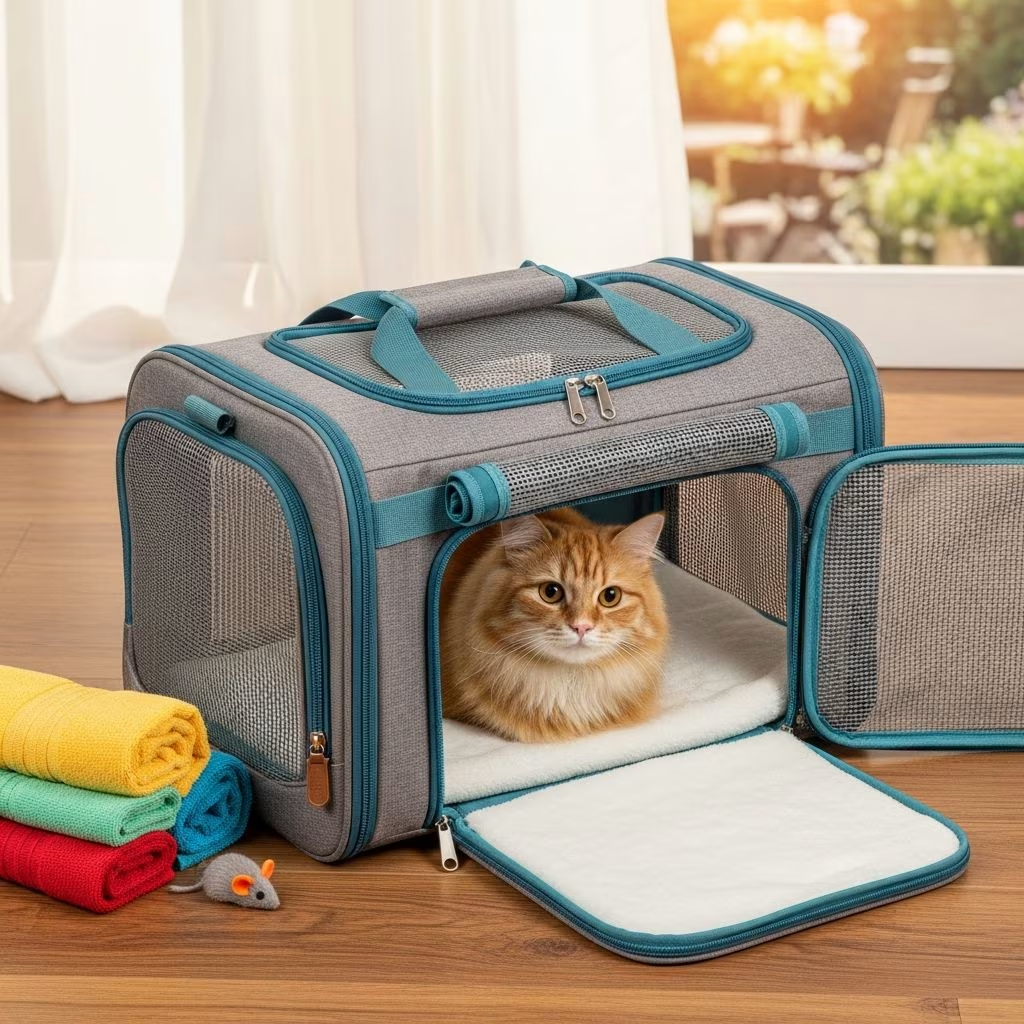
Soft-sided carriers are constructed from lightweight, flexible materials such as polyester, nylon, and microfiber. These carriers are significantly lighter than hard carriers and are pliable, making them easier to maneuver into tight spaces, such as under an airplane seat. This flexibility is particularly valuable for frequent travelers or those with limited storage space.
Soft-sided carriers are better suited for cats that are always on the go or traveling long distances. Plane travelers will appreciate that soft carriers can slide under the seat as carry-on luggage, and car travelers will find that soft cat carriers score better in Center for Pet Safety crash testing. However, soft carriers do have limitations. They don’t provide as much protection as hard-sided carriers, and your cat can easily damage the material with their claws and teeth. Additionally, if your cat is an unhappy traveler, be aware that soft carriers are harder to clean out than hard ones, and ambitious cats can claw their way through mesh windows or even unzip the doors on their own.
Rolling Carriers
Rolling carriers combine convenience with functionality and are perfect for people who appreciate the ease of dragging a roller suitcase. These carriers are typically built with plenty of storage space for cat care essentials and have soft, comfortable interiors. They tend to be roomier for the cat and allow cats to see their surroundings, making the travel experience less stressful for some felines.
Rolling carriers are easier for families who have a hard time carrying things, since they can roll the cat where they need to go rather than lifting it. However, the main drawback of a rolling carrier is that some cats are scared by the vibration and sound of wheels rolling over the ground, especially on uneven surfaces. Additionally, rolling carriers tend to be hard to clean if they have been soiled, and they can be cumbersome in tight spaces or difficult to maneuver on rough terrain.
Backpack Carriers
Cat backpack carriers offer a hands-free, convenient solution for short trips and are often stylish additions to your travel gear. These carriers are great for adventurous cat parents and felines who don’t mind a little motion, and many feature clear bubble windows or mesh sides so your cat can take in the sights. They include comfortable waist and chest straps that keep the carrier secure while allowing you to move freely.
However, backpack carriers have significant limitations. They offer limited space, which can be uncomfortable for extended periods, and they may not work well for anxious or motion-sensitive cats. These carriers are best suited for short neighborhood walks or quick trips rather than extended travel.
Key Features to Consider
Beyond carrier type, several important features should influence your purchasing decision to ensure optimal comfort and safety for your cat.
Size and Fit
Choosing the right size is crucial for your cat’s comfort and safety. A good rule of thumb is to look for a carrier that’s around 1.5 times the size of your cat. Your cat should be able to stand, turn around, and lie down comfortably inside the carrier. However, bigger isn’t always better—too much space can actually increase your cat’s anxiety rather than reduce it. An oversized carrier may cause your cat to feel less secure, and excessive movement inside can be stressful during transport.
Ventilation
Proper ventilation is essential for keeping your cat comfortable and reducing stress during travel. Look for carriers with mesh panels or openings on multiple sides to ensure good airflow and visibility. Adequate ventilation helps maintain a comfortable temperature inside the carrier and reduces your cat’s anxiety by allowing them to see their surroundings. Poor ventilation can lead to overheating and increased stress, particularly during longer trips or in warm weather.
Entry and Exit Points
The design of entry and exit points significantly impacts how easily you can load and unload your cat. Top-loading carriers are particularly handy for reluctant cats, as they allow you to gently lower a nervous cat inside rather than forcing them through a front entrance. Some models offer front, side, or dual access, which is helpful if your cat tends to resist entering or exiting. Carriers with multiple entry points make the loading and unloading process less stressful for both you and your pet.
Durability and Material Quality
The material of your carrier significantly impacts its durability and your cat’s comfort. Hard plastic carriers are sturdy, durable, and easy to clean but are bulkier and less flexible for storage. Soft fabric carriers are lightweight and flexible but may not offer as much protection as hard-sided options and can be susceptible to scratches and tears from sharp claws. Choose materials appropriate for your cat’s temperament and your intended use.
Locking Mechanisms
A secure locking mechanism is essential for preventing your cat from escaping. Different carriers feature various closure options, including sliding plastic locks, zippers, velcro, snaps, and plastic knobs. Sliding plastic locks can be quick and easy to operate and are relatively quiet when unlatching or latching. Zippers and velcro are also quick and easy but are not recommended for cats that can push their way through openings. Plastic knobs are relatively quiet and quick, though you must ensure the carrier is properly aligned to latch it together correctly.
Carrier Comparison Chart
| Carrier Type | Best For | Pros | Cons |
|---|---|---|---|
| Hard-Sided | Car travel, maximum protection | Durable, easy to clean, excellent protection | Bulky, enclosed design, not airline-friendly |
| Soft-Sided | Airplane travel, portability | Lightweight, flexible, airline-approved | Less protection, harder to clean, prone to damage |
| Rolling | Long-distance travel, heavy cats | Reduces physical strain, spacious, good storage | Can frighten cats, cumbersome in tight spaces |
| Backpack | Short trips, hands-free travel | Convenient, stylish, hands-free | Limited space, not for anxious cats |
Selecting the Right Carrier for Your Travel Needs
Your choice of carrier should align with your specific travel patterns and destination requirements.
Car Travel
For car travel, hard-sided carriers are often the best choice, as they offer maximum protection and are easy to clean in case of accidents. Their sturdy construction protects your cat during sudden stops or accidents. Additionally, hard carriers provide a secure, enclosed space that many cats find comforting during car rides.
Air Travel
If you’re flying with your cat, you’ll want a carrier that meets airline requirements and can slide under the seat as carry-on luggage. Soft-sided carriers are ideal for this purpose, as they are compressible and meet most major airline requirements. Always verify specific size and weight requirements with your airline before purchasing, as regulations vary. Many airlines require carriers to fit within specific dimensions, typically around 16x12x8 inches for under-seat storage.
Veterinary Visits
For trips to the veterinarian, a carrier with a removable or accessible top makes it easier for the vet to examine your cat without completely removing them from the carrier. Top-loading carriers are particularly useful for this purpose, as they allow the vet to access your cat from above, which is often less stressful for nervous animals.
Short Trips and Errands
For quick neighborhood walks or brief trips, soft-sided carriers or backpack carriers offer excellent portability and convenience. These lightweight options minimize physical strain and are easy to transport.
Top Carrier Recommendations
Several carriers stand out for their quality, safety, and user-friendly design:
Sleepypod Air In-Cabin Pet Carrier: This top-rated carrier is crash-tested and certified by the Center for Pet Safety, compressible for varied airline size restrictions, and comes with a privacy shield for added comfort.
Sherpa Travel Original Deluxe Airline Approved Pet Carrier: Meeting most major airline requirements and covered by Sherpa’s Guaranteed On Board program, this carrier is available in multiple sizes to accommodate cats up to 22 pounds.
Petmate Two Door Top Load Pet Kennel: Featuring secure steel top and front doors for simple loading and unloading, this easy-to-clean plastic carrier accommodates cats up to 20 pounds.
Petsfit Expandable Travel Carrier: Offering extended space for cats to sprawl out and relax, this roomy and breathable carrier collapses for easy storage.
Pet Magasin Hard Cover Collapsible Cat Carrier: With a removable lid for easy access and openings from both the top and front, this carrier provides good ventilation and flexibility.
Making the Final Decision
When choosing a cat carrier, consider your cat’s personality, size, and typical travel patterns. Think about whether your cat is anxious or relaxed during travel, whether they’re prone to accidents, and how often you’ll be transporting them. Consider your own physical capabilities—if lifting is difficult, a rolling carrier might be the best option. Finally, think about storage space in your home, as some carriers are bulkier than others when not in use.
The right carrier should balance your cat’s comfort and safety with your practical needs. Investing in a quality carrier now will pay dividends in reduced stress for both you and your feline companion during years of travels ahead.
Frequently Asked Questions About Cat Carriers
Q: How do I measure my cat for the right carrier size?
A: Measure your cat from nose to tail while they’re in a standing position, and measure their height when sitting. The carrier should be approximately 1.5 times larger than your cat’s measurements. Your cat should be able to stand, turn around, and lie down comfortably inside.
Q: Can my cat travel in the cabin on an airplane?
A: Yes, many airlines allow cats to travel in the cabin with you if they’re in an airline-approved carrier that fits under the seat. Contact your airline in advance to confirm their specific requirements, size restrictions, and additional fees.
Q: How can I help my anxious cat feel more comfortable in their carrier?
A: Leave the carrier out at home so your cat can explore it and become familiar with it. Place treats, toys, or familiar bedding inside to create positive associations. Practice short trips before longer travels. A privacy shield or covered carrier can help reduce visual stress.
Q: Are soft carriers safe for cats?
A: Yes, soft carriers are safe when made from quality materials. In fact, soft carriers perform better in crash tests compared to hard carriers. However, ensure the carrier is made from durable materials and has secure closures to prevent escapes.
Q: How often should I clean my cat’s carrier?
A: Clean your carrier regularly, especially after trips. Hard carriers can be wiped down or hosed off. Soft carriers should be spot-cleaned and aired out. If your cat has an accident, clean the carrier immediately to prevent odors and bacteria growth.
Q: What features should I prioritize when choosing a carrier?
A: Prioritize adequate ventilation, easy entry and exit points, appropriate sizing, secure locking mechanisms, and durability. Consider your specific travel needs—whether you’re flying, driving, or making vet visits—as this will influence which features matter most.
References
- The 13 Best Cat Carriers for 2025: Unbiased Review — Cats.com. 2025-11-28. https://cats.com/best-cat-carrier
- Choosing the Perfect Cat Carrier — Kingstowne Cat Clinic. 2024-10-15. https://kingstownecatclinic.com/2024/10/choosing-the-perfect-cat-carrier-2/
- The Ultimate Guide to Choosing the Perfect Cat Carrier — Modern Pets. 2025-11-28. https://www.modernpet.com.au/blogs/cats/choosing-the-perfect-cat-carrier-guide
- Best Cat Carrier for Travel & Vet Visits — Whisker. 2025-11-28. https://www.whisker.com/blog/cat-travel-part-ii-finding-the-right-cat-carrier
- Choosing the Right Cat Carrier — Animal Hospital of North Asheville. 2020-03-30. https://www.ahna.net/site/blog-asheville-vet/2020/03/30/choosing-right-cat-carrier
- A Guide for Choosing the Best Cat Carrier — Hill’s Pet Nutrition. 2025-11-28. https://www.hillspet.com/cat-care/resources/choosing-best-cat-carrier
- Hard Vs. Soft Cat Carriers: Which is Right For You? — Petmate. 2025-11-28. https://www.petmate.com/blogs/petmate-academy/hard-vs-soft-cat-carriers-which-is-right-for-you-



