

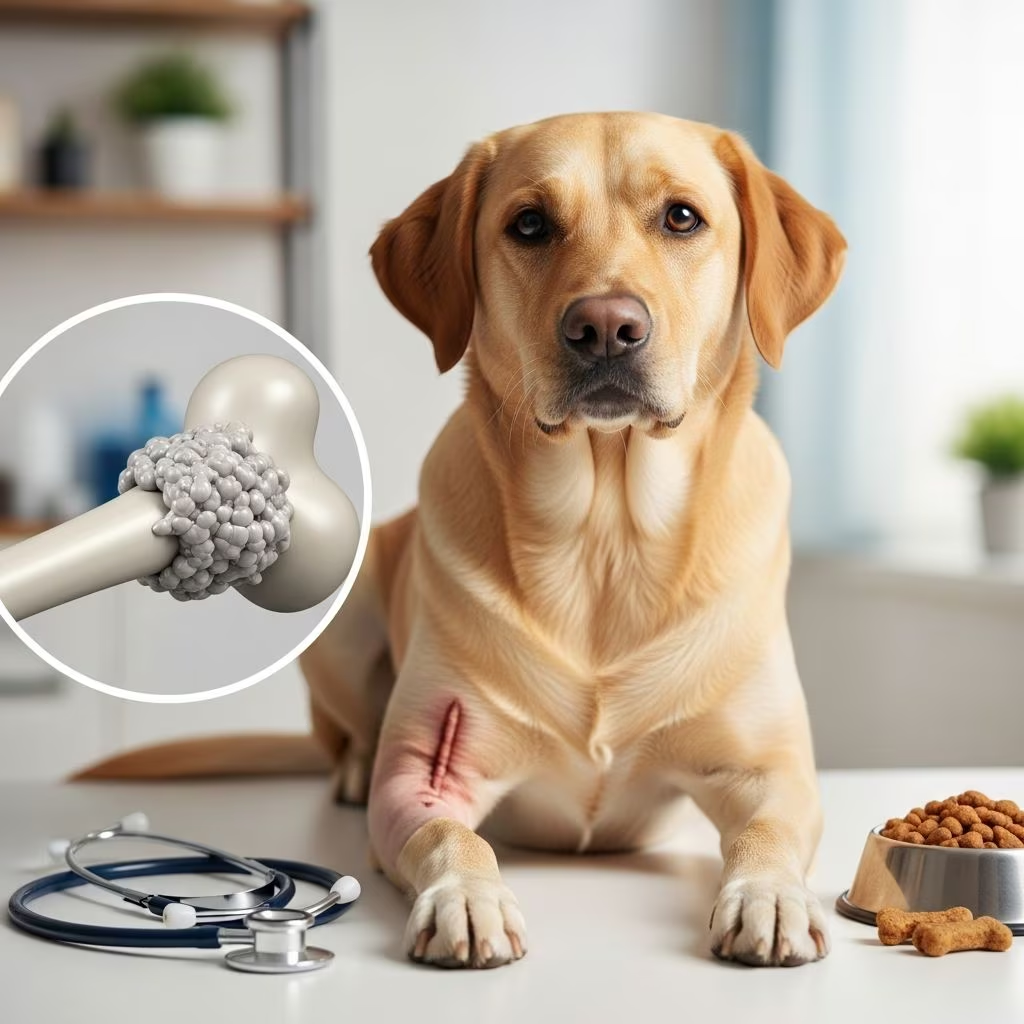
Chondrosarcoma in Dogs: Understanding This Aggressive Bone Cancer
Chondrosarcoma, commonly referred to as CSA, is a fast-spreading, malignant bone cancer that represents one of the most serious health challenges dog owners may face. This aggressive tumor is the second most common form of primary bone cancer in dogs and is typically seen most often in older and large breed dogs. Understanding this condition is essential for pet owners who want to recognize early warning signs and pursue appropriate treatment options for their beloved companions.
What is Chondrosarcoma?
Chondrosarcoma is a malignant tumor that develops from cartilage tissue and can affect various parts of a dog’s body. The tumor typically develops in the skeletal system and can occur in limb bones, the nasal cavity, ribs, and other bone structures. Unlike benign tumors, chondrosarcoma is highly aggressive and requires prompt medical intervention to prevent metastasis and further complications.
Common Symptoms of Chondrosarcoma
The symptoms of chondrosarcoma vary depending on the location of the tumor. Dog owners should be vigilant in monitoring their pets for any of the following signs:
- Pain and swelling in the affected area
- Lameness or difficulty walking if a limb is involved
- Visible bone deformity or enlargement at the tumor site
- Fractures in the affected bone without apparent injury
- Decreased appetite and lethargy
- Sneezing, difficulty breathing, and nasal discharge if the tumor is located in the nasal cavity
- Nosebleeds or bloody nasal discharge
- Upper respiratory symptoms when the tumor affects the nasal passages
Recognizing these symptoms early is crucial for timely intervention. Any dog displaying persistent lameness, unusual swelling, or respiratory difficulties should be evaluated by a veterinarian promptly.
Risk Factors and Susceptibility
While chondrosarcoma can develop in any dog, certain breeds and age groups are at higher risk. Large breed dogs are more commonly affected than smaller breeds, and the condition predominantly occurs in older dogs. Senior dogs, particularly those over seven years of age, should be monitored closely for any signs of bone tumors. Specific large breeds show increased predisposition to developing chondrosarcoma, making regular veterinary check-ups especially important for these populations.
Diagnosis of Chondrosarcoma
Proper diagnosis is essential for confirming chondrosarcoma and determining the appropriate treatment plan. The diagnostic process typically involves several steps:
Physical Examination and Initial Assessment
Your veterinarian will begin with a thorough physical examination of your dog, paying particular attention to any swelling, pain, or abnormalities in movement. They will also review your dog’s medical history and current symptoms.
Laboratory Tests
A complete blood count (CBC), serum biochemistry profile, and urinalysis will be performed to assess your dog’s overall health status and identify any systemic complications. These tests help establish a baseline before pursuing more invasive diagnostic procedures.
Cytology and Biopsy
CSA is usually initially diagnosed through cytology, which involves examining cells under a microscope. For a definitive diagnosis, a tissue biopsy is often essential and may be obtained through needle aspiration or surgical sampling. The biopsy provides definitive confirmation of the tumor type and helps guide treatment decisions.
Imaging Studies
X-rays are typically the first imaging modality used to visualize bone tumors and assess their extent. In many cases, CT scans may be recommended to provide more detailed information about the tumor’s location, size, and relationship to surrounding tissues, which is crucial for surgical planning.
Treatment Options for Chondrosarcoma
The most effective treatment for CSA is surgical removal of the tumor. Treatment decisions depend on several factors including the tumor location, size, grade, and whether metastasis has occurred. A comprehensive treatment plan should be tailored to each individual dog’s circumstances.
Surgical Intervention
Surgery is the primary treatment modality for chondrosarcoma. For tumors affecting the limbs, amputation of the affected limb is often recommended when the cancer has not metastasized. While amputation may seem drastic, dogs typically adapt remarkably well to life on three legs and can maintain excellent quality of life. For tumors affecting the ribs or other non-limb locations, surgical resection or rib resection may be performed to remove the diseased tissue.
Radiation Therapy
Radiation therapy is recommended for lesions that cannot be completely resected or removed surgically. For nasal tumors, radiation therapy is normally the treatment of choice and has shown effectiveness in prolonging survival times. Definitive radiation therapy typically entails daily treatments administered under general anesthesia for approximately four weeks. Radiation therapy is successful in controlling regrowth in over 75-80% of patients when used appropriately.
Chemotherapy Considerations
Chemotherapy has not proven effective for chondrosarcoma treatment and is typically not recommended for pets with CSA. Unlike other cancers where chemotherapy plays a significant role, the aggressive nature of chondrosarcoma and its resistance to chemotherapeutic agents make this treatment modality ineffective for improving outcomes in most cases.
Pain Management
Analgesics and pain medication are crucial components of the treatment plan and should be prescribed to manage pain and other symptoms associated with the condition. Pain management is extremely important for animals with this type of cancer and significantly improves quality of life during treatment and recovery.
Recovery and Post-Treatment Care
Following surgical treatment, your dog will require careful post-operative care to ensure proper healing and prevent complications.
Activity Restriction and Rest
After surgery, you should expect your dog to feel sore and uncomfortable. You will need to limit your dog’s activity until it heals, setting aside a quiet place for it to rest, away from windows, entryways, common areas, other pets, and active children. Crate rest may be recommended if it is difficult to control your dog’s movement. This restricted activity period is typically maintained for several weeks following surgery.
Pain and Comfort Management
Your veterinarian will prescribe appropriate painkillers to manage post-operative discomfort. These medications should be administered as directed to maintain your dog’s comfort during the recovery period. Slow walks close to home may be gradually introduced as healing progresses, but only if your dog is not in excessive pain.
Nutrition and Hydration
Nutrition is very important for swift recovery, and you will need to monitor your dog’s food and water intake while it is recovering, making sure that it is hydrated enough and is getting sufficient amounts of food, but taking care not to overfeed your dog. If your dog cannot take food on its own, your veterinarian will instruct you on the proper use of a feeding tube that can be passed down into the stomach for food administration.
Bathroom Care
Arrange for convenient outdoor access for your dog to relieve itself. If your dog is in too much pain to go outdoors to relieve itself, you will need to consider making a temporary space indoors for the interim, carrying your dog outdoors, or using a catheter as recommended by your veterinarian.
Prognosis and Survival Rates
The prognosis for chondrosarcoma varies according to many factors including the location of the tumor, its stage, and its size. Dogs with non-nasal CSA have generally better prognosis when treated with wide surgical resection. For dogs with appendicular chondrosarcoma, the survival time following limb amputation alone ranges from a median survival time of 540 days. Dogs with nasal chondrosarcoma treated with various treatments such as radiation therapy, rhinotomy, and combined approaches have reported median survival times ranging from 210 to 580 days. In cases where amputation has successfully removed the cancer with no metastasis, most dogs learn to compensate for their missing limb quickly and can go on to live a full and comfortable life.
Prevention and Risk Reduction
Due to its unclear and possibly hereditary cause, prevention is not always possible. CSA is not contagious, so you need not worry about transmitting the disease to other pets. However, maintaining a healthy lifestyle for your dog through regular exercise, proper nutrition, and routine veterinary check-ups may help support overall health and potentially catch other health issues early. For breeds with higher predisposition to bone cancers, more frequent veterinary examinations as your dog ages may be beneficial for early detection.
Managing Quality of Life
Throughout treatment and recovery, maintaining your dog’s quality of life should remain a priority. This includes effective pain management, appropriate activity levels, and emotional support. Many dogs continue to enjoy their favorite activities and maintain strong bonds with their families even after significant treatment. Your veterinarian can provide guidance on adapting your dog’s environment and activities to accommodate its changing physical abilities.
Frequently Asked Questions
Q: Is chondrosarcoma common in dogs?
A: CSA is the second most common form of primary bone tumor in dogs, particularly affecting older and large breed dogs.
Q: Can chondrosarcoma be cured?
A: While chondrosarcoma is aggressive, surgical removal offers the best chance for disease control and improved survival times. Success depends on early detection and complete tumor removal.
Q: What should I expect after amputation?
A: Most dogs adapt remarkably well to life on three legs and can maintain excellent quality of life with proper pain management and rehabilitation support.
Q: How long will my dog survive after diagnosis?
A: Survival times vary based on tumor location, size, and treatment approach, but median survival ranges from 210-580 days with appropriate treatment.
Q: Is chemotherapy effective for chondrosarcoma?
A: No, chemotherapy has not proven effective for chondrosarcoma and is typically not recommended for this cancer type.
Q: Can I prevent chondrosarcoma in my dog?
A: Prevention is not always possible due to unclear and potentially hereditary causes. Regular veterinary check-ups are important for early detection.
References
- Chondrosarcoma in Dogs – Causes, Treatment and Diagnosis — Vetster. 2025. https://vetster.com/en/conditions/dog/chondrosarcoma
- Chondrosarcoma in Dogs: Symptoms, Treatment and Prevention — Bark and Whiskers. 2016. https://www.barkandwhiskers.com/2016-11-20-nl-chondrosarcoma/
- Bone Cancer (Chondrosarcoma) in Dogs — PetMD. 2025. https://www.petmd.com/dog/conditions/cancer/c_dg_chondrosarcoma_bone
- Bone Tumors in Cats and Dogs — American College of Veterinary Surgeons (ACVS). 2025. https://www.acvs.org/small-animal/bone-tumors-in-cats-and-dogs/
- Chondrosarcoma — The National Canine Cancer Foundation. 2025. https://wearethecure.org/learn-more-about-canine-cancer/canine-cancer-library/chondrosarcoma/



