

Understanding Chondrosarcoma in Dogs
Chondrosarcoma, commonly referred to as CSA, is a malignant bone cancer that represents one of the most serious health challenges pet owners may face. This aggressive tumor develops from cartilage cells and is particularly concerning because it spreads rapidly and can metastasize to other parts of the body. Understanding this disease is crucial for early detection and effective treatment.
CSA is the second most common form of primary bone tumor in dogs and is seen most frequently in older dogs and large breed dogs. The disease typically progresses quickly, making prompt veterinary intervention essential for the best possible outcomes. While the exact cause remains unclear and may have hereditary factors, prevention is not always possible.
Symptoms and Clinical Signs
Recognizing the symptoms of chondrosarcoma is vital for early diagnosis. The clinical presentation varies depending on the tumor’s location, but several common signs should alert pet owners to seek veterinary care immediately.
Common Signs of Chondrosarcoma
The most frequently observed symptoms include:
- Localized swelling or a noticeable lump in the affected area
- Pain and lameness, particularly if the tumor affects a leg bone
- Decreased appetite and weight loss
- Difficulty moving or reluctance to engage in normal activities
- Fractures in the affected bone
Location-Specific Symptoms
When chondrosarcoma develops in the nasal cavity, dogs may exhibit respiratory symptoms such as sneezing, difficulty breathing, nasal discharge, and nosebleeds. These signs can sometimes be mistaken for common respiratory infections, but persistence warrants veterinary investigation. If the tumor affects the ribs, dogs may show signs of chest pain and difficulty breathing. The location of the tumor significantly influences both the symptoms presented and the available treatment options.
Diagnosis of Chondrosarcoma
Accurate diagnosis is essential for developing an effective treatment plan. The diagnostic process involves multiple steps to confirm the presence of chondrosarcoma and assess its extent.
Initial Diagnostic Procedures
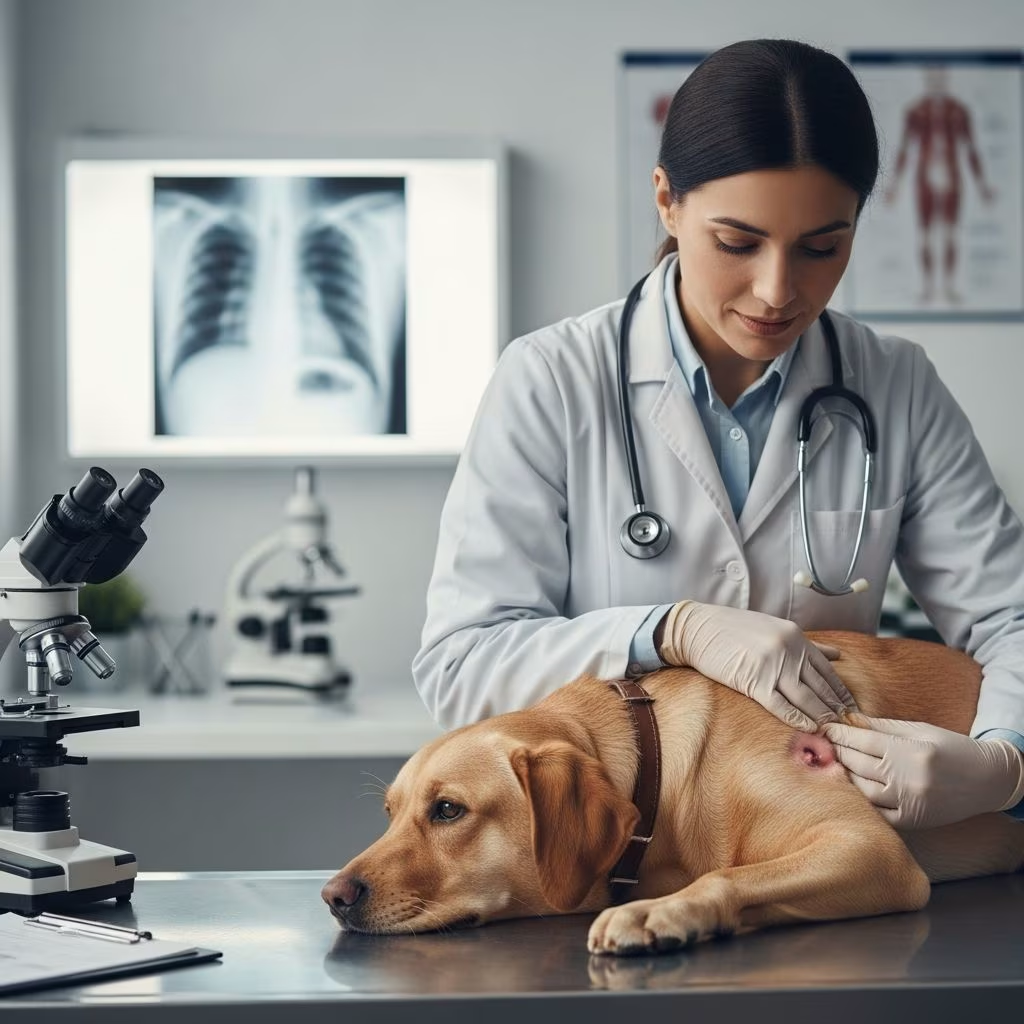
Your veterinarian will begin with a thorough physical examination, paying close attention to any lumps, swelling, or areas of pain. Laboratory tests including a complete blood count (CBC), serum biochemistry profile, and urinalysis provide important baseline information about your dog’s overall health status.
Imaging studies are crucial for diagnosis. X-rays typically reveal bone lesions characteristic of chondrosarcoma, showing areas of irregular bone destruction and tumor growth. In some cases, advanced imaging such as CT scans or MRI may be recommended to better define the tumor’s boundaries and assess whether it has spread to other areas.
Cytology and Biopsy
CSA is usually initially diagnosed through cytology, which involves examining cells from the tumor under a microscope. For a definitive diagnosis, a biopsy is often essential. During a biopsy, tissue samples are collected from the tumor and surrounding areas, including local lymph nodes, and examined histologically to confirm the presence of malignant cartilage cells and assess the tumor’s grade and extent.
Treatment Options
Treatment for chondrosarcoma depends on several factors including the tumor’s location, size, stage, and whether it has metastasized. A comprehensive treatment approach often combines multiple modalities for the best possible outcome.
Surgical Intervention
The most effective treatment for CSA is surgical removal. Wide surgical resection, where the entire tumor and a margin of healthy tissue around it are removed, offers the best chance for long-term survival. Dogs with non-nasal CSA treated with wide surgical resection generally have a better prognosis.
For tumors affecting the limbs, amputation of the affected leg is often recommended when the cancer has not metastasized. While amputation may seem drastic, dogs typically compensate remarkably well for their missing limb and can go on to live a full and comfortable life with appropriate post-operative care. When chondrosarcoma involves the ribs, surgical removal of the affected ribs and nearby lung tissue may be performed to stop the spread of the tumor.
Radiation Therapy
Radiation therapy is recommended for lesions that cannot be surgically resected or in cases where complete surgical margins cannot be achieved. This treatment involves daily radiation sessions typically administered over approximately four weeks. Radiation therapy is successful in controlling tumor regrowth in more than 75-80% of patients when used appropriately. Each treatment requires anesthesia, and follow-up imaging may be necessary to monitor response.
Chemotherapy
Chemotherapy has not proven effective for improving outcomes in cases of chondrosarcoma and is typically not recommended as a primary treatment. However, metronomic chemotherapy using daily oral medications may be considered in some cases of incompletely excised tumors to potentially delay tumor regrowth.
Pain Management
Analgesics (pain medication) are an important component of treatment and are prescribed to manage pain and other associated symptoms. Effective pain control significantly improves quality of life and allows dogs to remain more mobile during recovery. Pain management is crucial throughout the treatment process and ongoing care.
Recovery and Post-Operative Care
Following surgical treatment, proper care during the recovery period is essential for optimal healing and return to normal function.
Activity Restriction
After surgery, dogs should have their activities strictly limited while healing occurs. This typically means cage rest or confinement to a quiet space away from windows, entryways, common areas, other pets, and active children. Gradual introduction of slow, short walks close to home may be appropriate as healing progresses, but only under veterinary guidance.
Nutrition and Hydration
Nutrition is very important for swift recovery. Monitor your dog’s food and water intake carefully to ensure adequate hydration and sufficient caloric intake without overfeeding. If your dog cannot eat on its own, your veterinarian will provide instructions on using a feeding tube for proper nutrition administration.
Monitoring for Complications
Most veterinarians recommend follow-up examinations every three months to check for recurrence or spread of the tumor. Watch for signs of pain, swelling, or changes in mobility, and report any concerns to your veterinarian immediately.
Prognosis and Survival Rates
The prognosis for chondrosarcoma varies according to many factors including the tumor’s location, stage, and size. Dogs treated with amputation for appendicular (limb) chondrosarcoma show a median survival time of approximately 540 days. For nasal chondrosarcoma, the reported median survival ranges from 210 to 580 days with various treatments including radiation therapy and surgical intervention. The best outcomes occur when the tumor is detected early and completely removed before metastasis occurs.
Frequently Asked Questions
Q: Is chondrosarcoma in dogs contagious?
A: No, chondrosarcoma is not contagious. It is a malignant tumor that develops from the dog’s own cartilage cells and cannot be spread to other dogs.
Q: Can chondrosarcoma be prevented?
A: Due to its unclear etiology and possibly hereditary nature, prevention is not always possible. There are no proven preventive measures, though maintaining a healthy weight and providing appropriate exercise may support overall bone health.
Q: How long can a dog live after amputation for chondrosarcoma?
A: Dogs that have had successful amputation with no metastasis show a median survival of approximately 540 days. However, individual outcomes vary, and many dogs live comfortably for extended periods after surgery.
Q: What is the success rate of radiation therapy for chondrosarcoma?
A: Radiation therapy is successful in controlling tumor regrowth in more than 75-80% of patients when used as a definitive or adjunctive treatment for inoperable or incompletely excised tumors.
Q: Should my dog receive chemotherapy for chondrosarcoma?
A: Traditional chemotherapy is typically not recommended for chondrosarcoma as it has not proven effective in improving outcomes. Your veterinarian may discuss alternative options based on your dog’s specific situation.
Q: How will my dog function after limb amputation?
A: Most dogs adapt remarkably well to amputation and learn to compensate for their missing limb. With proper rehabilitation and post-operative care, many dogs return to near-normal activity levels and maintain an excellent quality of life.
References
- Bone Tumors in Cats and Dogs — American College of Veterinary Surgeons (ACVS). Accessed 2025-11-28. https://www.acvs.org/small-animal/bone-tumors-in-cats-and-dogs/
- Chondrosarcoma — The National Canine Cancer Foundation (We Are The Cure). Accessed 2025-11-28. https://wearethecure.org/learn-more-about-canine-cancer/canine-cancer-library/chondrosarcoma/
- Bone Cancer (Chondrosarcoma) in Dogs — PetMD Editorial. Accessed 2025-11-28. https://www.petmd.com/dog/conditions/cancer/c_dg_chondrosarcoma_bone
- Chondrosarcoma in Dogs – Causes, Treatment and Prevention — Vetster. Accessed 2025-11-28. https://vetster.com/en/conditions/dog/chondrosarcoma
- Medical Oncology: Canine Soft Tissue Sarcoma — NC State College of Veterinary Medicine, Veterinary Hospital. Accessed 2025-11-28. https://hospital.cvm.ncsu.edu/services/small-animals/cancer-oncology/oncology/canine-soft-tissue-sarcoma/



