

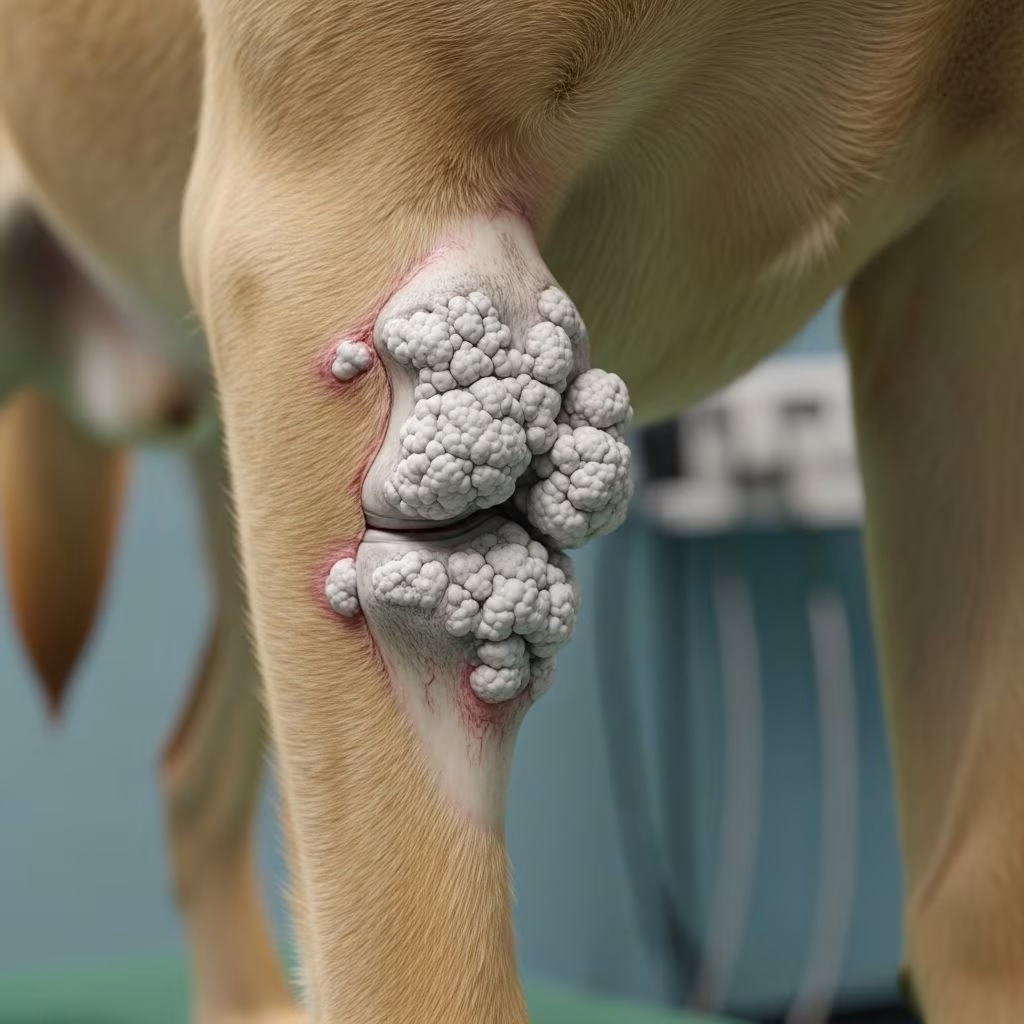
Chondrosarcoma represents a rare yet aggressive form of bone cancer in dogs, originating from cartilage cells and primarily impacting larger breeds in their senior years. Unlike more prevalent bone tumors like osteosarcoma, this malignancy spreads more slowly but demands prompt intervention to optimize outcomes.
Understanding the Nature of Chondrosarcoma
This cancer develops when cartilage-producing cells undergo malignant transformation, forming tumors that erode bone structure. It ranks as the second most common primary skeletal neoplasm in canines, though its overall incidence remains low. Sites of origin typically include flat bones such as ribs, pelvis, or skull, with axial skeleton involvement more frequent than appendicular (limb) locations. The tumor’s cartilaginous matrix gives it a distinct radiographic appearance, often described as having a “popcorn” texture due to calcified regions.
While the precise etiology eludes researchers, potential hereditary factors suggest genetic predispositions in certain breeds. No definitive environmental triggers have been identified, and the condition proves non-contagious. Large and giant breeds, including Great Danes, Boxers, and German Shepherds, face elevated risk, alongside age-related susceptibility peaking beyond eight years.
Recognizing Early Warning Signs
Dogs with chondrosarcoma often exhibit subtle initial symptoms that intensify over time. Common indicators vary by tumor location:
- Limb involvement: Progressive lameness, reluctance to bear weight, visible swelling, or pathological fractures from bone weakening.
- Rib or axial skeleton: Palpable masses, respiratory distress if lungs compress, or localized pain eliciting yelps during touch.
- Nasal or skull cavities: Persistent sneezing, bloody or purulent nasal discharge, facial deformity, or obstructed breathing.
Systemic signs like lethargy, appetite loss, and weight decline emerge as the disease advances or metastasizes. Owners frequently note their dog’s diminished activity levels and intermittent whining indicative of discomfort. Early vigilance proves crucial, as timely detection correlates with superior treatment success.
Diagnostic Approaches for Confirmation
Veterinarians employ a multi-modal strategy to diagnose chondrosarcoma accurately. Initial assessments include:
- Comprehensive physical examination focusing on skeletal abnormalities and lymph node evaluation.
- Blood work: Complete blood count, serum biochemistry, and urinalysis to assess overall health and rule out concurrent issues.
- Imaging: Radiographs reveal characteristic chondroid mineralization and bone lysis; advanced CT or MRI delineate tumor extent and metastasis.
Cytology via fine-needle aspiration offers preliminary insights, but histopathology from biopsy remains the gold standard for definitive identification, distinguishing it from osteosarcoma or other sarcomas. Staging surveys, including thoracic radiographs and abdominal ultrasound, screen for distant spread, which occurs in approximately 10-20% of cases at diagnosis.
Primary Treatment Modalities
Surgical excision stands as the cornerstone of therapy, aiming for wide margins to prevent local recurrence. Tailored interventions include:
| Tumor Location | Surgical Option | Success Rate Insight |
|---|---|---|
| Limb | Amputation or limb-sparing with allograft | High local control if margins clean |
| Ribs | En bloc resection with lung lobe if invaded | Median survival 540 days post-op |
| Nasal/Skull | Palliative or rhinotomy rarely curative | Radiation preferred |
| Pelvis/Flat Bones | Limb-sparing or hemipelvectomy | Variable based on resectability |
For unresectable tumors, radiation therapy—particularly stereotactic or palliative protocols—provides tumor control and pain palliation, extending survival by months. Chemotherapy demonstrates limited efficacy against chondrosarcoma, unlike osteosarcoma, and rarely forms part of standard regimens.
Pain Management and Supportive Care
Chronic pain profoundly affects quality of life, necessitating multimodal analgesia. Protocols typically combine:
- Non-steroidal anti-inflammatories (NSAIDs) for baseline control.
- Opioids like tramadol for breakthrough pain.
- Neuropathic agents such as gabapentin.
- Bisphosphonates (e.g., pamidronate) targeting bone-specific discomfort.
Post-surgical recovery demands strict rest, often crate confinement for 4-6 weeks, with gradual reintroduction to leashed walks. Nutritional support emphasizes balanced intake to prevent cachexia; hydration monitoring proves essential.
Prognostic Factors and Survival Expectations
Outcomes hinge on tumor location, size, grade, and metastatic status. Non-nasal appendicular or rib tumors resected cleanly boast favorable prognoses, with many dogs surviving over a year, some exceeding three years. Nasal chondrosarcomas carry graver outlooks, averaging 210-580 days despite radiation.
Absence of metastasis at diagnosis markedly improves odds; clean surgical margins further enhance local control. Regular follow-ups every 3 months, incorporating imaging and bloodwork, facilitate early recurrence detection.
Holistic and Integrative Strategies
Complementary approaches augment conventional care, focusing on immune modulation and metabolic disruption. Recommendations include:
- Ketogenic diet: High-fat, low-carbohydrate formulations starve glucose-dependent cancer cells.
- Herbal supplements: Turmeric (curcumin), medicinal mushrooms, and Chinese formulas like Hoxsey for anti-inflammatory effects.
- Nutraceuticals: Omega-3 fatty acids and antioxidants to mitigate oxidative stress.
While evidence remains anecdotal, these interventions support vitality and may impede progression. Consult oncology-specialized veterinarians before implementation.
Living with a Diagnosis: Owner Guidance
Receiving a chondrosarcoma diagnosis evokes emotional turmoil; support networks and palliative consultations aid coping. Amputee dogs remarkably adapt, often resuming active lifestyles within weeks via prosthetic considerations or physical therapy. Monitor for recurrence signs like renewed lameness or respiratory changes, prompting immediate veterinary contact.
Prevention eludes direct measures given idiopathic origins, but routine senior wellness exams with skeletal radiographs aid early interception. Genetic screening in predisposed breeds may evolve as research advances.
Frequently Asked Questions (FAQs)
What breeds are most prone to chondrosarcoma?
Large breeds like Great Danes, Boxers, and Rottweilers show higher incidence, particularly past middle age.
Can chondrosarcoma be cured?
Complete surgical removal offers potential cure in non-metastatic, resectable cases, with long-term survival documented.
Is chemotherapy useful?
No, it lacks proven benefit for this tumor type, unlike osteosarcoma.
How quickly does it spread?
Metastasis occurs in 10-20% at diagnosis, slower than osteosarcoma, primarily to lungs.
What is the cost of treatment?
Varies widely; amputation ~$2,000-$5,000, radiation $4,000-$10,000, plus supportive care (consult local vets).
Chondrosarcoma challenges canine companions, yet advances in surgery and palliation afford meaningful extensions of joyful lives. Collaborate closely with veterinary oncologists to tailor individualized plans.
References
- Chondrosarcoma in Dogs – Causes, Treatment and … – Vetster — Vetster. 2023. https://vetster.com/en/conditions/dog/chondrosarcoma
- Chondrosarcoma in Dogs: Symptoms, Treatment and Prevention — Bark and Whiskers. 2016-11-20. https://www.barkandwhiskers.com/2016-11-20-nl-chondrosarcoma/
- Bone Cancer (Chondrosarcoma) in Dogs – PetMD — PetMD. 2023. https://www.petmd.com/dog/conditions/cancer/c_dg_chondrosarcoma_bone
- Signs of Bone Cancer in Dogs & How It’s Treated | Ankeny Vets — CCV Ankeny. 2022-09-20. https://www.ccvhankeny.com/site/blog/2022/09/20/signs-bone-cancer-dogs-treatment
- Chondrosarcoma | The National Canine Cancer Foundation — National Canine Cancer Foundation. 2023. https://wearethecure.org/learn-more-about-canine-cancer/canine-cancer-library/chondrosarcoma/
- EP 89: Chondrosarcoma in Pets: Diagnosis, Treatment, and Prognosis — YouTube (Veterinary Podcast). 2023. https://www.youtube.com/watch?v=EbEehf6YO7A



