
Cholecalciferol Vitamin D3 Rodenticide Poisoning in Pets
Understanding cholecalciferol poisoning in pets: symptoms, diagnosis, and emergency treatment.
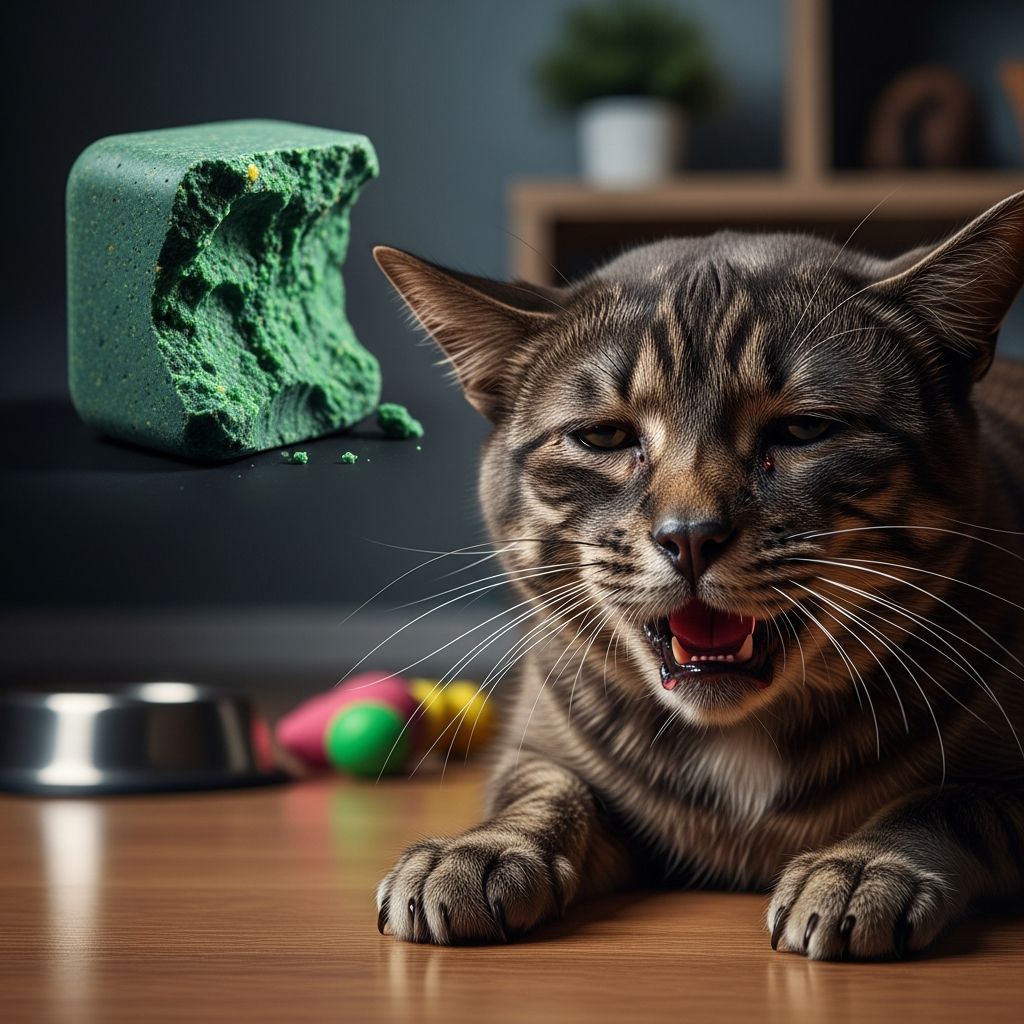
Understanding Cholecalciferol Vitamin D3 Rodenticide Poisoning
Cholecalciferol, commonly known as vitamin D3, is an essential vitamin that plays a critical role in regulating calcium and phosphorus metabolism throughout the body. While vitamin D3 is vital for maintaining healthy bones, supporting muscle function, facilitating nervous system communication, and bolstering immune system responses, excessive exposure to this compound can lead to severe poisoning in pets. This comprehensive guide explores the dangers of cholecalciferol toxicity, its symptoms, diagnostic methods, and treatment protocols.
What is Cholecalciferol?
Vitamin D exists in two primary forms: vitamin D2 (ergocalciferol), which is produced by plants, fungi, and yeasts, and vitamin D3 (cholecalciferol), which is produced by animals. In healthy animals, vitamin D3 is typically synthesized by the body when exposed to sunlight, though it is also found naturally in various food sources. Dogs, in particular, acquire most of their vitamin D through their diet, with UV-mediated production in the skin serving a relatively insignificant role compared to dietary intake.
The primary function of vitamin D3 is to regulate the absorption of calcium and phosphorus from the gastrointestinal tract and to control the excretion of these minerals through the kidneys. This delicate balance is essential for maintaining proper bone density, muscle contractility, and overall cellular function.
How Cholecalciferol Poisoning Occurs
Cholecalciferol poisoning in pets most commonly occurs through ingestion of rodenticides (rat and mouse poisons) that contain high concentrations of vitamin D3. These rodenticides are formulated with excessive amounts of cholecalciferol specifically designed to cause toxicity in rodents by elevating calcium levels to lethal concentrations. Unfortunately, pets can inadvertently consume these toxic products through direct ingestion of the poison itself or by eating rodents that have consumed the rodenticide.
Additionally, poisoning can result from pets consuming supplements containing excessive amounts of vitamin D3, or in rare cases, from defective pet food formulations that contain abnormally high concentrations of cholecalciferol. Each exposure presents a different risk level depending on the amount of vitamin D3 ingested and the size and species of the pet.
The Mechanism of Toxicity
When consumed in high doses, vitamin D3 becomes toxic because it triggers excessive absorption of calcium and phosphorus from both the bones and the gastrointestinal tract. Simultaneously, the kidneys fail to excrete these minerals adequately, leading to their accumulation in the bloodstream. This results in two primary conditions: hypercalcemia (abnormally elevated calcium levels in the blood) and hyperphosphatemia (abnormally elevated phosphorus levels in the blood).
The optimal concentration of vitamin D metabolites (25-hydroxyvitamin D3) for proper immune system function and endocrine pathway performance, such as insulin regulation, is approximately 30 ng/mL. When vitamin D3 levels exceed safe thresholds, the body’s regulatory mechanisms become overwhelmed, leading to severe metabolic imbalances and tissue damage.
Clinical Signs and Symptoms
One of the most concerning aspects of cholecalciferol poisoning is that serious clinical signs may not appear for several days after ingestion. This delayed onset makes early detection challenging and underscores the importance of immediate veterinary intervention if pet owners suspect their animal has consumed rodenticide or excessive vitamin D3 supplements.
Early symptoms (within the first 24 hours) may include:
– Anorexia (loss of appetite)- Vomiting- Lethargy and decreased activity levels- Increased thirst (polydipsia)- Increased urination (polyuria)- General malaise and depression
Later symptoms (appearing days after exposure) may include:
– Weakness and muscle atrophy- Constipation- Kidney dysfunction- Calcification of soft tissues- Cardiac arrhythmias- Neurological symptoms in severe cases- Gastroenteritis with severe vomiting and diarrhea
Diagnostic Procedures
Veterinarians employ several diagnostic methods to confirm cholecalciferol poisoning and assess the severity of the condition. A thorough history from the pet owner regarding potential exposure to rodenticides, supplements, or unusual foods is the first step in diagnosis.
Laboratory Tests: Blood work is essential for confirming cholecalciferol toxicity. Veterinarians will measure serum calcium levels, phosphorus concentrations, and kidney function parameters including blood urea nitrogen (BUN) and creatinine. Elevated serum calcium levels in conjunction with a known or suspected history of cholecalciferol exposure typically confirms the diagnosis. The 25-hydroxyvitamin D3 level can also be measured to directly assess vitamin D status.
Radiographic Imaging: X-rays may reveal mineralization of soft tissues, including the lungs, kidneys, blood vessels, and gastric walls. These deposits of calcium and phosphorus in abnormal locations indicate the severity and progression of the toxicity. In some cases, increased radiopacity (brightness on X-rays) of bone may also be visible.
Ultrasound: Abdominal ultrasonography can reveal kidney changes such as reduced corticomedullary distinction and fluid accumulation in the renal pelvis (pyelectasis). Gastrointestinal changes including inflammation of the small intestine and enlargement of the spleen may also be detected.
Electrocardiography: In cases where cardiac involvement is suspected, an ECG may be performed to assess heart rhythm abnormalities caused by severe hypercalcemia.
Treatment Protocols
Treatment of cholecalciferol poisoning focuses on removing the source of toxicity, managing hypercalcemia, preventing kidney damage, and providing supportive care. The specific treatment approach depends on the severity of the poisoning and the time elapsed since exposure.
Decontamination: If the pet is presented shortly after ingestion and is not vomiting, gastric decontamination through induced vomiting or gastric lavage may be performed. Activated charcoal administration can help bind remaining vitamin D3 in the gastrointestinal tract and reduce absorption.
Dietary Management: Withdrawal of the contaminated food or rodenticide is the first critical step. Switching to a diet low in calcium and vitamin D helps prevent further accumulation of these minerals in the body.
Medical Management: Intravenous fluid therapy is often necessary to promote renal excretion of calcium and phosphorus and to correct dehydration. Medications commonly used include:
– Sucralfate to protect the gastrointestinal tract- Corticosteroids (such as prednisolone) to reduce inflammation and modulate immune responses- Omeprazole to reduce gastric acid production and prevent ulceration- In some cases, calcitonin may be administered to decrease serum calcium levels
Monitoring: Pets require close monitoring during the acute phase with serial blood work to assess calcium, phosphorus, and kidney function. Some animals may require ongoing treatment for extended periods, as vitamin D3 is fat-soluble and can be metabolized slowly over weeks to months.
Long-term Prognosis and Complications
The prognosis for cholecalciferol poisoning depends on the amount ingested, the time elapsed before treatment, and the presence of secondary complications. Early detection and aggressive treatment significantly improve survival rates.
However, soft tissue mineralization that occurs during the acute phase is minimally reversible and can lead to permanent organ structural damage. The kidneys are particularly vulnerable, and chronic kidney disease can develop even after apparent recovery from acute toxicity. Some animals may continue to exhibit elevated serum calcium levels for more than a month following withdrawal of the toxic source, requiring extended monitoring and management.
Due to the fat solubility of vitamin D3, the compound accumulates in adipose (fat) tissue and is metabolized slowly, meaning the poisoning effects can persist and potentially worsen even after the initial exposure has ceased.
Prevention Strategies
Preventing cholecalciferol poisoning is far more effective than treating it. Pet owners should implement the following protective measures:
– Store all rodenticides and rodent baits in secure locations inaccessible to pets- Use rodent control methods that do not involve cholecalciferol-based products when possible- Keep vitamin D3 supplements stored safely away from pets- Monitor pet food for recalls related to excessive vitamin D content- Supervise outdoor time to prevent pets from consuming poisoned rodents- Consult veterinarians before administering any supplements containing vitamin D3- Maintain current contact information for emergency veterinary clinics and poison control centers
Frequently Asked Questions
Q: How quickly does cholecalciferol poisoning develop in pets?
A: Serious signs may not appear for several days following exposure. Early symptoms like anorexia and lethargy can occur within 24 hours, but the most severe complications typically develop over the course of multiple days as calcium levels accumulate in the blood and tissues.
Q: Can a pet recover completely from cholecalciferol poisoning?
A: With early treatment, many pets recover from the acute phase of poisoning. However, soft tissue mineralization that occurs during the acute phase is often irreversible and can lead to permanent organ damage, particularly to the kidneys. Long-term management and monitoring are frequently necessary.
Q: Is there a specific antidote for cholecalciferol poisoning?
A: There is no specific antidote for cholecalciferol poisoning. Treatment is supportive and focuses on removing the source, managing hypercalcemia through fluid therapy and medications, and protecting organ function during recovery.
Q: How long does it take for vitamin D3 to leave a pet’s body after poisoning?
A: Because vitamin D3 is fat-soluble, it accumulates in adipose tissue and is metabolized slowly over weeks to months, meaning the poisoning effects can persist for an extended period even after removal of the toxin source.
Q: What should I do if I suspect my pet has ingested a rodenticide containing cholecalciferol?
A: Contact your veterinarian or an emergency animal poison control center immediately. Provide information about the product ingested, the estimated amount, and the time of ingestion. Do not wait for symptoms to develop before seeking professional help.
Q: Are certain pets more susceptible to cholecalciferol poisoning?
A: Younger pets and smaller animals may be more severely affected by the same dose of cholecalciferol compared to larger or older animals. Additionally, breeds or individuals with underlying kidney disease may be at higher risk for complications.
Q: Can dietary vitamin D supplementation lead to poisoning?
A: Yes, excessive vitamin D3 supplementation can lead to poisoning. Pet owners should only administer supplements under veterinary supervision and should never exceed recommended dosages. In research studies, even five times the recommended oral dosage of cholecalciferol can lead to measurable increases in vitamin D metabolites within weeks.
References
- Determination of the fate of Cholecalciferol injected by the basis of plasma 25-hydroxyvitamin D3 concentration in cattle — Nature. 2023-02-28. https://www.nature.com/articles/s41598-023-29870-9
- Cholecalciferol Vitamin D3 Rodenticide Poisoning — VCA Animal Hospitals. 2024. https://vcahospitals.com/know-your-pet/cholecalciferol-vitamin-d3-rodenticide-poisoning
- Case Report: A Case Series Linked to Vitamin D Excess in Pet Food — Frontiers in Veterinary Science. 2021-09-07. https://www.frontiersin.org/journals/veterinary-science/articles/10.3389/fvets.2021.707741/full
- Vitamin D Poisoning in Dogs — VCA Animal Hospitals. 2024. https://vcahospitals.com/know-your-pet/vitamin-d-poisoning-in-dogs
- Vitamin D Poisoning in Cats — VCA Animal Hospitals. 2024. https://vcahospitals.com/know-your-pet/vitamin-d-poisoning-in-cats
- The Importance of Vitamin D in Canine Health — DVM360. 2024. https://www.dvm360.com/view/the-importance-of-vitamin-d-in-canine-health
- Oral vitamin D supplementation at five times the recommended dosage — PubMed Central. 2015-09-18. https://pmc.ncbi.nlm.nih.gov/articles/PMC4976120/
Similar Articles








Read full bio of medha deb


