

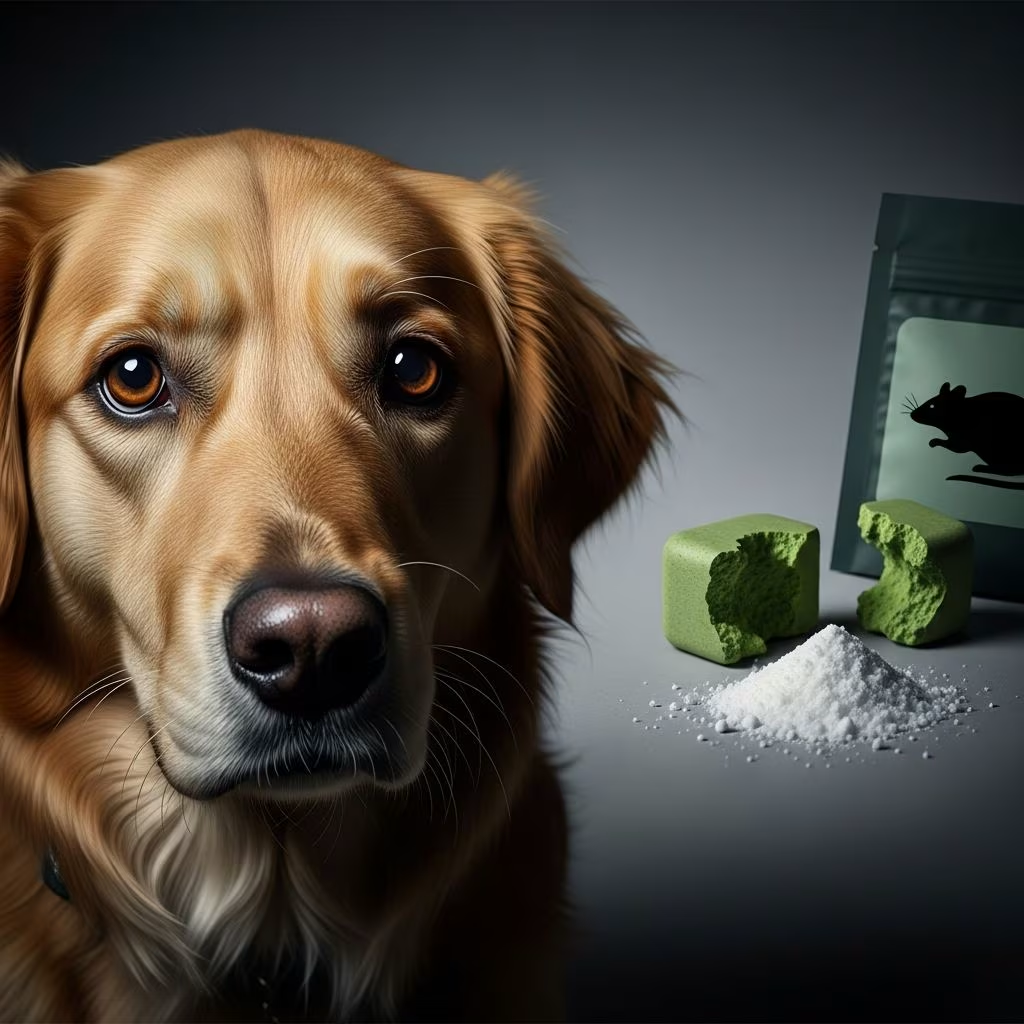
Understanding Cholecalciferol Vitamin D3 Rodenticide Poisoning
Due to EPA regulations that restrict anticoagulant rodenticides, cholecalciferol (vitamin D3) has become increasingly common as a residential rodenticide option. This type of rodenticide is commonly found in soft baits and pellets, with hard blocks occasionally available through online sources, agricultural stores, and pest control services. While cholecalciferol may appear to be a safer alternative compared to anticoagulants, the reality is far more concerning: there is no antidote available for this poison, and the amount contained in a single block represents a severe overdose in nearly all animals.
What Makes Cholecalciferol So Dangerous?
Cholecalciferol, commonly known as vitamin D3, plays an essential role in the body by helping to regulate calcium and phosphorus levels. Under normal circumstances, the body synthesizes vitamin D3 when exposed to sunlight, and it is also found naturally in various food sources. However, when ingested in high doses—particularly those found in rodenticide products—cholecalciferol becomes extremely toxic.
The primary source of exposure to cholecalciferol in dogs and cats is ingestion of rodenticide baits with vitamin D3 as the active ingredient. Other sources include human medications and, rarely, contaminated pet food. The danger lies in the fact that even relatively small amounts can cause life-threatening reactions. Deaths have been documented with individual exposures as low as 2 micrograms per kilogram in dogs.
How Cholecalciferol Poisoning Develops
When cholecalciferol is ingested in toxic doses, it triggers a cascade of harmful effects throughout the body. High doses of vitamin D3 result in overactive absorption of calcium and phosphorus from both the bones and gastrointestinal tract, while simultaneously decreasing excretion through the kidneys. This dual mechanism creates a dangerous situation where calcium and phosphorus levels become severely elevated.
The Mechanism of Toxicity
This process leads to severe hypercalcemia (elevated calcium levels in blood) and hyperphosphatemia (elevated phosphorus levels in blood). When left untreated, this condition causes mineralization in soft tissues throughout the body, including the kidneys, heart and vasculature, lungs, and stomach. The cholecalciferol and its metabolite, calcifediol, persist in the body for weeks, which explains why prolonged treatment is necessary even after initial poisoning.
Peak concentrations of calcitriol are reached after 48–96 hours following ingestion, accounting for some delay in both clinical signs and laboratory changes. This delayed onset can be deceptive, as owners may not immediately recognize that poisoning has occurred.
Clinical Signs and Symptoms
Early Warning Signs
Dogs with excess vitamin D may display several warning signs including vomiting, decreased appetite, increased drinking and urination, excessive drooling, and weight loss. These initial symptoms often appear mild but warrant immediate veterinary attention.
Severe Complications
If cholecalciferol poisoning progresses without treatment, kidney failure becomes the most common outcome. However, other serious consequences can develop, including:
– Gastrointestinal ulceration- Cardiac arrhythmias- Respiratory distress- Cardiovascular abnormalities- Widespread tissue mineralization- Acute kidney failure
Emergency Treatment Protocol
Immediate Decontamination
If a pet has ingested cholecalciferol, immediate decontamination is critical to reduce the amount of toxin absorbed into the bloodstream. Vomiting should be induced as quickly as possible, either by your veterinarian or under their direct guidance. Induction of emesis is most effective when performed within 4 hours of ingestion.
In dogs, vomiting can be induced using apomorphine, ropinirole, or hydrogen peroxide. In cats, dexmedetomidine, hydromorphone, or xylazine are preferred options.
Advanced Decontamination Measures
Further decontamination includes the administration of medical-grade activated charcoal. The dosage depends on the estimated cholecalciferol dose: for doses of 0.1–0.5 mg/kg, a single dose of activated charcoal (1–2 g/kg, administered orally as an aqueous slurry) with a cathartic is recommended.
A drug called cholestyramine, which is a bile acid binding agent, is also utilized. Since cholecalciferol is metabolized in the liver, some of it will be returned to the digestive tract via bile before being reabsorbed. Cholestyramine binds to these toxin-bound bile acids and prevents their reabsorption, significantly reducing the body’s total toxic load.
Monitoring and Supportive Care
Serum calcium, phosphorus, and kidney values must be monitored daily during the acute phase of poisoning. Reassuring news exists for pet owners: toxicity is not expected if calcium levels remain normal by day 3-4 post-ingestion. Patients that remain clinically normal and maintain stable and normal calcium and phosphorus values 72–96 hours after ingestion would not be expected to develop clinical signs or changes associated with toxicosis.
Advanced Medical Treatments
Bisphosphonate Therapy
The most effective treatment for cholecalciferol poisoning involves bisphosphonate drugs. Bisphosphonates such as pamidronate or zolendronate work by blocking calcium resorption from bone, directly addressing the root cause of hypercalcemia. These medications will lower serum calcium levels within 24-48 hours of administration. Most patients respond to a single intravenous dose with notably lower calcium concentrations within 1–3 days.
For dogs, pamidronate is typically administered at 1.3-2 mg/kg, diluted in 0.9% saline and given over 2-4 hours intravenously. In cats, the dosage is 1-2 mg/kg administered intravenously over 4 hours. In some cases, repeat dosing is required as calcium levels rebound due to the continued presence and metabolism of cholecalciferol in the body.
Corticosteroid Administration
Corticosteroids play an important supportive role in treatment. Prednisone is administered to dogs at 1 mg/kg orally every 12 hours, while prednisolone is used in cats at the same dosage. These medications work by decreasing calcium absorption from the gut and bone while simultaneously enhancing excretion through the kidneys. Dosing is gradually tapered as calcium concentration improves.
Symptomatic and Supportive Therapies
Antiemetics are frequently prescribed to manage nausea and vomiting. Maropitant can be given to dogs at 1 mg/kg subcutaneously every 24 hours or 2 mg/kg orally every 24 hours, while cats receive 1 mg/kg subcutaneously or orally every 24 hours. Metoclopramide is another option, administered at 0.25-0.5 mg/kg intravenously, intramuscularly, subcutaneously, or orally every 12 hours.
Fluid therapy and continued symptomatic care are essential if kidney damage or other soft tissue mineralization develops. The duration and intensity of treatment depend on the severity of the initial poisoning and the individual pet’s response to therapy.
Long-Term Management and Recovery
Extended Treatment Duration
Unlike some forms of poisoning that resolve relatively quickly, cholecalciferol toxicity requires ongoing therapy for months even after pets are discharged from the hospital. This extended treatment period is necessary because cholecalciferol and its metabolites persist in the body for weeks, continuing to cause metabolic disruption.
Follow-Up Monitoring
Regular veterinary follow-up appointments are critical during recovery. Blood work to monitor calcium, phosphorus, and kidney function values should be performed as directed by your veterinarian. Some pets may require repeated bisphosphonate treatments if calcium levels rebound despite initial therapy.
Diet and Lifestyle Considerations
During recovery, dietary modifications may be recommended to reduce calcium intake. Your veterinarian may suggest a therapeutic diet formulated for animals with kidney or mineral metabolism concerns. Maintaining appropriate hydration through adequate water consumption is also important for supporting kidney function during the recovery period.
Prevention and Risk Reduction
Securing Rodenticide Products
The most effective prevention strategy is to keep all rodenticide products securely stored in locations inaccessible to pets. Store products in locked cabinets or storage containers, preferably in areas where pets cannot gain access even if unsupervised.
Pet-Safe Alternatives
Consider using alternative pest control methods that do not pose a risk to pets. Professional pest control services can often implement targeted strategies that minimize exposure risk to companion animals. If rodenticide use is necessary, consult with pest control professionals about pet-safe placement options.
Vitamin D Supplement Safety
Even human vitamin D3 supplements become toxic at high doses and can poison pets through the same mechanism. Store all vitamin supplements, medications, and over-the-counter products out of reach of pets. Be especially cautious with prescription-strength vitamin D products.
When to Seek Immediate Veterinary Care
If you suspect your pet may have ingested cholecalciferol bait or vitamin D3, seek treatment immediately. Do not wait for symptoms to develop. Time is critical—decontamination within the first 4 hours is significantly more effective than delayed treatment. Even if you are uncertain whether poisoning has occurred, it is far better to err on the side of caution and contact your veterinarian or emergency animal hospital right away.
Frequently Asked Questions
Q: How much cholecalciferol is toxic to pets?
A: Toxicity can develop with very small amounts ingested—approximately 1 tablespoon of bait for a 40-pound dog is sufficient to cause severe poisoning. Even smaller amounts can be dangerous for smaller pets.
Q: Is there an antidote for cholecalciferol poisoning?
A: No antidote exists for cholecalciferol poisoning. Treatment focuses on decontamination, supportive care, and medications to manage elevated calcium and phosphorus levels, particularly bisphosphonates.
Q: How long does recovery take?
A: Recovery varies depending on the severity of poisoning and the pet’s response to treatment. Many pets require ongoing therapy for months even after hospital discharge due to the persistence of cholecalciferol metabolites in the body.
Q: Can cats be poisoned by cholecalciferol?
A: Yes, cats are susceptible to cholecalciferol poisoning through the same mechanism as dogs. Severe cholecalciferol poisoning has been reported in cats, though doses ingested are often unknown in case reports.
Q: What are the signs my pet might have been poisoned?
A: Early signs include vomiting, decreased appetite, increased drinking and urination, excessive drooling, and weight loss. If you suspect poisoning, contact your veterinarian immediately rather than waiting for severe symptoms to develop.
Q: Is bisphosphonate treatment always effective?
A: Bisphosphonates are highly effective at lowering calcium levels, typically within 24-48 hours. However, some patients may require repeat doses as calcium levels rebound due to continued cholecalciferol metabolism. Your veterinarian will monitor blood work to determine if additional treatment is needed.
Q: Can I use activated charcoal at home before reaching the vet?
A: While activated charcoal is part of professional decontamination protocols, it should be administered under veterinary guidance. Focus first on inducing vomiting if within 4 hours of ingestion, then transport your pet to the veterinarian immediately. Do not delay seeking professional care.
References
- Cholecalciferol (Vitamin D3) Poisoning in Animals – Toxicology — Merck Veterinary Manual. 2024. https://www.merckvetmanual.com/toxicology/rodenticide-poisoning/cholecalciferol-vitamin-d3-poisoning-in-animals
- Cholecalciferol — PubMed/National Institutes of Health. 2013. https://pubmed.ncbi.nlm.nih.gov/23796485/
- Vitamin D Toxicity in Dogs — U.S. Food and Drug Administration. 2024. https://www.fda.gov/animal-veterinary/animal-health-literacy/vitamin-d-toxicity-dogs
- Cholecalciferol – A Different Rodenticide Toxicity — Advanced Veterinary Specialists. 2024. https://www.avs4pets.com/blog/cholecalciferol-a-different-rodenticide-toxicity
- Rodenticide and Your Pet: What You Need to Know — ASPCA. 2024. https://www.aspca.org/news/rodenticide-and-your-pet-what-you-need-know
- Emergency Treatment of Cholecalciferol Rodenticide Poisoning — Veterinary Poisons Information Service. 2021. https://www.vpisglobal.com/wp-content/uploads/2021/04/Vitamin-D-toxicosis-for-vets-paper-FINAL.pdf
- Rat Poisoning in Dogs — PetMD. 2024. https://www.petmd.com/dog/poisoning/rat-poisoning-dogs



