

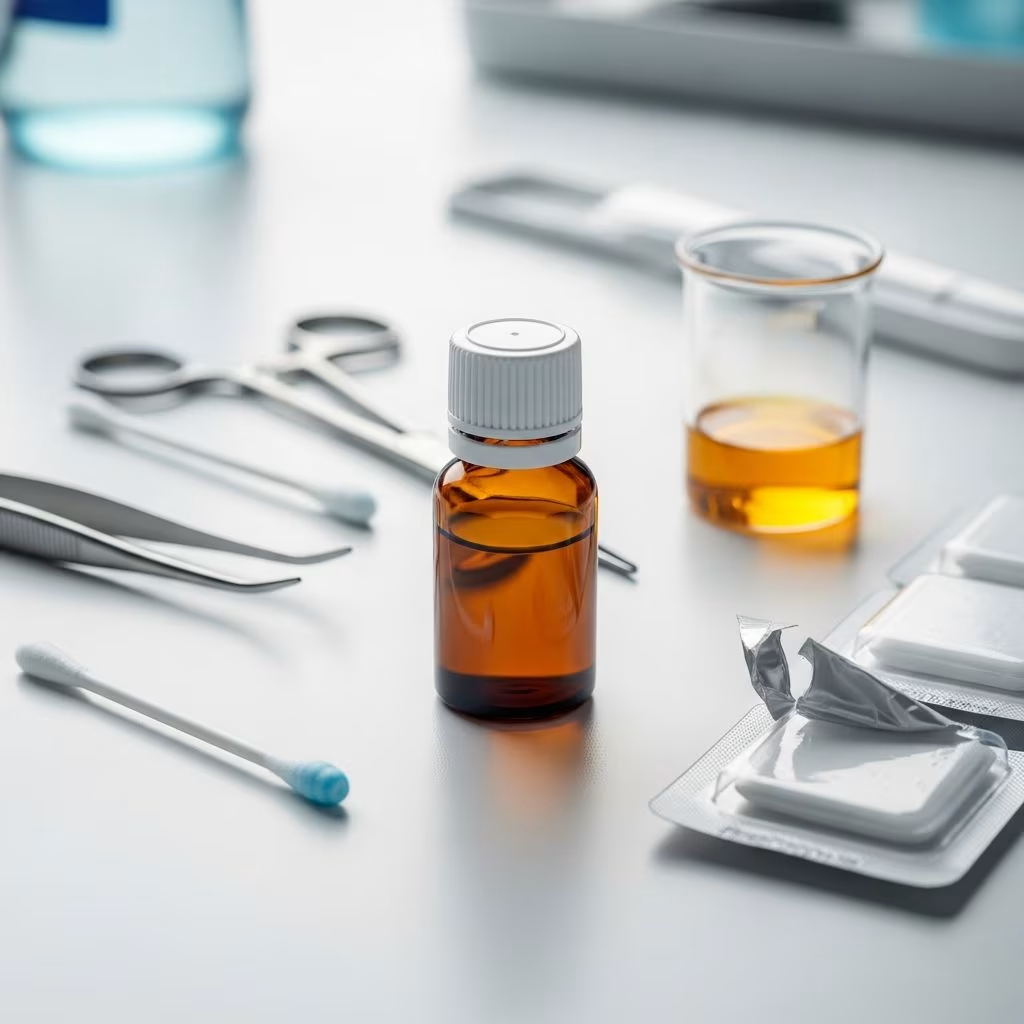
What is Chlorhexidine Topical?
Chlorhexidine topical is a broad-spectrum antiseptic medication used to treat surface bacterial and fungal skin infections in both dogs and cats. Available under brand names such as Chlorhex®, Novalsan®, and ChlorhexiDerm®, this medication has become a staple in veterinary dermatology for managing various skin conditions. It works by inhibiting the growth and reproduction of bacteria and fungi that cause infections on your pet’s skin. The medication is available over the counter (OTC), though it should always be used under the direction of a veterinarian to ensure proper application and effectiveness.
This antiseptic compound belongs to a class of disinfectants known as biguanides, which have been trusted in veterinary medicine for decades. Chlorhexidine gluconate (CHG) is the most common form found in veterinary products, offering reliable antimicrobial protection with a favorable safety profile when used appropriately.
Common Uses and Conditions Treated
Chlorhexidine topical serves multiple therapeutic purposes in managing canine and feline skin health. Understanding these applications helps pet owners recognize when their veterinarian might recommend this treatment.
Skin Infections
One of the primary uses of chlorhexidine is treating bacterial skin infections caused by common canine pathogens. It is particularly effective against Staphylococcus pseudintermedius and Pseudomonas aeruginosa, two bacteria frequently responsible for canine skin infections. Additionally, chlorhexidine manages fungal infections, including those caused by Malassezia, a yeast organism commonly found in dogs with compromised skin barriers.
Hot Spots and Acute Moist Dermatitis
Hot spots, medically known as acute moist dermatitis, are painful, inflamed areas of skin that develop rapidly in dogs. Chlorhexidine wipes or solutions help clean and disinfect these areas, preventing secondary bacterial infections and promoting healing. Regular application according to veterinary guidance can significantly reduce the size and severity of hot spots.
Fold Dermatitis in Wrinkled Breeds
Wrinkled dog breeds such as Bulldogs, Pugs, and Shar-Peis are prone to fold dermatitis, a condition where moisture and bacteria accumulate in skin folds. Chlorhexidine wipes are particularly useful for daily cleaning of these areas, maintaining hygiene and preventing infection development.
Tick Bite Wounds
After removing a tick from your dog, the wound site is vulnerable to infection. Applying chlorhexidine to the affected area helps prevent bacterial colonization and reduces infection risk. This preventive approach is especially important given the potential for tick-borne diseases.
Oral and Dental Care
Chlorhexidine oral rinses and dental products contain much lower concentrations (usually less than 1%) and help manage bacterial overgrowth in the mouth. This reduces bad breath and supports overall dental health by controlling the bacteria responsible for plaque formation and gum disease.
Available Formulations and Application Methods
Chlorhexidine topical comes in multiple formulations, allowing veterinarians to select the most appropriate option for each patient’s specific condition and location.
Product Types
The medication is available in several convenient forms:
| Formulation Type | Description | Best Use |
|---|---|---|
| Shampoos | Medicated cleansing products containing chlorhexidine | Whole-body skin infection treatment |
| Liquids (Sprays/Droppers) | Solutions for direct application to affected areas | Localized infections and wound care |
| Ointments | Topical preparations applied directly to skin | Small wounds and sensitive areas |
| Wipes | Pre-moistened cloths containing chlorhexidine | Paws, nail beds, hot spots, and fold areas |
Application Instructions
Proper application is crucial for maximizing effectiveness and minimizing the risk of adverse reactions:
– Apply shampoos, liquids, ointments, and wipes topically directly onto the affected skin areas as directed by your veterinarian
– Wash your hands thoroughly after application or wear disposable gloves to prevent exposure
– Avoid contact with the eyes, as chlorhexidine can cause irritation
– Prevent your pet from licking or chewing the treated areas for at least 30 minutes following application to allow the medication to work effectively
– Complete the entire prescribed treatment duration, even if improvement is visible, to ensure complete resolution of the infection
Concentration Levels and Dosing Guidelines
Chlorhexidine products come in different concentrations, each suited to specific applications and treatment purposes. Understanding these concentrations helps ensure safe and effective use.
| Concentration | Product Type | Typical Use | Frequency | Important Notes |
|---|---|---|---|---|
| 0.5-2% | Medicated wipes, sprays | Skin fold cleaning, hot spots | 1-2 times daily as needed | Test small area first for sensitivity |
| 2-4% | Surgical scrub | Pre-operative preparation | Single use per procedure | Professional use only |
| 4% | Hospital-grade antiseptic | Surgical site preparation | Single use per procedure | Professional use only |
Proper measuring and mixing techniques are essential to maintain these concentrations accurately. Concentrated solutions can cause tissue irritation or chemical burns when used undiluted, particularly in sensitive areas. Always follow your veterinarian’s specific instructions regarding concentration and application frequency for your pet’s condition.
Treatment Duration and Monitoring
The length of treatment varies depending on the condition being addressed and the severity of the infection:
Typical Treatment Timelines
– Hot spots: Usually require twice-daily application until improvement is visible; monitor for size changes and moisture levels
– Oral care: Weekly application maintains dental health; monitor gum color and plaque buildup
– Wound care: Daily application promotes healing; observe wound size, discharge type, and healing progression
Warning Signs to Monitor
While chlorhexidine is generally safe, watch for these indicators that may suggest complications:
– Rapid spreading of the affected area despite treatment
– Increased pain or swelling around the treated site
– Bleeding or severe odor from oral areas
– Severe skin irritation or unusual redness
Contact your veterinarian immediately if any of these warning signs develop during treatment.
Safety Profile and Skin Barrier Considerations
Recent veterinary research has provided important insights into chlorhexidine’s effects on canine skin health. A study examining daily topical application of various chlorhexidine concentrations found that while 4% concentration demonstrated potential to disrupt the skin barrier, 0.5% chlorhexidine showed sufficient antimicrobial activity without causing skin barrier damage.
This research suggests that lower concentrations are more suitable when treating dogs with compromised skin barriers or sensitive skin conditions. Chlorhexidine is not associated with contact dermatitis in animals, making it a suitable alternative for pets that react poorly to iodophor-based antiseptics.
Allergic Reactions
While true allergic responses are always possible with any topically applied agent, chlorhexidine has an excellent safety record in veterinary medicine. Severe allergic reactions are rare, but pet owners should monitor for unusual swelling, difficulty breathing, or severe itching after application.
Key Advantages in Veterinary Medicine
Chlorhexidine has become widely adopted in veterinary practice due to several significant advantages:
Residual Activity and Extended Protection
One of chlorhexidine’s most valuable properties is its residual activity. The medication creates a persistent antimicrobial barrier on the skin that continues working long after initial application. This extended protection offers multiple benefits:
– Long-term defense against microbial recolonization
– Reduced frequency of applications needed
– Better prevention of infection recurrence
– Improved cost-effectiveness of treatment protocols
Reducing Systemic Antibiotic Dependence
Perhaps the most important benefit of chlorhexidine is its ability to control localized infections effectively, often eliminating or significantly reducing the need for systemic antibiotics. In an era of growing antimicrobial resistance, this advantage is increasingly critical. By successfully treating surface infections topically, chlorhexidine helps preserve important systemic antibiotics for cases where they are truly necessary.
Precautions and Safety Guidelines
To ensure the safest and most effective use of chlorhexidine topical, follow these important precautions:
– Always use chlorhexidine products under veterinary supervision and direction
– Never use undiluted concentrated solutions on skin, as they can cause chemical burns
– Wear gloves or wash hands immediately after application
– Keep the product away from eyes and mucous membranes
– Prevent pets from licking or chewing treated areas for at least 30 minutes
– Follow the exact concentration and application schedule prescribed by your veterinarian
– Store chlorhexidine products as directed, keeping them away from extreme temperatures
– Do not mix chlorhexidine with other medications unless specifically directed by your veterinarian
Frequently Asked Questions
Q: Can I use chlorhexidine on my cat as well as my dog?
A: Yes, chlorhexidine topical is approved for use on both dogs and cats to treat bacterial and fungal skin infections. However, always follow your veterinarian’s specific instructions, as dosages and concentrations may differ between species.
Q: How long does it take to see improvement with chlorhexidine treatment?
A: Improvement timelines vary depending on the severity of the condition. Many pet owners notice visible improvement within a few days to a week of consistent application. However, continue treatment for the full duration prescribed by your veterinarian, even if improvement is apparent.
Q: Is chlorhexidine safe for puppies and kittens?
A: Chlorhexidine can be used on young animals, but use lower concentrations and follow veterinary guidance carefully. Young animals have more sensitive skin, so professional supervision is especially important.
Q: Can chlorhexidine be used on open wounds?
A: Yes, chlorhexidine is frequently used to clean and disinfect open wounds in dogs and cats. A 1% chlorhexidine acetate ointment is commonly recommended for external wounds. However, have your veterinarian assess any significant wounds before treating.
Q: What should I do if my pet accidentally ingests chlorhexidine?
A: While small amounts are unlikely to cause serious harm, contact your veterinarian or animal poison control immediately if you believe your pet has ingested significant amounts of chlorhexidine.
Q: Can I combine chlorhexidine with other medications?
A: Only combine chlorhexidine with other medications if your veterinarian specifically recommends it. Some combination products include chlorhexidine along with ketoconazole or steroids for enhanced treatment of specific conditions.
Q: How should I store chlorhexidine topical products?
A: Store chlorhexidine products according to the manufacturer’s instructions, typically at room temperature away from direct sunlight and extreme heat or cold. Keep all products out of reach of children and pets.
References
- Daily topical application of chlorhexidine gluconate to the skin in dogs — National Center for Biotechnology Information (PubMed). 2024-11-01. https://pubmed.ncbi.nlm.nih.gov/39814393/
- Biguanides as Antiseptics and Disinfectants for Use With Animals — Merck Veterinary Manual. 2024. https://www.merckvetmanual.com/pharmacology/antiseptics-and-disinfectants/biguanides-as-antiseptics-and-disinfectants-for-use-with-animals
- Chlorhexidine Topical — VCA Animal Hospitals. 2024. https://vcahospitals.com/know-your-pet/chlorhexidine-topical
- Chlorhexidine for Dogs: Uses, Side Effects, Risks — GoodRx Pet Health. 2024. https://www.goodrx.com/pet-health/dog/chlorhexidine-for-dogs
- Chlorhexidine – European Medicines Agency Assessment Report — European Medicines Agency. 2009. https://www.ema.europa.eu/en/documents/mrl-report/chlorhexidine-summary-report-committee-veterinary-medicinal-products_en.pdf
- What Is Chlorhexidine for Dogs? — ElleVet Sciences. 2024. https://www.ellevetsciences.com/blog/what-is-chlorhexidine-for-dogs/



