

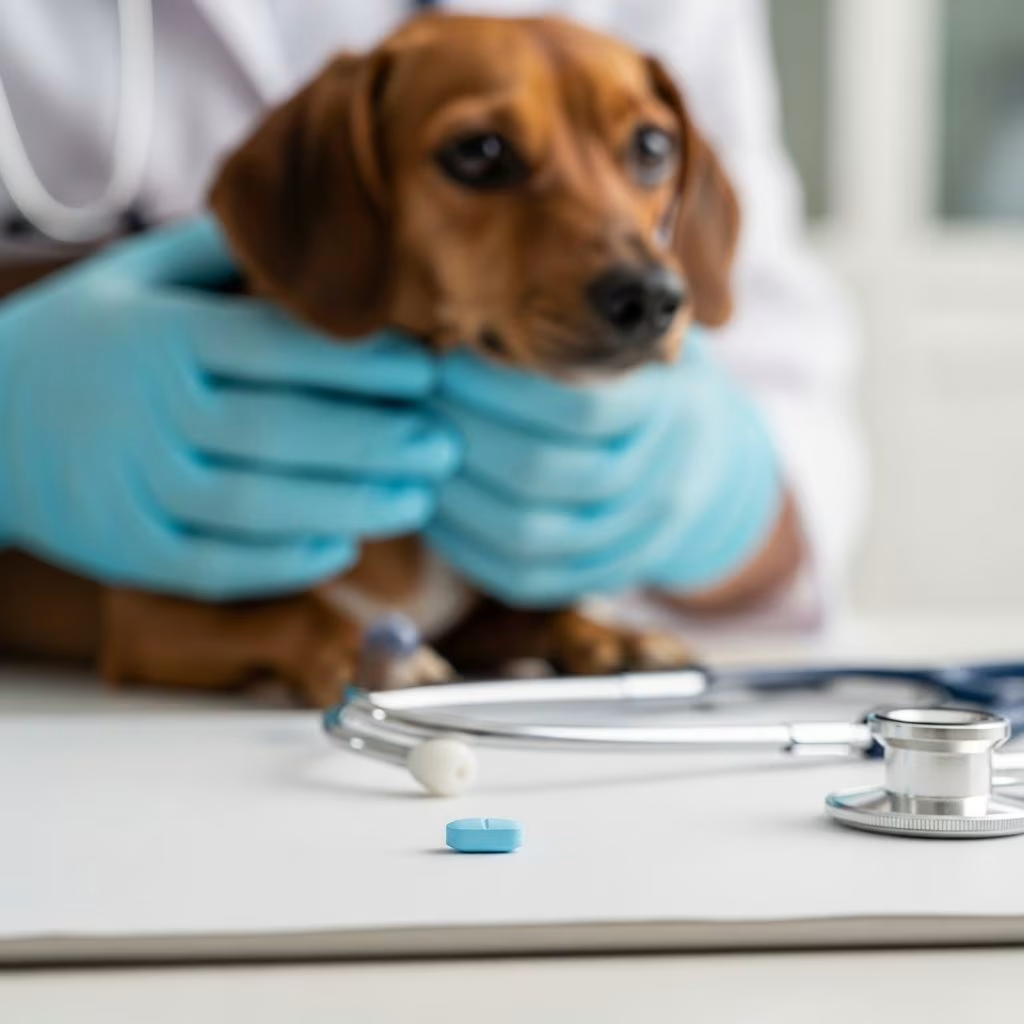
Chlorambucil for Pets: Understanding This Chemotherapy Medication
Chlorambucil is an oral chemotherapy medication that has become an important tool in veterinary oncology and immunotherapy. Known by the brand name Leukeran, this alkylating agent is prescribed to treat various cancers in pets and certain immune-mediated diseases. Understanding how chlorambucil works, its applications, and what to expect during treatment can help pet owners make informed decisions about their pet’s health care.
What is Chlorambucil?
Chlorambucil is a type of oral chemotherapy or anti-cancer medication that belongs to a class of drugs called alkylating agents. Unlike intravenous chemotherapy drugs that require frequent clinic visits, chlorambucil can be administered at home, making it a convenient option for pet owners. This medication can be used alone or in combination with other drugs, particularly corticosteroids like prednisone, to enhance its therapeutic effects.
The medication is classified as both a chemotherapeutic and immunosuppressive drug, meaning it serves dual purposes depending on the condition being treated. When used for cancer, it targets malignant cells; when used for immune-mediated diseases, it helps suppress an overactive immune system.
How Chlorambucil Works
Mechanism of Action in Cancer Treatment
Chlorambucil functions as an alkylating agent by binding to the DNA of cancer cells and preventing them from replicating. At high doses, chlorambucil works by cross-linking guanine bases in the DNA structure, essentially “knotting up” the DNA and stopping cells from unwinding and duplicating their genetic material. This prevents cancer cells from dividing and creating additional malignant cells, ultimately leading to their death.
The drug’s mechanism is particularly effective against rapidly dividing cells characteristic of cancers affecting blood cells, bone marrow, and lymphoid tissue. By disrupting DNA replication, chlorambucil effectively halts cancer progression and can lead to disease remission in many cases.
Metronomic Dosing Approach
In recent years, chlorambucil has increasingly been used in low-dose metronomic protocols. This approach represents a shift from the traditional goal of complete cancer elimination to the more achievable objective of stopping cancer progression. With metronomic dosing, the medication is administered at lower doses over extended periods, which may alter blood flow to tumors and slow their growth rather than eliminate them entirely. Some tumors do undergo remission with this approach, though stable disease—where the cancer doesn’t worsen—is the more common outcome.
Common Uses of Chlorambucil in Pets
Cancer Treatments
Chlorambucil was initially developed and used at higher doses to treat various forms of lymphoma and leukemia in dogs and cats. It shows particular promise for low-grade gastrointestinal lymphoma, which represents only 5-7% of all lymphomas in dogs. The medication is often combined with prednisone and sometimes used as part of multi-drug chemotherapy protocols.
Additional cancer applications include:
- Chronic lymphocytic leukemia
- Mast cell tumors
- Soft tissue sarcomas
- Thyroid carcinoma
- Polycythemia vera
Chlorambucil can be substituted for cyclophosphamide in multi-drug protocols when the latter is not tolerated, offering flexibility in treatment planning. Theoretically, it could also replace other alkylating agents in various protocols.
Immune-Mediated Conditions
Beyond cancer treatment, chlorambucil serves as an immunosuppressant for various immune-mediated diseases. In these conditions, the medication helps suppress an overactive immune system from attacking the body’s own tissues and organs. Common immune-mediated conditions treated with chlorambucil include:
- Inflammatory bowel disease
- Immune-mediated hemolytic anemia
- Lupus
- Pemphigus and other immune-mediated skin diseases
Clinical Efficacy and Research Findings
Metronomic Chlorambucil Studies
A 2011 study evaluated 36 dogs with various tumor types, with half already having metastases at the study’s start. Dogs received chlorambucil at approximately 4 mg/m². Results showed complete remission in one dog with mast cell tumor, one with soft tissue sarcoma, and one with thyroid carcinoma. More notably, stable disease was observed in almost half of the dogs, meaning their cancer did not progress during treatment. The median survival time for this group was 135 days.
A subsequent retrospective study evaluated multiple doses of chlorambucil up to 8 mg/m² and determined that 4 mg/m² was the ideal dose, as it minimized significant side effects while maintaining efficacy.
Mast Cell Tumor Treatment
An earlier study examined chlorambucil and prednisolone administered together as daily treatment for various stages of mast cell tumor in 21 dogs. Results demonstrated that 43% of dogs showed some degree of remission, while 37% had static disease that didn’t worsen. When compared to other protocols, authors found no overall difference in overall survival time (143 days), but noted that the chlorambucil-prednisolone combination offered the potential benefit of decreased side effects.
Lymphoma in Cats
Research has shown particularly promising results for cats with small cell lymphoma treated with chlorambucil and prednisolone. These cats achieved median survival times of over two years, with many maintaining good quality of life throughout treatment. For low-grade lymphomas in cats, chlorambucil combined with prednisone can lead to remission periods of 1-3 years in many cases.
Dosing and Administration
Chlorambucil is administered orally, making it convenient for home-based treatment. The typical metronomic dose for dogs is approximately 4 mg/m², administered according to your veterinarian’s specific protocol. Higher doses may be used for induction therapy aimed at achieving remission, while lower maintenance doses are used to sustain remission once achieved.
It’s crucial to follow your veterinarian’s dosing instructions precisely, as they may differ from human labeling guidelines. Chlorambucil is often prescribed “off-label” in veterinary medicine, meaning the medication was developed for humans but is modified for use in pets.
Side Effects and Monitoring
Potential Side Effects
While chlorambucil generally has a relatively mild side effect profile compared to other chemotherapy drugs, some adverse effects can occur. These may include gastrointestinal upset, decreased appetite, lethargy, and bone marrow suppression affecting blood cell counts. More severe side effects are less common, particularly with metronomic dosing protocols.
Regular Monitoring
Before and during chlorambucil treatment, your veterinarian will order blood tests to evaluate blood cell counts, metabolite levels, and enzyme concentrations. This monitoring assesses immune system function and the drug’s effects on kidney and liver function. Regular check-ups ensure the medication is working effectively and that your pet isn’t experiencing unacceptable side effects.
Safety Precautions for Pet Owners
Handling the Medication
Pet owners should exercise caution when handling chlorambucil tablets. If you touch chlorambucil directly, you may absorb some of the medication through your skin, which can be dangerous over time, especially if you are immunocompromised or pregnant. Always wash your hands thoroughly after handling the medication, and consider wearing gloves during administration. If you are pregnant, nursing, or have a compromised immune system, inform your veterinarian before handling this medication.
Important Medical History
Before starting chlorambucil treatment, inform your veterinarian of any previous conditions or medications, particularly:
- Prior exposure to other alkylating agents
- Previous adverse reactions to chemotherapy medications
- Kidney or liver disease
- Bone marrow disorders
- Infections or immunosuppression
Treatment Duration and Prognosis
Length of Treatment
The duration of chlorambucil treatment varies significantly based on the underlying condition and individual pet response. For cancer treatment, some pets with lymphoma or leukemia may remain on chlorambucil for many months or even years if they’re responding well and experiencing minimal side effects. Treatment may be structured as:
- Induction therapy: Initial treatment aimed at achieving remission
- Maintenance therapy: Ongoing treatment to maintain remission
- Rescue therapy: Treatment when disease has relapsed
- Palliative therapy: Treatment focused on comfort and quality of life
For immune-mediated conditions, pets might eventually taper off the medication once their condition is controlled, though some may require lifelong therapy.
Expected Outcomes
The prognosis for pets receiving chlorambucil varies greatly depending on the specific condition being treated. For low-grade lymphomas, particularly in cats, chlorambucil combined with prednisone can lead to remission periods of 1-3 years in many cases. For immune-mediated conditions, the response is highly individual, though many pets achieve good control of their symptoms. In inflammatory bowel disease, approximately 70-80% of cats show improvement with chlorambucil when other treatments have failed.
Advantages of Chlorambucil
Chlorambucil offers several advantages as a chemotherapy option for pets. Its oral formulation eliminates the need for frequent veterinary clinic visits, reducing stress on both pet and owner. The medication generally produces fewer and less severe side effects compared to other chemotherapy drugs, making it particularly valuable in veterinary medicine where quality of life is a primary consideration. Its effectiveness in treating both cancers and immune-mediated diseases provides versatility in treatment planning.
Frequently Asked Questions
Q: What conditions is chlorambucil used to treat in pets?
A: Chlorambucil is primarily used to treat lymphoma, leukemia, and certain immune-mediated conditions in pets. It’s also used for treatment-resistant inflammatory bowel disease, particularly in cats, and for immune-mediated skin diseases, hemolytic anemia, and lupus.
Q: How is chlorambucil administered to pets?
A: Chlorambucil is an oral medication given as a tablet that can be administered at home. Your veterinarian will provide specific dosing instructions based on your pet’s condition and weight.
Q: How often will my pet need blood tests during chlorambucil treatment?
A: Your veterinarian will determine the appropriate monitoring schedule. Typically, blood tests are performed before treatment begins and at regular intervals during therapy to monitor blood cell counts, liver function, and kidney function.
Q: Can chlorambucil be combined with other medications?
A: Yes, chlorambucil is frequently combined with other medications, most commonly prednisone, a corticosteroid. It may also be part of multi-drug chemotherapy protocols. However, inform your veterinarian about all current medications before starting treatment.
Q: What should I do if my pet misses a dose?
A: Contact your veterinarian for guidance. Depending on how long ago the dose was missed, you may administer it at the next scheduled time or skip that dose. Never double-dose to make up for a missed dose.
Q: Is chlorambucil safe for both dogs and cats?
A: Yes, chlorambucil is used in both dogs and cats, as well as horses and ferrets. However, it’s more frequently used in cats for immune-mediated conditions. Your veterinarian will determine appropriateness for your individual pet.
Conclusion
Chlorambucil represents an important treatment option for pets with certain cancers and immune-mediated conditions. Its relatively mild side effect profile, convenient oral administration, and proven efficacy make it a valuable tool in veterinary medicine. By understanding what this medication is, how it works, its appropriate uses, and what to expect during treatment, pet owners can be more effective advocates for their pet’s health. Work closely with your veterinarian to determine whether chlorambucil is the right choice for your pet’s specific condition, and maintain regular monitoring to ensure optimal outcomes and quality of life.
References
- Chlorambucil in Dogs with Cancer — DogCancer.com. 2024. https://www.dogcancer.com/articles/drugs/chlorambucil/
- Chlorambucil Medication Guide — PetMD. 2024. https://www.petmd.com/pet-medication/chlorambucil
- Potency and Stability of Compounded Formulations of Chlorambucil — National Center for Biotechnology Information (NCBI). 2017. https://pmc.ncbi.nlm.nih.gov/articles/PMC5526741/
- Chlorambucil for Pets: 5 Essential Facts Every Owner Needs — ThePetVet. 2024. https://thepetvet.com/chlorambucil-for-pets-5-essential-facts-every-owner-needs/
- Chlorambucil: An Overview — ImpriMed. 2024. https://www.imprimedicine.com/blog/chlorambucil
- Chlorambucil – AURA Veterinary — AURA Veterinary. 2024. https://www.auravet.com/drugs/chlorambucil/



