

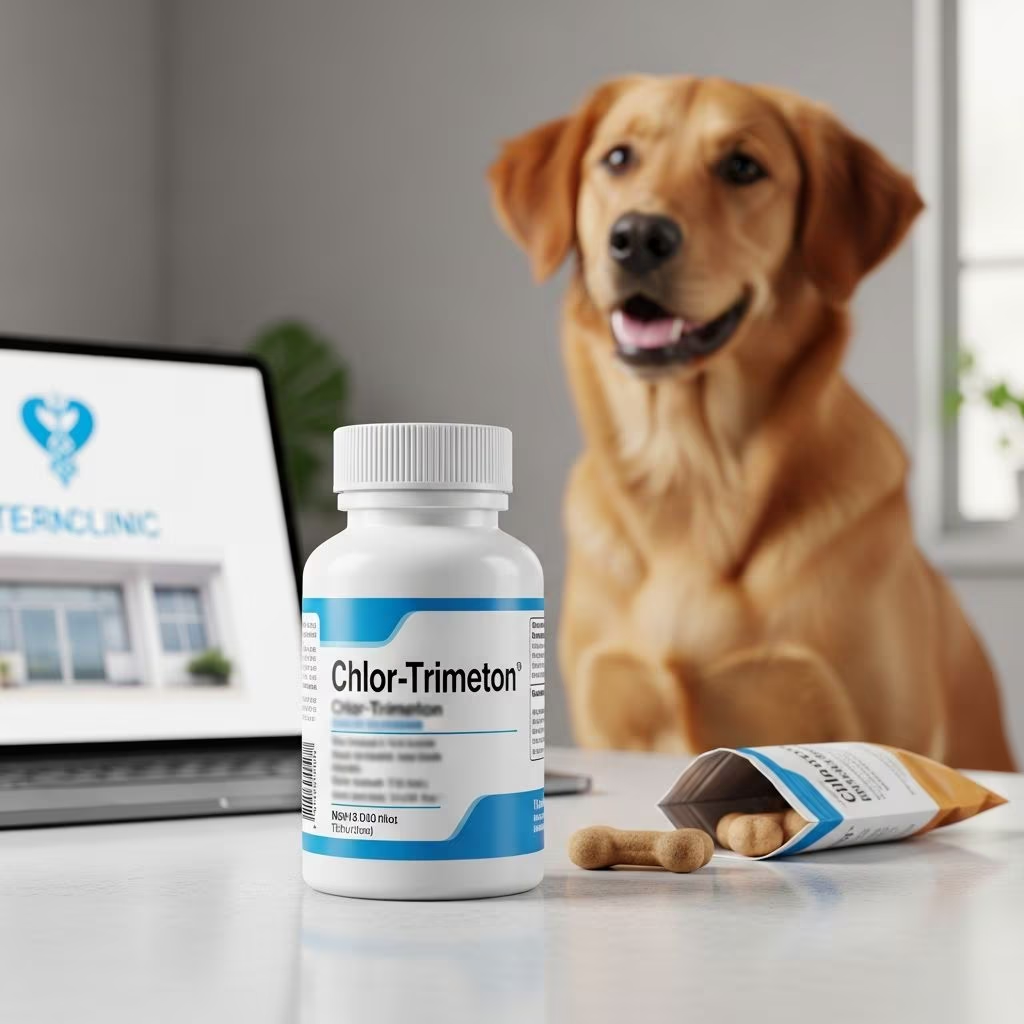
Chlor-Trimeton, known scientifically as chlorpheniramine maleate, serves as a first-generation antihistamine commonly employed in veterinary practice to alleviate allergic reactions in dogs. This medication blocks histamine receptors, reducing symptoms like intense itching and inflammation triggered by environmental allergens, insect bites, or food sensitivities. While primarily formulated for human use, veterinarians frequently prescribe it off-label for pets due to its affordability and accessibility over the counter.
Dogs experience allergies similarly to humans, manifesting as skin irritations, ear infections, or gastrointestinal upset. Chlor-Trimeton proves particularly useful for preventive care rather than acute flare-ups, often requiring consistent administration to maintain efficacy. Pet owners report noticeable improvements in their dog’s comfort within 24 to 48 hours, though full benefits may take longer for chronic conditions.
Primary Applications in Canine Health Management
The versatility of Chlor-Trimeton extends beyond basic allergy control. Veterinarians recommend it for several key scenarios:
- Seasonal and Environmental Allergies: Pollen, dust mites, and mold often provoke paw licking, face rubbing, and hot spots in dogs. Regular dosing helps curb these responses before they escalate.
- Insect Reactions: Bee stings, flea bites, and spider encounters cause rapid swelling and discomfort; Chlor-Trimeton provides quick histamine blockade.
- Motion Sickness Relief: During car rides or travel, it acts as a mild sedative, minimizing nausea and anxiety without heavy drowsiness in most cases.
- Adjunct Therapy: Combined with omega fatty acids or other antihistamines like hydroxyzine, it enhances outcomes for persistent atopic dermatitis.
- Pre-Surgical Prep: In dogs with mast cell tumors, it prevents histamine surges during procedures.
Though effective for mild cases, it falls short against severe allergies, where steroids or newer antihistamines may be necessary. Always integrate it into a holistic plan including flea prevention and hypoallergenic diets.
Optimal Dosage Guidelines for Different Dog Sizes
Administering the correct dose is crucial to avoid under- or over-treatment. Chlor-Trimeton comes in 4mg tablets, syrups, or injectables, with oral forms being most common for home use. Dosing depends on body weight, condition severity, and the dog’s response.
| Dog Weight (lbs) | Typical Dose (mg) | Frequency | Max Daily Dose |
|---|---|---|---|
| Under 10 | 2-4 | Every 8-12 hours | 12mg |
| 10-20 | 4-8 | Every 8-12 hours | 24mg |
| 20-50 | 8-12 | Every 8-12 hours | 36mg |
| Over 50 | 12-16 | Every 8-12 hours | 48mg |
Note: These are general ranges (0.1-0.5 mg/lb per dose); consult your vet for personalized adjustments, especially for sedatives (lower end: 0.11 mg/lb).
Start with the lowest effective dose and monitor for 48 hours. Tablets can be split or crushed into food, but avoid flavored human versions with xylitol, toxic to dogs. Therapeutic effects peak within one hour and last 8-12 hours.
Recognizing and Mitigating Potential Side Effects
While generally well-tolerated, Chlor-Trimeton can induce side effects, primarily due to its anticholinergic properties. Common reactions include:
- Drowsiness or lethargy (most frequent, especially at higher doses)
- Dry mouth leading to increased thirst
- Urinary retention or difficulty urinating
- Gastrointestinal upset like vomiting or diarrhea
- Hyperactivity or agitation (paradoxical in some dogs)
Severe effects like seizures or rapid heart rate warrant immediate veterinary attention. Overdose risks amplify in small breeds or with concurrent sedatives.
To minimize risks, introduce gradually, hydrate well, and observe behavior. If sedation persists beyond 24 hours, reduce dosage or switch medications.
Critical Contraindications and Veterinary Precautions
Not all dogs suit Chlor-Trimeton. Avoid in those with:
- Glaucoma (increases intraocular pressure)
- Cardiovascular issues (hypertension, heart disease)
- Hyperthyroidism or epilepsy
- Prostate enlargement or urinary obstructions
- Severe liver/kidney impairment (slows metabolism)
Pregnant or lactating bitches require caution, as safety data is limited; it passes into milk. Drug interactions occur with MAO inhibitors, antidepressants, or other anticholinergics. Disclose all medications to your vet.
Breed-specific notes: Brachycephalic dogs (e.g., Bulldogs) may experience amplified respiratory depression. Senior dogs often need lower doses due to reduced organ function.
Enhancing Effectiveness with Complementary Strategies
Maximize Chlor-Trimeton’s benefits through integrated care:
- Dietary Adjustments: Switch to novel protein kibble to rule out food allergies.
- Topical Therapies: Medicated shampoos with oatmeal soothe skin between doses.
- Environmental Controls: Air purifiers, frequent baths, and hypoallergenic bedding reduce allergen exposure.
- Supplements: Fish oil provides anti-inflammatory support, boosting antihistamine response.
For refractory cases, vets may escalate to Apoquel, Cytopoint injections, or immunotherapy tailored via allergy testing.
Real-World Experiences from Dog Owners
Anecdotal evidence underscores its value. One owner of a Corgi-Beagle mix shared: after failing prednisone for seasonal allergies, Chlor-Trimeton ended paw licking and nasal irritation, restoring playfulness. Another noted rapid relief from bee sting swelling in their Labrador. These stories highlight its role as a cost-effective first-line option, though results vary.
Frequently Asked Questions (FAQs)
Can I give my dog Chlor-Trimeton without a vet’s approval?
No—while OTC, veterinary guidance ensures safe dosing and rules out contraindications.
How long until I see results?
Effects begin in 1 hour, with optimal relief in 24-48 hours for preventive use.
Is it safe for puppies or seniors?
Use cautiously; adjust doses downward and monitor closely under vet supervision.
What if my dog vomits after dosing?
Withhold food briefly, offer small amounts of water, and contact your vet if persistent.
Alternatives to Chlor-Trimeton?
Benadryl (diphenhydramine), Zyrtec (cetirizine), or prescription options like oclacitinib.
Storage and Acquisition Tips
Store tablets at room temperature, away from moisture and light. Purchase plain formulations from pharmacies; avoid multi-symptom cold meds. Bulk packs (100ct 4mg tabs) suit chronic needs economically.
In summary, Chlor-Trimeton offers reliable, accessible relief for canine allergies when used judiciously. Partner with your veterinarian for tailored protocols promoting long-term skin health and happiness.
References
- Chlorpheniramine Maleate for Pets — PetPlace.com. 2023. https://www.petplace.com/article/drug-library/drug-library/library/chlorpheniramine-maleate-chlor-trimeton-for-dogs-and-cats
- Chlorpheniramine for Cats and Dogs — PetMD. 2024. https://www.petmd.com/pet-medication/chlorpheniramine-for-dogs-cats
- Chlorpheniramine For Dogs: Uses & Side Effects — Dutch.com. 2024. https://www.dutch.com/blogs/dogs/chlorpheniramine-for-dogs
- Chlorpheniramine 4 mg Tabs for Pet Allergy Relief — PetCareRx. 2023. https://www.petcarerx.com/chlorpheniramine-maleate/11557
- Chlorpheniramine 4 mg Tabs 100 ct — 1800PetMeds. 2024. https://www.1800petmeds.com/dog-or-cat/rx-medication/product/chlorpheniramine-4-mg-tabs/prod10471.html



