Chlamydophilosis in Birds: Symptoms, Diagnosis & Treatment
Complete guide to avian chlamydophilosis: understand symptoms, diagnosis methods, and effective treatment options for infected birds.
Understanding Chlamydophilosis in Birds
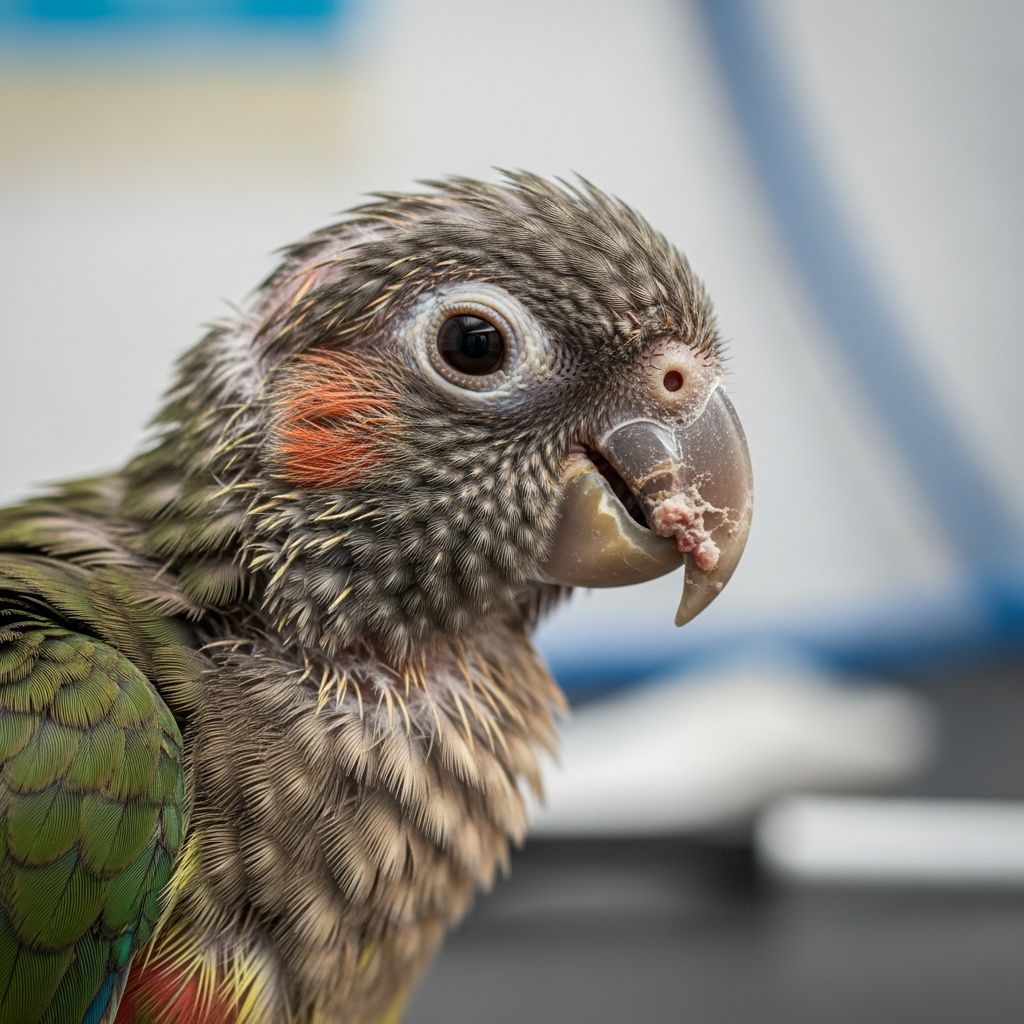
Chlamydophilosis, commonly known as psittacosis or parrot fever, is a significant bacterial infection affecting birds worldwide. Caused by the bacterium Chlamydia psittaci, this disease represents a serious concern for bird owners, aviculturists, and anyone in close contact with infected birds. The infection has the potential to affect multiple organ systems in birds, with the liver, spleen, respiratory tract, and digestive tract being the most commonly impacted areas. Understanding this disease is crucial for early detection and appropriate intervention to protect both avian and human health.
The disease is particularly noteworthy because it transcends species barriers, making it a zoonotic concern. Birds commonly affected include cockatoos, cockatiels, budgerigars, parrots, finches, chickens, and ducks. The infection can range from asymptomatic carriers to severely ill birds, creating challenges in detection and control within aviaries and households.
Clinical Signs and Symptoms
Chlamydophilosis presents with highly variable clinical signs, making diagnosis challenging without proper testing. The manifestation of symptoms can range from sudden death in apparently healthy birds to subtle signs of decreased energy and malaise. Birds affected by this infection typically exhibit a constellation of symptoms that may develop gradually or appear suddenly.
Respiratory Manifestations
Respiratory symptoms are among the most common presentations of chlamydophilosis. Infected birds frequently display:
– Chronic sneezing and coughing- Runny nose or nasal discharge- Runny eyes with ocular discharge- Labored respiration or breathing difficulties- Wheezing or respiratory distress
Gastrointestinal Signs
Digestive tract involvement is equally common in chlamydophilosis cases. Birds may present with:
– Diarrhea or abnormal droppings- Biliverdinuria, characterized by green droppings due to bile pigments- Loss of appetite or decreased feeding- Weight loss despite adequate food availability- Regurgitation or vomiting in some cases
General Systemic Symptoms
Beyond organ-specific signs, chlamydophilosis causes generalized illness indicators including lethargy, depression, fluffed-up feathers indicating discomfort, and overall behavioral changes. Some birds may experience neurological symptoms or seizures if the infection affects the nervous system. Notably, some infected birds may chew at their feathers or bodies, potentially due to discomfort associated with internal organ damage. Feather color changes, ranging from green to yellow or grey to black, have also been documented in affected birds.
Diagnostic Procedures and Testing
Accurate diagnosis of chlamydophilosis requires a comprehensive approach combining clinical observation with laboratory testing. A bird-savvy veterinarian will employ multiple diagnostic tools to confirm the presence of Chlamydia psittaci and assess the extent of organ involvement.
Physical Examination and History
The diagnostic process begins with a thorough physical examination and detailed history from the bird owner. Veterinarians assess the bird’s overall condition, listen for respiratory abnormalities, evaluate feather quality, and examine the eyes for discharge. Information about the bird’s exposure to other birds, recent stress, and the timeline of symptom development provides important diagnostic context.
Blood Work and Chemistry Profile
Laboratory analysis includes a chemistry profile to determine whether liver enzymes are elevated, a common finding in chlamydophilosis cases. This testing reveals the degree of hepatic involvement and helps guide treatment decisions. Complete blood counts may also reveal signs of infection or anemia related to chronic illness.
Polymerase Chain Reaction (PCR) Testing
PCR testing represents one of the most sensitive and specific diagnostic tools available. This test identifies genetic material of the Chlamydia psittaci bacterium in blood samples, oral cavity swabs, or fecal material. It’s important to note that a positive PCR result indicates exposure to the organism but does not definitively prove the bird is currently symptomatic from the infection. Clinical signs and additional testing results must be considered in conjunction with PCR findings.
Protein Electrophoresis (EPH)
Veterinarians knowledgeable in avian medicine often perform protein electrophoresis testing on birds with suspected chlamydophilosis. While EPH does not specifically test for the bacteria, it identifies patterns of change in antibody levels, suggesting an active immune response and indicating that the bird is fighting an infection. This test helps establish whether the bird’s immune system is actively responding to the chlamydia organism.
Interpretation of Results
Some birds exposed to Chlamydia psittaci may eliminate the virus but retain antibodies against it. Your avian veterinarian can advise which specific tests are most appropriate for your bird. Positive test results, particularly when combined with characteristic clinical symptoms, provide strong evidence of active chlamydophilosis. In certain cases, veterinarians may recommend treatment in birds with characteristic symptoms even when test results appear negative.
Treatment Protocols and Management
While chlamydophilosis remains challenging to treat completely, effective management protocols have been established through veterinary practice and research. The cornerstone of treatment is antibiotic therapy, combined with supportive care and environmental management.
Antibiotic Treatment with Doxycycline
The most effective current treatment for chlamydophilosis is doxycycline, administered either orally or by injection. Treatment duration is critical to success. The recommended treatment period is 45 days of continuous, uninterrupted therapy. This prolonged course is necessary because doxycycline only kills Chlamydia psittaci organisms when they are actively dividing. These bacteria have a prolonged life cycle with periods of dormancy, during which they cannot be eliminated by antibiotics.
Bird owners have two primary options for doxycycline administration. The first involves oral medication given twice daily at home for 45 days. The second option includes weekly injections of long-acting doxycycline for six weeks administered by a veterinarian. Both approaches have proven effective when properly dosed and consistently applied.
Considerations with Long-Term Antibiotic Use
Extended antibiotic treatment with doxycycline and other antibiotics kills both harmful and beneficial bacteria in a bird’s gastrointestinal tract. This disruption may predispose the bird to secondary yeast infections. Many veterinarians prescribe probiotic medication during the 45-day treatment period to promote the growth of helpful gastrointestinal bacteria and reduce the risk of yeast overgrowth.
Supportive Care Measures
Successful treatment extends beyond antibiotics to encompass comprehensive supportive care. Birds receiving treatment should be provided with a stress-free environment maintained at approximately 26 degrees Celsius (79 degrees Fahrenheit). This warm, calm setting supports the bird’s immune system and aids recovery. In severe cases where birds cannot eat normally, crop feeding may be necessary to ensure adequate nutrition and hydration. Good nutrition, appropriate hydration, and minimized stress remain essential components of recovery.
Post-Treatment Monitoring
After completing the 45-day treatment course, some veterinarians recommend repeating diagnostic tests for Chlamydia psittaci to confirm treatment effectiveness. This follow-up testing provides assurance that the infection has been adequately addressed.
Important Treatment Considerations
It is crucial to understand that no treatment currently available guarantees 100 percent elimination of the psittacosis organism. The primary difficulty stems from the organism’s ability to enter a dormant phase, during which antibiotics prove ineffective. While the majority of cases treated with properly dosed doxycycline for 45 days resolve successfully, rare cases may result in recurrent symptoms months or years after correct treatment completion.
Additionally, birds do not develop lasting immunity following chlamydophilosis infection. This means a previously infected bird can contract the disease again if re-exposed to the pathogen. Continuous vigilance and appropriate biosecurity measures remain necessary even after successful treatment.
Prevention and Environmental Management
Prevention strategies form an essential component of chlamydophilosis management, particularly in multi-bird environments or aviaries. Implementing proper hygiene and biosecurity measures significantly reduces transmission risk.
Disinfection Protocols
Effective disinfection of contaminated surfaces and equipment is critical. Bleach, F10 disinfectant, and quaternary ammonium compounds have proven effective against Chlamydia psittaci. Regular thorough cleaning of cages, perches, food and water dishes, and toys significantly reduces environmental bacterial loads.
Aerosol and Dust Control
Avoiding the creation of dust or aerosols represents an important prevention measure. Dust particles can carry bacterial organisms and facilitate transmission through inhalation. Wearing a mask during cleaning procedures and when handling potentially infected birds reduces the risk of infection in humans.
Quarantine and Testing of New Birds
All new pet birds should be examined by a bird-savvy veterinarian and undergo appropriate testing for chlamydophilosis before introduction to existing birds. New birds should be quarantined for four weeks before integration with previously treated birds. Only introduce birds of known, confirmed healthy origin into established flocks or households.
Zoonotic Implications and Human Health
Chlamydophilosis represents a significant zoonotic concern, as Chlamydia psittaci can transmit from birds to humans. Humans infected with psittacosis develop fever, cough, muscle pain, and respiratory symptoms. In severe cases, the infection may progress to pneumonia or spread to other body systems. Individuals who have been in contact with infected birds and develop respiratory symptoms should seek medical attention and inform their healthcare provider of potential bird exposure. It is important to clarify that avian chlamydophilosis is not related to the venereal form of chlamydia that affects humans.
Frequently Asked Questions About Chlamydophilosis
Q: Can chlamydophilosis in birds be completely cured?
A: While most cases respond well to 45 days of doxycycline treatment, no treatment guarantees complete 100 percent elimination of the organism due to its ability to enter dormancy. However, the majority of properly treated birds experience full recovery.
Q: How long does chlamydophilosis treatment typically take?
A: The recommended treatment duration is 45 days of continuous, uninterrupted doxycycline therapy, either administered orally twice daily or by weekly injections for six weeks.
Q: Can infected birds transmit chlamydophilosis to humans?
A: Yes, chlamydophilosis is a zoonotic disease. Humans can contract psittacosis through contact with infected birds, developing fever, cough, muscle pain, and potentially severe respiratory complications.
Q: What should I do if my bird shows symptoms of chlamydophilosis?
A: Contact an avian veterinarian immediately for examination and appropriate diagnostic testing. Early intervention with proper treatment significantly improves outcomes and reduces transmission risk.
Q: Can birds become reinfected with chlamydophilosis?
A: Yes, birds do not develop lasting immunity following infection, so reinfection is possible if the bird is re-exposed to Chlamydia psittaci.
Q: Is dietary support necessary during treatment?
A: Yes, good nutrition and hydration support immune function during treatment. In severe cases, veterinarians may recommend probiotics to counteract antibiotic effects on beneficial bacteria.
Conclusion
Chlamydophilosis represents a complex and serious bacterial infection affecting birds worldwide with potential implications for human health. Understanding the clinical presentation, diagnostic approaches, and treatment protocols enables bird owners and healthcare providers to respond effectively to suspected cases. Early recognition of symptoms, prompt veterinary consultation, and adherence to complete treatment protocols maximize the likelihood of successful outcomes. Combined with appropriate preventive measures, environmental management, and quarantine procedures, the risks associated with chlamydophilosis can be significantly reduced. Bird owners should maintain vigilance regarding their birds’ health, ensure regular veterinary examinations, and implement biosecurity practices to protect both their feathered companions and their own health.
References
- Chlamydophilosis in Birds — VCA Animal Hospitals. 2025. https://vcahospitals.com/know-your-pet/chlamydophilosis-in-birds
- Psittacosis: Causes, Symptoms, Diagnosis & Treatment — Cleveland Clinic. 2024. https://my.clevelandclinic.org/health/diseases/25023-psittacosis
- Chlamydiosis in Birds — Bird Vet Melbourne. 2025. https://birdvetmelbourne.com/chlamydiosis-in-birds/
- Psittacosis — StatPearls, National Center for Biotechnology Information. 2024. https://www.ncbi.nlm.nih.gov/books/NBK538305/
- Avian Chlamydiosis Factsheet for Bird Carers and Suppliers — NSW Health. 2024. https://www.health.nsw.gov.au/Infectious/factsheets/Pages/avian-chlamydiosis.aspx
Similar Articles







Read full bio of medha deb