

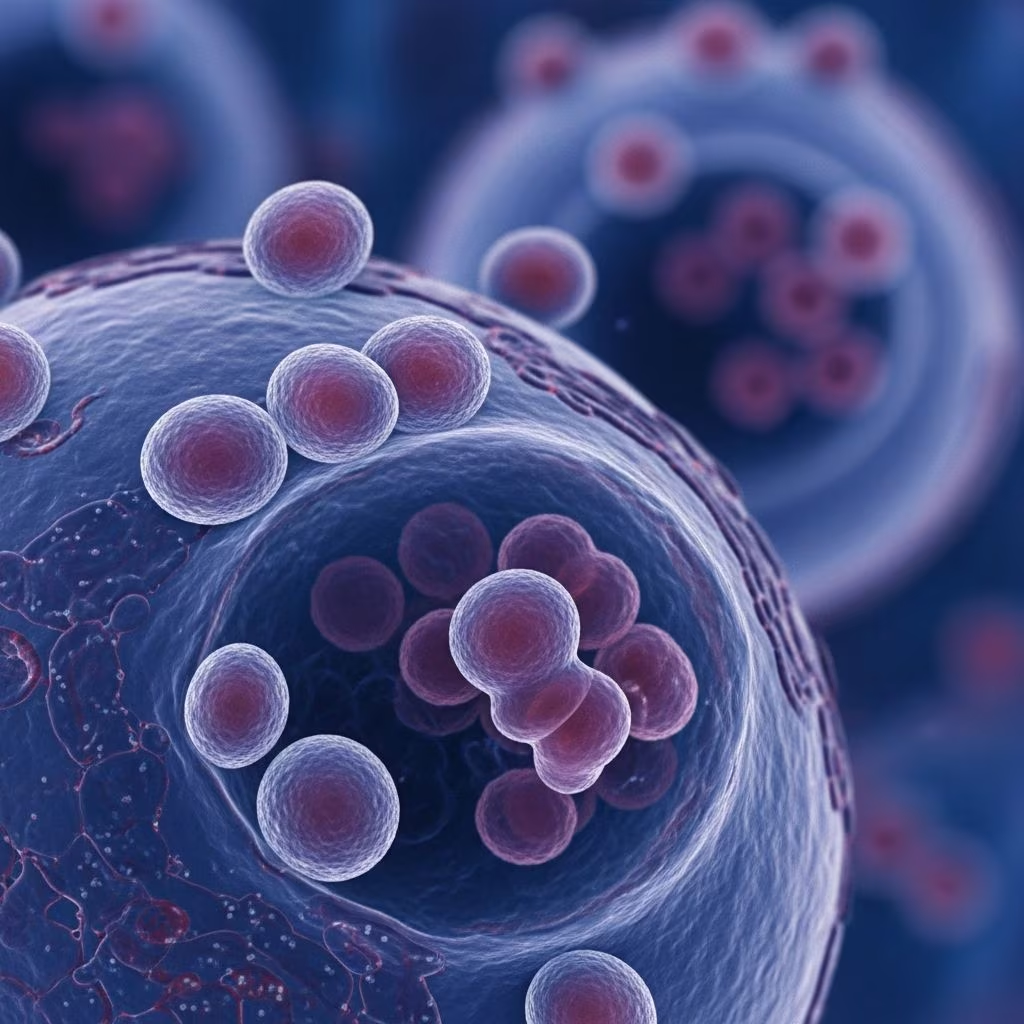
Chlamydiosis represents a group of infectious diseases caused by bacteria in the genus Chlamydia, affecting a wide array of animal species from livestock and poultry to wildlife and companion animals. These obligate intracellular pathogens can lead to subclinical infections or severe conditions like respiratory distress, reproductive failures, conjunctivitis, and enteritis. Understanding the nuances of these infections is crucial for veterinarians, farmers, and pet owners to mitigate economic losses and zoonotic transmission risks.
The Nature of Chlamydial Pathogens
Chlamydiae are unique bacteria that alternate between elementary bodies for extracellular survival and reticulate bodies for intracellular replication within host cells. This biphasic life cycle enables persistence and complicates eradication. Recent taxonomic revisions have reclassified many strains, reflecting their broad host range and genetic diversity.
Key species include C. psittaci, prevalent in birds and zoonotic; C. abortus, linked to ruminant abortions; C. pecorum, impacting wildlife like koalas; and C. caviae in guinea pigs. Each exhibits host preferences but can cross species barriers, amplifying outbreak potential.
Clinical Manifestations Across Species
Symptoms vary by host, pathogen strain, and infection stage, often mimicking other diseases and delaying diagnosis.
Mammals: Ruminants and Beyond
In sheep and goats, C. abortus triggers late-term abortions, stillbirths, or weak neonates dying within 48 hours. Human spillover causes atypical pneumonia or pregnancy complications. Cattle experience infertility, mastitis, and polyarthritis from C. pecorum, with koalas suffering blindness, cystitis, and reproductive tract cysts via venereal or fecal-oral routes.
Guinea pigs infected with C. caviae show severe conjunctivitis, urogenital inflammation, and neonatal eye issues. Cats harbor C. felis, leading to chronic conjunctivitis with aerosol spread from carriers.
Avian Hosts: Poultry and Psittacines
C. psittaci causes systemic illness in turkeys, ducks, and pigeons, with signs like lethargy, diarrhea, nasal discharge, and reduced egg production. Necropsy reveals airsacculitis, hepatitis, and splenomegaly. Psittacines like budgerigars may be subclinical carriers.
Reptiles and Exotic Species
Snakes and lizards develop rhinitis, pneumonia, and hepatitis, while amphibians show skin lesions and systemic disease. Wildlife like frogs suffer mass mortality events.
Transmission Dynamics
Chlamydiae spread via aerosols, direct contact, venereal routes, fomites, or vertical transmission. In birds, fecal-oral and respiratory droplets dominate; in ruminants, abortion discharges are key. Coprophagic behavior in koalas facilitates oral-fecal spread. Zoonotic jumps occur through inhalation of contaminated dust or handling infected tissues.
| Host Group | Primary Transmission Routes | Key Risk Factors |
|---|---|---|
| Ruminants | Aborted materials, venereal | Crowded housing, poor hygiene |
| Birds | Aerosols, feces | Overcrowding, dust exposure |
| Wildlife (e.g., Koalas) | Venereal, fecal-oral | Habitat stress, mating seasons |
| Pets (Cats, Guinea Pigs) | Direct contact, aerosols | Multi-pet households |
Diagnostic Approaches
Diagnosis combines clinical history, serology, PCR, culture, and histopathology. PCR on swabs (conjunctival, cloacal) detects intermittent shedding; serology like ELISA or complement fixation identifies antibodies, though titers persist post-infection.
In birds, pair serology with antigen tests; necropsy shows characteristic inclusions. Advanced imaging like CT reveals organ enlargement. Challenges include subclinical carriers and cross-reactivity.
- Sample Collection: Multiple swabs over days for sensitivity.
- Serological Tests: IgM for acute phase; CF more sensitive.
- Molecular: PCR confirms species.
- Histopathology: Intracytoplasmic inclusions in macrophages.
Treatment Protocols
Tetracyclines (doxycycline, oxytetracycline) are mainstays, with 21-45 day courses for birds. Poultry may receive medicated feed, though palatability issues arise. Macrolides and fluoroquinolones serve as alternatives, but persistence post-treatment necessitates full regimens.
For koalas and cattle, weekly oxytetracycline injections target arthritis or encephalitis. Treat all in-contact animals to curb carriers. Monitoring via PCR post-therapy ensures clearance.
| Antimicrobial | Dose/Duration (Examples) | Host Suitability |
|---|---|---|
| Doxycycline | 21-45 days oral | Psittacines, cats |
| Oxytetracycline | Weekly IM, 2 doses | Cattle, koalas |
| Chlortetracycline | 45 days in feed | Poultry flocks |
Prevention and Control Measures
Vaccines exist for ovine enzootic abortion but are limited elsewhere. Biosecurity—quarantine, hygiene, ventilation—reduces risk. Culling outbreaks in notifiable cases like avian chlamydiosis. Routine screening in high-risk flocks aids early detection.
Zoonotic prevention involves PPE for handlers, reporting, and public education on bird exposure risks.
Zoonotic Implications
Human cases from C. psittaci (psittacosis) cause flu-like illness or pneumonia; C. abortus links to abortions. At-risk groups include veterinarians and bird owners. Prompt animal treatment curtails spillover.
Emerging Challenges and Research Directions
Antimicrobial resistance, novel strains, and climate-driven wildlife shifts pose threats. In vivo studies on treatment efficacy and vaccines are needed. Genomic surveillance tracks evolution.
Frequently Asked Questions (FAQs)
What animals are most affected by chlamydiosis?
Sheep, goats, birds (turkeys, pigeons), koalas, cats, and guinea pigs are primary hosts, but it spans mammals, avians, reptiles, and amphibians.
Is chlamydiosis contagious to humans?
Yes, particularly C. psittaci from birds causes psittacosis; use precautions when handling suspect cases.
How long does treatment last for infected birds?
Typically 21-45 days with doxycycline; treat contacts regardless of symptoms.
Can chlamydiosis be prevented with vaccines?
Limited vaccines for sheep abortion exist; biosecurity is key for others.
What are signs of chlamydiosis in koalas?
Eye infections leading to blindness, urinary disease, and infertility.
This detailed overview equips stakeholders with knowledge to combat chlamydiosis effectively, emphasizing integrated health approaches for animals and humans.
References
- Chlamydiosis in Animals — PMC – NIH. 2024. https://pmc.ncbi.nlm.nih.gov/articles/PMC11545194/
- Avian Chlamydiosis – Poultry — Merck Veterinary Manual. 2023-10-17. https://www.merckvetmanual.com/poultry/avian-chlamydiosis/avian-chlamydiosis
- Mini Review: Antimicrobial Control of Chlamydial Infections in Animals — Frontiers in Microbiology. 2019-01-25. https://www.frontiersin.org/journals/microbiology/articles/10.3389/fmicb.2019.00113/full
- Avian chlamydiosis (C. psittaci) — Discontools. 2023. https://www.discontools.eu/database/117-avian-chlamydiosis.html
- Chlamydiosis in Animals — PubMed. 2024. https://pubmed.ncbi.nlm.nih.gov/39518853/
- Zoonotic Chlamydiae Maintained in Mammals — CFSPH, Iowa State University. 2022. https://www.cfsph.iastate.edu/Factsheets/pdfs/chlamydiosis.pdf
- A Review on Chlamydial Diseases in Animals: Still a Challenge — SAGE Journals. 2018-01-03. https://journals.sagepub.com/doi/10.1177/0300985817751218



