

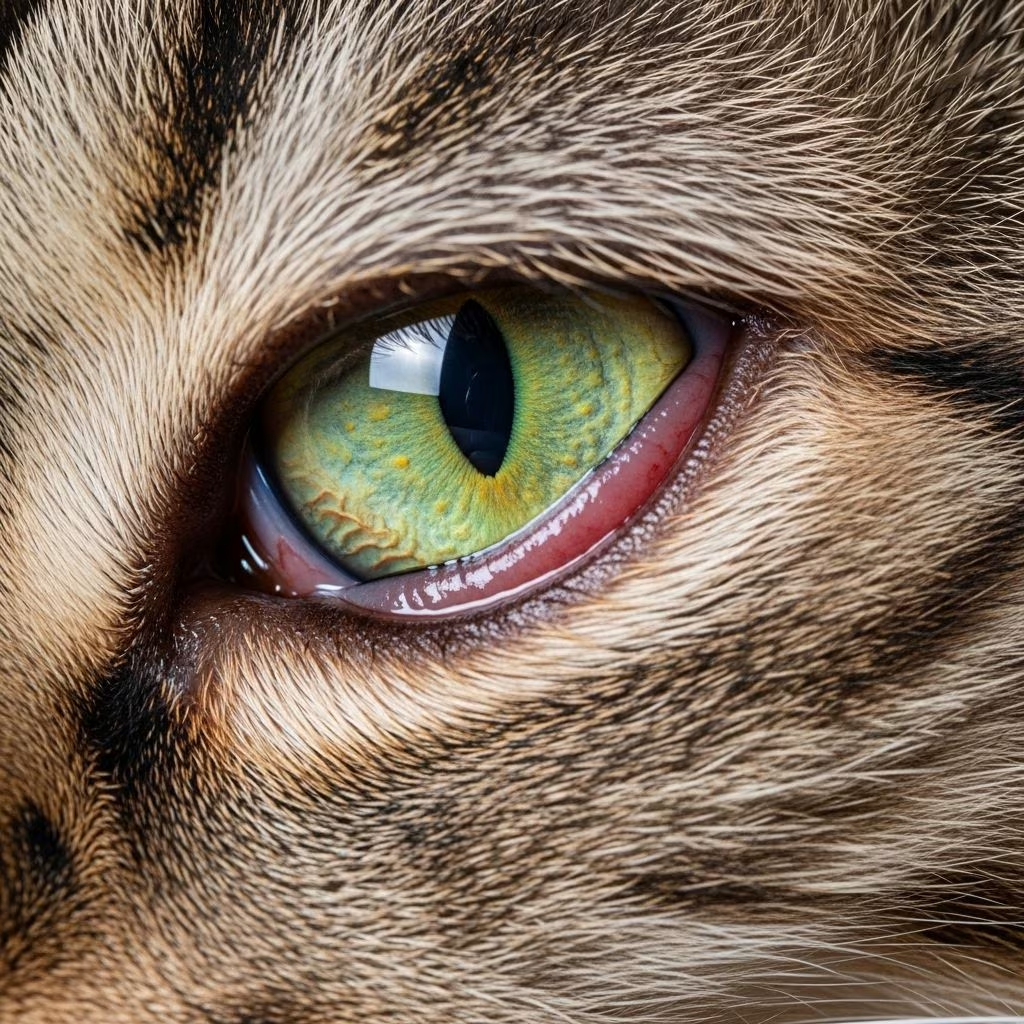
Chlamydial conjunctivitis, often linked to feline pneumonitis, represents a prevalent bacterial infection targeting the eyes and upper respiratory system of cats. Caused primarily by Chlamydia felis, this condition manifests through inflammation of the conjunctiva, leading to discomfort and potential vision impairment if untreated. Cat owners must recognize early signs to facilitate prompt veterinary care, which typically involves targeted antibiotics and supportive measures for optimal recovery.
Understanding the Bacterial Culprit Behind Feline Eye Issues
The pathogen responsible, Chlamydia felis, is an obligate intracellular bacterium that thrives within host cells, particularly in the epithelial linings of the eyes and respiratory tract. This organism spreads efficiently among cats in multi-pet environments, such as catteries or shelters, where close contact facilitates transmission via direct ocular secretions or sneezes. Unlike broader pneumonias discussed in veterinary literature, chlamydial infections often start with localized eye symptoms before potentially escalating to systemic involvement.
Transmission occurs through aerosolized droplets from infected cats or shared contaminated surfaces like grooming tools. Kittens, especially those between 5 and 12 months, face heightened vulnerability due to immature immune systems, making early detection crucial in breeding or rescue settings.
Recognizing Clinical Manifestations in Affected Felines
Symptoms typically emerge abruptly, beginning unilaterally before progressing bilaterally. Key indicators include:
- Profuse ocular discharge, initially watery and transitioning to mucopurulent.
- Conjunctival hyperemia and chemosis, causing red, swollen eyes.
- Follicular proliferation on the nictitating membrane, visible as small raised bumps.
- Upper respiratory signs like sneezing, nasal discharge, and mild fever.
In advanced cases, respiratory distress may mimic pneumonia, with lethargy and anorexia signaling deeper involvement. Unlike aspiration pneumonia, which features gurgling breaths and vomiting, chlamydial cases emphasize ocular primacy. Prompt observation of these signs prevents chronic sequelae like corneal scarring.
Veterinary Diagnostic Approaches for Accurate Identification
Diagnosis hinges on clinical presentation corroborated by laboratory confirmation. Veterinarians initiate with a thorough ophthalmic exam using fluorescein staining to rule out ulcers. Cytologic smears from conjunctival swabs reveal intracytoplasmic inclusions characteristic of chlamydiae, offering rapid preliminary insights.
Polymerase chain reaction (PCR) testing provides definitive identification, detecting bacterial DNA with high sensitivity. Culture, though gold standard, demands specialized facilities due to the bacterium’s fastidious nature. Differential diagnoses encompass viral herpesvirus, mycoplasma, or fungal etiologies, necessitating comprehensive panels.
Comprehensive Treatment Protocols for Recovery
Treatment centers on systemic and topical antibiotics effective against intracellular pathogens. Doxycycline, administered orally at 5-10 mg/kg twice daily for 3-4 weeks, achieves high efficacy due to tissue penetration. Azithromycin offers a shorter course alternative for compliant owners.
Topical therapy includes erythromycin or tetracycline ointments applied 4-6 times daily, augmented by systemic drugs to curb dissemination. Supportive care encompasses:
- Cleaning discharge to prevent corneal exposure.
- Artificial tears for lubrication.
- Isolation to mitigate spread.
Severe respiratory complications may warrant nebulization or oxygen support, mirroring bacterial pneumonia protocols. Monitoring via rechecks ensures resolution, with culture negativity confirming cure.
Prevention Strategies to Protect Feline Populations
Vaccination forms the cornerstone, with modified-live or inactivated chlamydial vaccines reducing disease severity in high-risk cats. Core vaccines for multi-cat households integrate chlamydia protection, administered annually post-initial series.
Hygiene protocols—disinfecting environments with quaternary ammoniums, quarantining newcomers, and minimizing overcrowding—curb outbreaks. Breeders should screen queens pre-breeding, as carrier states persist asymptomatically.
Potential Complications and Long-Term Management
Untreated infections risk chronic conjunctivitis, symblepharon (adhesions), or secondary bacterial superinfections. Respiratory progression to pneumonitis, though rarer than in kittens, demands vigilance. Recurrence prompts investigation for immune compromise or reinfection.
Long-term, affected cats benefit from annual ocular exams and booster vaccinations. Nutritional support bolstering immunity, via omega-3 supplements, aids resilience.
Comparative Overview of Feline Respiratory Infections
| Condition | Primary Cause | Key Symptoms | Treatment Focus |
|---|---|---|---|
| Chlamydial Conjunctivitis | Chlamydia felis | Ocular discharge, sneezing | Doxycycline, topicals |
| Bacterial Pneumonia | Mycoplasma, Bordetella | Cough, lethargy, dyspnea | Broad-spectrum antibiotics, oxygen |
| Aspiration Pneumonia | Inhalation of material | Gurgling breaths, vomiting | Supportive care, antibiotics |
This table highlights distinctions, aiding differential awareness.
Frequently Asked Questions About Cat Eye Infections
Is chlamydial conjunctivitis contagious to humans?
No, Chlamydia felis is species-specific, posing no zoonotic risk, unlike human chlamydiae.
How long does treatment last?
Typically 3-6 weeks, ensuring bacterial clearance to prevent relapse.
Can my cat become a carrier?
Yes, subclinical shedding persists; vaccination mitigates this.
What home care supports recovery?
Gently wipe eyes with saline, ensure hydration, and isolate from other pets.
Is surgery ever needed?
Rarely, only for severe scarring affecting vision.
Emerging Research and Future Directions
Ongoing studies explore improved vaccines with broader cross-protection against related strains. Point-of-care PCR advancements promise faster diagnostics, enhancing outbreak control in shelters. Antibiotic stewardship addresses resistance concerns, favoring culture-guided therapy.
Integrative approaches, including probiotics for mucosal immunity, show promise in pilot trials, potentially reducing recurrence.
References
- Cat Pneumonia: Know the Causes, Signs, and Treatment — ASPCA Pet Insurance. 2023. https://www.aspcapetinsurance.com/resources/cat-pneumonia/
- Signs & Symptoms of Pneumonia in Cats — Carolina Veterinary Specialists. 2021-09-15. https://www.rock-hill.carolinavet.com/site/blog/2021/09/15/signs-pneumonia-in-cats
- Treating Bacterial Pneumonia in Dogs and Cats — Today’s Veterinary Practice. 2023. https://todaysveterinarypractice.com/respiratory-medicine/treating-bacterial-pneumonia-in-dogs-and-cats/
- Pneumonia | Cornell University College of Veterinary Medicine — Cornell Feline Health Center. 2024. https://www.vet.cornell.edu/departments-centers-and-institutes/cornell-feline-health-center/health-information/feline-health-topics/pneumonia
- Pneumonia in Cats – Causes, Symptoms & Treatment — Germantown Animal Hospital. 2020-07-29. https://www.germantownah.com/site/blog-memphis-vet/2020/07/29/signs-of-pneumonia-in-cats
- Pneumonia in Cats – Cat Owners – MSD Veterinary Manual — MSD Veterinary Manual. 2026. https://www.msdvetmanual.com/cat-owners/lung-and-airway-disorders-of-cats/pneumonia-in-cats
- Pneumonia in Cats — Fayette County Pets. 2024-06-15. https://www.fayettecountypets.com/site/blog/2024/06/15/pneumonia-cats



