
Chlamydial Conjunctivitis in Cats: Causes, Symptoms & Treatment
Understanding feline chlamydial conjunctivitis: diagnosis, treatment options, and prevention strategies.
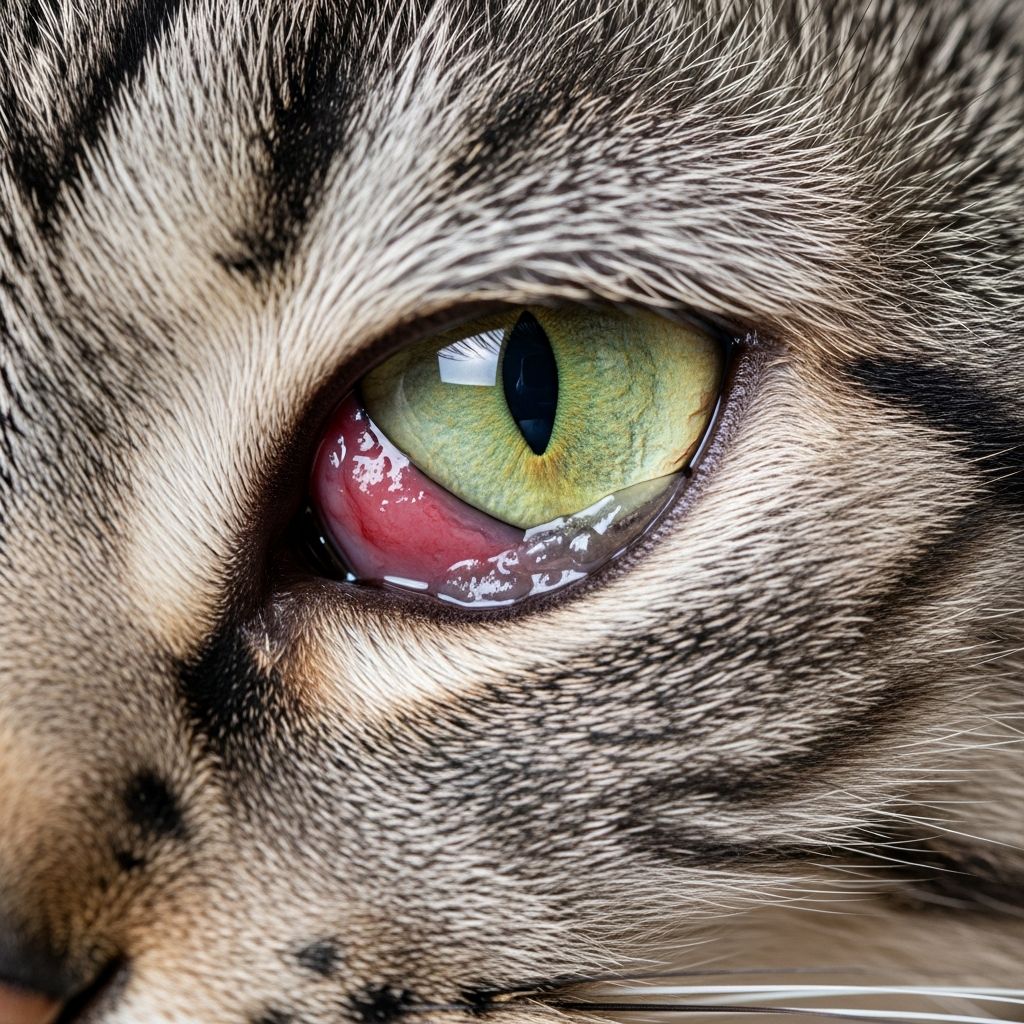
Understanding Chlamydial Conjunctivitis in Cats
Chlamydial conjunctivitis is one of the most common infectious eye conditions affecting domestic cats worldwide. This condition is caused by the bacterium Chlamydophila felis (formerly known as Chlamydia psittaci), which specifically targets the conjunctiva—the delicate membrane lining the eyelids and covering the white part of the eye. Understanding this condition is essential for cat owners, as early detection and treatment can prevent complications and ensure your feline companion maintains good eye health.
The infection occurs when the bacteria invade the conjunctival tissues, triggering an inflammatory response that leads to characteristic signs of eye irritation. Chlamydial conjunctivitis accounts for a significant percentage of infectious conjunctivitis cases in cats, making it one of the most frequently encountered eye problems in veterinary medicine. The condition can affect one or both eyes and may range from mild to severe, depending on the individual cat’s immune response and the duration of infection.
Causes and Risk Factors
Chlamydial conjunctivitis spreads primarily through direct contact with infected eye secretions. When an infected cat rubs its eyes and then touches other cats, or when cats share food bowls, litter boxes, or close living spaces, the bacteria can be transmitted. Environmental surfaces contaminated with infected discharge can also serve as transmission routes, making the infection particularly common in multi-cat households and shelter environments.
Several factors increase a cat’s susceptibility to chlamydial infection:
– Young kittens with underdeveloped immune systems- Cats living in crowded conditions such as shelters or breeding facilities- Immunocompromised cats or those with underlying health conditions- Cats experiencing stress, which can suppress immune function- Cats with concurrent upper respiratory infections- Recent exposure to newly introduced cats or stray animals
It’s important to note that while chlamydial conjunctivitis is highly contagious among cats, it poses minimal risk to humans, though basic hygiene practices should still be followed when handling infected animals.
Clinical Symptoms and Signs
Cat owners should remain vigilant for the following symptoms, which may appear gradually or develop rapidly:
– Eye discharge: One of the hallmark signs is mucoid or mucopurulent discharge that ranges from clear to yellowish-green in color. This discharge often crusts over on the eyelids, particularly visible after sleep.- Conjunctival redness and swelling: The conjunctiva becomes visibly inflamed, appearing bright red and swollen, with the eye taking on a watery appearance.- Squinting and excessive blinking: Affected cats frequently squint or blink excessively due to ocular discomfort and light sensitivity.- Third eyelid prominence: The nictitating membrane (third eyelid) may partially cover the eye, giving the eye a partially closed appearance.- Photophobia: Cats with chlamydial conjunctivitis often display sensitivity to light, preferring dimly lit areas and avoiding bright environments.- Behavioral changes: Cats may hide more frequently, show reduced appetite, or display general lethargy due to discomfort and systemic effects of infection.- Mild respiratory symptoms: Some cats may develop sneezing or upper respiratory signs, as chlamydial infection can occasionally involve the respiratory tract.
The condition typically begins in one eye but frequently progresses to bilateral involvement (both eyes) within days to weeks if left untreated. Unlike some other causes of feline conjunctivitis, chlamydial infection tends to be more persistent and slower to resolve without appropriate therapy.
Diagnosis of Chlamydial Conjunctivitis
Accurate diagnosis is crucial for appropriate treatment. Your veterinarian will employ several diagnostic approaches:
Physical Examination
The veterinarian begins with a thorough ocular examination using appropriate lighting and magnification. They assess the degree of conjunctival inflammation, note the characteristics of eye discharge, and examine the cornea for any ulceration or scarring that may result from the infection.
Cytology and Culture
Samples are collected from the conjunctival surface using sterile swabs. These samples may be examined under a microscope to observe the inflammatory response, or cultured on special media to identify Chlamydophila felis specifically. Culture remains the gold standard for diagnosis but requires several days for results.
Immunological Testing
Modern diagnostic techniques include immunofluorescence staining and polymerase chain reaction (PCR) tests, which can detect chlamydial antigens or DNA with high specificity and sensitivity. These methods provide faster results than traditional culture methods, often within 24-48 hours.
Corneal Staining
Fluorescein stain may be applied to the eye to check for corneal ulceration, which can occur secondary to severe conjunctival inflammation and excessive eye rubbing.
Treatment Options
Topical Antibiotic Therapy
Topical treatment forms the foundation of chlamydial conjunctivitis management. Tetracycline ophthalmic ointment is the preferred first-line treatment, applied directly to the affected eye(s) typically 2-4 times daily. This broad-spectrum antibiotic effectively targets Chlamydophila felis and penetrates well into conjunctival tissues. Treatment duration generally ranges from 2-4 weeks, depending on the severity and response to therapy.
Alternative topical antibiotics include chloramphenicol drops or fluoroquinolone-based ophthalmic preparations, which may be recommended if tetracycline ointment causes irritation or if the cat shows inadequate response.
Systemic Antibiotic Therapy
Oral antibiotics are frequently prescribed, particularly azithromycin, which accumulates well in ocular tissues and achieves therapeutic concentrations in the conjunctiva. Systemic therapy is especially beneficial because it treats the infection from within, helping to clear any bacteria that may have invaded deeper ocular structures. Doxycycline is another systemic option, though it requires careful dosing and administration to minimize esophageal irritation in cats.
Supportive Care Measures
Beyond antimicrobial therapy, supportive care significantly improves comfort and healing:
– Gentle removal of eye discharge using warm, damp cotton pads or veterinary-approved eye washes- Use of humidifiers to ease any associated respiratory congestion- Provision of a quiet, stress-free environment to promote healing- Maintenance of proper nutrition to support immune function- Pain management with appropriate analgesics if needed
Management of Secondary Issues
If corneal ulceration has developed, additional medications such as healing-promoting drops or protective ointments may be necessary. In severe cases with significant corneal involvement, topical corticosteroids may be cautiously administered under close veterinary supervision to reduce inflammation while antimicrobial therapy addresses the underlying infection.
Treatment Duration and Prognosis
Most cases of uncomplicated chlamydial conjunctivitis respond well to appropriate treatment over 7-14 days, though some cats may require extended therapy of 2-4 weeks or longer. The infection occasionally becomes chronic, necessitating prolonged or intermittent treatment. It’s essential to complete the full course of prescribed antibiotics even if symptoms improve, as premature discontinuation may result in relapse or treatment failure.
With appropriate and timely treatment, the prognosis for chlamydial conjunctivitis is generally excellent. Most cats achieve complete resolution without permanent ocular damage. However, in cases where diagnosis and treatment are delayed, chronic changes to the conjunctiva and cornea may occur, potentially leading to long-term complications.
Prevention and Control Measures
Preventing chlamydial conjunctivitis requires a multi-faceted approach, especially in multi-cat environments:
– Hygiene practices: Maintain separate food and water bowls, litter boxes, and bedding for infected cats. Regularly clean and disinfect environmental surfaces using diluted bleach solutions.- Isolation protocols: Isolate infected cats from other felines during the contagious period, typically for at least 2-3 weeks of treatment.- Hand hygiene: Wash hands thoroughly after handling infected cats to prevent accidental transmission.- Stress reduction: Minimize environmental stressors that can compromise immune function and increase infection risk.- Regular veterinary care: Maintain routine health checks and vaccinations, as overall health status influences susceptibility to infection.- Quarantine procedures: Quarantine newly acquired cats or shelter animals for 1-2 weeks before introducing them to existing household cats.
When to Contact Your Veterinarian
Contact your veterinarian promptly if your cat exhibits any of the following:
– Persistent eye discharge lasting more than 24 hours- Conjunctival redness or swelling- Excessive squinting or eye rubbing- Cloudiness or apparent pain in the eye- Reluctance to open affected eye(s)- Signs of systemic illness accompanying eye symptoms- Lack of improvement after several days of treatment- Worsening of symptoms despite ongoing medication
Frequently Asked Questions
Q: Is chlamydial conjunctivitis contagious to humans?
A: While Chlamydophila felis is species-specific and rarely infects humans, basic hygiene precautions such as hand washing are still recommended when handling infected cats to prevent any potential risk of transmission.
Q: Can my cat’s chlamydial conjunctivitis return after treatment?
A: Yes, reinfection is possible if your cat is exposed to infected animals. Additionally, some cats may become chronic carriers, though this is less common with appropriate treatment. Maintaining good hygiene and limiting exposure to potentially infected cats reduces recurrence risk.
Q: How long does treatment typically take?
A: Most cases respond to 2-4 weeks of combined topical and systemic antibiotic therapy. Some cats may require extended treatment, particularly if the infection has become chronic or if complications have developed.
Q: Can I use over-the-counter eye drops for my cat?
A: No. Over-the-counter products are not appropriate for treating chlamydial conjunctivitis. Your veterinarian must prescribe specific antimicrobial medications tailored to your cat’s condition and medical history.
Q: Will my cat develop immunity after recovering from chlamydial conjunctivitis?
A: Recovery from chlamydial conjunctivitis does not provide complete immunity. Cats can be reinfected if exposed to the bacterium again, which is why prevention measures remain important in multi-cat households.
Q: What happens if chlamydial conjunctivitis goes untreated?
A: Untreated chlamydial conjunctivitis can lead to chronic inflammation, corneal ulceration, scarring, and potentially vision problems. The infection may also spread to other parts of the eye, causing more serious ocular complications. Additionally, the persistent discomfort significantly impacts your cat’s quality of life.
References
- Conjunctivitis in Cats (Cat Pink Eye) — PetMD. 2024. https://www.petmd.com/cat/conditions/eyes/c_ct_conjunctivitis
- Cat Eye Infections: Symptoms & Treatment Options — Saratoga Veterinary Hospital. 2024. https://saratogavethosp.com/blog/cat-eye-infection/
- Cat Eye Infections: Home Remedies — Animal Eye Guys, South Florida Veterinary Partners. 2023. https://www.animaleyeguys.com/site/blog/2023/10/15/cat-eye-infection-home-remedy
- Cat Eye Infections – Symptoms & Treatments — VetMed Center Long Island. 2024. https://www.vmcli.com/site/blog/2024/01/04/cat-eye-infection
- Eye problems in cats: common eye issues — Cats Protection. 2024. https://www.cats.org.uk/help-and-advice/health/eye-problems-in-cats
- Cat Eye Discharge and Eye Problems — WebMD Pets. 2024. https://www.webmd.com/pets/cats/eye-discharge-in-cats
- A Guide to Cat Eye Infection Treatment and Prevention — Faithful Friends Veterinary Clinic. 2023. https://faithfulfriendsvetclinic.com/a-guide-to-cat-eye-infection-treatment-and-prevention/
Similar Articles








Read full bio of Sneha Tete




