

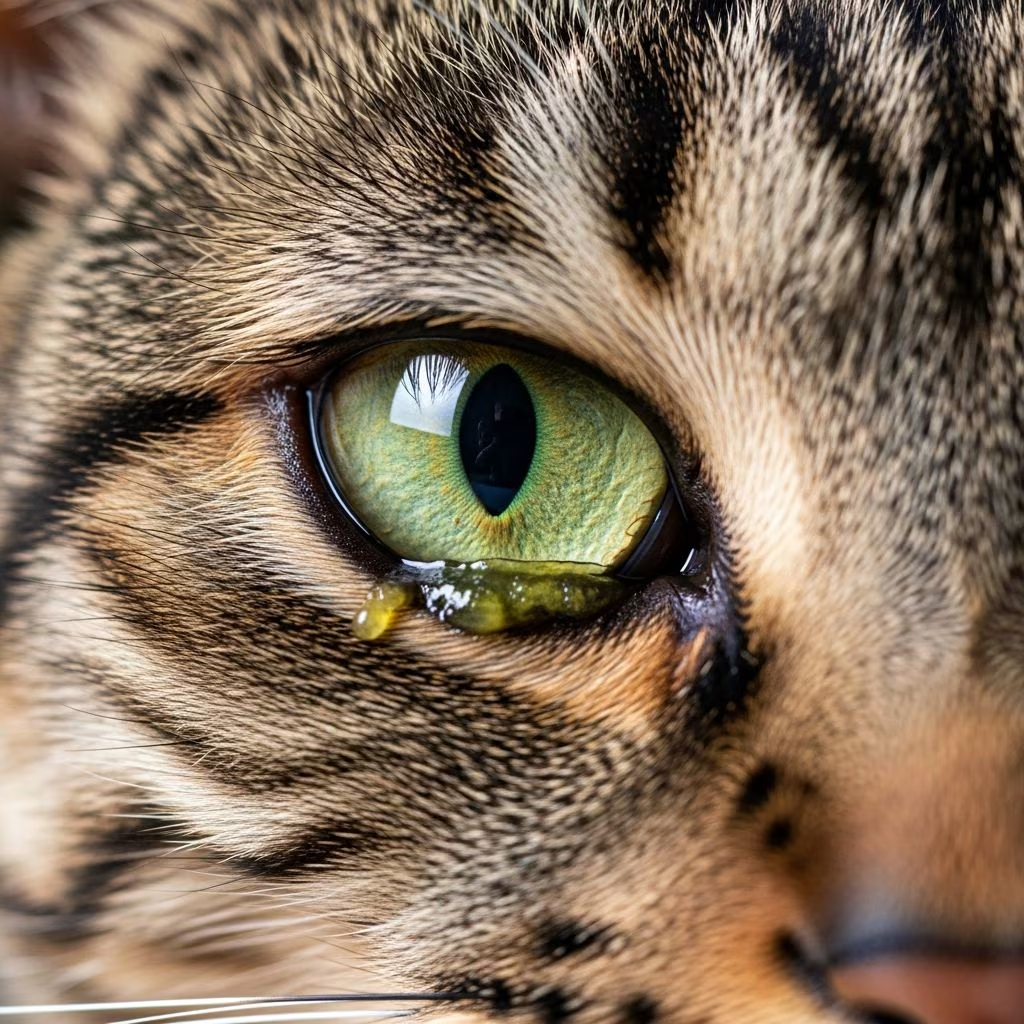
Understanding Chlamydial Conjunctivitis in Cats
Chlamydial conjunctivitis, also known as feline chlamydial infection or chlamydia eye infection, is one of the most common infectious causes of conjunctivitis in cats. This condition results from infection with the bacterium Chlamydophila felis, which primarily affects the conjunctival tissues of the eye. While chlamydial conjunctivitis can occur in cats of any age, it is particularly prevalent in young kittens, cats living in multi-cat environments, and sheltered or rescued felines. Understanding this condition is crucial for cat owners, as early recognition and treatment can prevent complications and discomfort for their feline companions.
What is Chlamydial Conjunctivitis?
Chlamydial conjunctivitis is an infection of the conjunctiva—the clear membrane that covers the white part of the eye and lines the inside of the eyelids—caused by the intracellular bacterium Chlamydophila felis. This pathogen is gram-negative and obligate intracellular, meaning it can only survive and replicate inside host cells. The infection primarily affects the conjunctival epithelium, leading to inflammation and characteristic clinical signs. Unlike some other forms of feline conjunctivitis, chlamydial infection tends to be localized to the eye initially, though systemic involvement can occasionally occur.
The significance of chlamydial conjunctivitis lies not only in its frequency but also in its potential chronicity. Without appropriate treatment, infected cats may develop chronic conjunctivitis lasting several weeks to months. Additionally, recovered cats can remain carriers of the organism, potentially shedding it intermittently and serving as a source of infection for other felines in multi-cat households.
Transmission and Risk Factors
Chlamydophila felis spreads primarily through direct contact with infected secretions. Cats can acquire the infection through exposure to ocular and nasal discharge from infected cats. The bacterium can also be transmitted through contaminated environmental surfaces, shared food and water bowls, litter boxes, and grooming materials. Close proximity and inadequate hygiene practices increase transmission risk significantly.
Risk factors for chlamydial conjunctivitis include:
- Young age (kittens are particularly susceptible)
- Multi-cat households or shelters with high cat density
- Stress from overcrowding, inadequate nutrition, or environmental changes
- Concurrent viral infections, particularly feline herpesvirus-1 (FHV-1)
- Poor sanitation and hygiene practices
- Recent introduction of new cats to a household
- Immunosuppression from diseases like feline leukemia virus (FeLV) or feline immunodeficiency virus (FIV)
Clinical Signs and Symptoms
The clinical presentation of chlamydial conjunctivitis in cats varies in severity and can range from mild to severe. Symptoms typically develop gradually over several days, though acute presentations are possible. Recognizing these signs early enables prompt veterinary intervention and reduces the duration of discomfort.
Common clinical signs include:
- Conjunctival redness and swelling
- Clear, mucoid, or mucopurulent ocular discharge
- Excessive tearing and epiphora
- Squinting or blepharospasm
- Photophobia (light sensitivity)
- Chemosis (conjunctival edema)
- Preorbital swelling
- Follicular conjunctivitis appearance
A distinctive feature of chlamydial conjunctivitis is that it frequently begins unilaterally (affecting one eye) but often progresses to bilateral involvement within days to weeks if untreated. The discharge characteristically starts as clear or mucoid and may progress to mucopurulent material. Cats may exhibit behavioral changes such as increased grooming of the periocular region, reluctance to open the affected eye(s), or general malaise if systemic signs develop.
Diagnosis of Chlamydial Conjunctivitis
Accurate diagnosis of chlamydial conjunctivitis is essential for appropriate treatment and to differentiate it from other causes of feline conjunctivitis. While clinical signs may suggest chlamydial infection, definitive diagnosis requires specific diagnostic testing.
Diagnostic methods employed by veterinarians include:
| Diagnostic Test | Description |
|---|---|
| Direct Fluorescent Antibody (DFA) Staining | Detects chlamydial antigens in conjunctival cells; quick results within hours |
| Polymerase Chain Reaction (PCR) | Highly sensitive and specific method detecting chlamydial DNA; gold standard for diagnosis |
| Cytology | Examination of conjunctival scrapings shows inflammation but cannot definitively identify the organism |
| Culture | Specialized cell culture; less commonly used due to technical requirements and slower results |
| ELISA Testing | Enzyme-linked immunosorbent assay detecting chlamydial antigens |
The veterinarian typically obtains samples by gently rolling a sterile dacron or calcium alginate swab across the conjunctiva. PCR testing is increasingly preferred due to its superior sensitivity and specificity, particularly in diagnosing early infections or chronic carrier states. The diagnosis should be confirmed before initiating treatment, as this ensures appropriate antibiotic selection and helps guide management decisions in multi-cat households.
Treatment Approaches for Chlamydial Conjunctivitis
Effective treatment of chlamydial conjunctivitis requires appropriate antibiotic therapy targeted at eliminating the intracellular bacterium. Since Chlamydophila felis is an obligate intracellular organism, antibiotics that can penetrate host cells and reach therapeutic concentrations within infected cells are essential.
Topical Antibiotic Therapy
Topical ophthalmic antibiotics are the first-line treatment for chlamydial conjunctivitis in cats. Tetracycline ophthalmic ointment has historically been the gold standard topical treatment, offering excellent ocular penetration and efficacy against chlamydial organisms. The ointment should be applied directly to the affected eye(s), typically 2-4 times daily, with treatment duration generally ranging from 3-6 weeks depending on severity and response to therapy. Proper application technique is critical; owners should be instructed to place a small ribbon of ointment (approximately 1/4 to 1/2 inch) into the lower conjunctival sac and allow the cat to close its eyes, distributing the medication across the ocular surface.
Systemic Antibiotic Therapy
Oral or systemic antibiotics are often recommended to supplement topical therapy, particularly in cases of bilateral infection or when topical administration proves challenging. Azithromycin oral antibiotic is frequently prescribed for chlamydial conjunctivitis, as this macrolide antibiotic achieves good intraocular penetration and has proven efficacy against chlamydial organisms. Azithromycin can be administered orally and offers the advantage of treating both ocular and potential systemic involvement. Typical dosing protocols involve administration for 7-10 days, though duration may be extended in chronic cases.
Doxycycline represents another systemic option for treating chlamydial infections in cats, though dose selection must account for feline-specific pharmacokinetics. Some practitioners combine topical and systemic therapy for comprehensive antimicrobial coverage and to minimize treatment duration.
Adjunctive Treatments
In addition to antimicrobial therapy, supporting treatments may enhance recovery and improve comfort. Anti-inflammatory topical medications can reduce conjunctival inflammation and associated discomfort. Artificial tears or lubricating ointments may provide comfort, particularly if the infection causes dry eye or corneal involvement. Pain management should be considered, as conjunctivitis is painful; systemic analgesics or topical anesthetics (for brief periods) may alleviate feline discomfort during treatment.
Treatment Duration and Expected Recovery
The duration of treatment for chlamydial conjunctivitis varies depending on individual cases but typically requires 3-6 weeks of antimicrobial therapy. Most cases show clinical improvement within 7-10 days of appropriate treatment, though complete resolution may take longer. Some cats develop chronic conjunctivitis requiring prolonged treatment extending beyond 6 weeks.
Recovery and management require consistent owner compliance with medication administration. Regular follow-up veterinary examinations allow the clinician to assess treatment response and adjust therapy if necessary. Premature cessation of antibiotics risks incomplete resolution and potential recurrence of clinical signs.
Management in Multi-Cat Households
Chlamydial conjunctivitis presents particular challenges in multi-cat environments. Because the infection spreads readily through direct contact with infectious secretions, preventing transmission to uninfected cats requires strategic management:
- Isolate infected cats from other felines during the acute infection period
- Implement strict hygiene protocols, including separate food and water bowls, litter boxes, and bedding
- Wash hands thoroughly after handling infected cats and before contact with other felines
- Use separate grooming tools and supplies for infected individuals
- Clean and disinfect contaminated surfaces with appropriate disinfectants
- Screen other cats for chlamydial infection, particularly those showing any ocular signs
- Treat all infected cats simultaneously to reduce re-infection cycles
Prevention Strategies
Preventing chlamydial conjunctivitis primarily involves minimizing exposure to infected cats and maintaining excellent husbandry practices. Vaccination against feline chlamydial infection is available in some regions, though vaccine efficacy remains variable. In high-risk environments such as shelters or catteries, vaccination may be considered as part of a comprehensive infection control strategy.
Prevention measures include:
- Quarantine newly acquired cats for 7-10 days before introduction to existing cats
- Obtain health screening, including ocular examination, before bringing new cats into multi-cat households
- Maintain optimal environmental conditions: adequate ventilation, low stress, proper nutrition
- Ensure appropriate cage size and sanitation in sheltered environments
- Practice rigorous hand hygiene and use protective equipment when handling potentially infected cats
- Minimize stress through appropriate enrichment and handling practices
- Consider vaccination in high-risk populations where available
When to Seek Veterinary Care
Cat owners should contact their veterinarian if their cat exhibits signs of ocular infection, particularly conjunctival redness, discharge, squinting, or apparent eye discomfort. Early veterinary intervention improves outcomes and reduces disease duration. Urgent evaluation is warranted if the cat experiences sudden vision loss, severe eye pain, or signs suggesting corneal involvement such as clouding of the cornea or persistent photophobia.
Frequently Asked Questions
Q: Is chlamydial conjunctivitis contagious to humans?
A: While Chlamydophila felis can theoretically infect humans, such transmission is extremely rare. Standard hygiene practices, including handwashing after handling infected cats, minimize any risk.
Q: Can chlamydial conjunctivitis resolve without treatment?
A: While some mild cases may eventually self-resolve, this process typically takes weeks to months, during which the cat suffers discomfort and remains infectious to other cats. Veterinary treatment significantly accelerates resolution and improves welfare outcomes.
Q: How long does treatment typically last?
A: Most cases require 3-6 weeks of antimicrobial therapy, with clinical improvement often visible within 7-10 days of initiating appropriate treatment. Some chronic cases may require extended therapy.
Q: Will my cat have permanent eye damage from chlamydial conjunctivitis?
A: With appropriate and timely treatment, most cases resolve completely without permanent sequelae. However, untreated cases or those with delayed treatment may develop complications such as chronic conjunctivitis or scarring.
Q: Can infected cats become chronic carriers?
A: Yes, some cats shed chlamydial organisms intermittently after apparent clinical recovery, potentially serving as infection sources for other cats. This underscores the importance of thorough treatment and continued infection control measures.
References
- Conjunctivitis in Cats — VCA Animal Hospitals. 2024. https://vcahospitals.com/know-your-pet/conjunctivitis-in-cats
- Cat Eye Infections: Home Remedies — South Florida Vets. 2023-10-15. https://www.animaleyeguys.com/site/blog/2023/10/15/cat-eye-infection-home-remedy
- Conjunctivitis in Cats (Cat Pink Eye) — PetMD. 2024. https://www.petmd.com/cat/conditions/eyes/c_ct_conjunctivitis
- Cat Eye Infections: Causes, Symptoms, and Treatment — Noble Vet Clinic. 2024. https://noblevetclinic.com/blog/cat-eye-infections



