

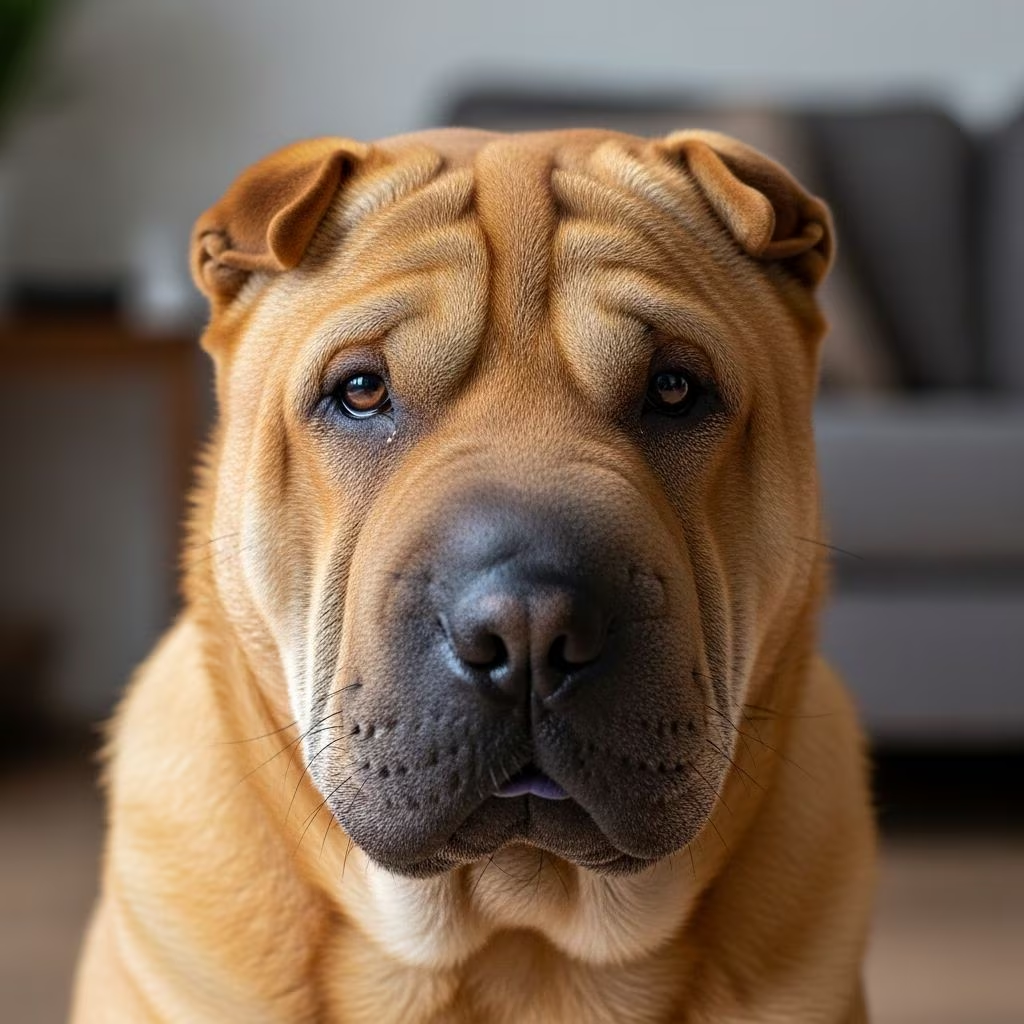
The Chinese Shar-Pei stands out as a distinctive breed known for its loose, wrinkled skin, compact build, and independent spirit. Originating from ancient China, these dogs combine a serene demeanor with strong protective instincts, making them devoted companions for experienced owners.
Origins and Historical Role
Tracing back over 2,000 years, the Shar-Pei emerged in southern China, likely descending from the Han Dog lineage. Bred primarily as multi-purpose workers, they guarded properties, herded livestock, and hunted small game. Their name, translating to “sand skin,” reflects the harsh, bristly coat that distinguished them from smoother breeds.
During the Han Dynasty, Shar-Peis served in various capacities, from farm sentinels to fighters in organized matches—a practice that nearly led to their extinction by the mid-20th century. A breed enthusiast in Hong Kong initiated revival efforts in the 1970s, shipping specimens worldwide and preserving the standard through dedicated breeding programs. Today, recognized by major kennel clubs, they embody resilience and cultural heritage.
Physical Characteristics
Shar-Peis possess a medium-sized, square-proportioned body with heights ranging from 18 to 20 inches at the shoulder and weights between 45 and 60 pounds. Their most iconic feature is the abundance of loose skin folds covering the head, neck, and shoulders, which diminishes somewhat as they mature.
Key traits include:
- Head and Face: Broad skull with a hippopotamus-like muzzle, small triangular ears that lie flat, and deep-set, almond-shaped eyes often appearing expressive or scowling due to skin folds.
- Tongue: Distinctive blue-black pigmentation, shared uniquely with the Chow Chow.
- Coat: Short, harsh, and straight in solid colors like black, red, sable, or cream—never spotted or merle.
- Tail: Thick at the base, tapering to a curl held high over the back.
- Build: Muscular yet compact, with straight legs and a sturdy frame supporting agile movement.
| Feature | Description | Variations |
|---|---|---|
| Height | 17-20 inches | Males slightly taller |
| Weight | 35-64 lbs | Females lighter |
| Coat Colors | Solid shades | Excludes white |
| Skin Folds | Excessive on pups | Tightens with age |
This unique morphology not only aids in identification but also historically provided protection in confrontations.
Temperament and Personality
Shar-Peis exhibit a calm, confident personality, often described as aloof with strangers yet deeply affectionate toward family. Their independent nature stems from guarding heritage, leading them to prefer activities on their terms rather than constant interaction.
They bond strongly with one primary person, displaying loyalty that borders on devotion. While serene at home, they remain vigilant, making excellent watchdogs without excessive barking. Socialization from puppyhood is crucial to temper their wariness of unfamiliar people and dogs, preventing potential aggression.
Traits summary:
- Intelligent and quick learners, responsive to firm, consistent handling.
- Moderate energy levels; content with relaxed lifestyles but enjoy purposeful outings.
- Not overly playful; value quiet companionship over boisterous games.
- Protective instincts require supervised introductions to children and pets.
Ideal for adults or families with older kids, they thrive in stable environments where their space is respected.
Grooming and Maintenance
The Shar-Pei’s wrinkled skin demands diligent care to avert infections. Weekly baths with medicated shampoos keep folds clean and dry; thorough drying post-bath prevents moisture buildup.
Coat care is minimal—brush weekly to remove debris, as the short fur sheds lightly year-round. Nail trims every 4-6 weeks and ear cleanings bi-weekly mitigate common issues like yeast buildup in moist areas.
Dental hygiene is vital; provide chew toys and brush teeth several times weekly to combat periodontal disease prevalent in flat-faced breeds.
Exercise and Lifestyle Fit
Moderate exercisers, Shar-Peis need 30-45 minutes daily of walks, play, or mental stimulation. They adapt well to apartments if exercised consistently, disliking extreme heat due to brachycephalic traits despite not being flat-faced like Bulldogs.
Engage them with puzzle toys or scent games to satisfy hunting roots. Avoid off-leash areas unless well-trained, given their high prey drive toward small animals.
Training Essentials
Shar-Peis respond best to positive reinforcement and early, consistent training. Their stubborn streak necessitates patience; short, frequent sessions build obedience without frustration.
Focus areas:
- Socialization: Expose to diverse stimuli from 8-16 weeks.
- Basic commands: Leash manners crucial for safety.
- Boundary setting: Discourage resource guarding tendencies.
Professional classes aid in curbing dog aggression and enhancing recall.
Nutrition and Diet
Feed high-quality, breed-appropriate kibble portioned to maintain ideal weight—typically 2-3 cups daily, split into meals. Monitor for allergies common in the breed, opting for limited-ingredient formulas if needed.
Puppies require growth-formulated food until 12-18 months; seniors benefit from joint-supportive additives like glucosamine.
Health Considerations
Average lifespan is 9-11 years, with predispositions to:
- Shar-Pei Fever: Periodic inflammation causing swelling and fever.
- Skin Issues: Pyoderma in folds; demodex mange in youth.
- Joint Problems: Hip/elbow dysplasia, patellar luxation.
- Eye Conditions: Entropion (inward-rolling lids), cataracts.
- Other: Bloat risk, hypothyroidism, amyloidosis.
Annual vet checks, genetic screening for breeders, and prompt fold care extend quality life. Pet insurance covers breed-specific risks effectively.
Is a Shar-Pei Right for You?
Best suited for committed, experienced owners valuing independence over exuberance. They offer quiet loyalty in exchange for routine care and boundaries.
Frequently Asked Questions
Are Chinese Shar-Peis good family dogs?
They can be with proper socialization, but their independence suits households without toddlers better.
How often should I clean Shar-Pei wrinkles?
Daily inspection, weekly cleaning to prevent infections.
Do Shar-Peis get along with other pets?
Possible with early introductions; monitor due to prey drive.
What’s the best training method for Shar-Peis?
Positive reinforcement with consistency.
How much exercise do they need?
30-60 minutes daily, tailored to age.
References
- Chinese Shar-Pei Breed: Characteristics, Care & Photos — Chewy. 2025-10-22. https://www.chewy.com/education/dog-breeds/shar-pei
- Shar Pei Character & Temperament — Pedigree UK. N/A. https://www.uk.pedigree.com/dog-advice/dog-breeds/shar-pei
- The Shar-pei Dog Breed — Hill’s Pet Nutrition. N/A. https://www.hillspet.com/dog-care/dog-breeds/shar-pei
- Chinese Shar-Pei Dog Breed Health and Care — PetMD. N/A. https://www.petmd.com/dog/breeds/shar-pei
- Shar Pei — Wikipedia. N/A. https://en.wikipedia.org/wiki/Shar_Pei
- Chinese Shar-Pei — American Kennel Club. N/A. https://www.akc.org/dog-breeds/chinese-shar-pei/



