

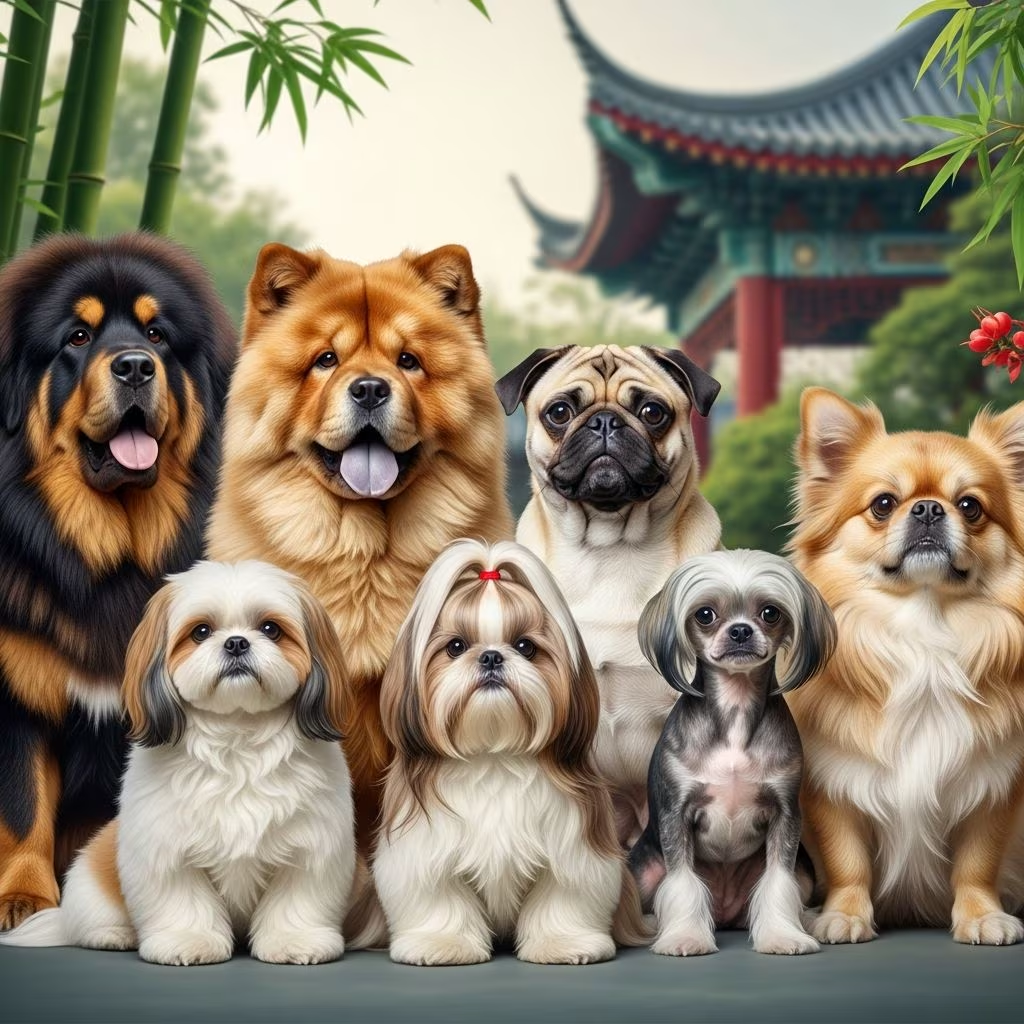
China has a rich and ancient history of dog breeding, producing some of the world’s most distinctive and beloved dog breeds. Chinese dog breeds are characterized by their unique appearances, independent spirits, and deep loyalty to their families. Many of these breeds were originally developed for specific purposes, from imperial companions to working guard dogs, and their lineage can be traced back thousands of years. Whether you’re considering adopting a Chinese dog breed or simply want to learn more about these fascinating companions, understanding their individual traits and care requirements is essential.
1. Pug
The Pug is one of the most recognizable and beloved Chinese dog breeds in the world. These small dogs are easily identified by their distinctive flat face, short coat, and characteristic curly tail that curves over their back. Pugs typically weigh between 14 to 18 pounds and stand about 10 to 11 inches tall, making them perfect companions for apartment living and families with limited space.
History and Heritage
The Pug’s affectionate personality made these dogs incredibly popular with Chinese emperors throughout history. In fact, these breeds were so highly prized that the Pug Dog Club of America notes that the dogs were sometimes guarded by soldiers to protect them from theft. Pugs held a special place in imperial courts, where they were treated as treasured companions and lived luxurious lives.
Temperament and Personality
Pugs are known for their playful, charming, and affectionate nature. They are excellent companions for families and thrive on human interaction and attention. These dogs love being the center of attention and are often referred to as “clowns” of the dog world due to their entertaining antics and humorous personalities. They are generally good with children and other pets, making them ideal family dogs.
Care Requirements
Pugs have moderate exercise needs and enjoy short walks and playtime indoors. Their short coats require minimal grooming, though regular brushing helps reduce shedding. One important consideration is their susceptibility to overheating due to their flat faces, so owners should avoid strenuous exercise during hot weather and ensure access to cool environments.
2. Chow Chow
The Chow Chow is a distinctive medium to large-sized Chinese breed known for its striking appearance and independent personality. These dogs are characterized by their massive heads, wrinkled faces that appear to be scowling, and their signature blue-black tongue—a unique trait that sets them apart from other dog breeds.
Physical Characteristics
Chow Chows are strong and muscular dogs with incredible athletic ability. Their long, thick coat requires constant brushing and grooming and can make the dogs very uncomfortable in summer months. They still retain their historical hunting abilities and are used in China to hunt Mongolian pheasants and Yunnan birds. Their imposing physical presence combined with their alert demeanor makes them excellent guard dogs.
Temperament and Behavior
Chow Chows have a well-deserved reputation for being independent, suspicious, and aloof, particularly with strangers. According to the International Encyclopedia of Dogs, “It has said that the Chow will die for his master but not readily obey him; walk with him but not trot meekly to heel; honor him, but not fawn on his friends and relations.” They are naturally protective of their family and territory and will defend them fiercely if necessary. These dogs require an experienced dog parent and consistent positive reinforcement training to manage their independent streak.
Training and Socialization
Early socialization is crucial for Chow Chows to help them become well-rounded companions. They respond best to confident, consistent owners who can establish clear boundaries and expectations. Positive reinforcement training methods work better than punishment-based approaches with this intelligent but stubborn breed.
3. Chinese Shar-Pei
The Chinese Shar-Pei is instantly recognizable for its distinctive loose skin folds on the face, neck, and shoulders. This ancient breed has an early history dating back more than 2,000 years to the southern provinces of China. The Shar-Pei’s unusual appearance combined with its unique personality makes it one of the most sought-after Chinese dog breeds.
Distinctive Features
Young Shar-Pei puppies have such pronounced wrinkles that they often look like an animal trapped in a potato sack. These wrinkles diminish somewhat as the dog matures, though they remain a defining characteristic. Additionally, Shar-Peis have small ears—a trait associated with many fighting dogs—and possess a distinctive head shape that has been compared to that of a hippopotamus. Like the Chow Chow, they also have a blue-black tongue and curved teeth that create a locked bite.
Personality and Temperament
The Chinese Shar-Pei shares many personality traits with the Chow Chow, including a smart but independent nature that requires an experienced dog parent. These dogs are steadfastly loyal to their families but maintain a standoffish demeanor with strangers. Many owners report that they value the dog’s intelligence and loyalty far more than its unique appearance, noting that Shar-Peis are great house and family dogs once properly trained and socialized.
Energy Levels and Exercise
Unlike more high-energy breeds, the Chinese Shar-Pei has only moderate energy needs and is usually content with a few short walks each day. This makes them suitable for owners who cannot provide intense daily exercise routines. They are relatively calm dogs that enjoy relaxing at home with their families.
4. Pekingese
The Pekingese is a small dog breed characterized by a long and flowy coat, flat face, and stout build. These dogs are typically very attached to their favorite human and are well-known for being affectionate, though they can also be quite vocal. The Pekingese combines marked dignity with an exasperating stubbornness that only endears them more to their owners.
Royal Heritage
Royal in every way, the Pekingese is indeed the most popular dog breed from China. They are rich in legacy and history, revered by members of China’s Tang Dynasty to the point where only royalty could own one. What truly captures attention is the Pekingese’s luxurious, long coat—a feature that sets them apart from other breeds and requires regular maintenance and grooming.
Independence and Personality
The Pekingese is independent and regal in every gesture. According to the American Kennel Club, “It would be a great indignity to attempt to make a lap dog out of him.” However, not all small Chinese dogs are lap dogs. Pekingese are calm and good-tempered, employing a condescending cordiality toward the world in general, but in the privacy of their family, they enjoy nothing better than a good romp. Although never aggressive, they fear not the devil himself and have never been known to turn tail and run.
Vocalization and Guard Instincts
Pekingese don’t hesitate to bark, which was a desirable trait in the breed’s early history when they were used as tiny guard dogs in the imperial palaces of ancient China. Like other brachycephalic dogs with flat faces, the Pekingese is prone to snoring and overheating. Owners should provide adequate air conditioning and monitor them closely during hot weather to prevent heat-related health issues.
5. Chinese Crested
The Chinese Crested is a fine-boned, small dog who is wonderfully graceful and elegant. These dogs possess erect and rather large ears, almond-shaped eyes that are dark and radiate warmth, and one of the most unusual features in the dog world: long and amazingly dexterous toes. Owners report that Chinese Crested dogs can curl their toes around your fingers with surprising dexterity.
Size and Appearance
Chinese Crested dogs are extremely small, with males measuring less than 13 inches at the shoulder, while females may not exceed 12 inches. They come in two varieties: the hairless variety, which has soft skin on the body with hair on the head, ears, and tail, and the powderpuff variety, which has a full coat of soft hair. Both varieties are equally recognized and valued.
Temperament
Despite their delicate appearance, Chinese Crested dogs have spirited and affectionate personalities. They bond closely with their families and thrive on companionship and attention. These dogs are good with children and other pets when properly socialized, though their small size means they should be supervised around very young children who might accidentally hurt them.
General Care Considerations for Chinese Dog Breeds
Grooming Needs
Chinese dog breeds have varying grooming requirements depending on their coat type. Breeds like the Pekingese, Chow Chow, and Chinese Crested powderpuff require regular brushing to maintain coat health and prevent matting. Short-coated breeds like the Pug and hairless Chinese Crested need less frequent grooming but may require special skin care.
Health Considerations
Brachycephalic breeds such as Pugs and Pekingese are prone to respiratory issues, overheating, and eye problems due to their flat faces. Shar-Peis may experience skin infections in their wrinkles if not kept clean and dry. Regular veterinary check-ups are essential to monitor for breed-specific health issues.
Training and Socialization
Most Chinese dog breeds have independent streaks and require experienced owners who can provide consistent, positive reinforcement training. Early socialization is crucial to help these dogs become well-adjusted family members and to manage their natural wariness of strangers.
Frequently Asked Questions About Chinese Dog Breeds
Q: Are all Chinese dog breeds small?
A: No, Chinese dog breeds come in various sizes. While Pugs, Pekingese, and Chinese Crested are small breeds, Chow Chows are medium to large, and Tibetan Mastiffs are giant breeds. Shar-Peis fall in the medium range.
Q: Do Chinese dog breeds get along with other pets?
A: This depends on the individual breed and dog. Many Chinese breeds can be territorial and may require careful introductions to other pets. Early socialization significantly improves their ability to coexist peacefully with other animals.
Q: How much exercise do Chinese dog breeds need?
A: Exercise needs vary by breed. Pugs and Shar-Peis need moderate activity with short walks, while Chow Chows benefit from regular exercise. Small breeds like the Chinese Crested can get adequate exercise through indoor play.
Q: Are Chinese dog breeds good for first-time dog owners?
A: Some Chinese breeds, like Pugs, can be suitable for first-time owners due to their affectionate nature. However, breeds like Chow Chows and Shar-Peis require experienced owners who understand their independent temperament and can provide firm, consistent training.
Q: What is the lifespan of Chinese dog breeds?
A: Most small Chinese dog breeds like Pugs and Pekingese live 12-15 years, while larger breeds like Chow Chows typically live 8-12 years. Proper care, nutrition, and veterinary attention can help maximize lifespan.
Q: Do Chinese dog breeds require professional grooming?
A: Breeds with long or thick coats, such as Pekingese and Chow Chows, benefit greatly from professional grooming every 6-8 weeks. Short-coated breeds need less professional grooming but benefit from regular home maintenance.
Conclusion
Chinese dog breeds represent a fascinating collection of canine companions with rich histories, distinctive appearances, and complex personalities. From the affectionate Pug to the independent Chow Chow, from the wrinkled Shar-Pei to the regal Pekingese, each breed brings unique qualities to any household. Understanding their individual traits, care requirements, and temperament characteristics is essential for anyone considering bringing a Chinese dog breed into their home. With proper training, socialization, and dedicated care, these ancient breeds make wonderful, loyal, and entertaining family companions.
References
- 6 Chinese Dog Breeds – PetMD — PetMD. 2024. https://www.petmd.com/dog/general-health/chinese-dog-breeds
- Chinese Shar-Pei Dog Breed Information — American Kennel Club. 2024. https://www.akc.org/dog-breeds/chinese-shar-pei/
- Chinese Crested Dog Breed Information — American Kennel Club. 2024. https://www.akc.org/dog-breeds/chinese-crested/
- Types Of Chinese Dog Breeds – Dutch — Dutch. 2024. https://www.dutch.com/blogs/dogs/chinese-dog-breeds
- Chinese Dog Breeds – Facts and Details — Facts and Details. 2024. https://factsanddetails.com/china/cat12/sub81/item265.html



