

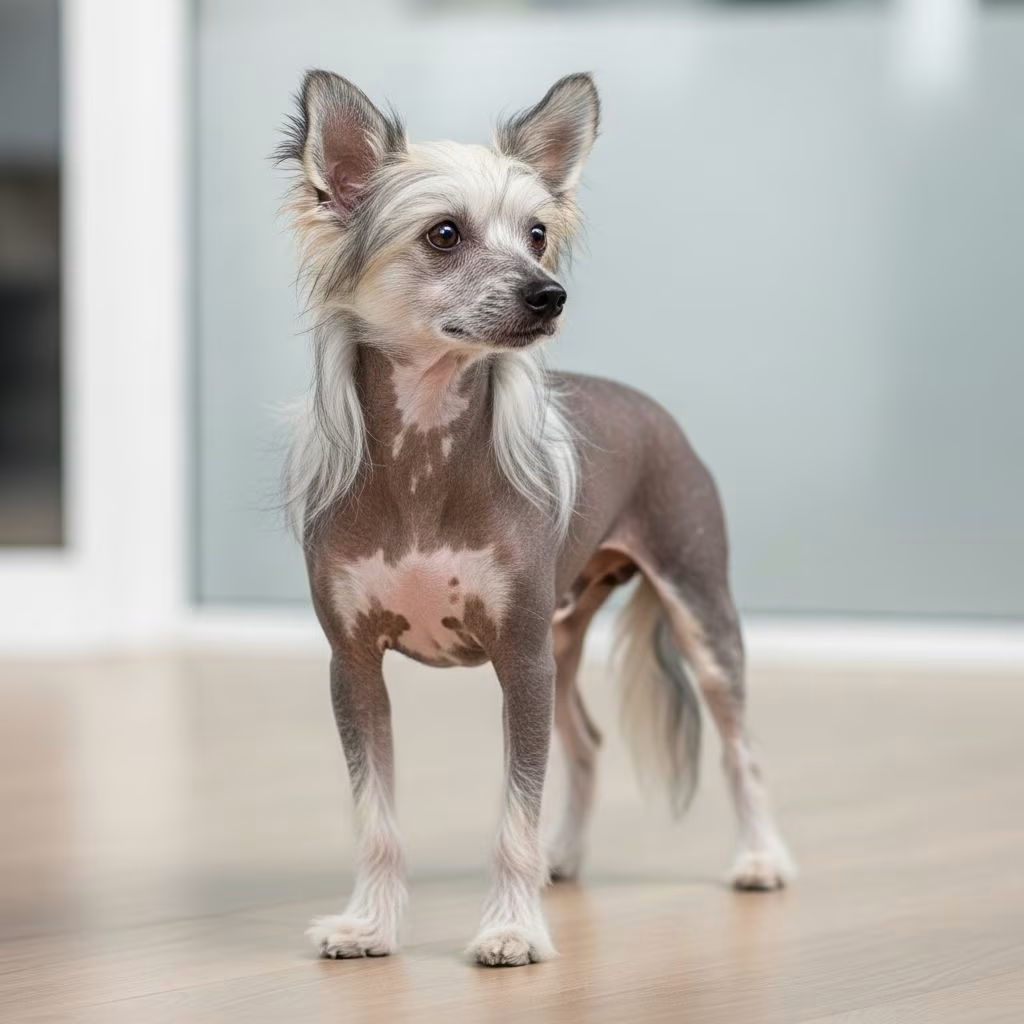
The Chinese Crested stands out as a captivating toy breed, renowned for its distinctive hairless or fluffy-coated varieties, graceful build, and deeply affectionate nature. Weighing 8-12 pounds and measuring 11-13 inches tall, these dogs blend elegance with playfulness, making them ideal companions for those seeking loyal lap warmers.
Origins and Development of the Breed
Tracing back centuries, the Chinese Crested emerged from ancient breeding practices in China, where hairless dogs were valued for their warmth on cold nights and potential pest-control abilities on ships. These dogs spread globally through trade routes, gaining recognition in the West during the 19th century. By the mid-20th century, dedicated breeders refined the breed into the two varieties we know today: the hairless type, featuring smooth skin with tufts of hair on the head, paws, and tail, and the powderpuff, fully covered in soft fur. The American Kennel Club officially recognized both in 1991, celebrating their unique genetics where a dominant gene dictates hairlessness, while powderpuffs result from recessive traits.
Historical accounts highlight their roles beyond companionship, including rat-catching on vessels during long voyages, which honed their alert and agile personalities. Modern enthusiasts preserve this heritage through breed clubs like the American Chinese Crested Club, ensuring the standard emphasizes elegance, alertness, and sociability.
Physical Characteristics and Variety Differences
Chinese Cresteds possess a fine-boned, slender frame that exudes grace, with large bat-like ears, almond-shaped eyes, and a tapered muzzle. Their skin or coat comes in diverse hues: black, blue, chocolate, cream, apricot, slate, pink shades, and multi-colors, allowing for striking visual variety.
| Feature | Hairless Variety | Powderpuff Variety |
|---|---|---|
| Coat/Skin | Smooth, soft skin; silky hair on crest (head), socks (feet), plume (tail) | Double coat of fine, silky straight hair covering entire body |
| Grooming Needs | Skin protection from sun; minimal hair trim | Regular brushing to prevent mats |
| Shedding | Very low (mostly hairless) | Moderate, but silky texture catches loose fur |
| Teeth | Often crooked or missing due to hairless gene | Typically normal |
The hairless variety’s plume tail sways elegantly, while powderpuffs boast full, flowing fur. Both share a lively gait and expressive faces that convey constant curiosity and devotion.
Temperament and Behavioral Traits
These dogs thrive on human interaction, earning the nickname “Velcro dogs” for their tendency to shadow owners everywhere. Sweet, lively, and sensitive, Chinese Cresteds form profound bonds, responding best to gentle, positive reinforcement. They possess cat-like quirks, such as perching on furniture backs and self-grooming, alongside high adaptability to indoor living.
- Affectionate: Crave laps and cuddles; excellent emotional support companions.
- Playful: High energy in short bursts; enjoy fetch and interactive toys.
- Sensitive: Quick to pick up on owner moods; harsh tones can cause withdrawal.
- Social: Friendly with familiar people and pets, but wary of strangers without early socialization.
- Alert: Vocal when sensing changes, making good watchdogs despite small size.
Early training curbs nippiness common in toy breeds, channeling their mouthiness into chew toys. With patience, they excel in obedience, agility, and therapy roles.
Daily Care and Lifestyle Needs
Adaptable to apartments or houses, Chinese Cresteds require minimal space but maximal companionship. Daily routines should include 20-30 minutes of play, short walks, and mental stimulation to prevent boredom-induced barking or escape attempts.
Exercise Essentials
Moderate activity suits their toy stature: indoor games suffice in bad weather, but sunny days call for leashed outings to protect hairless skin. Avoid overexertion due to fragile bones; puzzle toys and training sessions keep minds sharp.
Grooming Routines
Hairless dogs need weekly skin moisturizing with vet-approved lotions, sunscreen for outdoors, and paw pad checks. Trim crest, socks, and plume monthly. Powderpuffs demand brushing 2-3 times weekly to maintain silkiness, plus baths as needed. Dental care is crucial, especially for hairless varieties prone to tooth issues—daily brushing and vet cleanings recommended.
Nutrition Guidelines
Feed high-quality toy breed formulas portioned to 1/2-1 cup daily, split into meals to maintain slim figures. Monitor for allergies; fresh water always available. Consult vets for puppy growth charts and senior adjustments.
Health Considerations and Lifespan
Boasting 13-18 years longevity, Chinese Cresteds enjoy robust health but face breed-specific issues. Regular vet visits catch problems early.
- Patellar Luxation: Kneecap dislocation; surgery if severe.
Dental Disease: Early tooth loss; rigorous oral hygiene vital. Eye Conditions: Progressive retinal atrophy; annual exams. Skin Issues: Acne, allergies in hairless; moisturize and protect. Heart Problems: Mitral valve disease; monitor seniors. Genetic testing via responsible breeders reduces risks. Spay/neuter, vaccinations, and flea preventives round out wellness plans.
Finding and Welcoming Your Chinese Crested
Seek AKC-registered breeders or rescues emphasizing health clearances. Puppies cost $1,000-$5,000; adoption cheaper. Prepare with safe puppy-proofing, crate training, and socialization classes.
Ideal owners: patient adults, seniors, or gentle families without toddlers. They mesh well with calm cats or dogs but need supervision around rough play.
Frequently Asked Questions
Are Chinese Cresteds hypoallergenic?
Hairless ones produce little dander, aiding allergy sufferers, though powderpuffs shed moderately. No breed is fully hypoallergenic.
Can they live in cold climates?
Hairless varieties need sweaters and booties; both prefer warmth but adapt with proper gear.
Do they bark a lot?
Moderately; training minimizes alert barking from separation anxiety.
What’s the difference between hairless and powderpuff?
Hairless lack body fur except key areas; powderpuffs have full silky coats. Litters mix both.
How much exercise do they need?
20-30 minutes daily plus play; low-intensity suits apartments.
References
- Chinese Crested Breed: Characteristics, Care & Photos — Chewy. 2023. https://www.chewy.com/education/dog-breeds/chinese-crested
- Chinese Crested Dog Breed Health and Care — PetMD. 2024-01-15. https://www.petmd.com/dog/breeds/chinese-crested
- Chinese Crested — PetPlace. 2023-05-10. https://www.petplace.com/article/breed/chinese-crested
- Chinese Crested Dog — Wikipedia (citing AKC standards). 2025-01-20. https://en.wikipedia.org/wiki/Chinese_Crested_Dog
- Chinese Crested Dog Breed — Hill’s Pet Nutrition. 2024. https://www.hillspet.com/dog-care/dog-breeds/chinese-crested
- Chinese Crested Dog Breed Information — American Kennel Club. 2025. https://www.akc.org/dog-breeds/chinese-crested/



