Complete Guide to Chinchilla Wellness and Daily Care
Master essential chinchilla health maintenance with expert guidance
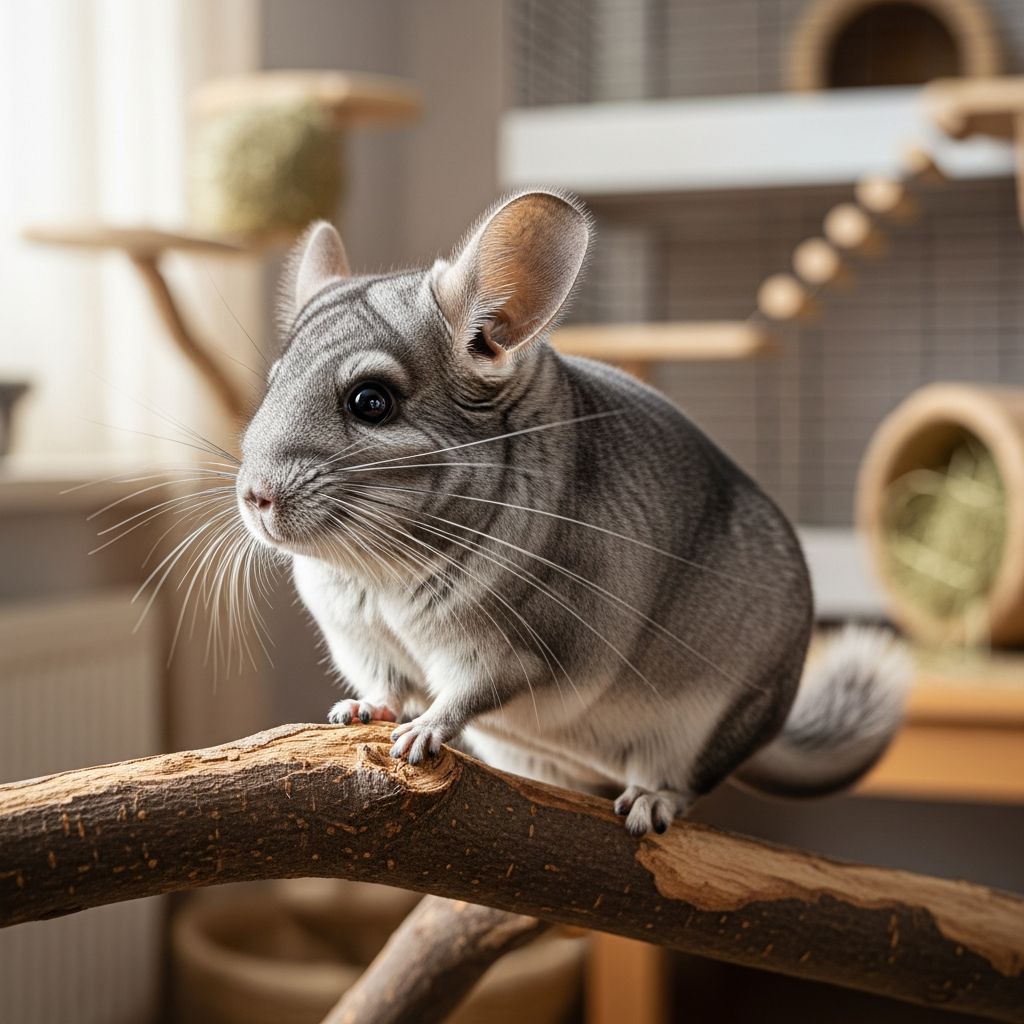
Chinchillas represent a unique category of companion animals requiring specialized knowledge and dedication to thrive in captivity. Unlike conventional household pets, these small rodents demand particular attention to their environmental conditions, dietary composition, and behavioral enrichment. Understanding the fundamentals of chinchilla care transforms your ability to maintain your pet’s health and longevity while preventing common complications that plague poorly managed captive populations.
Establishing Optimal Living Environments
The foundation of any successful chinchilla care regimen begins with creating an appropriate habitat that mimics key aspects of their natural mountain ecosystem. Chinchillas evolved in the Andes Mountains where they experience cool, dry conditions with minimal exposure to direct sunlight and humidity fluctuations.
Temperature regulation stands as perhaps the most critical environmental factor. Chinchillas maintain body temperature through their extraordinarily dense coat, which paradoxically makes them extremely vulnerable to overheating. The optimal temperature range falls between 60-70°F (16-21°C). Exposing your chinchilla to temperatures exceeding 75°F can trigger potentially fatal heat stress, as their fur density prevents efficient perspiration. Similarly, maintaining humidity below 60% prevents respiratory complications and fungal infections that thrive in moist environments.
Habitat construction should prioritize vertical space and multi-level configurations that encourage natural jumping and climbing behaviors. Chinchillas are crepuscular animals, meaning they exhibit peak activity during dawn and dusk hours. Providing hideouts and elevated resting platforms satisfies their instinctive need for security while promoting psychological well-being. These shelter spaces should be constructed from untreated wood or cardboard, materials chinchillas can safely gnaw without toxicity concerns.
Nutritional Foundation and Feeding Protocols
Proper nutrition forms the cornerstone of preventive health care in chinchillas, directly influencing their susceptibility to the two most prevalent health disorders: dental disease and gastrointestinal dysfunction. The chinchilla’s digestive system evolved to process high-roughage vegetation through hindgut fermentation, a process requiring specific dietary composition to function optimally.
Primary Feed Components
Hay represents the nutritional centerpiece of any appropriate chinchilla diet. Timothy hay should comprise the bulk of daily food consumption, providing essential fiber while promoting continuous grinding of continuously-erupting molars. Unlike guinea pigs, chinchillas rarely require calcium-rich alfalfa hay during adulthood. Reserve alfalfa for young chinchillas, pregnant or nursing females, and elderly animals requiring additional nutritional density. Healthy adult chinchillas can receive alfalfa only as occasional treats, as excessive consumption may contribute to calcium imbalances and urinary calculi formation.
Grass hay alternatives including meadow hay and orchard grass provide suitable fiber sources when timothy hay becomes unavailable. The key requirement is maintaining unlimited access to consistently fresh, pesticide-free hay throughout the day and night.
Commercial pellet formulations specifically designed for chinchillas should be offered in measured quantities, typically one to two tablespoons daily per adult animal. Unlike guinea pig or rabbit pellets, chinchilla-formulated products contain appropriate fat and fiber ratios while excluding excessive sunflower seeds or other high-oil ingredients that promote obesity and digestive upset. Select pellets manufactured by reputable animal health companies that invest in nutritional research and quality control.
Supplementary Foods and Treat Management
Fresh vegetables and herbs can enrich your chinchilla’s diet when offered judiciously and consistently. Introduce new foods gradually to allow digestive adaptation and prevent gastrointestinal disturbance. Safe vegetable selections include romaine lettuce, butter crunch lettuce, red leaf lettuce, carrot tops, and dandelion greens. Culinary herbs such as mint, basil, oregano, cilantro, and thyme appeal to chinchillas while offering minimal digestive disruption.
Restrict fresh vegetable and herb offerings to no more than one cup daily total. Exceeding this quantity initiates diarrheal episodes and gastrointestinal upset potentially requiring veterinary intervention. Conversely, avoid gas-producing vegetables including broccoli and cauliflower regardless of quantity, as their fermentation in the cecum creates uncomfortable bloating and potentially life-threatening gastric distension.
Dried fruit and seed-based commercial treats present tempting options but harbor hidden dangers. Their concentrated sugar content promotes dental caries, fungal overgrowth, and insulin dysregulation. Safer dried treat alternatives include rose hips, hibiscus leaves, and branches from fruit trees like apple. These options satisfy natural chewing drives while minimizing metabolic stress.
Water Management
Provide continuous access to fresh, clean water through either traditional bottle dispensers or open bowls. Regardless of delivery method, inspect water systems daily for contamination, algae growth, or blockages. Water bottles require weekly thorough cleaning with hot soapy water to prevent bacterial colonization. Open bowls demand daily replacement and regular sanitization. Some chinchillas prefer drinking from bowls rather than bottle spouts; observe individual preference and accommodate accordingly.
Specialized Grooming and Hygiene Practices
The chinchilla’s specialized coat presents unique maintenance requirements diverging substantially from grooming practices applied to other small pets. Understanding appropriate grooming protocols prevents catastrophic skin and coat conditions while supporting psychological enrichment.
Dust Bathing Protocols
Chinchillas cannot tolerate water bathing due to their coat’s extreme density and natural oil composition. Water penetrates deep into the fur, creating warm, moist microenvironments where bacterial and fungal pathogens proliferate rapidly. Wet chinchillas frequently develop dermatitis, respiratory infections, or fatal pneumonia if rapid drying cannot be achieved.
Instead, dust bathing represents the appropriate grooming method evolved over millennia in their natural habitat. Provide specialized chinchilla dust (not hamster dust, which contains different mineral compositions) in a removable container within the habitat. Chinchillas instinctively roll and tumble in dust, which absorbs excess oils and removes loose fur without water exposure.
Access to dust bathing should occur three to four times weekly for 10-20 minute periods. Never leave dust containers permanently in the cage, as continuous dust exposure causes conjunctivitis and respiratory irritation. After each bathing session, remove the dust container and dispose of contaminated material. Maintain dust cleanliness by preventing urine and fecal contamination, as soiled dust transmits bacterial and fungal infections directly to the skin.
Coat Maintenance and Nail Care
Regular brushing with soft-bristled implements or chinchilla-specific combs removes loose fur and prevents matting. These grooming sessions offer opportunities to examine skin integrity, identify parasites, and bond with your pet through gentle handling. Exercise caution around sensitive facial areas and avoid aggressive brushing that traumatizes delicate skin.
Trim nails every four to six weeks using small, sharp clippers designed for diminutive animals. Overgrown nails cause lameness, interfere with normal movement, and can curl into footpads producing painful sores. Inspect foot pads during nail trimming for signs of infection or injury. If your chinchilla resists nail trimming, consulting an exotic veterinarian prevents self-inflicted injuries during home care attempts.
Dental Health and Tooth Management
Continuous tooth growth throughout life defines chinchilla dental physiology. Unlike humans, whose molars erupt once and cease growing, chinchilla teeth never stop their perpetual eruption. Without adequate opportunities to wear down molars through natural grinding, teeth develop malocclusion—improper alignment preventing effective chewing and digestion.
Providing abundant chewing materials supports natural tooth attrition while satisfying behavioral needs. Wood chews, untreated wood branches, pumice stones, and apple wood branches all encourage grinding activity. Rotate chewing materials regularly to maintain interest and provide varied grinding angles. Monitor eating behavior closely; chinchillas experiencing tooth problems exhibit reduced appetite, selective feeding of softer foods, drooling, and behavioral changes including reduced activity levels.
Annual dental examinations by exotic veterinarians using specialized tools can identify developing malocclusion before severe complications develop. Professional dental procedures, while sometimes necessary, become far less likely with proper dietary fiber intake and environmental enrichment supporting natural tooth wear.
Environmental Sanitation and Habitat Maintenance
Maintaining clean living environments directly prevents infectious disease transmission and behavioral stress. Establish a consistent cleaning schedule balancing thoroughness with minimal disruption to your chinchilla’s daily routine.
Daily Cleaning Tasks
Remove soiled bedding, uneaten fresh foods, and contaminated dust daily. Spot cleaning prevents ammonia accumulation from concentrated urine, which damages respiratory epithelium and creates favorable conditions for bacterial infections. Provide bedding at approximately 3 inches depth, using dust-free materials like aspen shavings or paper-based alternatives.
Comprehensive Habitat Cleaning
Perform deep cleaning of the entire habitat every two weeks, replacing all bedding with fresh material. During comprehensive cleaning, wash food and water containers, hiding places, and chewing toys with hot soapy water. For persistent contamination or disease prevention, disinfect surfaces using dilute bleach solution (two to three drops per gallon of water), then rinse thoroughly and allow complete drying.
Veterinary Care and Health Monitoring
Specialized veterinary care forms an essential component of responsible chinchilla ownership, distinct from standard small animal medicine. Chinchillas require veterinarians with specific exotic pet training and experience managing their unique physiology.
Preventive Veterinary Visits
Schedule comprehensive veterinary examinations at minimum annually with exotic animal veterinarians. During these visits, your veterinarian assesses diet composition, evaluates behavior changes, performs full-body physical examinations, and conducts dental inspections. Unlike cats and dogs, chinchillas do not require vaccinations. However, routine deworming, parasitic screening, and preventive health assessments remain important.
Spaying and neutering decisions merit veterinarian consultation, as these procedures increase longevity and prevent reproductive complications in breeding animals. Discuss appropriate surgical timing and any health considerations before proceeding with elective procedures.
Health Warning Signs Requiring Immediate Attention
Monitor for behavioral and physical changes indicating potential health concerns:
- Abnormal stool characteristics including loose, soft, or infrequent passages, or conversely, small dry stools indicating dehydration or intestinal dysfunction
- Blood in the urine suggesting urinary tract infection or metabolic disease
- Respiratory symptoms including sneezing or labored breathing
- Visible tooth overgrowth or observed chewing difficulties
- Skin lesions or bald patches indicating parasites, fungal infection, or stress-related alopecia
- Abnormal eating or drinking patterns
- Lethargy or hunching behavior suggesting pain or systemic illness
Any of these symptoms warrants prompt veterinary evaluation, as chinchillas often mask illness until conditions become critical. Early intervention frequently prevents life-threatening complications.
Behavioral Enrichment and Activity Requirements
Psychological well-being directly influences physical health outcomes in captive chinchillas. These active, intelligent animals require environmental stimulation and opportunities for natural behaviors including jumping, climbing, and social interaction.
Provide multiple levels and vertical spaces encouraging exercise. Running wheels appropriate for chinchilla size support cardiovascular fitness while satisfying activity drives. Rotating toys, hideouts, and enrichment items maintains novelty and engagement. Social housing with compatible companions provides natural interaction, though introductions require careful management to prevent fighting.
Nutrition and Health Connection
The profound relationship between proper nutrition and health prevention cannot be overstated. Consistent feeding regimens featuring high-fiber hay, appropriate pellet quantities, and limited supplemental foods create digestive stability promoting longevity. Chinchillas thrive on consistency; sudden dietary changes, even well-intentioned improvements, trigger gastrointestinal upset potentially requiring medical intervention.
A properly maintained chinchilla exhibits bright eyes, alert behavior, consistent appetite and water consumption, firm stool quality, and active engagement with environmental enrichment. These indicators demonstrate that your care protocols successfully support their biological needs and psychological well-being.
Common Health Conditions and Prevention
While proper care prevents many conditions, certain disorders appear with some frequency in chinchilla populations. Respiratory infections, digestive upset, and obesity represent the most common presentations in veterinary practice. Prevention through environmental temperature control, dietary consistency, and activity encouragement proves far more effective and humane than treating established disease.
Conclusion
Chinchilla ownership demands comprehensive knowledge spanning nutrition, environmental management, grooming, and preventive healthcare. These remarkable animals reward dedicated caretakers with decades of companionship and engaging behaviors. By implementing the evidence-based practices outlined throughout this guide, you establish the optimal conditions for your chinchilla to flourish, minimizing disease risk while maximizing quality of life. Success in chinchilla care represents a collaboration between informed owners and experienced exotic veterinarians, united in commitment to these extraordinary pets’ health and happiness.
References
- Chinchilla Care — Chicago Exotics Animal Hospital. https://www.exoticpetvet.com/chinchilla-care.html
- A ‘Pet’ Chinchilla Care Guide—What to Know Before Adopting — PETA. https://www.peta.org/news/what-to-know-before-adopting-a-pet-chinchilla/
- Caring for Your CHINCHILLA — Oxbow Animal Health. March 2024. https://oxbowanimalhealth.com/wp-content/uploads/2024/03/Chinchilla-Care-Guide-Feb-2024.pdf
- Chinchilla Care Guide — PetSmart Learning Center. https://www.petsmart.com/learning-center/small-pet-care/chinchilla-care-guide
- Ultimate Guide to Chinchilla Care — Aloha Animal Hospital. March 2025. https://alohavegasvets.com/2025/03/15/ultimate-guide-to-chinchilla-care/
- Comprehensive Chinchilla Care Guide for Healthy Pets — YouTube. https://www.youtube.com/watch?v=IoBzXxovsHE
- CARING FOR YOUR CHINCHILLA — Pet Advocacy Network. January 2022. https://petadvocacy.org/wp-content/uploads/2022/01/Chinchilla-Care-Sheet.pdf
Similar Articles








Read full bio of Sneha Tete