

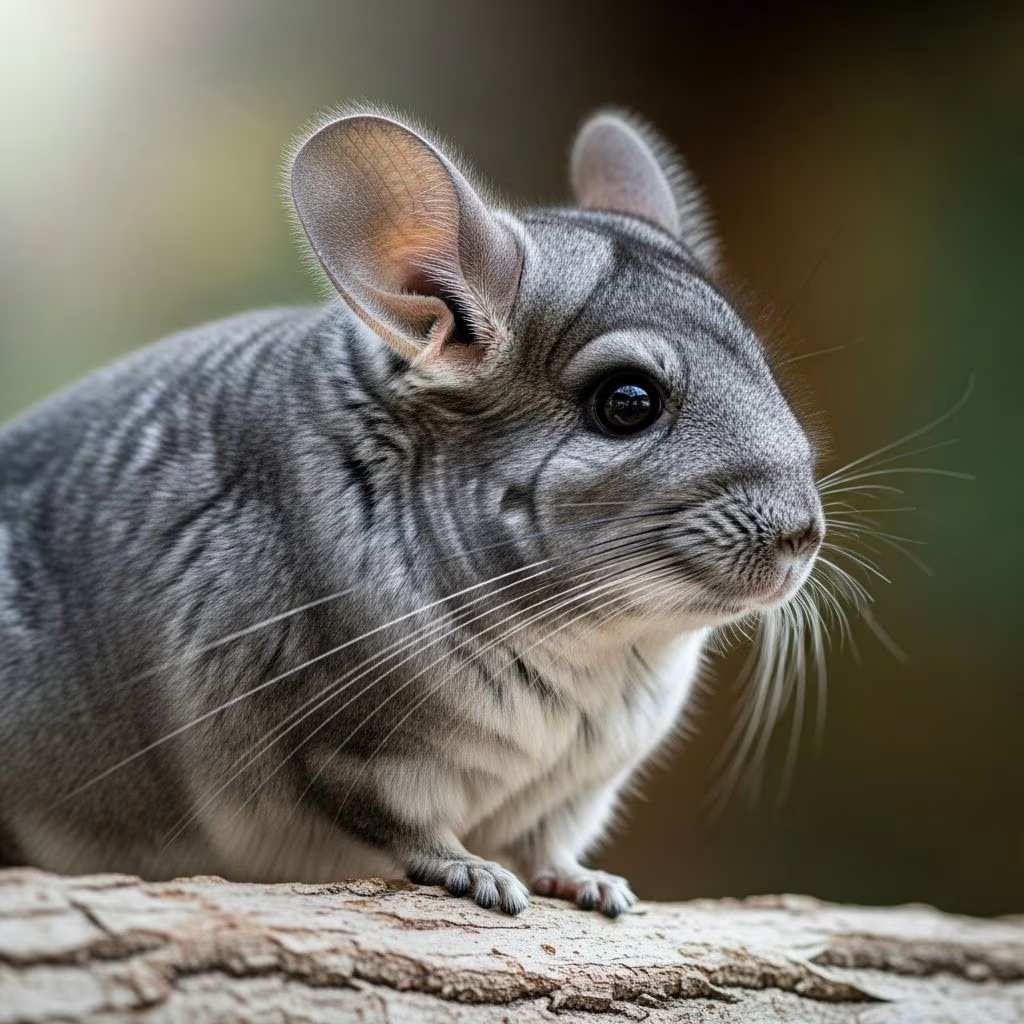
Understanding Chinchilla Communication Through Sound
Chinchillas are surprisingly vocal creatures with a complex system of communication that helps them express their emotions, needs, and intentions. Each sound your chinchilla makes carries specific meaning, from gentle greetings to urgent alarm calls. Understanding these vocalizations is crucial for any chinchilla owner who wants to build a strong bond with their pet and ensure their well-being. The amount of noise your chinchilla produces will vary based on their individual personality and environmental factors. Some chinchillas are naturally more talkative and may even develop unique sounds to greet their owners or request attention.
Common Chinchilla Sounds and Their Meanings
Chinchillas produce a diverse range of sounds, each serving a distinct purpose in their social and survival behaviors. Learning to recognize and interpret these vocalizations will help you better understand your pet’s emotional state and needs.
Grunting and Cooing
Quiet grunting noises are how chinchillas say hello to one another and to their human companions. These gentle sounds are similar to cooing and are commonly heard between mothers and their offspring. The grunting serves as a form of contact and reassurance, indicating that the chinchilla feels safe and comfortable in their surroundings. These are among the quietest sounds chinchillas make, and you may need to listen carefully to hear them.
Exploratory Calls
When chinchillas are exploring new environments or objects, they produce a distinctive call that starts high and rapidly drops in pitch. This exploratory vocalization serves to alert other chinchillas to their location and presence. It’s a functional communication tool that helps chinchillas maintain contact with each other while navigating their territory.
Contact Sounds
A low, warbling sound or squeak usually follows an exploratory call and is made when a chinchilla encounters something or someone they like. These contact sounds indicate positive recognition and are part of the chinchilla’s social bonding process. They demonstrate that your chinchilla has identified something or someone as friendly and non-threatening.
Barking
Barking is typically the loudest chinchilla noise and serves as a guttural warning. When upset or threatened, chinchillas produce this alarming sound, usually directed at the source of their distress. Unlike dog barking, chinchilla barks sound more like squeaky toy noises or duck quacks. They may be described as repetitive “UF! UF! UF!” or “WAK! WAK! WAK!” sounds. Barking chinchillas may also exhibit defensive behaviors such as running for cover, standing upright, or hopping up and down.
Alarm Calls
A high-pitched shriek indicates severe distress in chinchillas, usually made when they cannot escape a perceived threat. This is distinct from barking and represents a more urgent level of concern. If you hear this sound, your chinchilla may be experiencing genuine fear or pain and requires immediate attention to identify and remove the stressor.
Additional Chinchilla Vocalizations
Chirping
Chirping is a sound of contentment that indicates your chinchilla is in a comfortable and playful mood. This pleasant vocalization is often accompanied by positive body language and signals that your pet is happy and relaxed. Hearing your chinchilla chirp is a sign that they’re enjoying their environment and feeling secure.
Chattering
Chattering is produced by rapidly clicking teeth together and typically indicates irritation, especially when accompanied by barking or hissing. However, chattering can have different meanings depending on your chinchilla’s body posture and context. Some chinchillas also chatter when bored or understimulated. Interestingly, if your chinchilla is chattering while displaying relaxed body posture, it may actually indicate happiness—similar to a cat purring. Learning to read your individual chinchilla’s body language alongside their sounds is essential for accurate interpretation.
Teeth Grinding
Unlike chattering, teeth grinding is a less agitated clicking sound and more of a repetitive grating noise. It usually means your chinchilla is calm and happy, particularly when you’re providing attention like scratches or treats. However, if teeth grinding is accompanied by drooling or other signs of discomfort, it could indicate tooth pain and warrants a veterinary examination. As with chattering, different chinchillas may use this sound differently, so it’s important to learn what’s typical for your specific pet.
Hiccuping
When a chinchilla becomes particularly agitated or excited, they may produce a series of quick barks that are repeated after a short pause. This sound can be mistaken for hiccups, when it’s actually a sign of distress. If the sound has a wheezing quality to it, consult your veterinarian right away to rule out respiratory issues. True hiccuping sounds gentler than barking and lacks the same urgent quality.
Squeaking
Low, gentle squeaking is perhaps the first noise you’ll hear your chinchilla make. This non-urgent form of communication has no set pattern, so individual sounds may be further apart or closer together. Gentle squeaks serve as a form of casual social interaction, similar to the children’s game “Marco Polo.” Males may produce these sounds when in a mating mood, females may squeak when about to give birth, or chinchillas may squeak when in mild distress. As you become familiar with your chinchilla, you’ll learn to distinguish between casual squeaks and more urgent vocalizations.
Mother and Baby Sounds
Specialized sounds are reserved for interactions between partners and between mothers and babies. Mothers make low and gentle squeaks to communicate with their young, while babies produce small, high-pitched squeak sounds that resemble chirps. These maternal and neonatal vocalizations indicate that both mother and baby feel safe and secure. Some of these sounds may be difficult for human ears to perceive but are critical for proper mother-kit bonding.
Mating Calls
During mating season, chinchillas produce a series of squeaks that function as mating calls. Males often accompany these sounds with physical movements including wiggling their bottom back and forth and wagging their tail—behaviors known as the “swishy tail dance.” These displays are used to attract the attention of females and signal reproductive readiness.
Screaming
Screaming is a noise you should never hear from your chinchilla, as it indicates they are in great distress or pain. A screaming chinchilla sounds like a crying baby with high-pitched, repetitive vocalizations. This sound differs distinctly from barking and demands immediate investigation to determine the cause and address any injury or severe stress.
Connecting Sounds to Behaviors
Specific sounds are often associated with distinct physical behaviors that provide additional context for interpretation. Happy chinchillas frequently engage in excited movements that coincide with vocalizations. Wall surfing—when a chinchilla jumps around and bounces off the walls of their cage—is typically paired with cooing, chirping, or squeaking sounds. Popcorning, a quick jump straight into the air, similarly accompanies joyful vocalizations. Learning to recognize these behavioral cues alongside sounds will significantly improve your ability to understand your chinchilla’s emotional state.
Personalizing Your Understanding
How much noise your pet chinchilla makes depends on their unique personality and environmental conditions. Some chinchillas are naturally more vocal, while others tend to be quieter. Your chinchilla may even develop specific sounds when greeting you personally or requesting attention. Spending quality time with your own chinchilla is the best way to become familiar with their individual communication style and learn what each sound means in their specific context.
Frequently Asked Questions About Chinchilla Sounds
Q: How can I tell if my chinchilla is happy?
A: Chinchillas show they’re happy through excited movements like wall surfing or popcorning, paired with cooing, chirping, or squeaking sounds. A relaxed posture combined with teeth grinding can also indicate contentment.
Q: What should I do if my chinchilla is barking at me?
A: If your chinchilla is barking, they feel threatened or upset. Give them space, identify what’s causing the distress, and remove the stressor. Approach them calmly once they’ve calmed down.
Q: Can chinchillas make sounds that mean nothing?
A: Yes, some chinchilla sounds are meaningless, such as sneezing. However, most vocalizations carry meaning related to their emotional state or social communication.
Q: Is teeth chattering always a sign of anger?
A: No, teeth chattering can indicate irritation when accompanied by aggressive body language, but it can also mean happiness when your chinchilla has a relaxed posture. Context and body language are key.
Q: What does it mean if my chinchilla is grinding their teeth?
A: Teeth grinding usually indicates contentment and happiness, especially during petting or treat time. However, if accompanied by drooling, consult a veterinarian as it may indicate dental pain.
Q: How can I distinguish between hiccuping and barking?
A: Hiccuping sounds gentler and less urgent than barking. If the sound resembles gentle squeezing of a chew toy rather than hard, fast squeezing, it’s likely hiccuping rather than a warning bark.
Q: Should I be concerned if my chinchilla makes very few sounds?
A: Some chinchillas are naturally quieter than others. However, if your typically vocal chinchilla suddenly becomes silent, it could indicate illness or stress. Monitor for other signs of health issues and consult a veterinarian if concerned.
References
- What Do Those Chinchilla Sounds Mean? — Chewy.com. 2024. https://www.chewy.com/education/small-pet/chinchilla/chinchilla-sounds
- What Do Chinchilla Sounds Mean? — Love My Chinchilla. 2024. https://lovemychinchilla.com/what-do-chinchilla-sounds-mean/
- Chinchilla Sounds — Cuddlebug Chinchillas. 2024. https://cuddlebugchinchillas.com/information/behavior/sounds.html



