

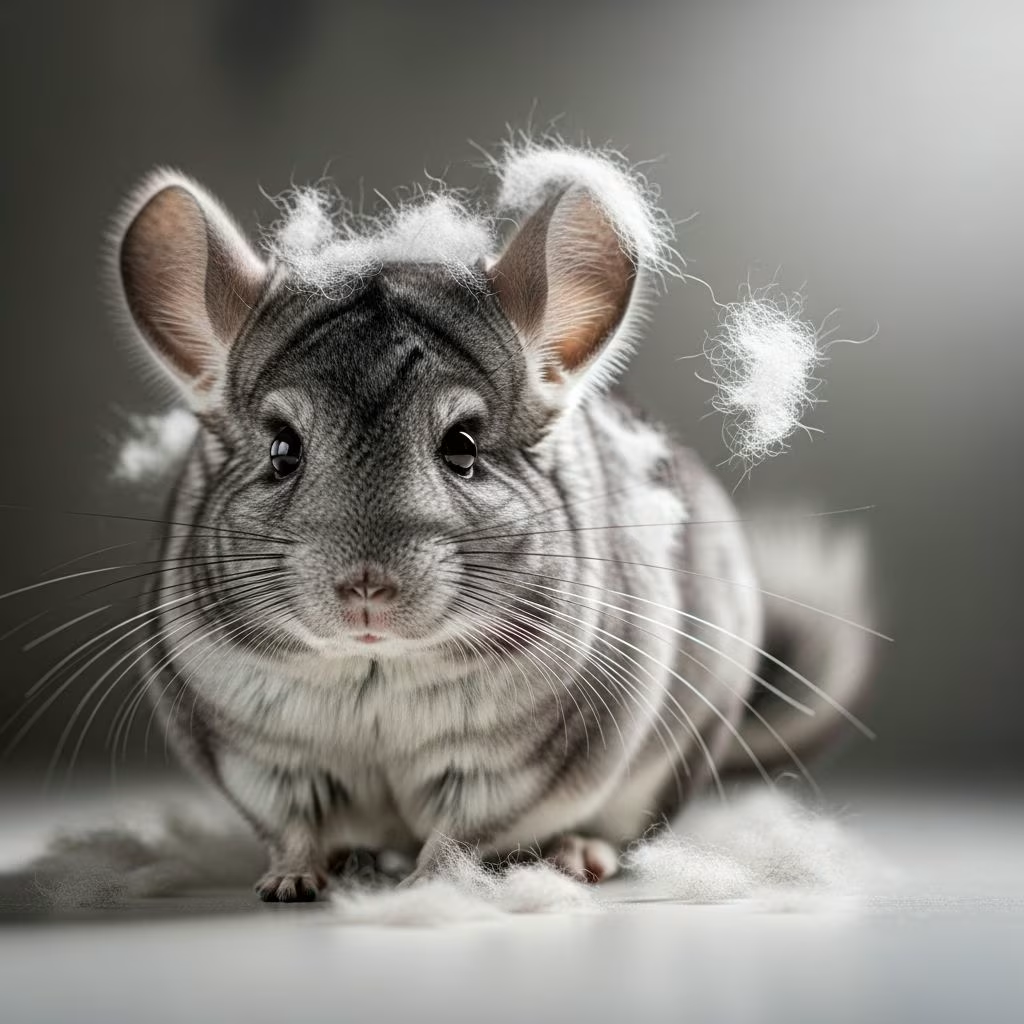
Fascinating Facts About Chinchilla Shedding And Fur
Chinchillas are renowned for their luxuriously dense fur, which sets them apart from most other small pets. However, this exceptional coat requires special understanding and care. One of the most important aspects of chinchilla ownership is comprehending how their fur renews and sheds throughout their lives. Unlike many other animals, chinchillas have a unique shedding process that plays a crucial role in their health, temperature regulation, and overall well-being. This article explores the fascinating facts about chinchilla shedding and fur maintenance that every chinchilla owner should know.
Understanding Chinchilla Fur Density
What makes chinchilla fur truly remarkable is its extraordinary density. Chinchillas possess the highest fur density of any land animal, with up to 80 hairs growing from a single follicle. In comparison, humans have only about 3 hairs per follicle. This dense coat has evolved to help chinchillas survive in their native mountain habitat of the Andes, where temperatures can drop dramatically. The thickness of their fur also means that when chinchillas shed, they release significantly more fur than you might expect from a small animal. This high hair count is why chinchilla shedding can appear so dramatic, even though the shedding process itself is perfectly normal and healthy.
The density of a chinchilla’s coat also serves another critical purpose: it provides excellent insulation and helps regulate body temperature. This density is why proper grooming and shedding management are so important for maintaining skin health and preventing matting and overheating.
The Shedding Cycle: What Is Priming?
Chinchillas undergo a natural process called “priming,” which is their regular shedding cycle. This process occurs approximately every three to four months throughout a chinchilla’s entire life. Priming is not like the shedding you might observe in dogs or cats. Instead of losing fur evenly throughout their coat, chinchillas gradually replace old fur with new growth in a more organized manner.
During the priming cycle, new fur grows in while old fur is gradually shed. This process typically takes about two weeks to complete, and it serves several important functions. The shedding helps maintain the condition of the fur by removing dead hair, preventing matting and tangling, and allowing for proper air circulation within the coat. Additionally, priming allows chinchillas to adjust their coat density seasonally, which is essential for temperature regulation.
The Priming Line
One of the most distinctive features of the priming process is the appearance of a “priming line.” This visible line marks the boundary between old fur and newly growing fur. When new fur growth begins at the head, it creates this distinctive line that gradually works its way down the chinchilla’s back and sides toward the tail. The priming line serves as a clear indicator of where the shedding process is occurring and how far along the cycle has progressed.
However, not all chinchillas display an obvious priming line. Some chinchillas, particularly those with thicker coats, shed their fur in tufts all over their body rather than displaying a clear line. Other chinchillas may combine both methods, showing some characteristics of each. The way your individual chinchilla sheds can vary based on genetics, age, and environmental factors. Regardless of the method, the process is normal and necessary for coat health.
Frequency and Timing of Shedding
A chinchilla’s first shedding cycle typically occurs between five to eight months of age. After this initial priming, the cycle repeats approximately every three to four months for the rest of the chinchilla’s life. This means that chinchillas are almost constantly in various stages of shedding and regrowing their coats. By the time a chinchilla finishes shedding its old coat completely, it may be just weeks away from beginning the next cycle.
It’s important to understand that while the shedding process might appear to happen all at once, it actually occurs gradually over several weeks. The dense nature of the chinchilla’s fur means that dead hairs can become trapped within the coat, creating the illusion that the entire coat is being shed simultaneously. In reality, only small amounts of fur are being released continuously. During the active shedding period, a chinchilla’s coat remains in prime condition for several weeks before the cycle begins anew.
Seasonal Shedding Patterns
While chinchillas shed year-round on a regular cycle, seasonal changes significantly influence the intensity and nature of their shedding. Temperature fluctuations throughout the year play a major role in determining when and how heavily chinchillas shed.
Spring and Summer Shedding
As temperatures rise during spring and summer, chinchillas shed more fur to help them stay cool and maintain proper body temperature. The shedding during warmer months serves to reduce the density of their coat, allowing better ventilation and air circulation within the fur. This is an important adaptation because excessive fur combined with high humidity and temperatures in the 80s Fahrenheit can potentially lead to heatstroke.
When shedding doesn’t occur properly, dead fur can mat close to the skin, preventing air circulation and potentially causing the chinchilla to overheat. This is why maintaining proper shedding cycles during warmer months is crucial for your pet’s safety and comfort.
Fall and Winter Coat Changes
As temperatures begin to drop in fall, chinchillas transition from their summer coats to denser winter coats. During this time, you’ll notice chinchillas in various stages of shedding their lighter summer fur and replacing it with thicker, warmer winter coats. This seasonal transition is essential for providing adequate warmth and insulation during colder months.
It’s normal to observe increased shedding during seasonal transitions as chinchillas actively work to swap out their entire coat. Understanding these seasonal patterns helps you anticipate when your chinchilla will shed most heavily and plan your grooming schedule accordingly.
The Importance of Shedding for Fur Health
Shedding serves several vital purposes for chinchilla health and coat condition. First, regular shedding removes dead fur that could otherwise accumulate, tangle, and mat. In the wild, chinchillas rely on regular shedding to prevent their fur from becoming tangled, matted, and dirty. Without this natural renewal process, a chinchilla’s coat would quickly become compromised and unhealthy.
Additionally, fur gradually becomes thinner over time as hairs are naturally lost through normal wear and tear, vigorous bathing, or other activities. Shedding allows chinchillas to continually replenish their coat with new, healthy fur. Without this renewal process, a chinchilla could potentially become bald long before reaching its senior years. The shedding cycle ensures that the coat remains dense, healthy, and functional throughout the chinchilla’s lifetime.
Grooming and Shedding Management
While chinchillas naturally manage their own shedding to some extent, chinchilla owners can assist the process through proper grooming. Using specially designed chinchilla grooming brushes and combs can help remove loose fur from your pet’s coat more efficiently.
Grooming Techniques
Combing your chinchilla with appropriate grooming tools helps remove shedding fur before it can tangle or mat. After combing and mat removal, additional dead fur may rise to the surface and can be combed out over the following days or left for the chinchilla to naturally shed. Regular grooming sessions also serve as an opportunity to bond with your pet and monitor their coat condition.
During active shedding periods, it’s particularly important to keep your chinchilla’s cage clean and free of accumulated fur. While you can groom your chinchilla during shedding, it’s not strictly necessary. In nature, chinchillas don’t have human caregivers to groom them, so they manage the process independently through their own grooming behaviors and dust baths.
Dust Baths and Coat Cleanliness
Dust baths are an essential component of chinchilla fur care. The specialized dust used in chinchilla dust baths acts as a natural fur cleaning agent, helping to keep the coat clean and preventing skin disorders and infections. During dust baths, the fine dust particles stick to oils and dirt that have accumulated within the fur, forming clumps that are easier to remove.
Without regular dust baths, oils secreted from the chinchilla’s skin can accumulate on the surface, collecting dirt and potentially causing skin issues that make the coat appear oily and greasy. Regular dust baths help maintain a healthy coat and prevent many common skin conditions.
Distinguishing Shedding From Fur Slip
It’s crucial to understand that shedding is different from a condition called “fur slip.” While shedding is a natural, gradual process, fur slip is a stress response that occurs when a chinchilla is handled roughly or grabbed forcefully. During fur slip, large patches of fur release from the skin as a defense mechanism.
Unlike normal shedding, which occurs gradually and predictably, fur slip results in sudden, noticeable fur loss that can create bald patches. While the fur will eventually grow back, fur slip takes considerably longer to resolve than normal shedding. Understanding this distinction helps chinchilla owners realize that rough handling should be avoided to prevent unnecessary fur loss and stress to the animal.
Hair Regrowth Timeline
The timeline for fur regrowth depends on the type of fur loss. During normal shedding cycles, new fur grows in gradually as old fur is shed, so there’s never a noticeable period where the chinchilla lacks adequate hair coverage. The continuous nature of the process ensures the coat remains intact and functional throughout the shedding cycle.
In cases of fur slip or bald patches, regrowth occurs more slowly. Small bald patches from fur slip become less noticeable after a couple of weeks as the fur gradually grows back. The patch stops being noticeable when the new fur reaches approximately half its full length. However, complete regrowth takes longer than the normal shedding cycle.
Frequently Asked Questions
Q: How often should I groom my shedding chinchilla?
A: During shedding periods, regular brushing with chinchilla-specific grooming tools helps remove loose fur and prevents matting. Grooming every few days during active shedding can be beneficial, though it’s not strictly necessary.
Q: Is excessive shedding a sign of a health problem?
A: While regular shedding is normal, excessive shedding combined with bald spots or behavioral changes could indicate stress, skin issues, or other health concerns. Consult a veterinarian if you notice unusual patterns.
Q: Can temperature changes affect my chinchilla’s shedding?
A: Yes, temperature changes can trigger shedding cycles. Warmer temperatures typically increase shedding to help with cooling, while cooler temperatures may trigger denser coat growth.
Q: What should I do if my chinchilla has bald spots?
A: Bald spots can result from fur slip due to rough handling, stress, barbering by cage-mates, or skin conditions. Identify the cause and address it appropriately, consulting a veterinarian if necessary.
Q: How long does the complete shedding cycle take?
A: The active shedding period typically lasts about two weeks, with the chinchilla remaining in prime coat condition for several weeks before the next cycle begins.
Q: Do all chinchillas shed in the same way?
A: No, shedding patterns vary by individual chinchilla. Some display a clear priming line, while others shed in tufts all over their body. Genetics, age, and environment all influence how each chinchilla sheds.
Q: Can dust baths help with shedding?
A: Dust baths help keep the coat clean and healthy by removing oils and dirt, which supports proper coat condition and can facilitate the natural shedding process.
References
- Fur Slip Management: Do Chinchillas Shed? — Love My Chinchilla. November 2024. https://lovemychinchilla.com/fur-slip-management-do-chinchillas-shed/
- Shedding Chinchilla — Chinchilla Chronicles. November 2024. https://chinchillachronicles.com/shedding-chinchilla
- Chinchilla History and Care Recommendations — MedVet. November 2024. https://www.medvet.com/chinchilla-history-care-sheet/
- Chinchilla Fur Slip: What’s Up With That? — Small Pet Select. November 2024. https://smallpetselect.com/chinchilla-fur-slip/



