Chinchilla Physical Traits And Features: Essential Care Guide
Discover the unique physical adaptations and characteristics of chinchillas that make them exceptional pets from the Andes.
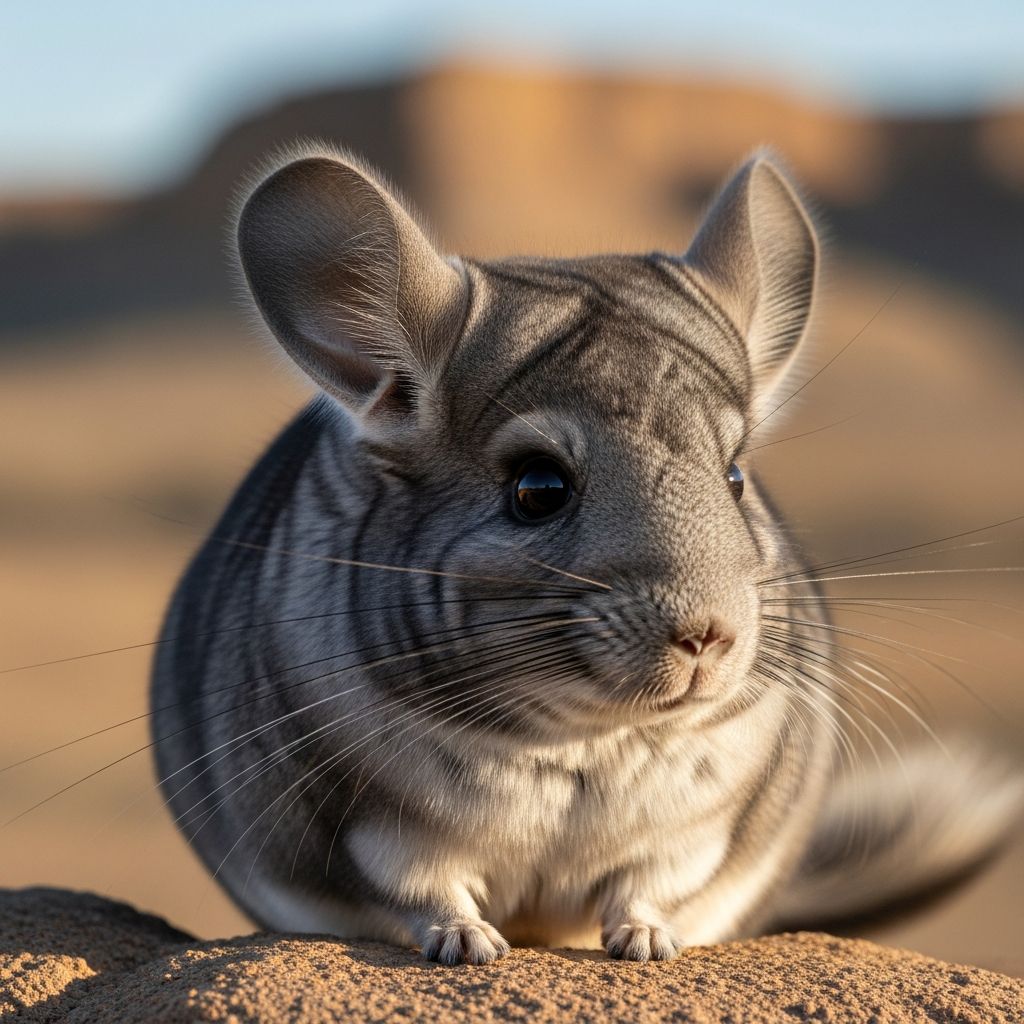
Chinchillas possess a distinctive combination of physical attributes that reflect their high-altitude Andean origins, making them both captivating and resilient pets. These rodents feature exceptionally dense fur, powerful hind limbs for leaping, and specialized dental structures suited for constant growth.
Origins in the Andean Highlands
Native to the rugged Andes mountains of South America, chinchillas have evolved physical traits optimized for extreme environments at elevations up to 15,000 feet. Their thick fur insulates against frigid nights, while their robust build supports agile navigation over rocky terrains. This heritage influences their care needs in captivity, requiring cool, dry conditions to mimic natural habitats.
In the wild, chinchillas inhabit rocky outcrops where they burrow and leap to evade predators. Their bodies are compact yet muscular, weighing 1-2 pounds as adults, with males slightly smaller than females. This size allows them to squeeze into narrow crevices for safety.
Fur: A Masterpiece of Density and Insulation
The hallmark of chinchilla appearance is their fur, boasting up to 60-80 hairs per follicle—far denser than most mammals. This ultra-dense coat provides superior insulation and water resistance, essential for surviving Andean chills and sudden rains. Each hair is fine and soft, giving the fur a plush, velvety texture that owners adore.
- Fur color varies from standard gray to white, beige, or ebony mutations in pets.
- Density protects against parasites and maintains body temperature.
- Requires dust baths rather than water to clean, preserving natural oils.
Improper care, like wet bathing, can mat the fur and lead to skin issues, as it dries slowly. Regular dust bathing 3-4 times weekly keeps the coat pristine.
Body Structure and Locomotion
Chinchillas exhibit a cylindrical body with short forelimbs and elongated hind legs, enabling spectacular jumps up to 6 feet high. Their large, bushy tails aid in balance during these leaps, functioning like a rudder. The skeletal frame is lightweight yet sturdy, supporting bursts of speed on uneven surfaces.
Eyes are large and round, providing wide peripheral vision for predator detection in dim mountain light. Ears, proportionally large, enhance hearing and aid thermoregulation by dissipating heat.
| Body Part | Function | Adaptation Benefit |
|---|---|---|
| Hind Legs | Leaping | Escape predators, access high ledges |
| Tail | Balance | Stabilizes during jumps |
| Ears | Hearing/Thermoregulation | Detects threats, cools body |
| Mustache Vibrissae | Sensory | Navigates dark burrows |
Dental and Digestive Adaptations
Chinchillas have open-rooted teeth that grow continuously throughout life, a trait shared with other rodents. This requires constant abrasion through chewing hay and wood to prevent overgrowth. Their dental formula supports a herbivorous diet high in fiber.
The digestive system features a large cecum for fermenting tough plant material, promoting gut health. Consistent fiber intake via timothy hay prevents common issues like gastrointestinal stasis.
Sensory Capabilities and Behavior Ties
Highly sensitive whiskers (vibrissae) around the muzzle help chinchillas sense their surroundings in low-light conditions. Their acute sense of smell guides foraging and social interactions.
Physically delicate, chinchillas stress easily from heat above 75°F, as their dense fur impairs cooling. Ideal environments stay 60-70°F with low humidity.
Gender Differences and Maturity
Sexual dimorphism is subtle: males have a noticeable scrotal sac, while females possess a pronounced genital tubercle. Adults reach maturity at 8 months, living 10-20 years with proper care.
- Males: Slightly smaller, more agile.
- Females: Larger, dominant in pairs.
Care Implications from Physical Traits
Understanding these features guides optimal husbandry. Multi-level cages accommodate jumping, while chew toys maintain teeth. Dust baths preserve fur integrity, and cool rooms prevent heatstroke.
Daily spot-cleaning removes waste, with weekly full cleans using mild soap. Fresh water and hay are non-negotiable for dental and digestive health.
Common Physical Health Concerns
Dense fur predisposes to overheating; monitor for panting or lethargy. Overgrown teeth cause malnutrition if unchecked. Nail trims every 4-6 weeks prevent injuries from long claws.
Grooming routines include brushing to remove loose fur during shedding seasons.
Selecting a Healthy Chinchilla
Choose specimens with bright eyes, smooth fur, and active demeanor. Avoid those with bald patches or labored breathing, signs of poor care.
FAQs
Why do chinchillas need dust baths?
Their dense fur repels water poorly; dust absorbs oils and dirt effectively.
How high can chinchillas jump?
Up to 6 feet, thanks to powerful hind legs.
What temperature is safe for chinchillas?
60-70°F; above 75°F risks heat stress.
Do chinchillas need chew toys?
Yes, for wearing down ever-growing teeth.
How long do pet chinchillas live?
10-15 years with excellent care.
References
- Ultimate Guide to Chinchilla Care — Aloha Vegas Vets. 2025-03-15. https://alohavegasvets.com/2025/03/15/ultimate-guide-to-chinchilla-care/
- Caring for your CHINCHILLA — Oxbow Animal Health. 2024-03. https://oxbowanimalhealth.com/wp-content/uploads/2024/03/Chinchilla-Care-Guide-Feb-2024.pdf
- Chinchilla Care Guide: Housing, Diet, and Daily Care — PetMD. Recent. https://www.petmd.com/exotic/chinchilla-care-sheet
- Comprehensive Chinchilla Care Guide for Healthy Pets — YouTube (Exotic Pet Vet). Recent. https://www.youtube.com/watch?v=IoBzXxovsHE
- Chinchilla Care — ExoticPetVet.com. Recent. http://www.exoticpetvet.com/chinchilla-care.html
- Chinchilla 101: Care Resource Guide — Small Pet Select. Recent. https://shop.smallpetselect.com/blogs/care-resources/chinchilla-101-care-resource-guide
Similar Articles








Read full bio of medha deb