Chinchilla Nutrition: What to Feed Your Chinchilla
Complete guide to feeding your chinchilla: hay, pellets, produce, and hydration needs.
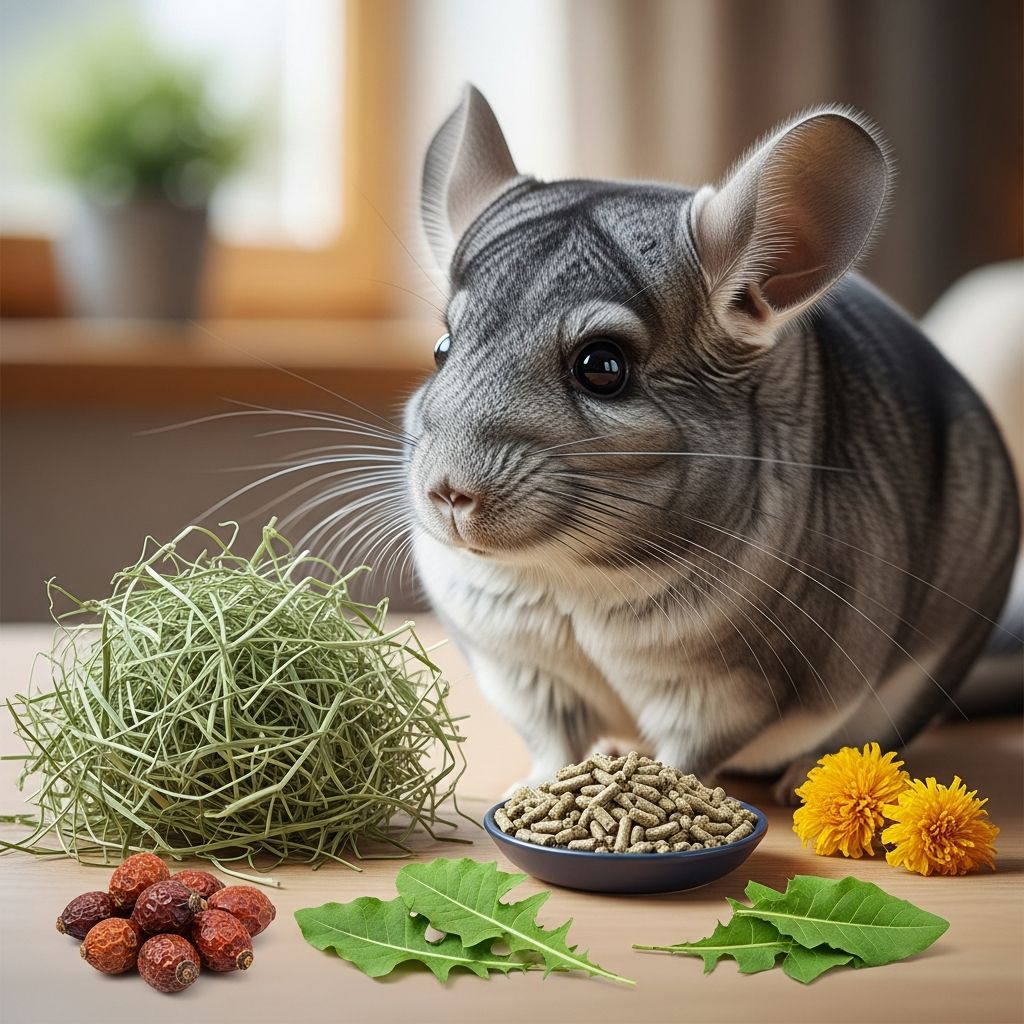
What to Feed Your Chinchilla: A Complete Nutrition Guide
Chinchillas require specialized nutritional care to thrive in captivity. Unlike many other small pets, chinchillas benefit from a high-fiber, low-carbohydrate, and low-fat diet that closely mimics their natural feeding patterns. This dietary approach is essential for preventing common health issues such as dental disease and gastrointestinal problems. Understanding the proper balance of hay, pellets, produce, and water will ensure your chinchilla maintains optimal health and longevity.
The Foundation: Hay as Your Chinchilla’s Primary Diet
Hay serves as the cornerstone of a healthy chinchilla diet and should constitute approximately 75-80% of your pet’s daily food intake. Fresh, good-quality grass hay is absolutely essential and should be available to your chinchilla at all times. The high fiber content found in grass hay promotes excellent gastrointestinal health, which is crucial for preventing digestive upset and maintaining regular bowel function.
Beyond digestive benefits, hay plays a critical role in maintaining your chinchilla’s oral health. Chinchillas possess continuously growing teeth that require regular wear to remain properly aligned and functional. The prolonged chewing required to extract nutrients from hay naturally grinds down the teeth, preventing overgrowth and related dental complications. Without adequate hay consumption, your chinchilla may develop serious dental disease that can interfere with eating and cause significant discomfort.
Recommended Grass Hay Varieties
Several grass hay options are readily available at pet stores and provide excellent nutritional profiles for chinchillas:
– Timothy hay — The most commonly recommended option, timothy hay offers balanced nutrition and excellent fiber content- Orchard grass — A palatable alternative that many chinchillas enjoy and provides similar nutritional benefits- Oat grass — An acceptable option that adds variety to your chinchilla’s diet- Brome hay — Another suitable grass option that can be rotated with other hays
Varying the types of grass hay can create additional interest in your chinchilla’s diet and may encourage increased consumption. However, it is crucial to maintain consistent daily feeding amounts, as this allows you to monitor your pet’s appetite closely. Since chinchillas are primarily nocturnal animals that eat mainly during nighttime hours, you may not observe them eating frequently during the day. Careful attention to the amount of food consumed helps identify any changes in appetite that could signal health concerns.
Why Alfalfa Hay Should Be Limited
While alfalfa hay is nutritious for some animals, it is not suitable for adult chinchillas. Alfalfa is a legume hay that contains excessive amounts of calcium and protein, which can lead to nutritional imbalances in adult animals. Alfalfa should only be offered to chinchillas under 6 months of age during their growth phase, or to female chinchillas that have recently given birth and require additional calcium for milk production. Adult chinchillas should receive grass-based hay varieties exclusively to maintain proper nutritional balance.
Pellets: A Complementary Component of the Diet
While hay forms the foundation of a chinchilla’s diet, high-quality pellets provide important supplemental nutrition and should make up approximately 20-30% of the daily food intake. Pellets formulated specifically for chinchillas contain carefully balanced nutrients that complement the nutritional profile of hay. When selecting pellet food, it is essential to choose hay-based formulations that do not contain fruits, seeds, or nuts, as these ingredients can contribute to digestive upset and nutritional imbalances.
Proper Pellet Portions and Nutritional Content
The appropriate daily pellet portion for an adult chinchilla is 1-2 tablespoons, unless your veterinarian recommends adjustments based on your pet’s individual weight and metabolic needs. High-quality chinchilla pellets should contain specific nutritional parameters to support optimal health:
– Fiber content: 15-20% bulk fiber- Protein content: 16-20% protein- Fat content: 2-4% fat
These nutritional specifications work synergistically to support your chinchilla’s digestive function, muscle development, and overall metabolic health. The low fat content is particularly important because chinchillas have digestive systems specifically adapted to process low-fat foods. Excessive fat consumption can lead to serious health complications.
Why Chinchilla-Specific Pellets Matter
Chinchilla pellets are formulated with longer pellet sizes compared to rabbit, hamster, or guinea pig diets. This design feature is not merely cosmetic—chinchillas hold food in their front paws while eating, and longer pellets are significantly easier for them to manipulate and consume. Substituting rabbit, hamster, or guinea pig pellets for chinchilla-specific formulations can result in nutritional imbalances and feeding difficulties. Additionally, using an appropriate chinchilla pellet diet eliminates the need for vitamin or mineral supplements if the pellet diet is of high quality and fed in proper portions.
Produce and Fresh Greens: Limited but Beneficial
Fresh greens, vegetables, and fruits can be incorporated into your chinchilla’s diet to provide variety, enrichment, and additional nutrients. However, certain fresh produce items can contribute to gastrointestinal upset and create mineral imbalances. For this reason, produce should not exceed 10% of your chinchilla’s daily diet, and any new greens should be introduced gradually to allow your pet’s digestive system to adjust and prevent diarrhea.
Safe and Recommended Greens
When selecting fresh produce for your chinchilla, choose from these safe and nutritious options:
– Basil- Romaine lettuce- Red leaf lettuce- Cilantro- Radicchio- Swiss chard- Watercress- Mustard greens- Radish greens- Turnip greens- Carrot tops
These vegetables are lower in calcium content and are less likely to cause digestive upset when fed in appropriate quantities. They add nutritional variety and can make mealtimes more interesting for your chinchilla.
Vegetables and Greens to Avoid
Certain produce items should never be offered to your chinchilla due to their potential to cause harm:
– Leeks- Chives- Onion- Asparagus- Avocado- Peas- Cabbage- Corn- Spinach- Rhubarb or rhubarb leaves
These items contain compounds that can interfere with nutrient absorption, cause digestive upset, or create dangerous mineral imbalances. Even small quantities should be avoided completely to prevent health complications.
Treats: Understanding Your Chinchilla’s Limited Tolerance
Chinchillas have specialized digestive systems that are not designed to tolerate foods high in fat or sugar. This anatomical reality means that treats must be selected carefully and offered in very limited quantities. Treats should never exceed 10% of your chinchilla’s daily diet, and individual treat portions should be minimal.
Recommended Treat Options
Safe treat options include:
– Small pieces of fresh carrots- Raisins in minimal quantities- Dried cranberries- Small apple pieces
These options provide some variety and enrichment without excessive sugar or fat content. Treats should be offered as occasional supplements rather than daily additions to the diet.
Treats to Avoid
Many commercially available chinchilla treats contain problematic ingredients that can harm your pet’s health:
– Yogurt drops — Despite marketing claims, these contain excessive sugar levels- Bananas — Too high in sugar content- Sunflower seeds — Too high in fat content- Peanuts — Excessive fat and potential choking hazard
These items can contribute to obesity, dental disease, and gastrointestinal problems. Always verify treat ingredients before offering them to your chinchilla, and when in doubt, consult with your veterinarian.
Water: Essential for Hydration and Health
Fresh, clean water must be available to your chinchilla at all times. Proper hydration is fundamental to maintaining healthy organ function, supporting digestion, and regulating body temperature. Water can be provided using either a heavy, flat-bottomed bowl or a water bottle placed at a level your chinchilla can access comfortably.
Chinchillas generally show a preference for heavy water bowls compared to ball-tipped water bottles, though individual preferences vary. Regardless of the delivery method you choose, maintenance is critical. Water bottles should be rinsed daily and cleaned thoroughly on a regular basis to prevent bacterial growth and ensure water remains fresh and palatable. If using a bowl, replace water frequently throughout the day and clean the bowl regularly to maintain hygiene.
Implementing Dietary Changes and Monitoring
When modifying your chinchilla’s diet, implement changes gradually over several days or weeks. Sudden dietary shifts can trigger digestive upset and diarrhea. Allow your pet’s gastrointestinal system sufficient time to adjust to new foods by introducing changes slowly and monitoring for any adverse reactions.
Consistently observing the amount of food your chinchilla consumes each day allows you to detect appetite changes that may indicate illness or other health concerns. Since chinchillas are nocturnal and eat primarily during nighttime hours, you may not witness them eating frequently. Monitoring food levels daily helps compensate for this natural behavior and provides early warning of potential problems.
Frequently Asked Questions About Chinchilla Nutrition
Q: How much hay should my chinchilla eat daily?
A: Hay should make up 75-80% of your chinchilla’s daily diet and should be available at all times. Provide unlimited access to fresh grass hay varieties such as timothy, orchard, oat, or brome hay.
Q: Can I feed my chinchilla rabbit or guinea pig pellets?
A: No, you should not substitute rabbit, hamster, or guinea pig pellets for chinchilla-specific formulations. Chinchillas require longer pellets they can hold in their paws, and other rodent diets may create nutritional imbalances.
Q: Is alfalfa hay safe for all chinchillas?
A: Alfalfa hay is only appropriate for chinchillas under 6 months of age or lactating females. Adult chinchillas should receive grass hay exclusively, as alfalfa contains excessive calcium and protein.
Q: How often should I offer treats to my chinchilla?
A: Treats should comprise no more than 10% of the daily diet and should be offered as occasional supplements rather than daily additions. Individual treat portions should not exceed approximately 1 teaspoon.
Q: Do I need to supplement my chinchilla with vitamins or minerals?
A: No, vitamin and mineral supplements are not required if you feed a high-quality pellet diet in appropriate portions along with unlimited hay and fresh water.
Q: What type of water delivery is best for chinchillas?
A: Chinchillas generally prefer heavy, flat-bottomed water bowls over ball-tipped water bottles. Whichever method you choose, ensure fresh water is always available and maintain daily cleaning and rinsing.
Q: Why is high-fiber diet so important for chinchillas?
A: High-fiber diets are essential because they promote gastrointestinal health, support dental wear to maintain proper tooth length, and closely mimic the natural diet chinchillas evolved to consume in the wild.
Conclusion
Providing proper nutrition is one of the most important aspects of chinchilla care. By feeding a diet consisting primarily of high-quality grass hay, supplemented with appropriate pellets in controlled portions, fresh produce offered sparingly, and unlimited fresh water, you create the foundation for optimal health and longevity. Remember that chinchillas have specialized dietary needs that differ significantly from other small rodents. When in doubt about appropriate foods or feeding quantities, consult with a veterinarian experienced in exotic pet care to ensure your chinchilla receives the best possible nutrition for a long, healthy, and happy life.
References
- CHINCHILLA NUTRITION: What To Feed Your Chinchilla — Lafeber Company Veterinary Division. 2022-05. https://lafeber.com/vet/wp-content/uploads/2022/05/CHINCHILLA-NUTRITION-What-To-Feed-Your-Chinchilla.pdf
- CHINCHILLAS — Lafeber Company Veterinary Division. https://lafeber.com/vet/wp-content/uploads/Chinchilla-LafeberVet-handout.pdf
- NUTRITION: THE KEY TO YOUR CHINCHILLA’S HEALTH — Association of Exotic Mammal Veterinarians (AEMV) & Lafeber Company. 2021-06. https://lafeber.com/vet/wp-content/uploads/2021/06/AEMVContestChinchillaBerlsLV2.pdf
- Basic Information Sheet: Chinchilla — Lafeber Company Veterinary Division. https://lafeber.com/vet/basic-information-for-chinchillas/
- Chinchillas – Care Guidelines — Arbor View Animal Hospital. 2021-05. https://arborviewah.com/wp-content/uploads/2021/05/Chinchillas.pdf
Similar Articles








Read full bio of medha deb