
Chinchilla Housing Essentials: Complete Care Guide
Discover how to create the perfect living space for your chinchilla with expert tips on enclosures, climate control, and daily upkeep for a happy, healthy pet.
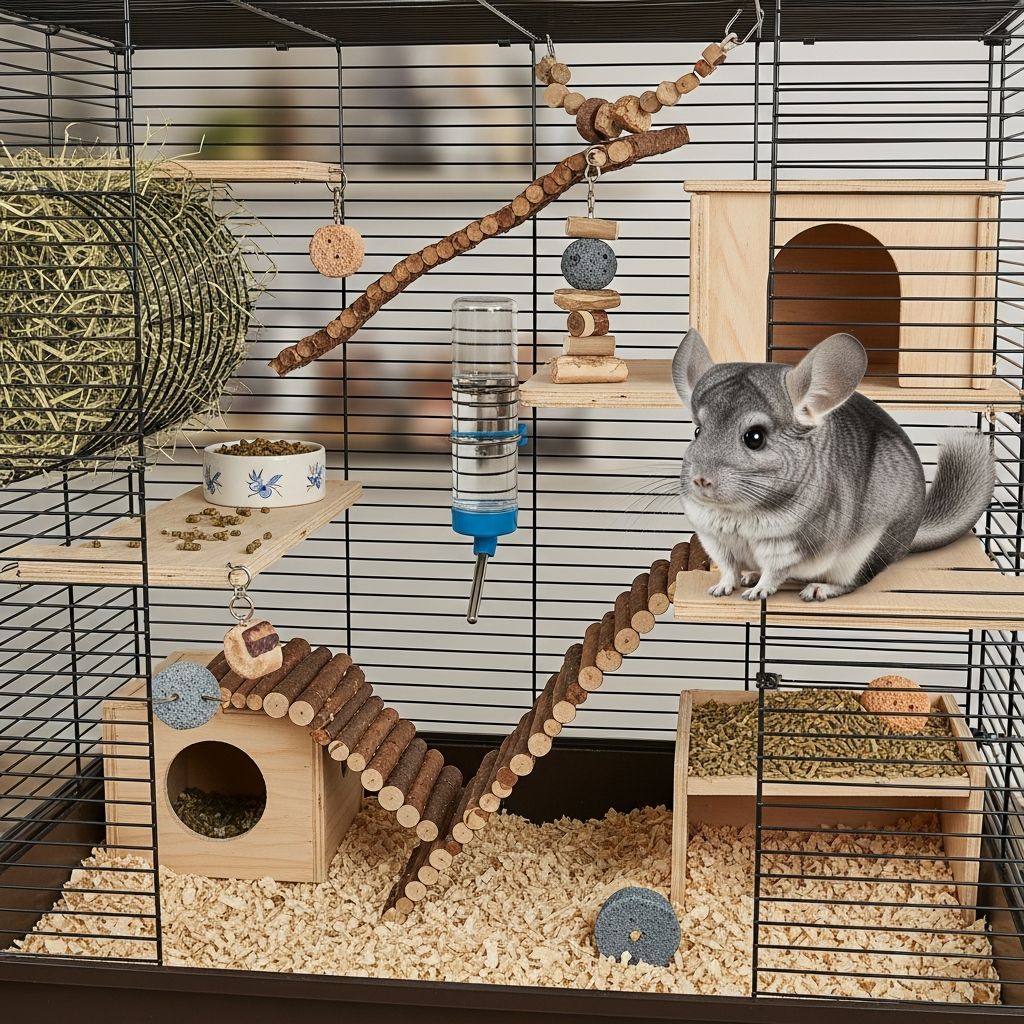
Chinchillas make delightful pets known for their soft fur, playful nature, and longevity of 10-15 years. Providing the right home is crucial since these Andean natives are sensitive to heat, require ample jumping space, and need specific hygiene routines. A well-designed habitat promotes physical health, mental stimulation, and prevents common issues like overheating or dental problems.
Selecting the Right Enclosure Size and Type
The foundation of chinchilla care starts with a spacious enclosure that mimics their natural rocky habitat. Minimum dimensions for one chinchilla should be 4 feet tall, 2 feet wide, and 2 feet deep to allow jumping, climbing, and exploring. Wire cages with narrow bar spacing (under 0.5 inches) prevent escapes and injuries, while powder-coated metal resists chewing.
- Tall multi-level cages: Ideal for vertical acrobatics; include shelves at varying heights.
- Avoid aquariums: Poor ventilation leads to humidity buildup and respiratory risks.
- Pair housing: Same-sex siblings need double the space to reduce territorial fights.
Position the enclosure in a quiet, draft-free room away from direct sunlight, kitchens, or high-traffic areas. Secure it to prevent tipping during enthusiastic leaps.
Maintaining Optimal Temperature and Humidity
Chinchillas overheat above 75°F (24°C), risking heatstroke. Keep ambient temperatures at 60-70°F (15-21°C) with low humidity under 50%. Use air conditioning, fans, or cool basement locations in warmer climates.
| Condition | Ideal Range | Dangers if Exceeded |
|---|---|---|
| Temperature | 60-70°F | Heatstroke, lethargy above 75°F |
| Humidity | 30-50% | Fungal infections, fur issues above 60% |
| Ventilation | Good airflow, no drafts | Respiratory problems |
Monitor with a digital thermometer/hygrometer. In summer, frozen water bottles or ceramic tiles offer cooling spots without wetting fur.
Choosing Safe Bedding and Substrate Options
Bedding must be dust-free and absorbent to control odors without irritating sensitive lungs. Opt for paper-based pellets, aspen shavings, or fleece liners over pine/cedar, whose aromatic oils cause liver and respiratory damage.
- Paper bedding: Highly absorbent, low dust.
- Hay liners: Promotes natural foraging.
- Avoid wood shavings: Phenols harm liver.
Line the cage floor 2-3 inches deep, focusing thicker layers in litter corners. Spot clean daily and full change weekly to prevent bacterial growth.
Essential Accessories for Comfort and Activity
A barren cage leads to boredom and stereotypic behaviors like fur-chewing. Stock with multi-level platforms, ledges, tunnels, and hammocks using chinchilla-safe materials.
- Hiding spots: Ceramic houses or wooden boxes for security.
- Chew toys: Untreated applewood, willow branches to wear down ever-growing teeth.
- Hay racks: Elevated to keep food clean and encourage constant nibbling.
- Water bottles: Sipper style prevents spills; clean daily.
Integrate a food bowl for pellets and a separate hay feeder. Rotate toys weekly to maintain interest.
Dust Bathing: Key to Fur Health
Unlike water baths, chinchillas clean via volcanic dust baths, rolling to absorb oils and dirt. Provide a 6x6x9 inch metal or plastic container with 1-2 inches of fine chinchilla dust (blue cloud or similar).
Offer 3-4 times weekly for 15-30 minutes; supervised outside the cage to avoid eye irritation from excess dust. Refresh dust after each use and discard soiled batches. Over-bathing dries skin, so limit sessions.
Daily and Weekly Cleaning Routines
Hygiene prevents infections and GI stasis. Daily: Remove soiled bedding, uneaten food, droppings; refill water and hay. Weekly: Full dismantle, wash with mild soap, rinse thoroughly, dry before reassembly. Monthly deep clean with diluted bleach (2-3 drops per gallon), rinse well.
- Spot clean: 5-10 minutes daily.
- Full clean: 30-60 minutes weekly.
- Disinfect accessories: Hot soapy water.
Wear gloves; dry everything completely to avoid chill.
Enrichment and Supervised Playtime
Chinchillas are crepuscular, active at dawn/dusk. Dedicate 30-60 minutes daily to supervised floor time in a chinchilla-proofed room (block cords, seal gaps). Use playpens with tunnels, boxes, and digging pits.
Gentle handling builds trust: Support body fully, avoid tails. They bond best with consistency and respect for personal space.
Nutrition Stations Within the Habitat
Hay (80% diet: timothy/meadow) in racks promotes dental health via grinding. Limit pellets to 1-2 tsp daily; avoid seed mixes. Fresh water essential; occasional treats like rose hips (<10% diet).
Common Housing Mistakes to Avoid
- Overcrowding pairs/trios without space expansion.
- Exposing to heat sources like sunny windows.
- Using dusty or toxic bedding.
- Skipping dust baths or overdoing them.
- Neglecting chew toys, leading to overgrown teeth.
Health Monitoring in the Home Setup
Observe for heat stress (panting, wet fur), diarrhea, or lethargy. Annual vet checks by an exotic specialist essential. Proper housing reduces risks of obesity, pod dermatitis from wire floors, and ringworm.
Frequently Asked Questions
Can chinchillas live outdoors?
No, indoor only due to predators, weather extremes, and heat sensitivity.
How often should I change bedding?
Spot clean daily, full change weekly.
Is a single chinchilla lonely?
They thrive with companions but need compatible pairs.
What if my chinchilla chews the cage?
Provide more wood chews; check for nutritional deficiencies.
Can I use a hamster cage?
No, too small and bar spacing too wide.
References
- Ultimate Guide to Chinchilla Care — Aloha Animal Hospital. 2025-03-15. https://alohavegasvets.com/2025/03/15/ultimate-guide-to-chinchilla-care/
- Caring for your CHINCHILLA — Oxbow Animal Health. 2024-03. https://oxbowanimalhealth.com/wp-content/uploads/2024/03/Chinchilla-Care-Guide-Feb-2024.pdf
- Chinchilla Care Guide: Housing, Diet, and Daily Care — PetMD. Recent access 2026. https://www.petmd.com/exotic/chinchilla-care-sheet
- Chinchilla Care — Chicago Exotics Animal Hospital. Recent access 2026. http://www.exoticpetvet.com/chinchilla-care.html
- Chinchilla 101: Care Resource Guide — Small Pet Select. Recent access 2026. https://shop.smallpetselect.com/blogs/care-resources/chinchilla-101-care-resource-guide
- CARING FOR YOUR CHINCHILLA — Pet Advocacy Network. 2022-01. https://petadvocacy.org/wp-content/uploads/2022/01/Chinchilla-Care-Sheet.pdf
Similar Articles








Read full bio of medha deb