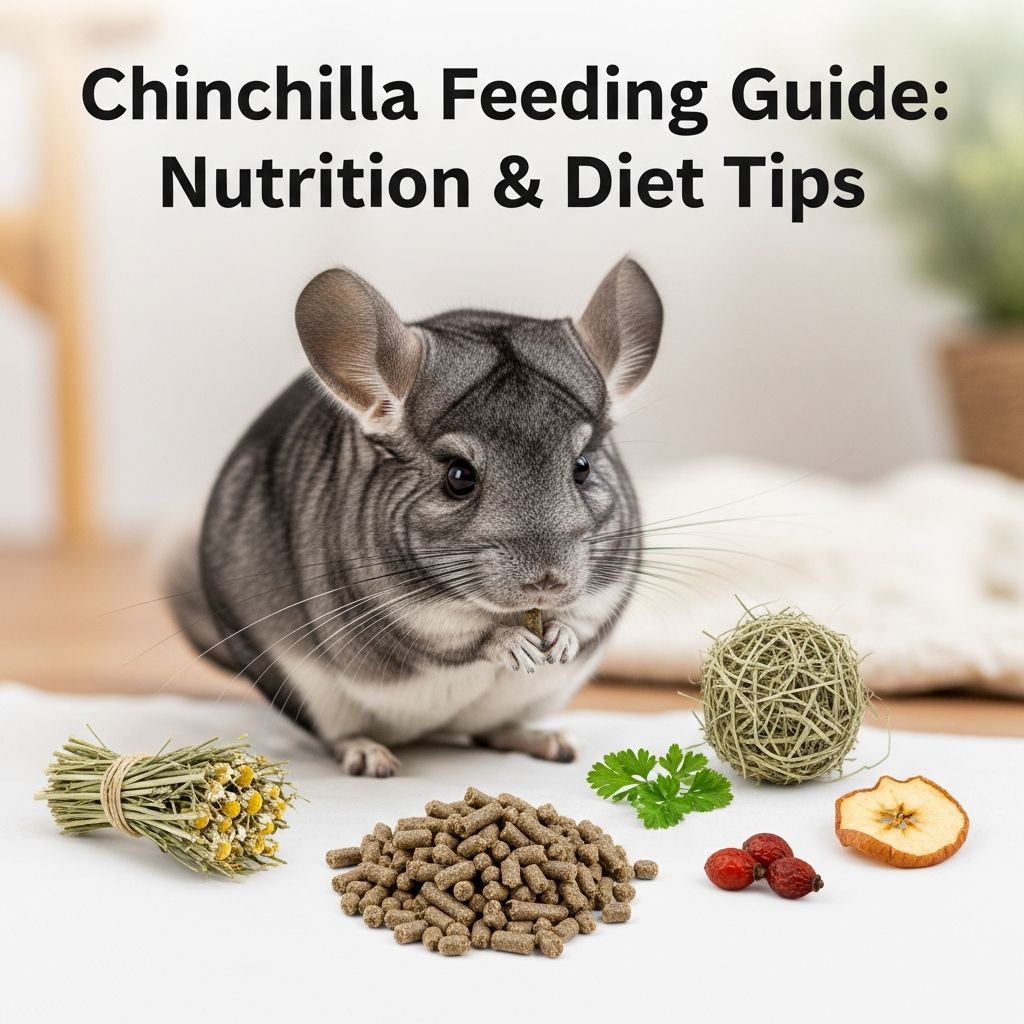
Chinchilla Feeding Guide: Nutrition & Diet Tips
Complete guide to feeding chinchillas: hay, pellets, treats, and nutritional requirements.
Understanding Your Chinchilla’s Nutritional Needs
Chinchillas require a specialized high-fiber diet that closely mirrors what they would eat in their natural habitat. These small, herbivorous rodents have evolved to thrive on a diet composed primarily of grasses and hay, with minimal supplementation. Understanding the nutritional requirements of your pet chinchilla is essential for maintaining optimal health, preventing dental disease, and ensuring proper digestive function. A well-planned diet supports their delicate digestive system and helps prevent common health problems such as obesity, dental issues, and gastrointestinal upset.
The foundation of proper chinchilla nutrition begins with recognizing that these animals have unique dietary needs that differ significantly from other small pets. Unlike guinea pigs or rabbits, chinchillas require specific nutrients in precise proportions to maintain their health and longevity. A balanced chinchilla diet should be high in fiber, moderate in protein, and low in both fat and calcium.
The Importance of Hay in Your Chinchilla’s Diet
Hay serves as the cornerstone of a chinchilla’s diet and should constitute approximately 75 to 80 percent of their daily food intake. Providing unlimited access to high-quality hay throughout the day is one of the most important steps you can take to ensure your chinchilla’s health and wellbeing. Hay provides the essential fiber that chinchillas need for proper digestive health and plays a crucial role in maintaining their dental health as well.
When chinchillas chew on hay, they perform natural grinding actions that help keep their continuously growing teeth worn down to appropriate lengths. Without adequate hay consumption, chinchillas can develop serious dental problems that may require veterinary intervention. Additionally, the fibrous nature of hay promotes healthy gastrointestinal function and helps prevent digestive disorders.
Selecting the Right Type of Hay
Not all hay is suitable for chinchillas. You should offer low-calcium grass hay varieties that support their specific nutritional requirements. The most commonly recommended and widely available option is Timothy hay, which provides an excellent balance of fiber, nutrients, and appropriate calcium levels. Other suitable grass hay options include orchard grass, botanical hay, oat hay, and meadow hay. Each of these varieties offers similar nutritional benefits and can be rotated to provide dietary variety.
It is crucial to avoid offering alfalfa hay as a primary food source for adult chinchillas. While small amounts of alfalfa may be given occasionally to young chinchillas or nursing mothers, it is too high in both calcium and protein for adult chinchillas. Excessive calcium intake can lead to serious health complications including kidney problems and calcium-containing bladder stones, which are painful conditions requiring veterinary treatment.
Commercial Chinchilla Pellets
While hay forms the primary component of your chinchilla’s diet, high-quality commercial pellets provide essential vitamins and minerals that may not be sufficiently available in hay alone. Chinchilla-specific pellets are specially formulated to meet the nutritional requirements of these animals and should be selected carefully to ensure they meet appropriate nutritional standards.
Recommended Pellet Portions and Nutritional Content
The appropriate daily pellet portion for most chinchillas is one to two tablespoons per day. Some sources recommend approximately 30 grams of pellets daily for optimal nutrition. These pellets should ideally be offered in the morning or evening, though the specific timing is less important than maintaining consistency with feeding schedules. It is important not to overfeed pellets, as chinchillas may preferentially consume pellets over hay due to their palatability, which can lead to nutritional imbalances, obesity, and dental problems.
When selecting pellets, choose a high-quality commercial chinchilla diet that is formulated to contain 15 to 20 percent fiber, 16 to 20 percent protein, and 2 to 4 percent fat. Avoid muesli-style or seed-mix diets, as chinchillas tend to selectively consume their preferred ingredients, resulting in nutritional imbalances and potentially harmful feeding patterns. These mixed diets often contain components high in sugar and fat that can compromise your chinchilla’s health.
Fresh Water Requirements
Your chinchilla must have access to fresh, clean water at all times throughout the day. Water can be provided in either a heavy, flat-bottomed bowl or a water bottle designed for small animals. If using a water bottle, check the nozzle regularly to ensure water is flowing properly and the bottle is not blocked. Change water daily to maintain freshness and cleanliness, and regularly clean and refill the water container to prevent bacterial growth and contamination.
Treats and Supplemental Foods
While treats can provide enrichment and variety for your chinchilla, they should be offered judiciously and should not exceed 10 percent of your chinchilla’s total daily diet. Chinchillas have specialized digestive systems that are not adapted to tolerate foods high in fat, sugar, or water content. Introducing treats gradually and in very small quantities helps prevent digestive upset, diarrhea, and other gastrointestinal problems.
Safe and Recommended Treats
Chinchillas can enjoy a variety of safe treats when offered appropriately. These include:
- Low-calcium vegetables such as rose hips, marigolds, and calendula flowers
- Dried fruits including small pieces of apples, pears, raisins, and dried cranberries
- Fresh greens such as basil, romaine lettuce, red leaf lettuce, cilantro, radicchio, Swiss chard, and watercress
- Dried herbs including dandelion leaves, dried nettles, and chamomile flowers
- High-fiber treat options such as apple wood sticks and grass pellets
- Traditional rolled oats in small quantities
- Small pieces of wheat biscuit (approximately the size of a 5p piece)
Foods to Avoid
Certain foods should never be offered to chinchillas as they can cause serious health problems. These include:
- High-sugar treats such as yogurt drops and commercial pet treats high in added sugars
- Nuts and seeds including sunflower seeds and peanuts
- High-fat foods and fatty nuts
- Vegetables high in oxalates or other problematic compounds such as spinach, rhubarb, and rhubarb leaves
- Onions, garlic, leeks, and chives
- Asparagus and avocado
- Peas, corn, and cabbage
- Bananas and other fruits high in sugar and water content
- Any foods with high water content that could upset their digestive system
Introducing New Foods Safely
When introducing any new food to your chinchilla’s diet, do so gradually and in very small quantities. This gradual introduction allows their digestive system to adjust and helps you identify any potential food sensitivities or allergies. A common recommendation is to introduce only one new food at a time and to wait several days before introducing another new item. If your chinchilla experiences diarrhea or other signs of digestive upset after consuming a new food, discontinue that food immediately and consult your veterinarian.
Creating a Balanced Daily Diet Plan
A well-balanced daily diet for your chinchilla should follow these general proportions:
- 75-80 percent high-quality grass hay available at all times
- 1-2 tablespoons of high-quality chinchilla pellets daily
- A small amount of fresh greens (approximately one teaspoon daily) if your chinchilla tolerates them well
- Treats comprising no more than 10 percent of total daily food intake
- Unlimited fresh water available at all times
Age-Specific Dietary Considerations
Young chinchillas have slightly different nutritional requirements than adult chinchillas. Young and growing chinchillas, as well as nursing mothers, require higher calcium and protein levels to support growth and milk production. Alfalfa hay, which is higher in calcium and protein, can be offered in small amounts to these animals. However, once chinchillas reach adulthood, alfalfa should be eliminated from their diet and replaced with low-calcium grass hays to prevent metabolic problems and bladder stone formation.
Health Monitoring and Dietary Adjustments
Regular veterinary check-ups are important for ensuring that your chinchilla’s diet is meeting their specific nutritional needs. Your veterinarian may recommend adjusting pellet portions based on your individual chinchilla’s weight, age, activity level, and overall health status. If your chinchilla becomes overweight, your veterinarian may recommend reducing pellet portions or increasing activity level. Conversely, if your chinchilla appears underweight or malnourished, dietary adjustments may be necessary.
Common Feeding Mistakes to Avoid
Many chinchilla owners make common mistakes that compromise their pets’ health. Overfeeding pellets is one of the most frequent errors, as these foods are more palatable than hay and can lead to selective feeding and nutritional imbalances. Offering inappropriate treats high in sugar and fat is another common problem that can cause digestive upset and obesity. Failing to provide unlimited access to quality hay deprives chinchillas of essential fiber and leads to dental problems. Additionally, not changing water daily can result in contaminated water that promotes bacterial growth and illness.
Frequently Asked Questions About Chinchilla Feeding
Q: Can chinchillas eat vegetables daily?
A: Chinchillas can eat small amounts of fresh vegetables, but these should be limited to approximately one teaspoon per day. Some vegetables are unsafe for chinchillas and should be avoided entirely. Always introduce new vegetables gradually and monitor your chinchilla for signs of digestive upset.
Q: How often should I change my chinchilla’s water?
A: Fresh water should be provided daily. Check water bottles regularly to ensure the nozzle is functioning properly and not blocked. Clean water containers regularly to prevent bacterial contamination.
Q: Is it okay to feed my chinchilla fruit?
A: Fruit can be offered occasionally as a treat, approximately once weekly, in very small amounts. Fruits are high in sugar and water content, which can upset your chinchilla’s digestive system if offered too frequently.
Q: What if my chinchilla refuses to eat hay?
A: Ensure you are offering high-quality, fresh hay. If your chinchilla is overfed pellets or treats, they may selectively avoid hay. Reduce pellet portions and remove treats temporarily to encourage hay consumption. Offer hay that is free of dust and mold.
Q: Can I feed chinchilla muesli mix diets?
A: No, muesli-style diets should be avoided. Chinchillas selectively consume preferred ingredients from these mixes, resulting in nutritional imbalances. Additionally, these diets often contain high levels of sugar and fat that can damage dental health and cause obesity.
References
- VCA Animal Hospitals – Chinchillas: Feeding — VCA Animal Hospitals. https://vcahospitals.com/know-your-pet/chinchillas—feeding
- Chinchilla Nutrition: What to Feed Your Chinchilla — Lafeber Company. 2022. https://lafeber.com/vet/chinchilla-nutrition/
- Chinchilla Care Sheet — PetMD. https://www.petmd.com/exotic/chinchilla-care-sheet
- The Best Diet for Your Chinchillas — PDSA. https://www.pdsa.org.uk/pet-help-and-advice/looking-after-your-pet/small-pets/your-chinchilla-s-diet
- Caring for Your Chinchilla — Oxbow Animal Health. 2024. https://oxbowanimalhealth.com/chinchilla-care/
- Chinchilla Feeding Guide — Newhay Feeds. https://www.newhay.co.uk/blogs/small-pets/chinchilla-feeding-guide
Similar Articles







Read full bio of medha deb