Chinchilla Care Essentials: Complete Guide For New Owners
Master the art of chinchilla care with expert tips on housing, nutrition, grooming, and health for a happy, thriving pet.
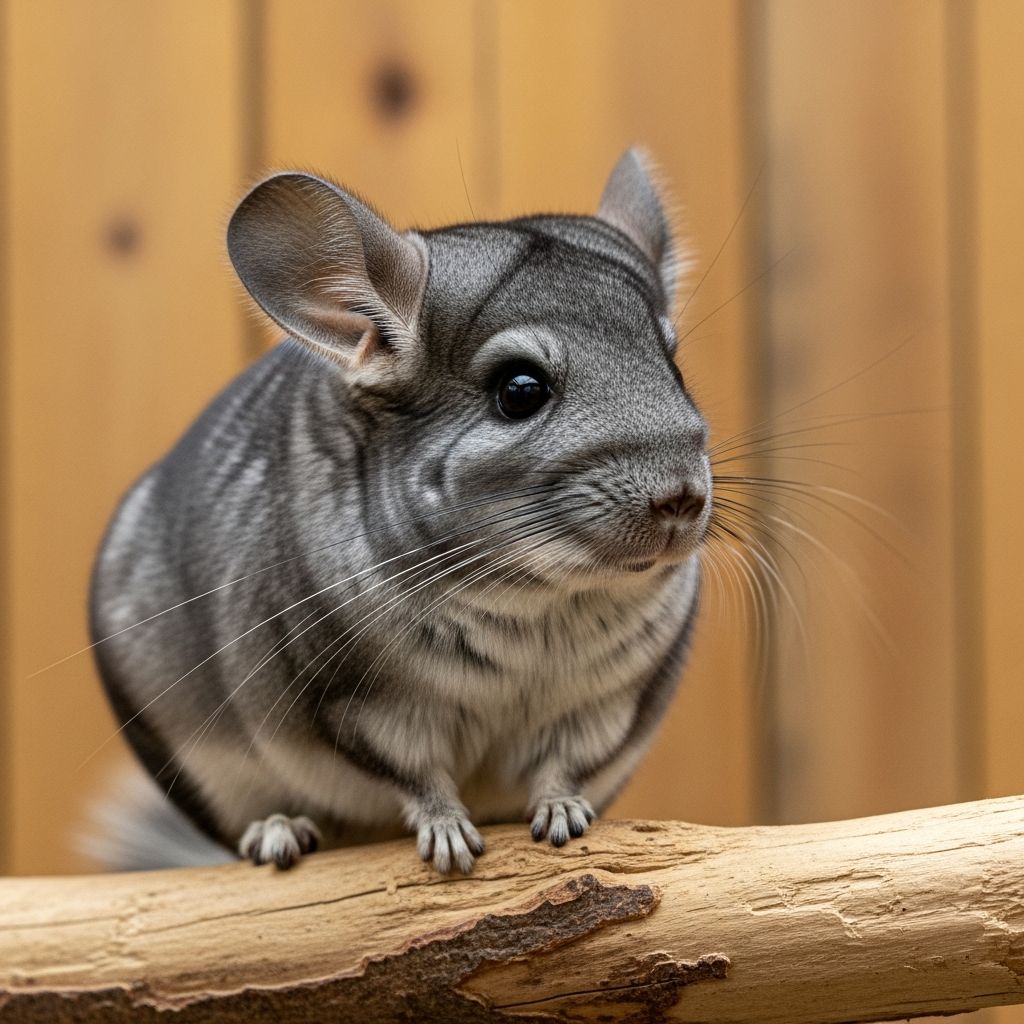
Chinchillas make delightful pets known for their soft fur, playful nature, and longevity, often living 10-15 years with proper care. Understanding their unique needs—from specialized housing to precise nutrition—is key to their happiness and health.
Creating the Perfect Living Space
The foundation of chinchilla care starts with a spacious, secure enclosure that mimics their natural Andean habitat. These rodents are active jumpers and climbers, requiring multi-level cages at least 4 feet tall by 2 feet wide and deep to allow ample movement.
- Use wire mesh with bar spacing no wider than 0.5 inches to prevent escapes and injuries.
- Incorporate platforms, shelves, and ramps made from safe, non-toxic materials like wood or metal.
- Line the bottom with absorbent bedding such as paper-based products or fleece liners, avoiding pine or cedar shavings which can cause respiratory issues.
Position the habitat in a quiet, draft-free area with temperatures between 60-70°F and humidity below 50%. Direct sunlight, heaters, or high humidity can lead to fatal heatstroke, as chinchillas cannot sweat or pant effectively.
Essential Habitat Accessories
| Item | Purpose | Maintenance Tips |
|---|---|---|
| Hideaway Box | Provides security and resting spot | Clean weekly |
| Hay Feeder | Unlimited access to hay for digestion and teeth | Refill daily, clean as needed |
| Water Bottle | Prevents fur wetting; fresh water always | Change water daily, scrub bottle |
| Chew Toys | Dental health and enrichment | Rotate varieties weekly |
| Dust Bath Container | Grooming essential (6x6x9 inches) | Provide 3-4 times weekly, 10-20 mins |
Daily spot cleaning removes waste and soiled bedding, while full deep cleans occur weekly with mild soap and thorough drying.
Nutrition for Optimal Health
Chinchillas are strict herbivores with sensitive digestive systems requiring high-fiber, low-protein diets to prevent obesity and gastrointestinal stasis. The bulk of their intake—80-90%—should be fresh timothy or meadow hay available at all times.
- Hay: Grass hays like timothy, orchard, or botanical; avoid alfalfa except for juveniles, pregnant, or seniors due to higher calcium.
- Pellets: 1-2 teaspoons daily of high-quality, timothy-based chinchilla pellets fortified with vitamins; measure by animal size, not volume.
- Treats: Limited to 1-10% of diet; safe options include rose hips, small apple pieces (weekly), or wood chews. Avoid seeds, nuts, fruits high in sugar.
Feed in early evening when chinchillas are most active, consuming 70% of daily intake then. Always provide unlimited fresh water via sipper bottle to keep dense fur dry. Overfeeding pellets leads to obesity; monitor weight regularly.
Dietary Dos and Don’ts
| Recommended | Avoid | Reason |
|---|---|---|
| Timothy hay, pellets | Seeds, muesli mixes | High fat causes liver disease |
| Low-cal veggies (occasional) | High-sugar fruits daily | Leads to diabetes, obesity |
| Water bottle | Water bowl | Wets fur, risks infection |
Grooming and Hygiene Routines
Chinchillas maintain their luxurious coats through dust baths, rolling in fine volcanic ash or clay to absorb oils and dirt. Provide a shallow container (6x6x9 inches) filled 1-2 inches deep with chinchilla-specific dust, not sand which is abrasive.
- Offer baths 3-4 times weekly for 10-30 minutes; supervise to prevent over-bathing which dries skin.
- Remove dust house post-bath to avoid respiratory irritation or eye issues.
- Optional soft-bristle brushing in fur direction for mats, but rarely needed.
Never use water baths—dense fur traps moisture, fostering fungal or bacterial growth. Refrigerate dust in summer for cooling benefits.
Daily and Weekly Maintenance Schedule
Consistent routines prevent health issues. Dedicate 1-2 hours daily for care.
- Daily: Spot clean cage, refresh hay/water, check food dish, offer playtime outside cage (supervised, chinchilla-proof room).
- Weekly: Full cage clean (soap/water, disinfect), bedding change, dust bath rotation, toy refresh.
- Monthly: Deep disinfect with diluted bleach solution (rinsed thoroughly), inspect for wear.
Playtime encourages exercise; use tunnels, paper tubes, and safe chews for mental stimulation.
Health Monitoring and Veterinary Care
Regular observation catches issues early. Signs of trouble: lethargy, fur chewing, diarrhea, overgrown teeth, heat stress. Annual vet checkups by exotic animal specialist include dental exams, deworming—no vaccines needed.
- Teeth grow continuously; hay/chews wear them down.
- Monitor weight, stool (dry pellets normal), appetite.
- Ideal temp: 60-70°F; provide chilling stones for warmth regulation.
Socialization and Handling Tips
Chinchillas are social but delicate—handle gently from above, supporting body fully. Start slow with young pets; pair compatible same-sex siblings for companionship, introducing via neutral territory. Respect their nocturnal/crepuscular nature; most active dawn/dusk.
Common Mistakes to Avoid
- Overheating: No windows, vents, or warm rooms.
- Improper diet: Too many treats cause fatal GI issues.
- Inadequate space: Small cages lead to stress, injury.
- Water bowls: Spill risks hypothermia.
FAQs
How often should my chinchilla dust bathe?
3-4 times per week for 10-20 minutes keeps fur clean without drying skin.
What is the best diet for chinchillas?
Unlimited hay (80-90%), limited pellets, minimal treats; high-fiber, low-protein.
Can chinchillas live alone?
They thrive with a companion but need proper introductions.
What temperature is safe for chinchillas?
60-70°F, humidity under 50%; avoid heat above 75°F.
How do I clean the cage?
Spot daily, full clean weekly with soap; disinfect monthly.
References
- Chinchilla Care Guide — PetSmart. Accessed 2026. https://www.petsmart.com/learning-center/small-pet-care/chinchilla-care-guide
- Caring for your CHINCHILLA — Oxbow Animal Health. 2024-03. https://oxbowanimalhealth.com/wp-content/uploads/2024/03/Chinchilla-Care-Guide-Feb-2024.pdf
- Chinchilla Care Guide: Housing, Diet, and Daily Care — PetMD. Accessed 2026. https://www.petmd.com/exotic/chinchilla-care-sheet
- A ‘Pet’ Chinchilla Care Guide — PETA. Accessed 2026. https://www.peta.org/news/what-to-know-before-adopting-a-pet-chinchilla/
- 2025 Chinchilla Care Sheet — Luv-N-Care Animal Hospital. 2025. https://luvncare.net/chinchilla-care-101-top-faqs/
- CARING FOR YOUR CHINCHILLA — Pet Advocacy Network. 2022-01. https://petadvocacy.org/wp-content/uploads/2022/01/Chinchilla-Care-Sheet.pdf
Similar Articles








Read full bio of medha deb