Chinchilla Care Essentials: 8 Expert Tips For Healthy Pets
Master the art of chinchilla husbandry with proven tips on housing, nutrition, grooming, and health for a thriving pet.
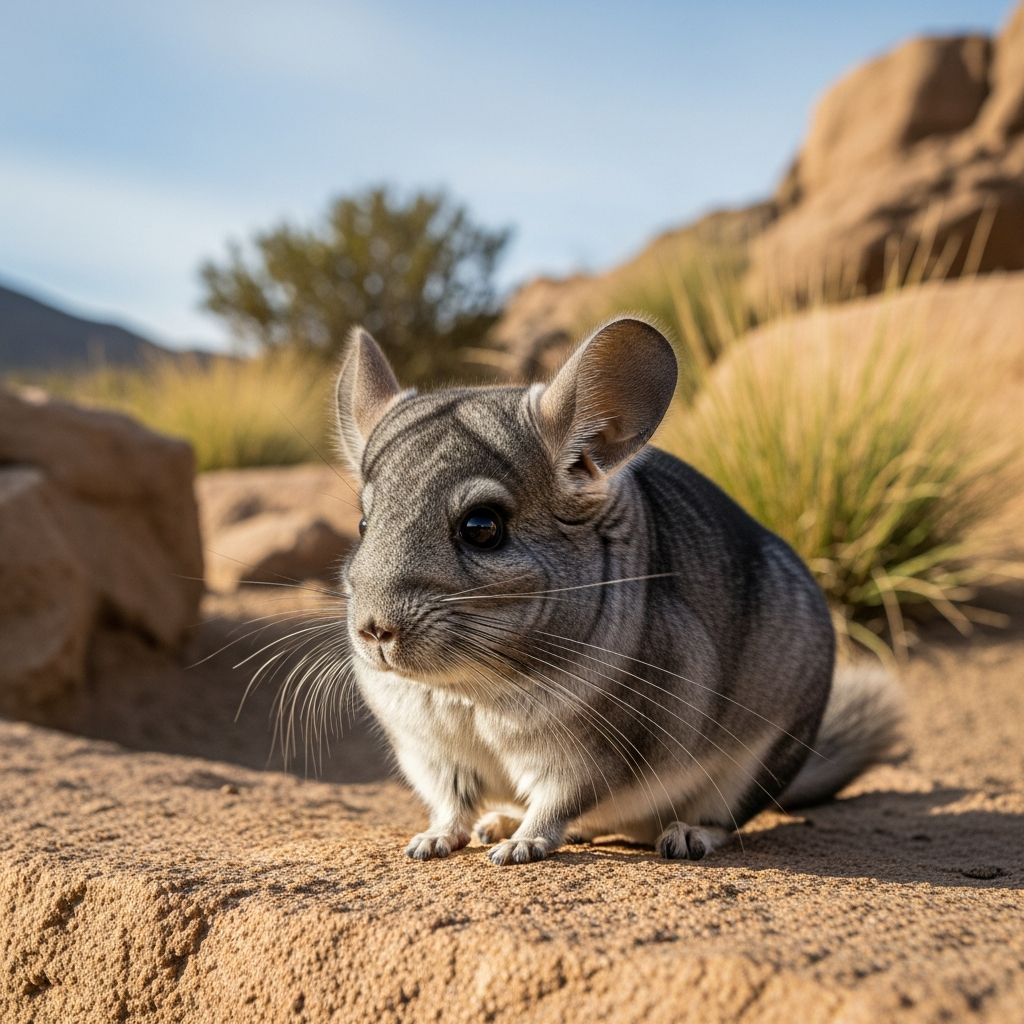
Chinchillas make delightful exotic pets known for their soft fur, playful nature, and longevity of up to 15 years with proper attention. These rodents from the Andes demand specific environmental controls, diets, and routines to flourish, avoiding common pitfalls like heat stress or digestive issues.
Creating the Perfect Living Environment
A suitable habitat mimics their high-altitude origins, prioritizing space, temperature regulation, and safety. Aim for a multi-level cage at least 4 feet tall by 2 feet wide to allow jumping and exploration, constructed from sturdy wire mesh with no sharp edges or climbable exteriors to prevent escapes.
- Temperature Control: Maintain 60-70°F (16-21°C) with low humidity under 50% to prevent fatal overheating; use fans or air conditioning in warmer climates.
- Placement: Position away from direct sunlight, drafts, vents, and noisy areas to reduce stress.
- Bedding: Opt for dust-free options like paper pellets or fleece liners; steer clear of wood shavings containing phenols that irritate lungs.
Enrich the space with platforms, shelves, and hiding spots using safe materials like lava ledges or wooden perches. Include a litter box in one corner for natural elimination habits, promoting cleanliness.
Nutrition for Optimal Health
Diet forms the cornerstone of chinchilla vitality, focusing on high-fiber foods to support continuous tooth growth and hindgut fermentation. Unlimited grass hay—such as timothy, orchard, or meadow—should comprise 70-80% of intake, aiding digestion and dental wear.
| Food Type | Daily Amount | Benefits | Precautions |
|---|---|---|---|
| Grass Hay | Unlimited | Digestion, teeth grinding | Fresh, dust-free varieties |
| Oxbow-Style Pellets | 1-2 tsp per 2 lbs body weight | Balanced nutrients | No seeds, fruits, or colored mixes |
| Fresh Water | Unlimited | Hydration | Clean sipper bottle daily |
| Treats | Occasional, <10% diet | Enrichment | Plain rose hips, willow sticks only |
Avoid muesli-style foods laden with sugars that cause obesity and enterotoxemia. Consistency in feeding prevents selective eating and gastrointestinal stasis.
Grooming Routines to Maintain Fur and Nails
With over 60 hairs per follicle, chinchillas self-groom via dust baths rather than water, which mats fur and invites fungal growth. Provide chinchilla-specific dust in a wide, shallow container 2-3 times weekly for 10-15 minutes sessions.
- Remove dust post-bath to avoid respiratory irritation or eye issues.
- Gently brush with a soft tool during shedding seasons to remove loose fur.
- Trim nails every 4-6 weeks using small animal clippers, avoiding the quick.
Over-bathing dries skin, while under-bathing leads to oily coats prone to parasites. Monitor for excessive scratching signaling mites.
Daily Handling and Socialization Tips
Chinchillas are crepuscular, most active at dawn and dusk, preferring gentle interactions to build trust. Start with short sessions, letting them approach first, using treats like hay to associate humans positively.
Key practices include:
- Soft vocalizations and slow movements to minimize fear.
- Supervised playtime in a chinchilla-proofed room with tunnels and chew toys.
- Pairing same-sex companions post-gradual introductions for social fulfillment.
Respect boundaries—forced handling causes stress-related fur slip or biting. Daily routines like spot-cleaning reinforce bonds.
Exercise and Enrichment Activities
Physical activity prevents obesity and boredom-induced barbering. Solid-surface wheels (12-inch diameter minimum) enable running without spinal injury, alongside chew toys like unpainted wood blocks and apple branches.
Rotate items weekly:
- Hanging hammocks for lounging.
- Puzzle feeders with hay for mental stimulation.
- Dust-proof tunnels for burrowing instincts.
Out-of-cage playpens, secured against chewing wires or jumping hazards, extend exercise safely for 30-60 minutes daily.
Health Monitoring and Common Concerns
Vigilance catches issues early: watch for lethargy, diarrhea, nasal discharge, or fur loss. Annual vet check-ups with exotic specialists include fecal exams and dental assessments, as malocclusion arises from poor diet.
Cleaning schedule:
- Daily: Spot clean, refresh food/water.
- Weekly: Full cage wash with mild soap, disinfect monthly.
- Quarantine new pets 30 days.
Preventives encompass vaccination-free lifestyles but include mite treatments if needed. Heat stroke manifests as open-mouth breathing—act with cool towels immediately.
Frequently Asked Questions (FAQs)
Can chinchillas live alone?
They thrive with compatible pairs but singles need ample human interaction; monitor for depression signs like inactivity.
What if my chinchilla stops eating?
Seek vet care promptly—stasis can be fatal within 24 hours; offer warm fluids and hay incentives.
Are chinchillas good for apartments?
Yes, if noise-tolerant; their vocalizations are minimal, but wheels generate sound at night.
How do I know if the temperature is safe?
Use a digital thermometer/hygrometer; below 65°F ideal, never exceed 75°F.
Do chinchillas need vaccinations?
No routine shots, but dental and parasite checks are vital yearly.
Long-Term Commitment and Lifespan Factors
With diligent care, chinchillas reach 10-20 years. Factors boosting longevity: stable routines, fiber-rich diets, and prompt veterinary intervention. Track weight monthly and journal behaviors for trends.
Breeding requires expertise—separate sexes post-weaning to avoid overpopulation stresses. Spaying/neutering mitigates reproductive cancers in females.
References
- Chinchilla Care Guide: Housing, Diet, and Daily Care — PetMD. 2023. https://www.petmd.com/exotic/chinchilla-care-sheet
- Caring for your CHINCHILLA — Oxbow Animal Health. 2024-03. https://oxbowanimalhealth.com/wp-content/uploads/2024/03/Chinchilla-Care-Guide-Feb-2024.pdf
- CARING FOR YOUR CHINCHILLA — Pet Advocacy Network. 2022-01. https://petadvocacy.org/wp-content/uploads/2022/01/Chinchilla-Care-Sheet.pdf
- Chinchilla Care — Chicago Exotics Animal Hospital. N/A. http://www.exoticpetvet.com/chinchilla-care.html
- Ultimate Guide to Chinchilla Care — Aloha Animal Hospital. 2025-03-15. https://alohavegasvets.com/2025/03/15/ultimate-guide-to-chinchilla-care/
Similar Articles








Read full bio of medha deb