Chinchilla Care Essentials: Complete Guide For 2025
Master the art of chinchilla care with expert tips on housing, nutrition, grooming, and health for a thriving pet.
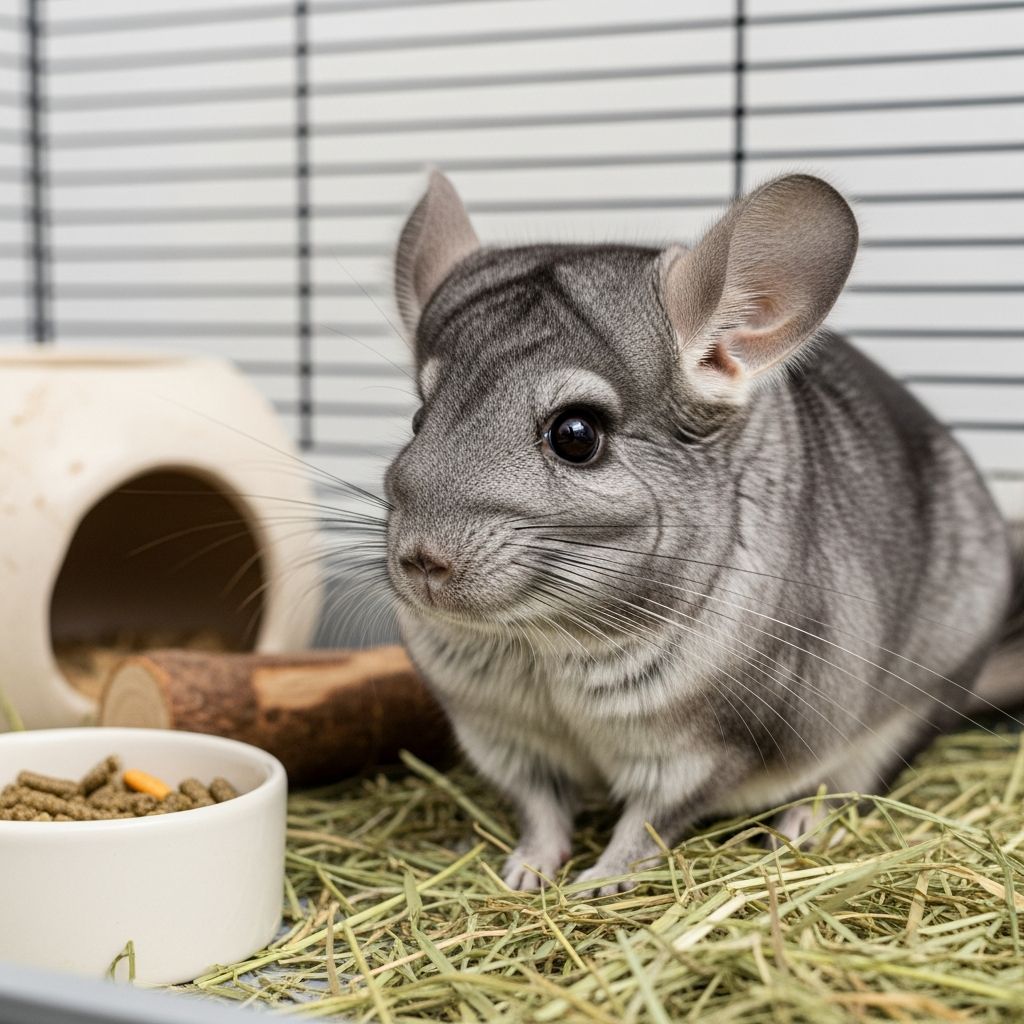
Chinchillas make captivating companions due to their playful nature, soft fur, and lively personalities. Originating from the Andes mountains, these rodents thrive in environments mimicking their natural habitat. Proper care involves attention to their unique physical and behavioral needs, ensuring a lifespan of 10-15 years or more. This guide provides detailed strategies for housing, feeding, grooming, health maintenance, and bonding.
Creating the Perfect Living Space
A suitable enclosure is foundational for chinchilla well-being. These animals are highly active jumpers and climbers, requiring vertical space over horizontal. Opt for a multi-level cage at least 4 feet tall, 2 feet wide, and 2 feet deep to allow free movement. Wire spacing should be no more than 0.5 inches to prevent escapes or injuries.
Position the habitat in a quiet, draft-free area with temperatures between 60-70°F and humidity below 50%. Avoid direct sunlight, heaters, or air conditioning vents to prevent heat stress, as chinchillas cannot sweat efficiently.
- Shelves and platforms: Install sturdy ledges using wood or metal for jumping and exploring.
- Hideouts: Provide chew-proof boxes or tunnels for security and rest.
- Exercise wheel: Choose a large, solid-surface wheel (at least 12 inches diameter) to avoid limb entrapment.
- Chew toys: Supply untreated wood blocks like apple or pine to wear down ever-growing teeth.
Bedding options include fleece liners or paper-based substrates for absorbency and safety. Avoid cedar or pine shavings, which release harmful aromatic oils. Litter training works well with pelleted litter in a corner box, promoting cleanliness.
Nutrition for Optimal Health
Chinchillas are strict herbivores with sensitive digestive systems adapted to high-fiber, low-fat diets. Unlimited access to fresh timothy hay forms 80% of their intake, aiding digestion and dental health as teeth grow continuously.
Provide 1-2 tablespoons of high-quality, pelleted chinchilla food daily, formulated with timothy grass and fortified vitamins. Avoid mixes with seeds, nuts, or colorful bits, which lead to obesity and selective feeding.
| Food Type | Daily Amount | Notes |
|---|---|---|
| Grass Hay (Timothy, Orchard) | Unlimited | Main diet staple; supports gut motility |
| Pellets | 1-2 tbsp | Age-appropriate; low calcium |
| Alfalfa Hay | Occasional | For young, pregnant, or seniors only |
| Fresh Water | Unlimited | Use filtered; clean bottle daily |
| Treats (Veggies/Fruits) | 1 tsp, 1-2x/week | Low-calcium like rose hips; minimal to avoid stones |
Calcium excess from alfalfa or greens can cause urinary stones, so reserve it for specific life stages. Always use a sipper bottle for water, refreshed daily to prevent bacterial growth.
Grooming and Hygiene Practices
Chinchillas maintain their dense fur (up to 60 hairs per follicle) through dust baths, a natural behavior absorbing oils and dirt. Offer sessions 3-4 times weekly in a shallow container (6x6x9 inches) filled with 1-2 inches of chinchilla-specific dust (volcanic ash or clay-based). Supervise for 20-30 minutes, then remove to avoid respiratory issues or eye irritation.
Never use water baths, as their fur dries slowly, risking fungal infections or hypothermia. Occasional brushing with a soft brush removes loose fur during shedding seasons.
Daily spot-cleaning removes feces and soiled bedding. Perform full cage cleanings weekly with mild soap, rinsing thoroughly. Disinfect monthly using a diluted bleach solution (2-3 drops per gallon), ensuring complete drying.
Health Monitoring and Common Issues
Vigilance prevents many chinchilla ailments. Watch for signs like lethargy, fur chewing, diarrhea, or reduced appetite, indicating dental overgrowth, GI stasis, or ringworm.
- Dental problems: Provide chews; annual vet checks for malocclusion.
- Overheating: Symptoms include open-mouth breathing; mist with cool water if needed.
- Parasites: Fur mites cause itching; treat with vet-prescribed ivermectin.
- Urinary issues: Bloody urine signals stones; low-calcium diet key.
Schedule yearly veterinary exams with an exotic animal specialist. Vaccinations are unnecessary, but fecal tests detect parasites. Quarantine new pets for 30 days.
Socialization and Daily Interaction
Chinchillas are crepuscular (active dawn/dusk), preferring same-sex pairs or small groups for companionship. Introduce gradually in neutral space to avoid aggression. Solo chinchillas need 1-2 hours daily out-of-cage playtime in a secure room.
Handling requires patience: support body fully, avoid sudden grabs. They bond through routines like treat-sharing. Enrichment rotates toys weekly, preventing boredom-induced behaviors like barbering (self-fur pulling).
Reproduction and Breeding Considerations
Breeding chinchillas mature at 8 months, with 111-day gestation yielding 1-6 kits. Provide spacious nesting boxes and extra nutrition for does. Avoid inbreeding; separate sexes post-weaning at 8 weeks. Responsible ownership prioritizes health over numbers.
Seasonal and Lifespan Care Adjustments
Young chinchillas need alfalfa for growth; adults transition to grass hay. Seniors benefit from softer pellets and joint-support supplements. During molts, increase dust baths. Lifespan extends with consistent care, some reaching 20 years.
FAQs
Can chinchillas live alone?
They prefer companions but thrive solo with ample interaction. Monitor for loneliness signs like pacing.
How often should I clean the cage?
Spot clean daily, full clean weekly, deep disinfect monthly.
What temperature is safe?
60-70°F; above 75°F risks heatstroke.
Are chinchillas nocturnal?
Crepuscular; most active evenings.
What if my chinchilla stops eating?
Emergency: GI stasis; seek vet immediately with simethicone and critical care formula.
Troubleshooting Common Challenges
Fur Issues: Dust baths resolve oiliness; vet for mites.
Obesity: Limit pellets, increase hay.
Aggression: Separate, reintroduce slowly.
References
- Caring for your CHINCHILLA – Oxbow Animal Health — Oxbow Animal Health. 2024-03. https://oxbowanimalhealth.com/wp-content/uploads/2024/03/Chinchilla-Care-Guide-Feb-2024.pdf
- Chinchilla Care Guide: Housing, Diet, and Daily Care – PetMD — PetMD. https://www.petmd.com/exotic/chinchilla-care-sheet
- Comprehensive Chinchilla Care Guide for Healthy Pets – YouTube — YouTube. https://www.youtube.com/watch?v=IoBzXxovsHE
- 2025 Chinchilla Care Sheet: FAQs on Housing, Diet & Health — Luv-N-Care Animal Hospital. 2025. https://luvncare.net/chinchilla-care-101-top-faqs/
- CARING FOR YOUR CHINCHILLA – Pet Advocacy Network — Pet Advocacy Network. 2022-01. https://petadvocacy.org/wp-content/uploads/2022/01/Chinchilla-Care-Sheet.pdf
- Chinchilla 101: How to Care for Your New Pet Chinchilla — Andy.pet. https://andy.pet/blogs/all/chinchilla-101-how-to-care-for-your-new-pet-chinchilla
- Chinchilla Care 101: The Ultimate Reference Guide — Global Chinchillas. https://globalchinchillas.com/product/chinchilla-care-101-the-ultimate-reference-guide/
Similar Articles








Read full bio of Sneha Tete