

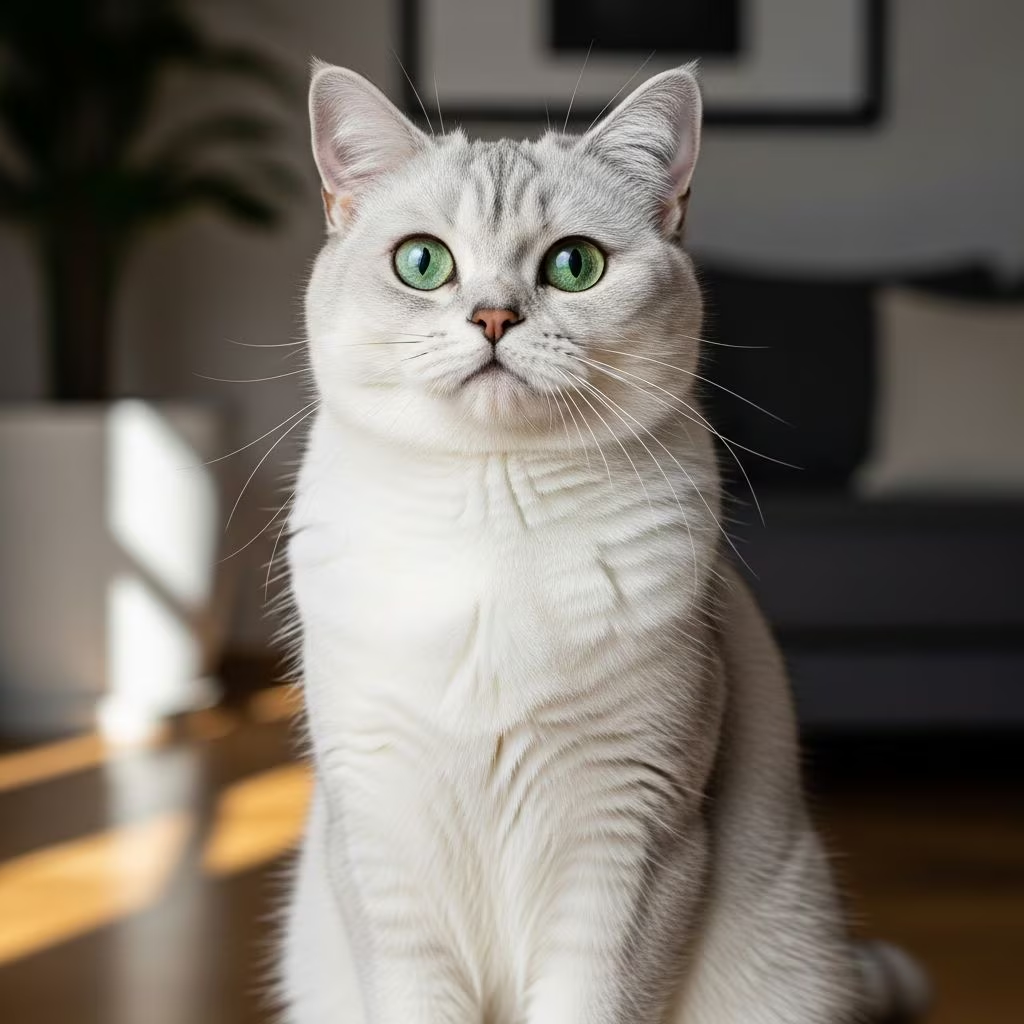
The Chinchilla British Shorthair stands out as a captivating feline variety, blending the robust build of the classic British Shorthair with a luxurious, shimmering coat that evokes images of fine silver dust. This breed variation features a pure white undercoat tipped delicately with color, creating a sparkling effect unique among domestic cats. Renowned for their plush appearance and composed demeanor, these cats offer a perfect mix of elegance and approachability, making them a favored choice for households seeking a refined yet undemanding pet.
Origins and Development of the Breed
The roots of the Chinchilla British Shorthair trace back to the longstanding British Shorthair lineage, one of the oldest documented cat breeds in existence. Originating from the sturdy domestic cats of Britain, the Shorthair was selectively bred in the 19th century for exhibition purposes, with early influences from Persian lines introducing longhair variations. The Chinchilla pattern emerged as breeders aimed to refine the silver-shaded aesthetics, drawing inspiration from the soft, dense fur of the chinchilla rodent—hence the name. This tipping technique, where only the outer portion of each hair is pigmented, was perfected through careful mating to achieve the breed’s signature glow.
By the early 20th century, silver and golden tipped varieties gained prominence in cat shows, with the Cat Fanciers’ Association (CFA) and The International Cat Association (TICA) formalizing standards. Unlike the solid blue-gray British Shorthairs popularized in media, Chinchilla variants emphasize a lighter, more ethereal palette. British breeders played a pivotal role, crossing Shorthairs with Persians to enhance coat quality while preserving the breed’s muscular frame. Today, this sub-breed maintains distinct recognition, celebrated for its evolution from working farm cats to pedigreed showstoppers.
Distinctive Physical Features
Chinchilla British Shorthairs possess a medium-to-large build that exudes strength and softness simultaneously. Males typically weigh 12-16 pounds, females 9-11 pounds, with a stocky body featuring a broad chest, level back, and short, sturdy legs ending in round paws. Their head is notably round with full cheeks, a short broad nose, and small-to-medium ears set wide apart, framing enormous, expressive eyes in vivid green or blue hues—often rimmed in black for a kohl-lined effect.
The coat is the crown jewel: short, dense, and plush, boasting more hair follicles per square inch than most breeds, resulting in a velvety texture that’s resilient to dirt yet sparkles under light. Silver Chinchillas display a white undercoat with black, blue, or other shaded tipping covering about one-eighth of each hair, while goldens feature an apricot base with deeper tones. This creates a halo-like sheen, especially on the flanks and tail. Variations exist in longhair forms, where fur appears fuller but retains the same tipped pattern.
| Feature | Silver Chinchilla | Golden Chinchilla |
|---|---|---|
| Undercoat | Pure white | Warm cream/apricot |
| Tipping Color | Black, blue, chocolate | Black, brown |
| Eye Liner | Dark black rings | Brownish rings |
| Overall Sheen | Cool silver sparkle | Rich golden glow |
This table highlights key coat distinctions, aiding breeders and enthusiasts in identification.
Temperament and Behavioral Traits
Owners describe Chinchilla British Shorthairs as the epitome of feline poise—calm, affectionate, and remarkably adaptable. They form deep bonds with family members, often following owners room-to-room without demanding constant interaction. Their low-energy profile suits apartment living; expect leisurely lounging punctuated by short bursts of playful pouncing on toys. Unlike high-strung breeds, they vocalize sparingly, offering soft chirps or purrs rather than meows.
- Affectionate yet independent: They relish lap time but won’t pester if occupied.
- Child-friendly: Patient with gentle handling, though they dislike being scooped up abruptly.
- Social with pets: Harmonious with dogs, other cats, and even small animals due to muted hunting drive.
- Intelligent learners: Quick to master litter habits and basic commands.
- Stranger-neutral: Polite but reserved, warming up gradually.
Silver shaded and Chinchilla types lean more cuddly than classic Shorthairs, inheriting Persian gentleness alongside British smarts. They thrive on routine but adjust swiftly to changes, proving resilient travelers.
Grooming and Everyday Care
Despite their opulent fur, Chinchilla British Shorthairs require minimal grooming thanks to the dense, self-cleaning coat. Weekly brushing with a soft slicker tool removes loose hairs and distributes natural oils, enhancing shine—daily for longhairs. Bathe only if soiled, as they groom meticulously. Dental care is crucial; provide brushing kits or dental treats to combat plaque common in the breed.
Nail trims every 10-14 days prevent snags, and ear checks weekly ward off wax buildup. High-quality dry kibble formulated for large breeds supports their muscular frame without excess calories, portioned to 1/2-1 cup daily split into meals. Fresh water and occasional wet food promote hydration. Interactive toys like feather wands keep them engaged without overexertion.
Health Considerations and Lifespan
Generally robust, Chinchilla British Shorthairs inherit the breed’s hearty constitution, boasting a 12-20 year lifespan with proper care. Common concerns include hypertrophic cardiomyopathy (HCM), a heart condition screened via genetic tests by responsible breeders, and polycystic kidney disease (PKD) from Persian ancestry—though incidence is low in modern lines. Obesity looms if overfed, given their sedentary tendencies; monitor weight quarterly.
Annual vet visits, vaccinations, and parasite preventives ensure vitality. Early spaying/neutering curbs cancers and roaming urges. Their thick coat insulates well, but indoor-only living shields from fleas and fights.
Bringing Home a Chinchilla British Shorthair
Acquire from CFA/TICA-registered catteries emphasizing health testing. Kittens cost $1,500-$3,000, reflecting pedigree and quality. Prepare with scratching posts, elevated feeders, and quiet acclimation spaces. Socialize early for optimal friendliness. Adults from rescues offer proven temperaments at lower fees.
Integration tips: Introduce gradually to multi-pet homes, using pheromone diffusers for stress relief. Their adaptability shines, settling into routines swiftly.
Training and Enrichment Activities
These cats respond well to positive reinforcement—clickers and treats teach tricks like sit or high-five. Puzzle feeders combat boredom, dispensing kibble via paw manipulation. Vertical spaces like cat trees satisfy climbing instincts without chaos. Rotate toys to sustain interest; laser pointers spark brief hunts.
Comparing Chinchilla to Other British Variants
| Aspect | Chinchilla | Classic Blue | Tabby |
|---|---|---|---|
| Coat Pattern | Tipped/shaded | Solid gray | Striped/spotted |
| Affection Level | High | Moderate | Moderate |
| Energy | Low | Low | Medium |
| Show Appeal | Sparkling sheen | Velvet texture | Bold markings |
Chinchillas edge out in cuddliness, ideal for lap lovers.
FAQ
Are Chinchilla British Shorthairs hypoallergenic?
No, but their dense coat sheds minimally compared to silkier breeds.
Do they get along with dogs?
Yes, their placid nature fosters easy coexistence.
How often should I brush their coat?
Once weekly suffices; more for show prep.
What’s the best food for this breed?
Protein-rich formulas for muscle maintenance, low-carb to prevent obesity.
Can they live outdoors?
Prefer indoors for safety and coat preservation.
Ideal Homes for This Breed
Chinchilla British Shorthairs flourish in calm environments with interactive humans—families, singles, or seniors alike. Their tolerance suits homes with respectful children and pets, though they balk at rough play. Low-maintenance appeal draws busy owners, rewarding devotion with loyal companionship.
References
- British Shorthair — Cat Fanciers’ Association. 2023. https://cfa.org/breed/british-shorthair/
- British Shorthair — The International Cat Association. 2023. https://tica.org/breed/british-shorthair/
- British Shorthair Personality & Character Traits — Sasszkats Cattery. 2023. https://www.sasszkats.com/about-the-breed/british-shorthair-personality-character-traits/
- About British Shorthair Breed — NW British Cat Cattery. 2023. https://nwbritishcat.com/about/
- Discover the Friendly British Chinchilla Cat Character — Scottish Fold Brit. 2023. https://scottishfoldbrit.com/discover-the-friendly-british-chinchilla-cat-character/
- British Shorthair — Wikipedia. 2026-01-29. https://en.wikipedia.org/wiki/British_Shorthair



