

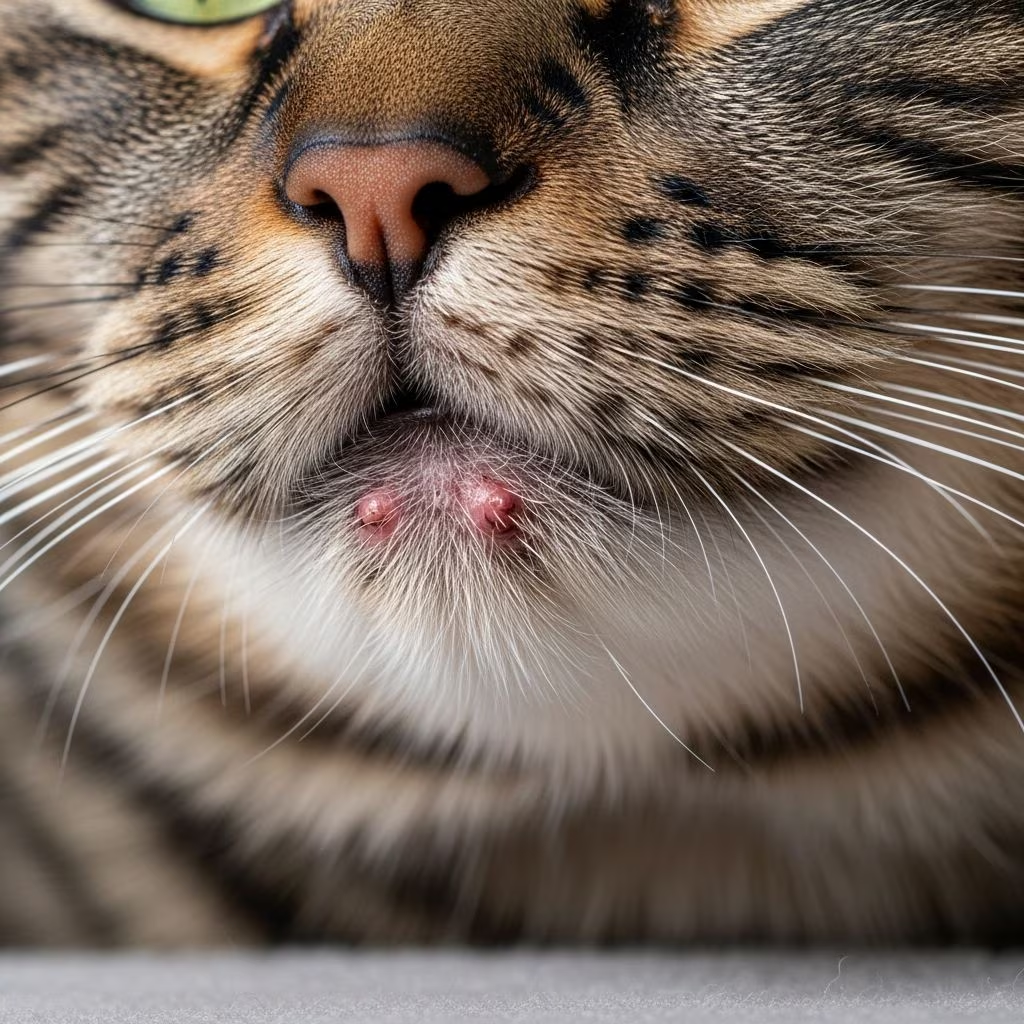
Understanding Chin Acne in Cats
Feline chin acne is a common dermatological condition that affects many cats, particularly those in their middle years and older. This condition involves inflammation of the hair follicles, primarily located on the chin and lower lip area. While the exact cause remains multifactorial and often unclear, the condition results from a combination of factors including follicular obstruction, excess sebum production, and potential secondary bacterial or fungal infections. Understanding this condition is essential for cat owners and veterinary professionals to provide appropriate care and management strategies.
The condition ranges from mild cases that go virtually unnoticed to severe presentations that significantly impact the cat’s quality of life and comfort. Most cases of feline chin acne are mild and often go undetected by owners, but more severe cases become obvious and can be unsightly for both the cat and the owner concerned about their pet’s appearance and well-being.
Clinical Signs and Diagnosis of Feline Chin Acne
The clinical presentation of chin acne in cats is highly variable. The most common clinical sign associated with chin acne is a dirty-looking chin, which may initially appear deceptively innocent to untrained eyes. Upon careful examination, veterinarians and observant owners will reveal the characteristic features of this condition.
Appearance and Symptoms
Mild cases of cat chin acne typically appear as tiny black spots or as a mild irritation on the chin area. These blackheads, medically termed comedones, represent the earliest and most frequently observed manifestations of the disease. In contrast, severe cat chin acne usually appears as red sores and lesions that may extend beyond just the chin to the lower lip and upper lip areas.
Clinical examination may reveal:
- Comedones (blackheads) occurring in 73% of affected cats
- Alopecia (hair loss) in approximately 68% of cases
- Crusts and scabs appearing in 55% of cases
- Papules (small raised bumps) in 45% of cases
- Erythema (redness and inflammation) in 41% of cases
The lips and chin may become swollen and inflamed as the condition progresses. In chronic cases, hard, crusty lesions develop that become sore when touched. If significant pain is present during examination, furunculosis—a more severe condition involving deeper follicular infection—is often the underlying cause.
What Causes Feline Chin Acne?
The etiology of feline chin acne is complex and multifactorial, making it challenging to identify a single causative factor in most cases. Research indicates that the condition typically results from several contributing factors working in concert rather than one isolated cause.
Primary Contributing Factors
The condition commonly develops due to excessive production of sebum (oil) from hair follicles on the chin. This excess oil accumulates and becomes trapped within the follicles, creating an ideal environment for bacterial colonization and infection. The combination of trapped sebum, dead skin cells, and bacteria leads to the formation of comedones and subsequent inflammation.
Environmental and behavioral factors also play significant roles. Poor hygiene practices, the use of plastic food and water dishes that harbor bacteria, diet changes, stress, and exposure to new items in the environment can all contribute to the development or exacerbation of chin acne. Some cats may have sensitivity to specific materials or substances that irritate the chin area.
Treatment of Chin Acne in Cats
Treatment of chin acne in cats often involves improved hygiene as the foundational approach. A comprehensive treatment strategy depends on the severity of the condition and how much it bothers both the cat and the owner. Cats with only asymptomatic comedones may not require aggressive treatment but can benefit from preventive measures and regular cleaning routines.
Topical Treatment Options
For mild to moderate cases, topical treatments often prove effective. A benzoyl peroxide product or shampoo may be used to cleanse the affected area and flush out the hair follicles, though benzoyl peroxide must be used carefully as it can be irritating and may stain hair and fabrics. Many veterinarians recommend starting with gentler alternatives.
Other topical products that may be used include:
- Antibacterial wipes containing chlorhexidine
- Antiseptic shampoos with chlorhexidine, povidone iodine, or sulfur-salicylic acid
- Anti-seborrheic products to manage excess oil production
- Antibiotic ointments such as mupirocin
- Salicylic acid solutions or shampoos for comedone management
- Zinc- and L-lysine-containing topical lotions
When using antibacterial wash like chlorhexidine or dilute peroxide to clean your cat’s chin, apply the product with a cotton ball and clean the affected areas gently. You must avoid aggressive scrubbing, as this may worsen the irritation on inflamed skin and increase your cat’s discomfort.
Systemic and Advanced Treatments
Severe acne with extensive secondary infection requires oral antibiotic therapy. Your veterinarian may select the right antibiotics after performing sensitivity tests on bacterial cultures taken from the chin. Sometimes fungal infections may also be involved in the infection process, requiring antifungal medications.
In more severe or chronic cases, additional systemic treatments may be necessary:
- Corticosteroids to reduce inflammation and discomfort
- Isotretinoin (the human acne drug, Accutane®) for particularly stubborn cases
- Oral antibiotics targeted to specific bacteria identified through culture
- Immune modulators in complex cases
- Immunosuppressants in exceptionally recalcitrant cases under strict medical supervision
Your veterinarian will direct you on which products to use and for how long based on your individual cat’s response to treatment.
Nutritional Support
Affected cats often benefit from a fatty acid supplement, especially omega-3 fatty acids, which support skin health and reduce inflammation. These supplements can be administered orally and may enhance the effectiveness of other treatments. Changing to a dry diet and ensuring proper nutrition may also support healing and prevent recurrence.
Hair Management
In some cases, it may be necessary to keep the hair clipped short in the affected area. This improves air circulation, reduces moisture accumulation, and makes it easier to clean and treat the affected region. Short hair also reduces the potential for bacteria to thrive in the microenvironment of the chin area.
Hygiene and Prevention Strategies
Prevention and management of feline chin acne begin with improving and maintaining excellent hygiene practices. These measures form the cornerstone of long-term management and can significantly reduce the frequency and severity of outbreaks.
Daily Hygiene Practices
Clean your cat’s chin after meals by wiping your cat’s mouth with a clean towel or cloth. This removes food residue and prevents bacterial accumulation. Regularly cleaning the cat’s chin with a soft cloth soaked in warm water, and using a mild antiseptic shampoo once a week, creates an inhospitable environment for bacterial growth.
One of the easiest and most effective preventive measures involves brushing under the chin. You can use an old toothbrush to brush under your cat’s chin daily, which removes excess oil and prevents follicle clogging. Many owners find this simple technique highly effective in managing their cat’s acne.
Food and Water Dish Management
Replacing plastic food and water dishes with non-porous, smooth-surface dishes like glass or stainless steel may help to resolve chin acne in some cats, as plastic bowls are often porous and promote bacterial growth. Clean your cat’s food and water dishes regularly—at least once daily—with hot water and antiseptic soap. This eliminates bacteria that could transfer to the chin during feeding.
Environmental Monitoring
Watch out for changes in your cat’s chin after introducing new items (new food, new chew toy, new fabric materials, etc.) into the environment. If you see acne developing or worsening, remove the newly introduced item for about a month and observe whether the condition improves or resolves. This helps identify potential triggers specific to your individual cat.
Things to Avoid
Do not pick at your cat’s acne, as this may worsen the condition and cause more pain and infection. The temptation to squeeze or pop these lesions must be resisted, as it can introduce additional bacteria and create deeper, more problematic infections. Allow veterinary professionals to assess whether any extraction or treatment is necessary.
Prognosis and Long-Term Management
Most cases of feline chin acne respond well to improved hygiene along with topical preparations or systemic medications. Owners should closely follow their veterinarian’s instructions to ensure success and maximize the likelihood of improvement. The prognosis improves significantly when owners commit to consistent, daily hygiene practices and adhere to recommended treatment protocols.
It is important to understand that currently, there is no curative treatment for feline chin acne. However, appropriate management significantly controls the condition and improves the cat’s long-term comfort and quality of life. The goal of treatment is to control lesions and their complications, not to completely cure the disease. With proper management, most cats experience substantial improvement in symptoms and reduced frequency of flare-ups.
Stubborn cases may require aggressive treatment to control the problem and may necessitate a skin biopsy to confirm the diagnosis and rule out other conditions. In these situations, a re-evaluation of the cat’s environmental and behavioral factors will be conducted, and complementary examinations such as bacteriological cultures and antibiograms may be performed to adapt treatment appropriately. Specialist veterinary dermatology advice may also be sought for particularly challenging cases.
Frequently Asked Questions About Feline Chin Acne
Q: What is the difference between mild and severe chin acne in cats?
A: Mild chin acne typically appears as tiny black spots (comedones) or mild irritation on the chin. Severe chin acne presents as red sores and lesions that may extend to the lips, with swollen and inflamed tissue. Chronic severe cases develop hard, crusty lesions that are painful to the touch.
Q: Can I treat my cat’s chin acne at home?
A: Mild cases can often be managed at home with improved hygiene, including daily cleaning with a soft cloth, switching to stainless steel or glass food bowls, and using antibacterial wipes. However, more severe cases require veterinary evaluation and prescription treatments. Always consult your veterinarian before starting any treatment regimen.
Q: Is feline chin acne contagious?
A: No, feline chin acne is not contagious to other cats or to humans. It is a localized skin condition resulting from factors specific to the individual cat’s skin, environment, and follicle dynamics.
Q: How long does it take to see improvement in chin acne?
A: Improvement timelines vary depending on severity and treatment approach. Mild cases may improve within 2-4 weeks with consistent hygiene and topical treatments. Severe cases may require 6-8 weeks or longer of consistent treatment with oral antibiotics or other systemic therapies.
Q: What should I do if my cat’s chin acne keeps recurring?
A: Recurring acne warrants veterinary investigation to identify triggers and optimize management. Your veterinarian may recommend skin biopsies, bacterial cultures, or referral to a veterinary dermatologist. Reassess environmental factors, diet, stress levels, and ensure consistent adherence to hygiene protocols.
Q: Can diet affect feline chin acne?
A: Yes, diet can play a role. Some cats respond better to dry food diets, and nutritional supplements containing omega-3 fatty acids have been shown to support skin health and reduce inflammation associated with chin acne.
Q: Is it safe to use human acne products on my cat?
A: Some human acne products designed for topical use can be prescribed by veterinarians for cats, including certain formulations of benzoyl peroxide, metronidazole gels, and tretinoin products. However, these should only be used under veterinary guidance, as some products may be toxic or irritating to cats.
References
- Chin Acne in Cats — VCA Animal Hospitals. 2024. https://vcahospitals.com/know-your-pet/chin-acne-in-cats
- What to Know About Feline Acne — WebMD Pets. 2024. https://www.webmd.com/pets/cats/what-to-know-feline-acne
- An evaluation of the clinical, cytological, infectious and histopathological features of feline acne — Jazic E, Coyner KS, Loeffler DG, Lewis TP. Veterinary Dermatology. 2006. https://onlinelibrary.wiley.com/journal/13653164
- Chin acne feline: Update on Diagnosis and Treatments — DermaVet. 2024. https://pro.dermavet.com/feline-acne-diagnosis-treatment-research/
- Managing Feline Acne — Texas A&M College of Veterinary Medicine. 2024. https://vetmed.tamu.edu/news/pet-talk/managing-feline-acne/
- Identifying, managing feline acne, non-parasitic otitis and allergic dermatitis — DVM360. 2024. https://www.dvm360.com/view/identifying-managing-feline-acne-non-parasitic-otitis-and-allergic-dermatitis
- Acne and Stud Tail — International Cat Care. 2024. https://icatcare.org/articles/acne-and-stud-tail



