

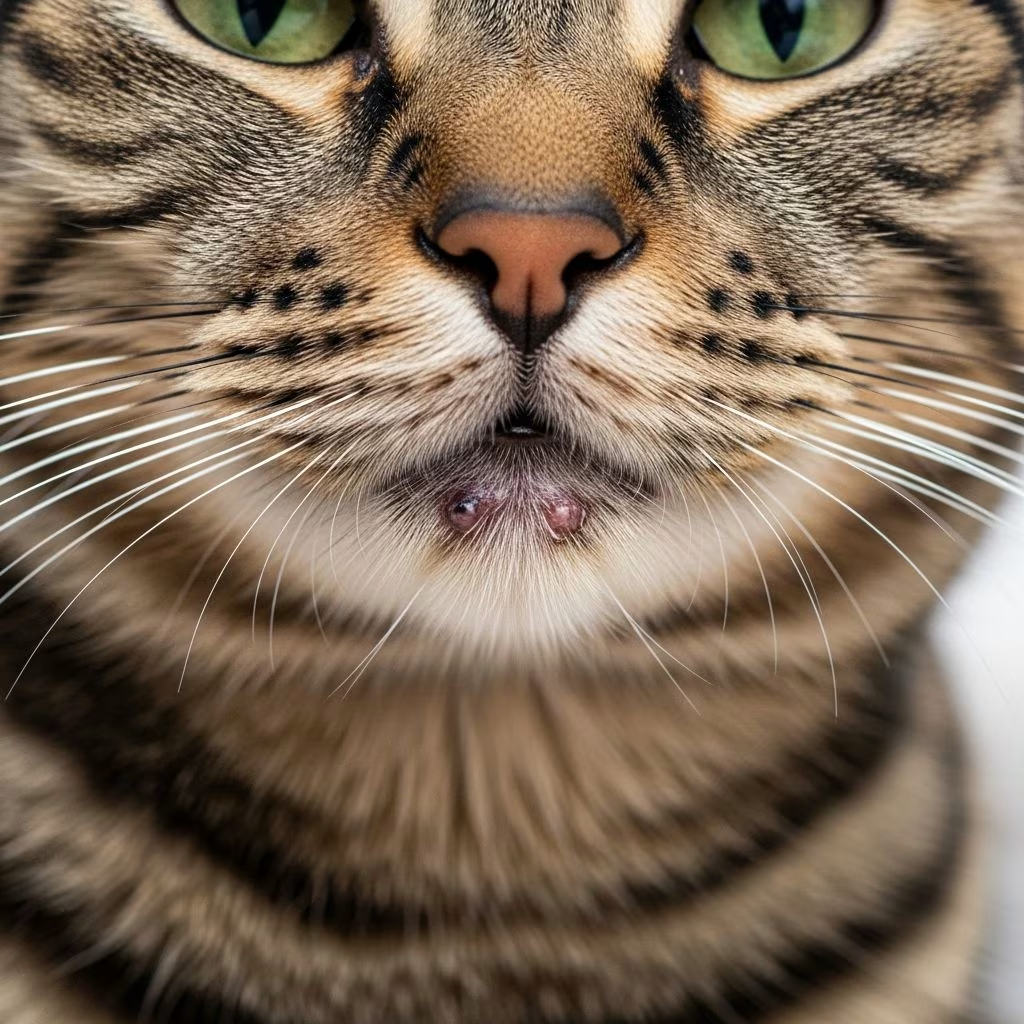
Understanding Feline Chin Acne: A Complete Guide for Cat Owners
Chin acne is a common dermatological condition that affects many cats worldwide. While the condition may seem minor on the surface, understanding its causes, recognizing its signs, and implementing appropriate treatment strategies can significantly improve your cat’s comfort and quality of life. This comprehensive guide explores everything you need to know about feline chin acne, from its clinical presentation to effective management techniques.
What Is Feline Chin Acne?
Feline chin acne is a dermatological condition characterized by inflammation of the pilosebaceous follicles, which are hair-producing structures on your cat’s skin. These follicles, primarily located on the chin and lower lip regions, can become irritated, clogged, and infected, leading to various skin lesions. The condition occurs when hair follicles produce excess sebum, or oil, causing blackheads, bumps, and other dermatological issues.
The exact cause of feline chin acne remains complex and multifactorial. Contributing factors may include follicular obstruction, bacterial infections, potential viral involvement, poor hygiene, stress, dietary factors, and sensitivity to plastic food bowls. Understanding these potential causes is essential for implementing effective prevention and treatment strategies.
Clinical Signs and Symptoms of Chin Acne
Recognizing the clinical signs of feline chin acne is crucial for early intervention and appropriate treatment. The presentation of this condition varies considerably among affected cats, ranging from mild to severe manifestations.
Mild to Moderate Signs
In mild cases, chin acne often appears as a dirty-looking chin, which is frequently the most obvious clinical sign. You may notice tiny black spots or mild irritation on your cat’s chin, which represent comedones or blackheads. These are essentially clogged hair follicles filled with excess sebum and debris. While these lesions may seem cosmetically concerning, they typically cause minimal discomfort to your feline companion.
Severe Manifestations
More severe cases of feline chin acne present with red sores, lesions, and inflammation. The lips and chin may become noticeably swollen and inflamed. In chronic cases, hard, crusty lesions develop that become sore and painful when touched. If significant pain is present, the condition may involve furunculosis, a more serious infection of the hair follicles. Lesions may also appear on the lower lip, upper lip, and surrounding areas beyond just the chin itself.
Common Clinical Manifestations
Research has identified several common clinical findings in cats with acne, including:
– Comedones (blackheads) appearing in approximately 73% of affected cats- Alopecia, or hair loss, in about 68% of cases- Crusts on the affected areas in 55% of cats- Papules, or small raised bumps, in 45% of affected felines- Erythema, or redness, appearing in 41% of cases
Additionally, affected cats may experience itching and rubbing their chin on furniture, carpets, and other household items as they attempt to relieve the discomfort.
Causes and Risk Factors
While the precise etiology of feline chin acne remains incompletely understood, several factors contribute to its development. The primary mechanism involves excessive sebum production in hair follicles, leading to obstruction and subsequent bacterial colonization. Secondary factors that may trigger or exacerbate the condition include:
– Poor chin hygiene and inadequate cleaning routines- Use of porous plastic food and water dishes that harbor bacteria- Dietary sensitivities or nutritional imbalances- Exposure to environmental stressors- Trauma or injury to the chin area- Behavioral factors and excessive grooming- Potential allergic reactions to food or environmental triggers
Interestingly, some cats develop chin acne following the introduction of new items into their environment, such as new food brands or chew toys. This suggests that individual sensitivity and environmental factors play significant roles in the condition’s manifestation.
How Is Feline Chin Acne Diagnosed?
Veterinarians typically diagnose feline chin acne based on clinical examination and presentation. The diagnostic process involves careful visual inspection of the affected chin area, where blackheads and infected follicles become apparent upon close examination. In some cases, cytological examination may be performed by collecting samples from the lesions to identify bacterial or fungal involvement.
A thorough medical history is essential for diagnosis, including information about previous skin diseases, any trauma to the chin, exposure to other animals, dietary habits, stress levels, and recent environmental changes. This comprehensive approach helps veterinarians identify potential trigger factors and tailor treatment plans accordingly.
In refractory or complex cases that do not respond to standard treatment protocols, skin biopsy or histopathological examination may be recommended to confirm the diagnosis and rule out other dermatological conditions. Bacteriological cultures and antibiograms may also be performed to identify the specific bacteria involved and determine appropriate antibiotic sensitivity.
Treatment Options for Feline Chin Acne
Treatment approaches for feline chin acne vary depending on the severity of the condition, the extent of lesions, and how much the condition bothers both the cat and owner. Most cases respond well to improved hygiene combined with appropriate topical or systemic medications.
Improved Hygiene: The Foundation of Treatment
Improved hygiene forms the cornerstone of feline chin acne management. Regular cleaning of your cat’s chin is often one of the most effective treatment strategies available. Simple daily cleaning with soft cloths or specialized acne wipes can significantly reduce excess sebum and prevent bacterial buildup.
A particularly effective technique involves using an old, soft toothbrush to gently brush under your cat’s chin daily. This mechanical removal of excess oil and debris helps prevent follicle obstruction. Additionally, cleaning your cat’s chin after meals by wiping the mouth with a clean towel reduces food debris accumulation.
Dietary Bowls and Feeding Hygiene
Replacing plastic food and water dishes with non-porous alternatives such as glass or stainless steel bowls can dramatically improve chin acne in some cats. Plastic bowls are often porous and promote bacterial growth, while stainless steel and ceramic options provide smooth, non-absorbent surfaces that are easier to clean and less likely to harbor bacteria.
Daily washing of food and water dishes with hot water and antiseptic soap is essential. This simple preventive measure removes bacterial biofilms that accumulate on bowl surfaces and can contribute to chin acne development.
Topical Treatment Options
Several topical treatments effectively manage feline chin acne:
– Benzoyl Peroxide Products: These products cleanse the affected area and flush out hair follicles. However, they can be irritating to cat skin, may stain hair and fabrics, and require careful monitoring during application. Application should be limited to prevent excessive irritation.- Chlorhexidine Products: Antibacterial wipes, shampoos, and other products containing chlorhexidine are effective for cleaning and eliminating bacteria without excessive irritation.- Anti-seborrheic Products: These help control excess oil production and prevent sebum accumulation.- Salicylic Acid: Available in solution or shampoo form, salicylic acid can be applied daily or as directed. While effective for comedone management, many cats dislike its smell.- Antibiotic Ointments: These topical medications benefit many cats by preventing secondary bacterial infections.
Systemic and Oral Medications
More severe or chronic cases may require systemic treatments. Oral antibiotics address secondary bacterial infections and are often selected based on sensitivity testing of bacterial cultures from the chin. Corticosteroids reduce inflammation and discomfort, particularly in acute flare-ups. In refractory cases, isotretinoin (the human acne medication Accutane®) may be considered under strict veterinary supervision, as this medication can be highly effective for stubborn cases but requires careful monitoring for side effects.
Nutritional Supplements
Affected cats often benefit from fatty acid supplements, particularly omega-3 fatty acids, which support skin health and reduce inflammation. These supplements can be particularly helpful when combined with other treatment modalities and may provide long-term benefits for cats prone to recurrent chin acne.
Hair Management
In some cases, keeping the hair clipped short in the affected area can facilitate better hygiene and treatment effectiveness. This allows improved access for topical treatments and reduces the area where bacteria can accumulate.
What NOT to Do: Common Mistakes to Avoid
Understanding treatment pitfalls is as important as knowing what works. Several common mistakes can worsen chin acne or cause additional harm:
– Do not pick or squeeze: Popping zits is absolutely contraindicated. This causes significant pain and irritation, disrupts the structure of hair follicles, and can spread infection to other parts of the chin.- Avoid harsh cleaning: Aggressive scrubbing or cleaning can worsen irritation on inflamed skin. All cleaning should be performed gently with soft cloths or brushes.- Never use human acne medications: Products designed for human skin can be harmful to cats and should be avoided entirely.- Do not use overly harsh products: While benzoyl peroxide has comedolytic properties, its irritating potential makes it unsuitable for long-term or excessive use on feline skin.
Prevention Strategies
Preventing chin acne is preferable to treating established disease. Implement these preventive measures:
– Clean your cat’s chin after meals with a soft cloth or towel- Wash food and water dishes daily with hot water and soap- Use non-porous bowls made from stainless steel or ceramic- Monitor for reactions after introducing new food or toys- Avoid plastic food and water dishes- Maintain regular gentle cleaning of the chin area- Consider omega-3 fatty acid supplementation for skin health support- Remove newly introduced items if acne develops shortly after their introduction, waiting approximately one month to assess improvement
Prognosis and Long-Term Outlook
The prognosis for feline chin acne is generally favorable. Most cases respond well to improved hygiene combined with topical preparations or systemic medications when necessary. However, it’s important to understand that while chin acne can be effectively controlled and managed, currently no curative treatment exists. The goal of treatment is to control lesions and their complications rather than completely cure the disease.
Owners should closely follow their veterinarian’s instructions to ensure treatment success. Some cases are stubborn and may require aggressive treatment strategies, combination therapies, or specialist dermatology consultation. In refractory cases, a skin biopsy is strongly recommended to confirm diagnosis and rule out other conditions. Re-evaluation of environmental and behavioral factors, along with bacteriological cultures and antibiograms, helps adapt treatment protocols for improved outcomes.
When to Contact Your Veterinarian
Contact your veterinarian if you notice:
– Persistent or worsening chin acne despite home cleaning efforts- Signs of pain or discomfort when the chin is touched- Swelling or inflammation spreading beyond the chin area- Signs of secondary infection, such as increased redness, drainage, or crusting- Hair loss in the affected area- Changes in your cat’s behavior or eating habits related to chin discomfort
Frequently Asked Questions About Feline Chin Acne
Q: Is there a cure for feline chin acne?
A: Currently, there is no curative treatment for feline chin acne. However, appropriate management strategies significantly control the condition and improve your cat’s long-term comfort. The goal is to manage lesions and prevent complications rather than completely eliminate the disease.
Q: Can I use human acne products on my cat?
A: No, you should never use human acne medications on cats. Products designed for human skin can be harmful to feline skin and should be avoided entirely. Always use products specifically recommended by your veterinarian.
Q: How long does it take to see improvement?
A: Improvement timelines vary depending on severity and treatment approach. Many cats show improvement within 2-4 weeks of consistent hygiene improvements and appropriate topical treatments, though some cases require longer-term management.
Q: Can diet affect chin acne?
A: Yes, diet may contribute to chin acne development in some cats. Changing to a dry diet and using ceramic or stainless steel bowls washed daily may help resolve the condition in some cases.
Q: Is chin acne contagious to other cats?
A: While chin acne itself is not contagious, secondary bacterial infections may potentially spread between cats through shared bowls or close contact. Maintaining separate feeding dishes and good hygiene practices minimizes this risk.
References
- Chin Acne in Cats — VCA Animal Hospitals. 2024. https://www.vcahospitals.com/know-your-pet/chin-acne-in-cats
- What to Know About Feline Acne — WebMD Pets. 2024. https://www.webmd.com/pets/cats/what-to-know-feline-acne
- Chin Acne Feline: Update on Diagnosis and Treatments — DermaVet Professional Resources. 2024. https://pro.dermavet.com/feline-acne-diagnosis-treatment-research/
- Managing Feline Acne — Texas A&M College of Veterinary Medicine. 2024. https://vetmed.tamu.edu/news/pet-talk/managing-feline-acne/
- Identifying, Managing Feline Acne, Non-Parasitic Otitis and Allergic Dermatitis — DVM360. 2024. https://www.dvm360.com/view/identifying-managing-feline-acne-non-parasitic-otitis-and-allergic-dermatitis
- Acne and Stud Tail — International Cat Care. 2024. https://icatcare.org/articles/acne-and-stud-tail
- An Evaluation of the Clinical, Cytological, Infectious and Histopathological Features of Feline Acne — Jazic E, Coyner KS, Loeffler DG, Lewis TP. Veterinary Dermatology. 2006;17:134-140.



