

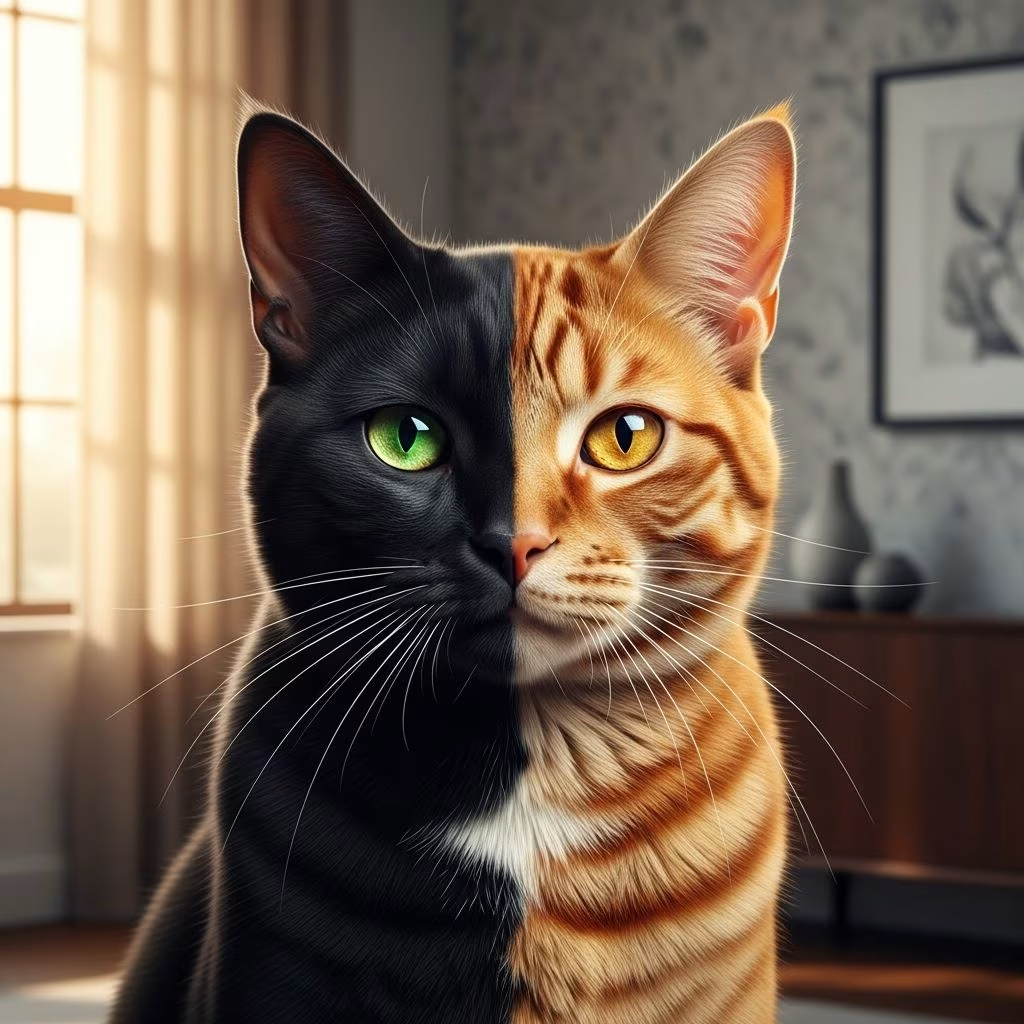
Chimera cats captivate with their striking appearances, often featuring faces divided into distinct color patches or bodies blending impossible hues. These felines arise from a rare genetic event where two embryos merge early in development, resulting in a single cat carrying cells from two separate genetic origins.
The Science of Feline Chimerism
Chimerism occurs when two fertilized eggs, or zygotes, fuse during the earliest stages of embryonic growth. Each zygote contributes its own DNA, creating a mosaic of cell lines within one body. Unlike mosaicism, where a single embryo develops varied cell types due to random X-chromosome inactivation, chimeras possess two complete, distinct genomes from what would have been fraternal twins.
In cats, this fusion can produce visible effects, especially in coat color. Male chimeras, typically XY/XY, might display ginger and black fur if one embryo carried the orange gene on its X chromosome and the other did not. Female chimeras follow similar patterns but start from XX zygotes.
| Feature | Mosaic Cat | Chimera Cat |
|---|---|---|
| Genetic Origin | Single embryo, random X-inactivation | Two fused embryos, dual DNA sets |
| DNA Sets | One set from two parents | Two sets from four parental contributions |
| Common in Males? | Rare (usually XXY) | Possible (XY/XY) |
| Fertility | Usually normal | Often normal, especially XY/XY |
How Chimeras Differ from Tortoiseshells and Calicos
Tortoiseshell and calico cats, predominantly female, exhibit blended black and orange fur due to X-inactivation. One X chromosome activates randomly in each cell, producing patches where either black or orange dominates. Calicos add white spotting from a separate gene.
Chimeras, however, can appear in males and show sharper divisions, like a precise line splitting the face. They may blend dilute (e.g., blue) and non-dilute (e.g., black) colors, impossible in standard genetics without dual embryos.
- Tortoiseshell: Swirled black-orange mix from X-inactivation.
- Calico: Tortoiseshell plus white patches.
- Chimera: Clean splits or patches defying single-genome rules, like red tabby with lilac.
Real-World Examples of Chimera Felines
Famous cases highlight chimerism’s drama. Quimera, a cat with one green eye in a black half-face and one blue in an orange half, drew massive attention. Though some debate if she’s a true chimera versus extreme mosaic, her look exemplifies the phenomenon.
Narnia, a male with black and blue patches, puzzled breeders as his parents couldn’t produce blue. DNA tests ruled out standard explanations, hinting at chimerism or rare mutations.
Ariel and Bridgette, shelter cats, sported red tabby mixed with lilac—dilute and non-dilute together—suggesting fused embryos that partially separated. Floid blended blue and red, confirmed fertile, solidifying his chimera status.
Even subtle signs appear: a Devon Rex mother with white freckles carried a solid white cell line in her ovaries, producing unexpected kittens.
Rarity and Detection Challenges
True chimeras are exceedingly scarce. Most “split-face” cats are mosaics with lucky X-inactivation patterns. Geneticist Virginia Papaioannou notes chimeras require early embryo fusion, rarer than lab-created ones.
Detection demands DNA testing from multiple tissues, like blood and skin, revealing differing profiles. Karyotyping male tortoiseshells often uncovers XX/XY chimerism over Klinefelter syndrome (XXY).
Internally, chimeras might have organs or blood from one cell line, unnoticed without tests. Breeding anomalies, like impossible kitten colors, flag potential carriers.
Health Implications for Chimera Cats
Most chimeras thrive like regular cats, fertile and healthy. XY/XY males breed normally. However, dual cell lines pose risks:
- Immune Issues: Mixed blood types could trigger reactions, though rare.
- Organ Mismatch: One lineage’s kidney with another’s cells might affect function long-term.
- Cancer Risk: Conflicting genetics may heighten cellular instability.
Owners report no issues in icons like Quimera, who lives normally. Veterinary monitoring mirrors standard care, with genetic tests for breeding.
Caring for a Potential Chimera Cat
Treat chimera cats as any feline:
- Nutrition: High-quality diet supporting coat health, as color mixes shine with omega fatty acids.
- Grooming: Regular brushing prevents matting in patchy fur.
- Vet Checkups: Annual exams; mention unique markings for tailored advice.
- Environment: Enrichment toys, scratching posts—vital for all cats.
Spay/neuter unless breeding ethically; test genetics first to avoid surprises.
Myths and Misconceptions Busted
Myth 1: All split-face cats are chimeras. Fact: Most are mosaics.
Myth 2: Chimeras are always infertile. Fact: Many, like Floid, reproduce fine.
Myth 3: Janus cats (two-faced) are chimeras. Fact: Diprosopus, a duplication defect from sonic hedgehog protein excess.
Breeding and Ethical Considerations
Chimera breeding risks unpredictable litters. A chimera queen birthed solid white kittens despite non-white parents, tracing to her ovarian cell line. Responsible breeders test and disclose genetics.
Adopt from shelters; many chimeras like Ariel end up there, unrecognized.
FAQs About Chimera Cats
Can male cats be chimeras? Yes, XY/XY fusions allow tortie-like males with fertility.
How do you test for chimerism? Compare DNA from blood, fur, and organs.
Are chimera cats safe pets? Absolutely, with standard care.
What’s the difference from a calico? Calicos have one genome; chimeras have two.
Do chimeras live shorter lives? No evidence; most match average cat lifespan.
References
- What Is A Chimera Cat? — My Lovely Feline. 2023. https://mylovelyfeline.com/blogs/content/what-is-a-chimera-cat
- CAT CHIMERAS (MALE AND FEMALE) — Messybeast. 2023-10-01. http://messybeast.com/mosaicism6.htm
- Chimeras: The genetics behind this amazing-looking ‘two-faced’ cat — Genetic Literacy Project. 2017-12-01. https://geneticliteracyproject.org/2017/12/01/chimeras-genetics-behind-amazing-looking-two-faced-cat/
- Venus the Chimera Cat Explained by Geneticist — The New Republic. 2015-06-10. https://newrepublic.com/article/118725/venus-chimera-cat-explained-geneticist
- Chimera Cats: Everything You Need to Know — Purina UK. 2024. https://www.purina.co.uk/find-a-pet/articles/cat-types/breed-guides/chimera-cats



