

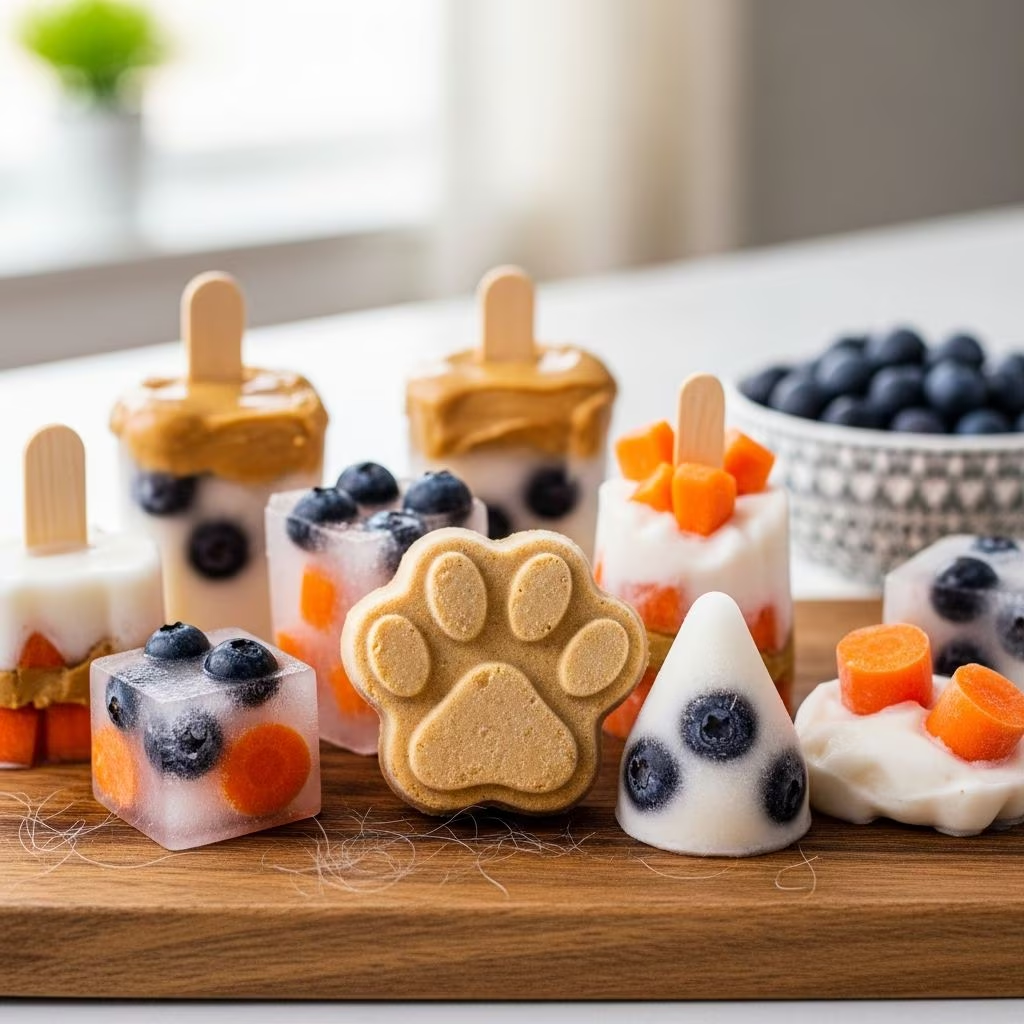
Homemade frozen treats offer dogs a refreshing way to stay cool and hydrated, especially in warm weather. These snacks combine safety, nutrition, and appeal using everyday ingredients tailored for canine health.
Why Dogs Love Frozen Treats
Dogs benefit from frozen treats beyond mere enjoyment; they aid hydration and provide mental stimulation as pups lick and chew. The cooling effect helps regulate body temperature, preventing heat stress common in summer. Unlike commercial options, homemade versions let owners control quality, avoiding additives that might upset sensitive stomachs.
Frozen treats also promote dental health by gently scraping plaque during prolonged chewing. For active dogs, these snacks serve as rewarding breaks after play, encouraging good behavior without excess calories if portioned correctly.
Safe Ingredients for Canine Frozen Snacks
Selecting dog-safe components is crucial to prevent toxicity or digestive issues. Focus on plain, unprocessed foods while steering clear of hazards.
- Fruits and Vegetables: Blueberries, strawberries, bananas, peaches, and green beans deliver antioxidants and fiber. Puree them for smooth textures.
- Yogurt and Alternatives: Plain, unsweetened Greek yogurt supports gut health with probiotics, though some dogs tolerate dairy poorly—opt for coconut milk substitutes without xylitol.
- Broths and Liquids: Low-sodium bone broth or coconut water hydrates effectively, mimicking natural electrolytes.
- Sweeteners in Moderation: Small amounts of honey add flavor and antibacterial properties without spiking sugar levels dangerously.
Toxins to Avoid: Never include chocolate, grapes, raisins, onions, garlic, or xylitol-sweetened products like certain peanut butters or ice creams, as they can cause severe illness or death.
Essential Safety Guidelines for Preparation
Proper handling minimizes risks like bacterial contamination. Cook meats and eggs to 165°F to eliminate pathogens such as Salmonella. Wash hands, utensils, and surfaces thoroughly before and after prep.
Store treats in airtight containers in the freezer, discarding any spoiled items immediately. For raw-inspired treats, consider high-pressure pasteurization principles but prioritize cooking for home safety. Keep baking areas secured with gates to prevent burns or access to hot surfaces.
| Ingredient | Safe Use | Risks if Mishandled |
|---|---|---|
| Plain Yogurt | Dairy-tolerant dogs; probiotic boost | Lactose intolerance; added sugars |
| Fruits (e.g., berries) | Antioxidant-rich puree | Pits/seeds; excess sugar |
| Meat Broth | Hydrating base | High sodium; raw bacteria |
| Honey | Small doses for sweetness | Botulism in puppies under 1 year |
Simple Recipes for Every Dog
These recipes yield 10-15 treats each, adjustable by mold size. Freeze for 4-6 hours until solid.
Berry Yogurt Pops
Blend 1 cup plain Greek yogurt, ½ cup mixed berries, and 1 tbsp honey. Pour into ice cube trays or silicone molds. Top with a blueberry for garnish. Ideal for small breeds; provides vitamins C and K.
Broth and Veggie Ice Cubes
Mix 2 cups low-sodium bone broth with pureed green beans and carrots. Fill trays and freeze. Great for hydration; veggies add fiber for digestion.
Tropical Coconut Freezes
Combine 1 can coconut milk (xylitol-free), mashed banana, and a splash of coconut water. Freeze in molds. Dairy-free option perfect for lactose-intolerant dogs.
Peanut Butter Banana Bites (Safe Version)
Check peanut butter for xylitol absence, then mix ½ cup with 1 banana and ½ cup yogurt. Spoon into molds. Offers healthy fats and potassium.
Pro Tip: Use puppy-safe molds without BPA to avoid chemical leaching.
Storage and Serving Best Practices
Freeze treats up to 3 months in resealable bags. Thaw slightly for softer texture if needed, but supervise eating to prevent gulping. Ice cubes alone are safe but less engaging—infuse with broth for interest.
Portion based on dog size: small dogs 1-2 cubes daily; large dogs up to 4. Integrate into training for positive reinforcement without overfeeding.
Health Benefits Backed by Experts
Frozen treats enhance digestibility for sensitive stomachs, retaining nutrients through minimal processing. They support oral hygiene and provide enrichment, reducing boredom-induced behaviors.
For hot climates, these snacks prevent overheating better than plain water. Consult vets for dogs with conditions like diabetes, ensuring low-sugar recipes.
Frequently Asked Questions
Are frozen treats safe for all dogs?
Most healthy dogs enjoy them, but puppies under 1 year should avoid honey, and dental-issue dogs need softer options. Vet approval recommended.
Can I use ice cubes as treats?
Yes, but plain ice offers little nutrition. Flavored versions with safe broths are preferable for added benefits.
What if my dog has allergies?
Stick to single-ingredient tests: introduce one new item at a time, monitoring for reactions like itching or diarrhea.
How do I know if ingredients are toxic?
Reference ASPCA poison control lists; avoid anything with xylitol, caffeine, or alcohol.
Are these a meal replacement?
No—treats should comprise no more than 10% of daily calories. Use AAFCO guidelines for balanced diets.
Tailoring Treats to Your Dog’s Needs
Customize for age and activity: seniors prefer soft blends; athletes get protein-rich broths. Breeds like Bulldogs, prone to heat sensitivity, benefit most from frequent servings.
Experiment with shapes using silicone toys for puzzle-like dispensing, boosting mental engagement.
Common Mistakes and How to Avoid Them
- Overlooking labels: Always verify no xylitol in yogurts or nut butters.
- Improper cooking: Heat proteins adequately to kill bacteria.
- Excess portions: Monitor weight to prevent obesity.
- Poor storage: Airtight freezing prevents freezer burn.
By following these practices, owners create joyful, healthful experiences for their pets.
References
- Frozen Summer Treats for Dogs: Vet-Approved Snacks for Pups — American Kennel Club. 2023-06-15. https://www.akc.org/expert-advice/vets-corner/frozen-summer-treats-dogs/
- Hazards to Avoid While Baking Homemade Dog Treats — NJ Family Law. 2022-08-10. https://njfl.com/articles/hazards-to-avoid-while-baking-homemade-dog-treats/
- Are homemade dog treats healthy and safe? — ManyPets. 2024-03-22. https://manypets.com/uk/articles/safe-homemade-dog-treats/
- Are Freeze-Dried Dog Treats Safe? Exploring the Benefits and Risks — Houndsy. 2023-11-05. https://www.houndsy.com/blogs/modern-tails/are-freeze-dried-dog-treats-safe-exploring-the-benefits-and-risks-for-your-furry-friend
- IS IT SAFE to give my dog ice cubes and frozen treats? — Wangford Veterinary Clinic. 2023-07-12. https://www.wangfordvetclinic.com/newsarticle/29353/IS-IT-SAFE-to-give-my-dog-ice-cubes-and-frozen-treats-



