

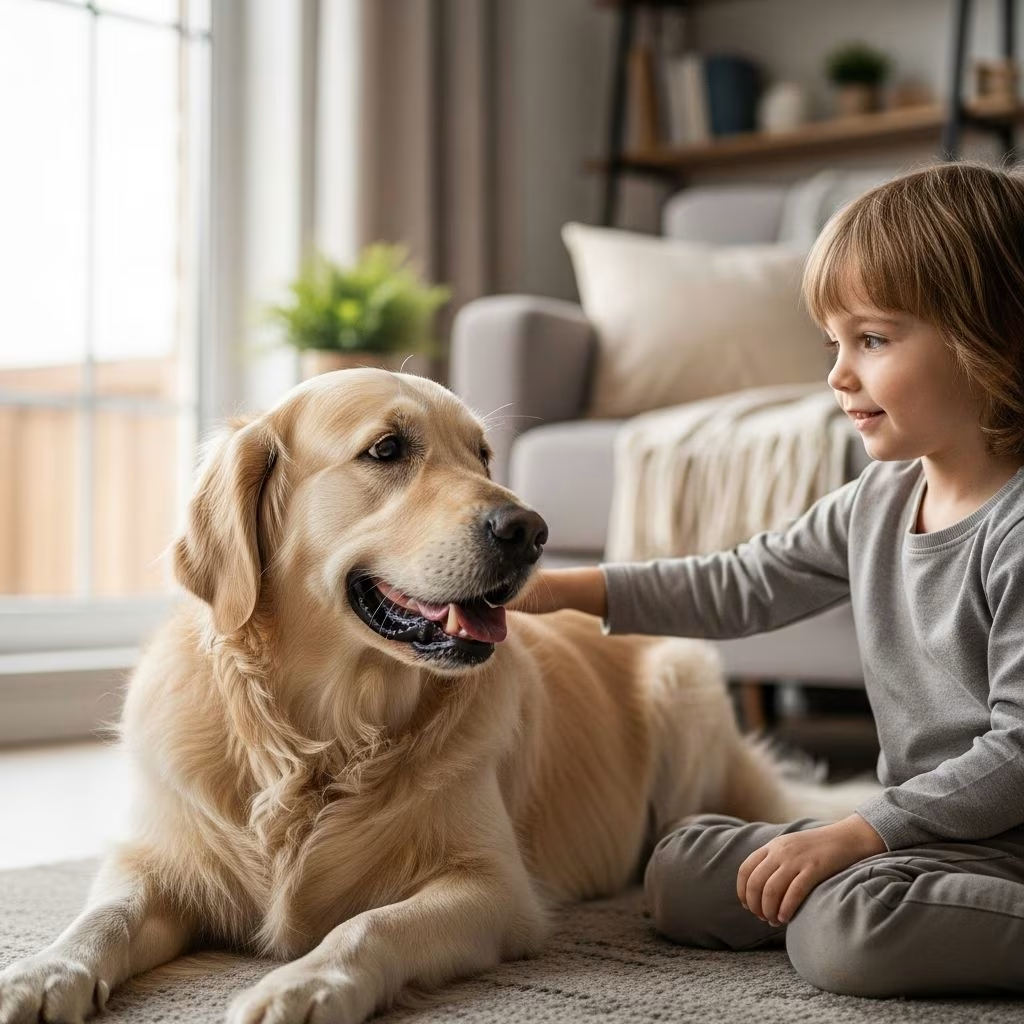
The relationship between children and dogs can be profoundly enriching for both, offering companionship, learning opportunities, and emotional support. However, this relationship requires careful management to ensure the safety and wellbeing of both the child and the dog. Understanding how to facilitate positive interactions while minimizing risks is essential for any household bringing together these two groups.
Understanding the Developmental Impact of Child-Dog Relationships
Research demonstrates that dogs play a significant role in children’s emotional and social development. When children interact with dogs in positive ways, they experience measurable benefits to their psychological health and behavioral patterns. The presence of a canine companion has been linked to reduced anxiety levels in children and provides opportunities for developing empathy and compassion. Playing with dogs triggers the release of oxytocin, often called the bonding hormone, which creates stress-relieving and mood-boosting effects in both the child and the dog.
Beyond emotional benefits, caring for a dog teaches children valuable life lessons. When children take responsibility for feeding, walking, or grooming a dog, they develop a sense of purpose and learn what it means to care for a dependent living creature. This type of responsibility fosters maturity and helps children understand the importance of commitment to others.
The Spectrum of Child-Dog Interactions
Not all interactions between children and dogs are identical, and understanding where different activities fall on the spectrum helps parents guide appropriate behavior. Interactions can range from neutral activities, such as simply being in the same space, to actively positive engagement like petting and play, and unfortunately, sometimes to negative interactions.
Positive interactions—those involving play, gentle petting, and caregiving activities—build emotional bonds and contribute to healthy development in both species. When a child learns to read a dog’s body language and respond appropriately, they develop emotional regulation skills and improve their ability to understand non-verbal communication. These skills transfer to other areas of the child’s life, enhancing their social competence and emotional intelligence.
Recognizing Warning Signs and Risky Behaviors
While many child-dog interactions are positive, certain behaviors present genuine risks that parents and caregivers must address promptly. Children may not instinctively understand which actions cause stress or fear in dogs, potentially leading to dangerous situations.
Common risky behaviors include:
- Approaching a dog while it is eating or resting without permission
- Pulling on a dog’s tail, ears, or fur
- Cornering a dog or blocking its escape route
- Approaching a dog displaying signs of fear or aggression
- Hugging or kissing dogs in ways that the dog perceives as threatening
- Yelling at or startling a dog unexpectedly
Children often display these behaviors out of affection rather than malice. They may want to hug a dog because they love it, not realizing that close physical contact can be stressful for the animal. Part of successful child-dog coexistence involves teaching children to express their affection in ways the dog can appreciate and understand.
Supervision as the Foundation of Safety
Active, attentive supervision is perhaps the most critical element in ensuring safe child-dog interactions. Parents and caregivers cannot rely on children to intuitively understand appropriate behavior with animals, nor can they expect dogs to always tolerate mishandling patiently. The role of the supervising adult is to prevent problems before they occur.
Effective supervision means:
- Being present and attentive during all child-dog interactions
- Intervening before a situation becomes problematic
- Teaching children the correct way to approach and touch dogs
- Ensuring children understand when a dog needs space
- Protecting the dog’s resources (food, toys, resting areas)
- Recognizing when the dog is stressed or uncomfortable
Rather than waiting for a bite or confrontation to occur, effective parents anticipate potential problems and guide both child and dog toward appropriate interactions. This proactive approach protects everyone involved and builds a foundation of safety and trust.
Teaching Children to Read Canine Body Language
One of the most valuable skills a child can develop is the ability to interpret what a dog’s body language is communicating. Dogs constantly send signals about their emotional state and comfort level. A dog’s tail position, ear position, facial expression, and overall body tension all provide information about how the dog is feeling.
Children should learn to recognize signs that a dog is uncomfortable or stressed, including:
- Ears pinned back against the head
- Tail between the legs
- Lip licking or yawning
- Turning the head away or avoiding eye contact
- Freezing or becoming rigid
- Growling or showing teeth
When children can identify these signals, they learn to respect the dog’s boundaries and adjust their behavior accordingly. This not only prevents bites and injuries but also teaches children about consent and personal space—lessons that apply far beyond their interactions with dogs.
Creating Positive Learning Opportunities Through Play
Play is one of the most natural ways for children and dogs to bond, and it provides valuable mental stimulation for both. Interactive play sessions should be structured to remain positive and safe for everyone involved.
Guidelines for successful play sessions include:
- Choosing appropriate toys designed for interactive play
- Establishing clear rules about what games are acceptable
- Teaching children to play gently and respect boundaries
- Monitoring intensity levels to prevent overstimulation
- Providing breaks when either party seems tired or overwhelmed
- Avoiding games that encourage aggressive behavior
Well-structured play provides mental stimulation that benefits both the child and dog developmentally. For children, it offers an outlet for energy and emotions. For dogs, it provides necessary exercise and engagement that can prevent behavioral problems stemming from boredom.
Caring for a Dog: Responsibility and Connection
Involving children in age-appropriate dog care activities strengthens the bond between child and pet while teaching valuable lessons about responsibility. Feeding, walking, and grooming provide opportunities for children to develop nurturing skills and understand the needs of another living creature.
Activities suitable for different age groups include:
| Age Group | Appropriate Responsibilities | Learning Outcomes |
|---|---|---|
| Ages 4-6 | Helping place food in bowl, gentle petting, selecting toys | Basic caregiving, gentle touch, understanding needs |
| Ages 7-10 | Feeding with supervision, walking on leash, brushing fur | Routine care, responsibility, independence |
| Ages 11+ | Independent feeding, longer walks, basic training | Full responsibility, problem-solving, leadership |
These activities fulfill a child’s need to feel important and capable while providing the dog with necessary care and attention. The key is matching responsibilities to the child’s developmental stage and providing appropriate supervision and guidance.
Managing Stress and Preventing Problem Behaviors
Both children and dogs experience stress in their interactions with each other, and managing this stress is crucial for maintaining a healthy relationship. Dogs may experience elevated stress levels when around children, particularly if children’s behavior is unpredictable or loud. Similarly, children can become anxious or fearful if their experiences with dogs have been negative.
Strategies for managing stress include:
- Providing the dog with a safe space where children cannot access it
- Establishing quiet time periods for both child and dog to rest
- Using calming techniques like gentle petting or massage
- Maintaining consistent routines that create predictability
- Addressing any signs of fear or anxiety in either party promptly
When stress levels are managed effectively, both the child and dog can develop a secure, positive relationship characterized by trust and affection rather than anxiety and avoidance.
Special Considerations: Dogs and Children with Specific Needs
For children with conditions such as anxiety, autism spectrum disorder, or ADHD, dogs can provide particular therapeutic benefits. Research has shown that interactions with dogs can reduce anxiety symptoms and improve emotional regulation. Dogs trained to work with children who have autism can help reduce stress and improve family functioning, though such work requires careful training and matching between child and dog.
Similarly, children undergoing stressful experiences or medical procedures may benefit from interactions with dogs or pet therapy visits, which have been shown to reduce anxiety in hospitalized children. However, these therapeutic relationships should be facilitated by trained professionals who understand both the child’s needs and the dog’s capabilities and limitations.
Health and Safety Considerations
While the emotional and developmental benefits of child-dog relationships are significant, it is important to acknowledge potential health and safety risks. Children are more susceptible to dog-related injuries and illnesses, including bites and transmission of zoonotic diseases. Additionally, some children may develop fear of dogs following a negative experience.
Protective measures include:
- Ensuring all vaccinations are current for both child and dog
- Teaching proper handwashing after handling the dog
- Maintaining the dog’s health and grooming to prevent disease transmission
- Seeking immediate medical attention for any bites or injuries
- Addressing any signs of fear or trauma in the child promptly
The Emotional Impact of Pet Loss
It is important to acknowledge that not all child-dog relationships end in gradual aging. Sometimes, children must cope with the loss of a beloved pet due to illness, accident, or behavioral issues requiring rehoming. The emotional impact of pet loss can be significant, particularly for children who have formed strong attachments.
Supporting a child through pet loss involves:
- Acknowledging the grief as valid and normal
- Creating opportunities to remember and honor the relationship
- Allowing the child to process emotions without rushing toward replacement
- Discussing what happened in age-appropriate terms
- Considering professional support if grief becomes overwhelming
Building a Foundation for Lifelong Positive Relationships
The experiences children have with dogs during their formative years shape their attitudes toward animals and their ability to form healthy relationships throughout life. Children who learn to interact with dogs safely and respectfully develop empathy, responsibility, and social skills that benefit them in all relationships. They understand the importance of reading others’ body language, respecting boundaries, and considering the needs of others.
Creating this positive foundation requires intentional effort from parents and caregivers. It means being present, teaching actively, setting clear expectations, and maintaining safety while allowing for the natural joy and connection that dogs and children can bring to each other’s lives. When done well, the relationship between a child and a dog can be one of the most meaningful and formative connections of childhood.
Frequently Asked Questions
At what age can children safely interact with dogs?
Children can interact with dogs at any age, but the nature of interaction must be appropriate to the child’s developmental stage. Very young children (under 4) need constant supervision and should only have gentle, guided interactions. As children mature, they can participate in more independent activities like feeding and walking dogs.
How can I teach my child to approach a dog safely?
Teach children to approach slowly from the side rather than directly toward the face, ask permission from the dog’s owner, and let the dog sniff their hand before petting. Children should pet gently on the back or sides rather than the head or tail, and should never pet a dog that is eating, sleeping, or showing signs of discomfort.
What should I do if my child is afraid of dogs?
Take the fear seriously and don’t force interaction. Gradual, positive exposure with calm, friendly dogs in controlled settings can help. Consider books or videos about dogs to build familiarity. Professional help from a therapist experienced with anxiety may be beneficial if the fear significantly impacts the child’s life.
Can dogs and children with developmental disabilities interact safely?
Yes, with appropriate support and supervision. Dogs can provide particular benefits for children with autism, ADHD, or anxiety disorders. However, careful matching between child and dog, professional training, and ongoing supervision are essential.
References
- Child-Dog Interactions: Effects on Wellbeing — Fellowfy. 2024. https://www.fellowfy.com/post/child-dog-interactions-effects-on-wellbeing
- The child-animal bond — Royal Canin Academy. 2024. https://academy.royalcanin.com/en/veterinary/the-child-animal-bond
- The benefits and risks of child-dog attachment and interaction: A mixed-methods study — CABI Digital Library. 2023. https://www.cabidigitallibrary.org/doi/full/10.1079/hai.2023.0034
- Why Playing With Dogs Is So Good for Kids — Psychology Today. October 2024. https://www.psychologytoday.com/us/blog/canine-corner/202410/a-mental-health-hormone-is-released-when-kids-play-with-dogs
- Child Health & Development Research — Human Animal Bond Research Institute. 2024. https://habri.org/research/child-health/
- How Getting A Puppy Affects Families With Children — Faunalytics. 2023. https://faunalytics.org/how-getting-a-puppy-affects-families-with-children/
- Children and Pets: The Benefits and Risks — College of Veterinary Medicine & Biomedical Sciences, Texas A&M University. 2024. https://vetmed.tamu.edu/news/pet-talk/children-and-pets-the-benefits-and-risks/



