

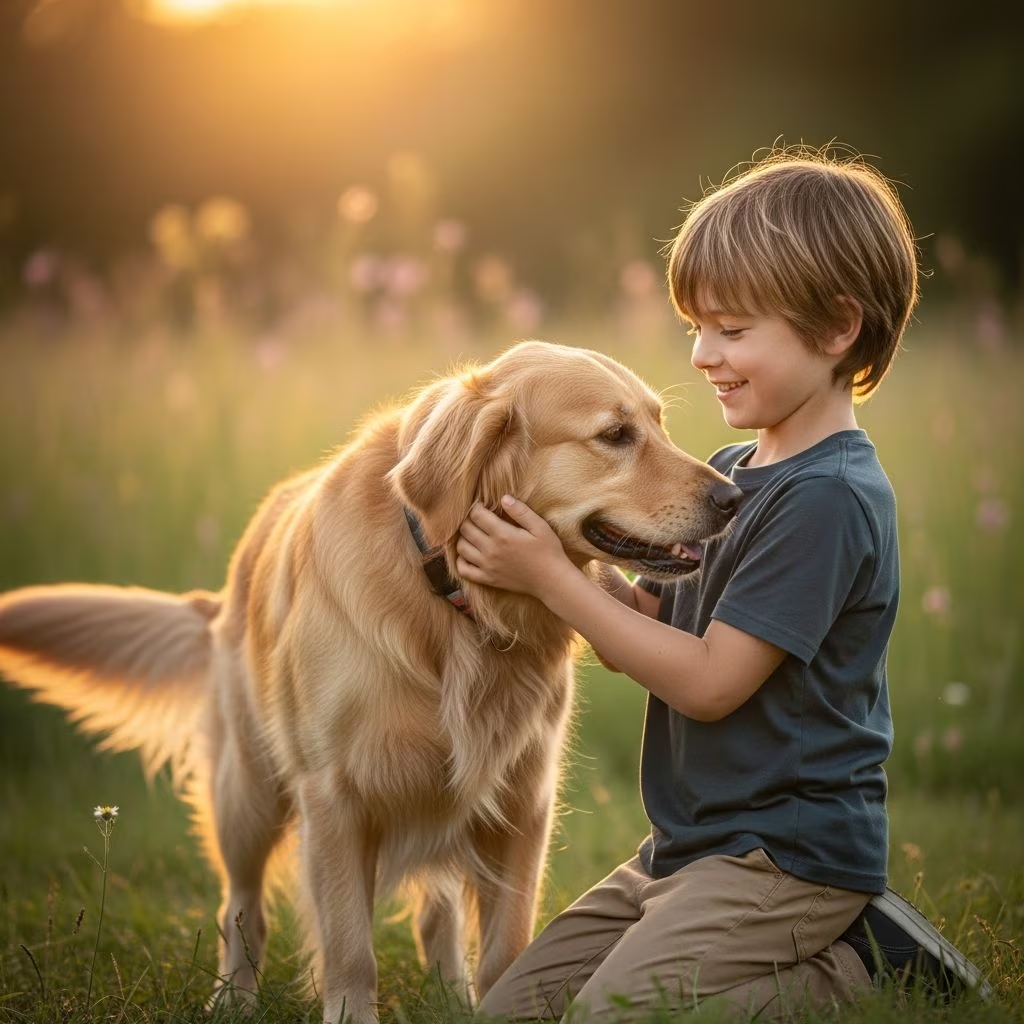
Bringing a dog into a family with children can create profound emotional connections that support development and joy. Research shows these bonds improve well-being when managed properly, but require vigilance to avoid risks.
Emotional and Developmental Advantages
Strong attachments between children and pet dogs foster emotional security similar to human caregiver bonds. Children with high attachment scores to their dogs report greater happiness, life satisfaction, and social fulfillment. Positive interactions mediate these outcomes, buffering stress and enhancing positive outlooks.
Dogs provide consistent companionship, often perceived as more attentive than peers or siblings. This boosts children’s motivation to learn and feel valued. Families with dogs experience less conflict, more humor, and improved dynamics.
- Higher empathy and prosocial behaviors from pet caregiving roles.
- Reduced anxiety, especially in structured interactions.
- Better family functioning during stressors like pandemics.
Health Impacts on Young Minds
Pet dog ownership links to physical and mental health gains. Infants in dog-owning homes show lower developmental delay risks. Children aged 7-12 experience less stress with their dog present compared to alone or with parents.
Playing with dogs releases mood-boosting hormones, confirming stress-relief effects. Hospitalized kids benefit from therapy dog visits, reducing anxiety. Stronger bonds amplify these effects, particularly under age 15.
| Age Group | Key Benefits | Supporting Evidence |
|---|---|---|
| Infants | Lower developmental delays | Dog presence in home |
| 7-12 years | Stress buffering | Self-reported lower stress |
| Teens | Greater relationship satisfaction vs. siblings | Pet bonds over human ones |
Mechanisms Behind the Bond
Social attachment forms dyadically: child’s behavior influences the dog’s, and vice versa. Neural and hormonal responses, like oxytocin release during play, underpin these ties. Dogs synchronize behaviors to children, reinforcing mutual comfort.
Even securely attached children derive extra solace from dogs. Insecurely attached kids find emotional regulation through play and caregiving. This reciprocity enhances perceived health and happiness.
Recognizing and Mitigating Risks
Not all interactions benefit both parties. Negative exchanges, like rough handling, predict poorer child outcomes: increased loneliness, negative outlooks. Children often display risky behaviors, approaching fearful dogs, raising bite risks.
Affectionate acts like hugging stress dogs during rest or meals, potentially leading to defensive reactions. Caregivers note worries over separation anxiety, pet loss grief, or unsafe play.
- Monitor for dog stress signals: lip licking, yawning, avoidance.
- Teach children boundaries: no disturbing sleeping/eating dogs.
- Excessive child worry about dog indicates imbalance.
Building Safe Interactions
Supervise constantly, especially with toddlers. Train dogs in obedience and child tolerance. Use positive reinforcement to encourage calm responses.
Educate kids on dog body language: relaxed ears/tail mean safe play; stiff posture signals back off. Role-play scenarios for gentle petting.
Choose breeds with stable temperaments suited to families. Socialize puppies early with children.
Training Strategies for Harmony
Implement family-wide rules: dogs get quiet time, kids ask permission before approaching. Reward dogs for ignoring child provocations.
Enroll in child-dog interaction classes. Use crates for dog safety during high-energy play.
- Assess dog’s history and temperament before adoption.
- Gradual introductions with leashed meetings.
- Daily structured play to build positive associations.
- Regular vet checks for stress-related health issues.
Family Dynamics with a Dog
Dogs enhance conversations, reduce parental stress, and strengthen sibling ties indirectly. Children learn responsibility through feeding, walking duties. However, puppies demand commitment; unprepared families face challenges.
During crises like illness, dogs provide stability kids crave. Balance pet care with child development to avoid over-reliance.
Special Considerations for Vulnerable Children
Kids with autism may gain from dogs reducing anxiety, though efficacy varies. Therapy roles strain dogs if unresponsive. Prioritize trained assistance dogs over pets.
Hospital or anxious children benefit most from brief, guided sessions.
Long-Term Relationship Management
As children grow, redefine roles: teens handle advanced training. Monitor for attachment saturation—secure kids may need less.
Prepare for pet loss with discussions on grief. Foster multiple support sources beyond the dog.
FAQs
Is a dog good for my child’s mental health?
Yes, strong bonds reduce stress and boost happiness, per studies on attachment.
What age is best to introduce a dog?
Any age with supervision; infants benefit developmentally, school-age kids gain emotionally.
How do I prevent bites?
Supervise, teach signals, train both child and dog.
Can dogs help autistic children?
Potentially reduces anxiety, but results mixed; use trained dogs.
What if my child is too rough?
Intervene immediately, model gentle touch, provide dog breaks.
Conclusion
Child-dog relationships enrich lives when nurtured safely. Prioritize education, training, and observation for lasting benefits.
References
- The benefits and risks of child-dog attachment and child-dog beha — University of Edinburgh Research Explorer. 2023. https://www.research.ed.ac.uk/en/publications/the-benefits-and-risks-of-child-dog-attachment-and-child-dog-beha/
- Mechanisms of Social Attachment Between Children and Pet Dogs — PMC (PubMed Central). 2024. https://pmc.ncbi.nlm.nih.gov/articles/PMC11505475/
- The benefits and risks of child-dog attachment — CABI Digital Library. 2023. https://www.cabidigitallibrary.org/doi/full/10.1079/hai.2023.0034
- The child-animal bond — Royal Canin Academy. 2023. https://academy.royalcanin.com/en/veterinary/the-child-animal-bond
- How Getting A Puppy Affects Families With Children — Faunalytics. 2023. https://faunalytics.org/how-getting-a-puppy-affects-families-with-children/
- Benefits of Pets for Kids — Children’s Hospital Colorado. 2023. https://www.childrenscolorado.org/just-ask-childrens/articles/benefits-of-pets/
- Why Playing With Dogs Is So Good for Kids — Psychology Today. 2024-10. https://www.psychologytoday.com/us/blog/canine-corner/202410/a-mental-health-hormone-is-released-when-kids-play-with-dogs



