Children and Dogs: A Guide to Safe Bonds
Learn essential strategies for fostering safe, joyful relationships between kids and dogs to promote development and prevent mishaps.
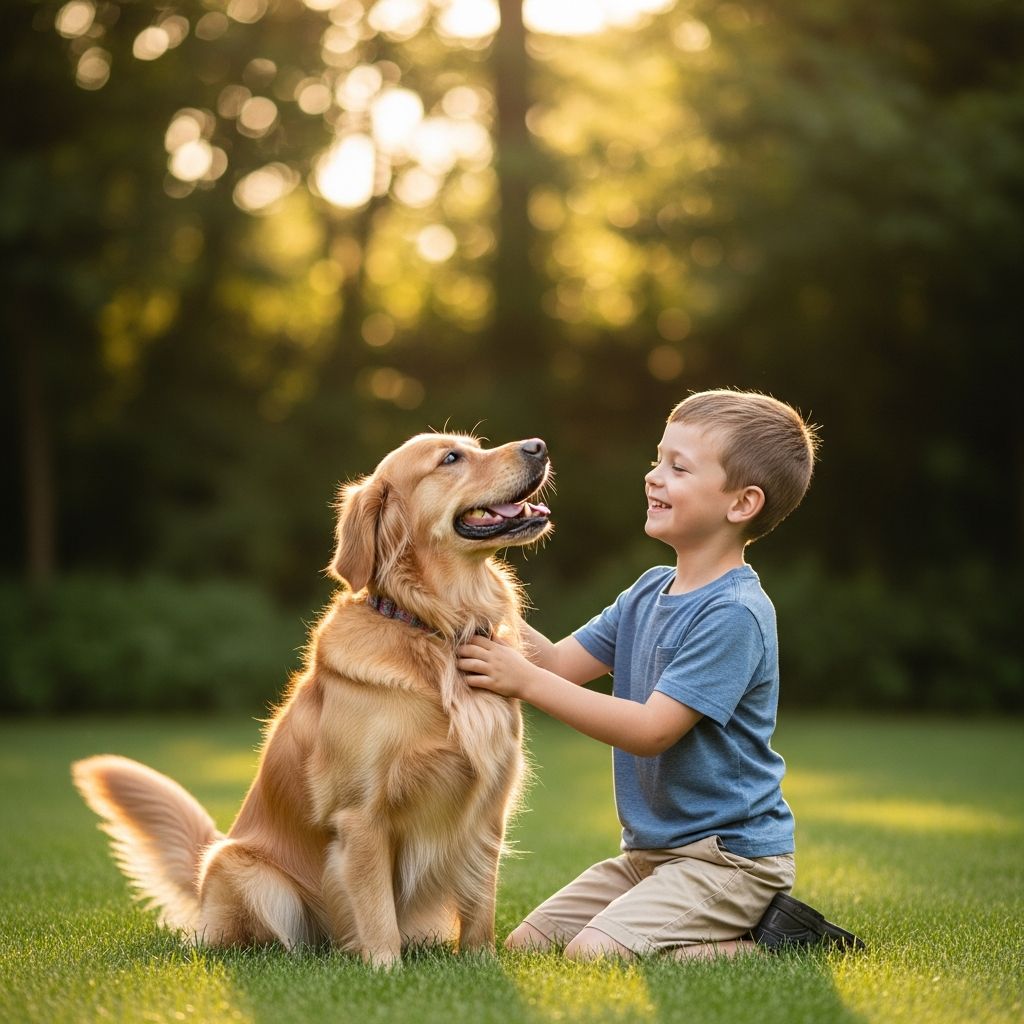
Bringing a dog into a home with children offers profound opportunities for growth, companionship, and mutual learning, but it demands careful management to ensure safety and positivity for all involved. This comprehensive guide outlines practical steps for creating harmonious relationships, drawing on developmental insights and safety protocols.
Understanding the Mutual Benefits of Child-Dog Companionship
Dogs and children form unique bonds that enhance emotional and social skills. Research shows that young children in dog-owning households experience fewer emotional and social difficulties, with benefits amplified by active involvement like walking the pet.Children from such homes are 23% less likely to struggle with emotions and interactions, alongside reduced antisocial behaviors by 30% and improved peer relations by 40%.
These partnerships teach empathy through daily care routines. Kids learn to interpret canine cues—tail wags for joy, tucked tails for fear—fostering compassion that extends to human relationships. Dogs provide unconditional support, helping children process setbacks; a simple petting session after a tough day can regulate emotions and build resilience.
From the dog’s viewpoint, children represent stability when interactions are guided. A confident dog understands household roles, leading to predictable, calm behavior around kids. This reciprocity strengthens attachments, with stronger bonds linked to better child health outcomes, especially under age 15.
Selecting the Ideal Dog for Family Life with Kids
Choosing a dog suited to children minimizes risks and maximizes joy. Prioritize breeds known for gentle temperaments, such as Labrador Retrievers or Golden Retrievers, which exhibit patience and playfulness. Avoid high-energy or protective breeds without extensive training.
| Factor | Recommended Traits | Examples |
|---|---|---|
| Temperament | Patient, friendly, low prey drive | Labrador, Beagle |
| Size | Medium to large for gentle play | Golden Retriever, Boxer |
| Energy Level | Moderate, adaptable to family routines | Cavalier King Charles Spaniel |
| Experience | Previously socialized with children | Rescues from family homes |
Adopt older dogs with proven child-friendly histories over puppies, as they often come pre-trained. Assess the dog’s response in meet-and-greets: calm reactions to noise and movement signal a good match. Health screenings ensure the dog can handle active play without injury.
Core Safety Rules Every Family Must Follow
Safety starts with unbreakable rules enforced consistently. Never permit unsupervised contact, even with trusted dogs—accidents occur swiftly. Teach children these foundational guidelines:
- Approach dogs gently from the front, avoiding sudden movements or hugs around the neck.
- Ask permission before petting any dog, including family pets.
- Respect signals like yawning, lip-licking, or stiffening as requests for space.
- Avoid disturbing dogs while eating, sleeping, or with toys/bones.
- Hands away from faces; stroke sides or backs instead.
Parents model these behaviors daily. Use positive reinforcement: reward calm interactions with treats and praise, ignoring rowdy ones. This builds habits that prevent bites, which often stem from resource guarding or fear.
Training Techniques Tailored for Child-Dog Households
Effective training ensures dogs view children positively. Begin with basic obedience: “sit,” “stay,” and “leave it” commands create control. Involve kids in sessions using high-value rewards like cheese bits, boosting their confidence and the dog’s association with child presence.
Desensitization exposes dogs gradually to child chaos—squeals, running, dropped food. Start at a distance, rewarding relaxation, then close the gap over weeks. For reactivity, counter-condition with treats during calm exposures. Consistency across family members prevents confusion.
Exercise is crucial: daily walks and play deplete energy, reducing frustration-based nips. Aim for 30-60 minutes, including kid-led fetch under supervision, enhancing bonds while tiring the dog.
The Developmental Advantages Backed by Science
Pet dogs profoundly shape child growth. Secure attachments to dogs correlate with stronger parental bonds and better friendships, promoting emotional security. Children perceive less stress with their dog than alone or with parents, aiding self-regulation.
Owning a dog with infants lowers developmental delay risks. In ages 2-5, dog-walking families see 36% better social-emotional scores. Preadolescents gain companionship that buffers anxiety, though human ties directly impact school adjustment.
Cognitive perks include boosted motivation—kids feel valued by the dog’s attention, spurring learning. Physical activity from play combats obesity, while responsibility from chores builds self-esteem.
Recognizing and Responding to Warning Signs
Vigilance prevents escalation. Watch for canine stress: whale-eye (whites showing), freezing, paw lifts, or growls. Children might grab fur, squeeze, or chase—intervene instantly with redirection.
If tension builds, separate calmly without scolding. Consult professionals for persistent issues; behaviorists use force-free methods to rebuild trust. Track incidents in a journal to spot patterns, adjusting training accordingly.
Building Lasting, Positive Interactions Daily
Daily rituals cement bonds. Cozy cuddle times on the floor (no lap-sitting) teach gentleness. Joint games like tug with “drop it” rules promote fair play. Reading aloud nearby desensitizes dogs to noise, turning it into nap time.
Chores like feeding or brushing empower kids, teaching duty. Celebrate milestones—first solo walk—with family praise. These routines foster loyalty, where dogs become confidants, offering solace during troubles.
Common Pitfalls and How to Avoid Them
- Treating dogs as toys: Emphasize living beings with needs.
- Inconsistent rules: All adults enforce uniformly.
- Ignoring exercise: Fatigued dogs are calmer.
- Puppy overload: Puppies need adult-led training first.
Address challenges like puppy nipping by freezing movement and redirecting to toys, withholding attention for bad behavior.
Frequently Asked Questions
Is it safe for toddlers around dogs?
With constant supervision and trained dogs, yes—but never leave alone. Teach boundaries early.
What if my dog growls at my child?
Separate immediately, note triggers, and seek a certified trainer. Don’t punish; address root causes.
Can any breed live with kids?
No—select based on temperament tests and history, not just breed.
How much exercise does a family dog need?
At least 30 minutes daily, more for high-energy breeds, involving kids safely.
Do benefits outweigh risks?
Yes, with proper prep; studies confirm enhanced well-being.
Long-Term Strategies for Family Harmony
Sustain success with annual vet checks, ongoing training refreshers, and evolving rules as kids grow. Teens can handle leashing during walks, deepening responsibility. Monitor dynamics as dogs age, providing ramps or softer play.
Ultimately, these relationships teach profound lessons: respect, empathy, forgiveness. Dogs offer unwavering loyalty, shaping compassionate adults. Invest time now for a lifetime of shared adventures.
References
- How the Right Dog Shapes a Child’s Development — Southern Wind K9. 2023. https://www.southernwindk9.com/post/benefits-children-growing-up-with-dogs
- Mechanisms of Social Attachment Between Children and Pet Dogs — PMC / NIH. 2024-10-01. https://pmc.ncbi.nlm.nih.gov/articles/PMC11505475/
- Newly Published Study Shows Young Children with Pet Dogs Fare… — HABRI. 2020-07-06. https://habri.org/pressroom/20200706/
- Preadolescents’ Relationships with Pet Dogs — PMC / NIH. 2018. https://pmc.ncbi.nlm.nih.gov/articles/PMC5800779/
- Benefits of Pets for Kids — Children’s Hospital Colorado. 2023. https://www.childrenscolorado.org/just-ask-childrens/articles/benefits-of-pets/
Similar Articles








Read full bio of Sneha Tete