

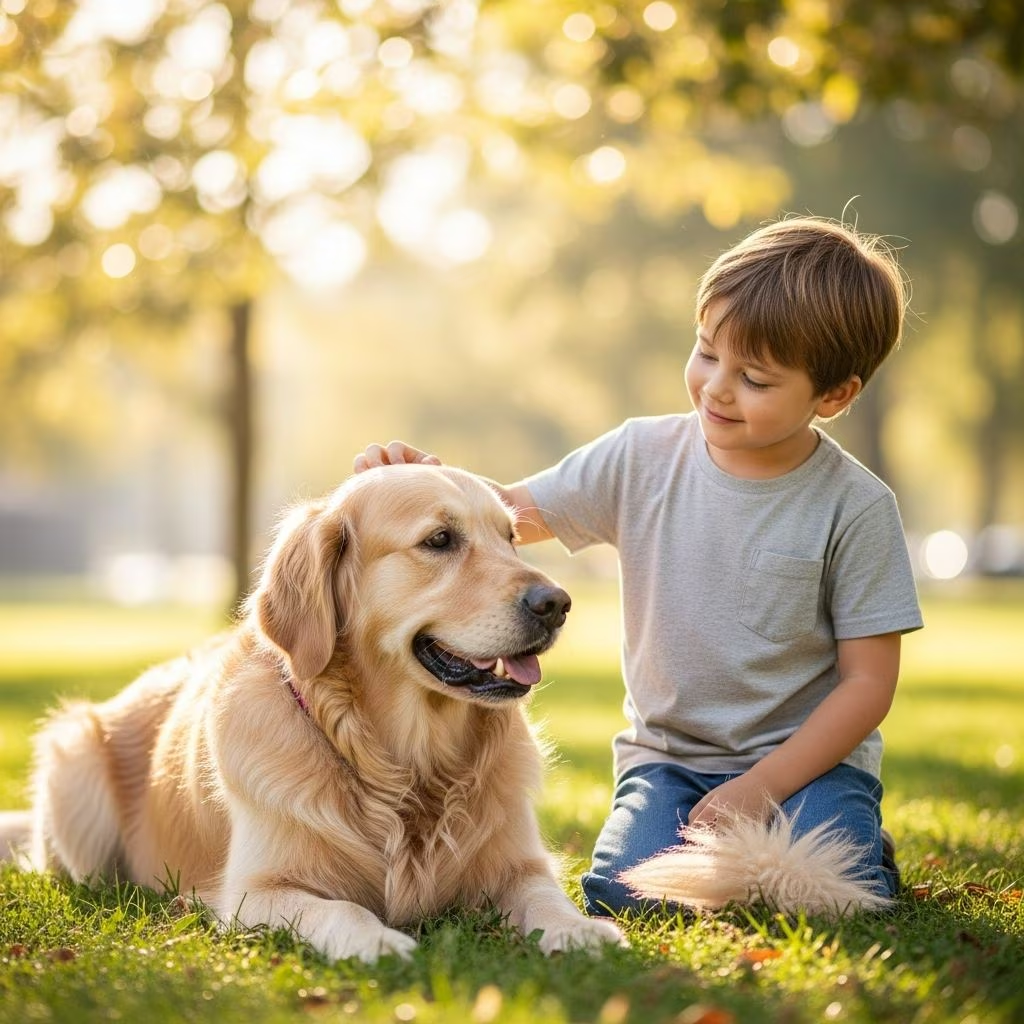
Integrating a dog into a family with children can create profound emotional connections that enhance well-being for both. Research shows that strong child-dog attachments correlate with improved mental health outcomes, such as reduced loneliness and higher life satisfaction, but only when interactions remain positive. This guide delves into the science, advantages, potential hazards, and actionable steps to ensure these relationships thrive safely.
The Science of Child-Dog Attachments
Children often develop deep emotional ties with pet dogs, mirroring secure human attachments essential for psychological growth. Studies confirm these bonds meet attachment criteria, with mutual behaviors reinforcing each other. Positive interactions mediate better child outcomes like enhanced well-being, happiness, and social satisfaction, while negative ones predict poorer results including increased loneliness.
Neural and endocrinological mechanisms underpin these bonds. Dogs provide stress-buffering effects, lowering cortisol in children aged 7-12 more effectively than parents or solitude in some cases. Ownership links to developmental benefits, such as reduced infant delays and heightened motivation in learning, as children feel fully attended to by their pets.
Emotional and Social Benefits for Children
Dogs serve as reliable companions, offering unconditional support that boosts empathy, prosocial behavior, and emotional regulation. Children highly attached to pets report greater relationship satisfaction than with siblings, providing stability amid family dynamics.
- Reduced Anxiety: Pet dogs in homes lower childhood anxiety risks and elevate positive emotions during interactions.
- Enhanced Family Functioning: Families with dogs experience less conflict, more humor, and improved mental health, especially post-pandemic puppy adoptions.
- Motivation and Responsibility: Interacting with dogs encourages learning drive and teaches caregiving roles.
For children with autism spectrum disorder (ASD), dogs can improve family dynamics and reduce anxiety, though outcomes vary. Stronger bonds in kids under 15 yield higher perceived health and happiness due to emotional reciprocity.
Physical Health Advantages
Beyond emotions, dogs promote physical activity and immune development. Living with a dog correlates with fewer developmental delays in infants and overall better health metrics. Play sessions release mental health hormones, relieving stress and elevating mood.
| Benefit | Evidence | Age Group |
|---|---|---|
| Stress Reduction | Cortisol buffering | 7-12 years |
| Developmental Support | Lower delay risks | Infants |
| Mood Boost | Hormone release during play | All children |
| Anxiety Decrease | Home pet presence | Childhood |
Recognizing and Mitigating Risks
Not all interactions benefit both parties. Children may exhibit risky behaviors like hugging sleeping dogs or disturbing meals, stressing the animal and risking bites. Negative encounters erode attachments and heighten injury chances or dog welfare issues.
Caregivers note concerns over excessive child worries about pets, separation anxiety, or pet loss impacts. Unsafe child actions, such as approaching fearful dogs, amplify harm risks.
Common Risky Child Behaviors
- Approaching eating or resting dogs
- Hugging or kissing without consent
- Ignoring fear signals like growling
- Teasing or rough play
Practical Strategies for Safe Interactions
To maximize benefits, prioritize education and supervision. Teach children dog body language: ears back or tail tucked signal discomfort. Establish rules like no disturbing sleeping or feeding dogs.
- Supervise Always: Never leave young children alone with dogs.
- Train the Dog: Use positive reinforcement for calm responses to child approaches.
- Educate Kids: Role-play gentle petting and consent-reading.
- Choose Suitable Breeds: Opt for patient, child-friendly temperaments.
- Monitor Attachments: Watch for over-dependence or stress signs.
Families report joy from puppies, but preparation prevents pitfalls like overwhelming the dog with constant affection.
Family Dynamics and Long-Term Impacts
Dogs strengthen family ties by fostering shared responsibility and fun. Attached children perceive more social support, enhancing peer and family relationships. However, balance is key; secure child-caregiver bonds may reduce pet attachment needs, yet dogs still provide comfort.
During challenges like COVID-19, dogs aided mental health, but negative interactions underscore dyadic quality’s role.
Special Considerations for Vulnerable Children
For hospitalized or ASD kids, dog therapy reduces anxiety effectively. Classroom dogs boost well-being, though home pets offer deeper benefits. Tailor interactions: autism dogs face multi-handler demands, requiring robust training.
Frequently Asked Questions (FAQs)
Is a pet dog good for my child’s mental health?
Yes, strong attachments link to better well-being, happiness, and lower loneliness, per research.
What age is safe for kids and dogs?
Supervision is crucial under 12; teach safety early for all ages.
How do I prevent dog bites?
Educate on body language, supervise, and train dogs positively.
Can dogs help children with autism?
They may reduce anxiety and improve functioning, but results vary.
What if my child is too attached to the dog?
Monitor for excessive worry; balance with human relationships.
By understanding these dynamics, families can cultivate enriching child-dog relationships that promote growth and joy while minimizing dangers.
References
- The benefits and risks of child-dog attachment and child-dog beha — University of Edinburgh Research Explorer. 2023. https://www.research.ed.ac.uk/en/publications/the-benefits-and-risks-of-child-dog-attachment-and-child-dog-beha/
- Mechanisms of Social Attachment Between Children and Pet Dogs — PMC (PubMed Central). 2024-10-01. https://pmc.ncbi.nlm.nih.gov/articles/PMC11505475/
- The benefits and risks of child-dog attachment — CABI Digital Library. 2023. https://www.cabidigitallibrary.org/doi/full/10.1079/hai.2023.0034
- The child-animal bond — Royal Canin Academy. 2023. https://academy.royalcanin.com/en/veterinary/the-child-animal-bond
- How Getting A Puppy Affects Families With Children — Faunalytics. 2023. https://faunalytics.org/how-getting-a-puppy-affects-families-with-children/



