
Keeping Children Safe Around Dogs
Essential strategies for teaching kids to interact safely with dogs and reducing bite incidents.
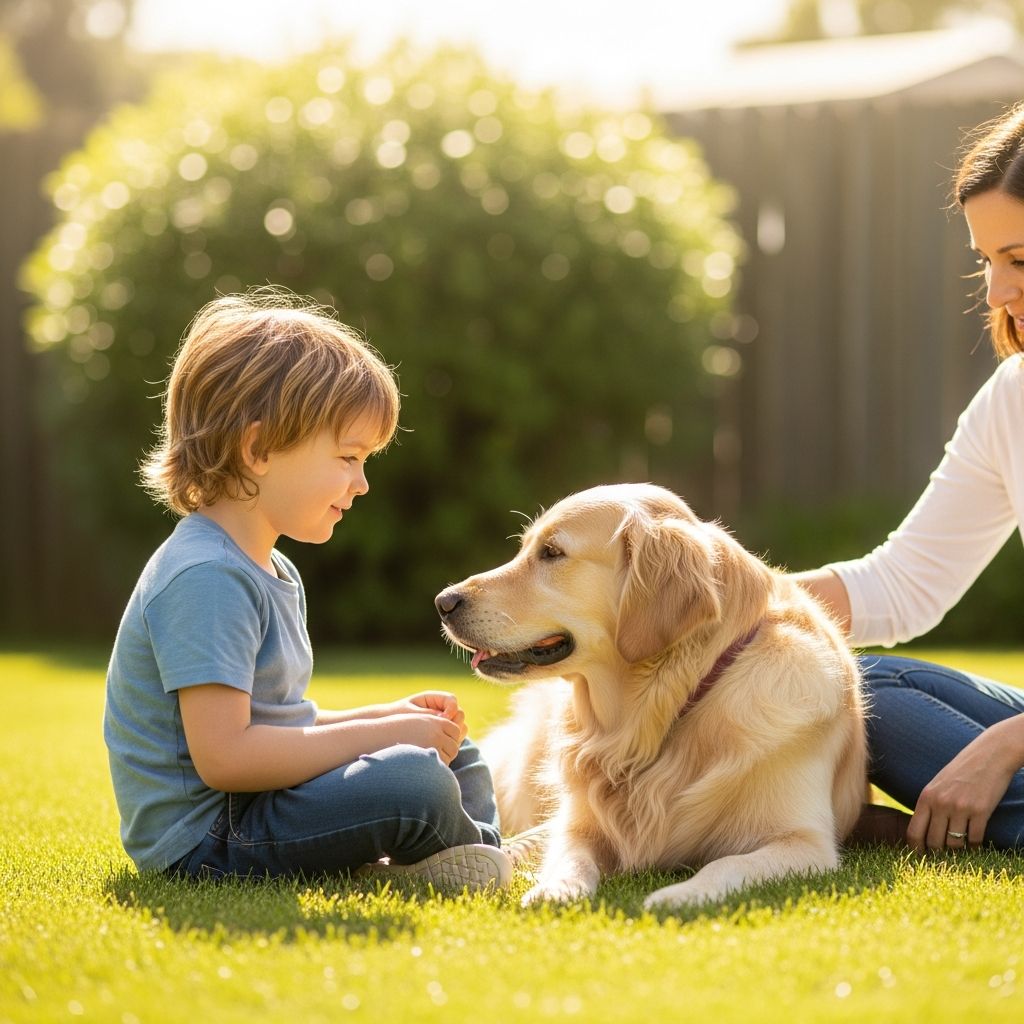
Dog bites affecting children represent a significant public health concern, with young children being particularly vulnerable due to their unpredictable behavior and limited understanding of canine communication. According to the Centers for Disease Control and Prevention, 77% of dog bites to children come from dogs they already know—their own pet or a friend’s dog—making prevention education within familiar environments especially critical. Understanding how to foster safe interactions between children and dogs requires a multi-faceted approach involving education, supervision, and awareness of warning signs that indicate a dog may feel threatened or uncomfortable.
Understanding Why Children Face Higher Risk
Young children are particularly susceptible to dog-related incidents for several developmental and behavioral reasons. Infants, toddlers, and preschool-aged children naturally explore their environment with their hands and mouths, often exhibiting unpredictable movements such as sudden grabbing, climbing, or kissing—behaviors that can easily be misinterpreted by dogs as threatening. Additionally, the physical stature of young children places their head and face close to dog level, making these vulnerable areas more susceptible to injury if an incident occurs.
Dogs may perceive a child’s natural curiosity and lack of spatial awareness as aggressive or challenging behavior. This misinterpretation can trigger a defensive response from even typically gentle dogs. The combination of a child’s size, height, and tendency toward sudden movements creates a situation where both the child and dog may become anxious or fearful, increasing the likelihood of a negative interaction.
Teaching Children Appropriate Dog Interaction
Education forms the foundation of effective bite prevention. Children must learn specific behaviors and techniques that signal respect for a dog’s space and boundaries. These lessons should be age-appropriate and reinforced regularly through demonstration and practice.
The Foundational Steps for Meeting Dogs
When a child encounters a dog they wish to pet, following a structured approach significantly reduces risk. First, the child should always request permission from the dog’s owner before attempting any interaction. This simple step establishes communication with the responsible adult and allows the owner to assess whether their dog is in an appropriate state for the interaction.
Once permission is granted, children should allow the dog to approach and investigate them first. The proper technique involves making a fist and extending the hand slowly for the dog to sniff. This allows the dog to gather information about the child and determines whether the dog is receptive to contact. During this initial phase, children should remain calm and quiet, avoiding sudden movements or loud vocalizations that might startle the animal.
After the initial sniffing phase, if the dog appears comfortable, gentle petting on the dog’s shoulders, back, or sides is appropriate. Children must be taught to avoid the dog’s head, face, and tail, as these are sensitive areas where dogs are more likely to react negatively to handling. Petting should be slow, gentle, and consistent—never poking, pushing, or pulling. Once finished, the child should slowly walk away, giving the dog an opportunity to disengage from the interaction.
Behaviors to Avoid Completely
Certain actions should be strictly prohibited when children are around dogs. Aggressive play such as tug-of-war or wrestling can overstimulate dogs and trigger biting responses. Children should never hug dogs, as this type of confinement can feel threatening to the animal and places the child’s face uncomfortably close to the dog’s mouth.
Pulling a dog’s ears or tail, squeezing the dog tightly, or dropping or jumping on a dog are actions that cause pain and fear, often resulting in a defensive bite. Children should also be taught never to take objects from a dog’s mouth or remove toys while a dog is playing with them, as resource guarding is a common trigger for bites even in typically docile animals.
Recognizing Canine Stress Signals
Teaching children to recognize when a dog is uncomfortable or stressed is essential for prevention. Dogs communicate their emotional state through body language before resorting to biting. Children who can identify these signals have an opportunity to disengage and create distance before an incident occurs.
Warning signs that a dog feels threatened or anxious include growling, barking, showing teeth, or stiff body posture. A dog’s ears may be pinned back, its tail tucked, or its eyes averted. Some dogs show stress through yawning, lip licking, or turning their head away—subtler signals that nonetheless indicate discomfort. When children observe any of these behaviors, they should be taught to remain calm, avoid eye contact with the dog, and slowly back away until the dog loses interest and the immediate tension dissipates.
High-Risk Situations That Require Extra Caution
Certain circumstances dramatically increase the likelihood of a dog bite. Dogs protecting their food, sleeping, or caring for puppies are significantly more likely to respond aggressively, even to people familiar to them. Children must understand that a dog’s personal space and quiet time deserve respect. When a dog is eating, sleeping, or nursing litters, interaction should be completely avoided.
Environmental factors also play a role in canine behavior. Loud noises, yelling, and sudden movements can startle or frighten a dog, triggering a fear-based bite response. Children should move slowly and quietly around dogs and should be kept away from dogs during anxiety-provoking situations such as thunderstorms and fireworks displays. Dogs that are anxious or stressed are more likely to respond aggressively to normal interactions.
Encountering unfamiliar or loose dogs requires specific protocols. If a child sees an off-leash dog outside, they should immediately go inside and tell an adult rather than approaching the animal. If a loose dog approaches a child, the child should not scream or run, as dogs naturally pursue fleeing targets. Instead, children should avoid eye contact, stand very still, and wait for the dog to lose interest and move away. If necessary, the child can place objects between themselves and the dog, such as a backpack, jacket, or bicycle.
The Role of Parental Supervision and Management
Despite children’s education and best efforts to follow safety guidelines, adult supervision remains non-negotiable. Young children should never be left alone with a dog, regardless of how well-behaved or familiar the dog may be. If caregivers must leave a room, the dog and child should be separated using physical barriers such as doors or baby gates.
Adults should actively model appropriate behavior around dogs by demonstrating how they ask permission before petting unfamiliar dogs, how they approach with respect, and how they recognize canine stress signals. Children learn tremendously through observation, and seeing responsible adults handle dog interactions safely reinforces the lessons they receive through direct instruction.
Responsible Dog Ownership Factors
From the dog owner’s perspective, several practices significantly reduce the risk of bites involving children. Socialization—exposing dogs to different people, animals, and environments during their formative months—helps dogs develop confidence and reduces fear-based aggression. A well-socialized dog is less likely to perceive a child’s natural movements as threatening.
Handling different parts of a dog’s body during routine care desensitizes them to touch and reduces sensitivity to normal interactions. Owners should gently touch and handle their dog’s paws, ears, mouth, and belly during calm moments, rewarding the dog for remaining relaxed. This conditioning helps ensure that accidental contact during play or rough handling by a child triggers a tolerant response rather than a bite.
Practical Decision-Making for Families
Families with both children and dogs should establish clear household guidelines. Children should understand that assuming the family dog always wants to be touched is dangerous. Instead, children should observe the dog first—noting whether the dog is eating, chewing, playing with a toy, or showing signs of stress—before attempting interaction.
Rather than entering a dog’s space, children should invite the dog to approach them. Pet interactions should be brief, followed by a pause to allow the dog to move away or indicate whether it wants continued contact. This “ask and stop” approach respects the dog’s agency and prevents the overstimulation that often leads to bites.
What to Do If a Bite Occurs
Despite preventive measures, bites may still happen. If a child is bitten, immediate first aid is critical. The area should be washed with soap and water, and medical attention should be sought promptly to address the injury and assess the need for rabies prophylaxis or tetanus vaccination. The incident should be reported to local animal control to ensure proper documentation and monitoring of the dog involved.
Creating a Culture of Safe Dog Interaction
Ultimately, preventing dog bites in children requires a community-wide commitment to education, supervision, and respect for canine boundaries. When children understand how to read dog behavior, when adults maintain appropriate supervision, and when dog owners take responsibility for their animal’s socialization and behavior, the risk of injury decreases substantially.
By combining knowledge about canine communication, teaching children specific interaction techniques, establishing clear behavioral expectations, and maintaining vigilant supervision, families can significantly reduce the likelihood of dog bite incidents. This multifaceted approach protects both children and dogs, fostering relationships based on mutual respect and safety rather than fear or misunderstanding.
References
- Dog Bite Prevention Tips — American Academy of Pediatrics, HealthyChildren.org. Accessed 2026. https://www.healthychildren.org/English/safety-prevention/all-around/Pages/Dog-Bite-Prevention-Tips.aspx
- How to Avoid and Treat Dog Bites — Texas Children’s Hospital. Accessed 2026. https://www.texaschildrens.org/content/wellness/how-avoid-and-treat-dog-bites
- Prevent a Dog From Biting Children — Best Friends Animal Society. Accessed 2026. https://bestfriends.org/pet-care-resources/how-prevent-dog-biting-children
- How to Protect Your Kids From Dog Bites — CHOC Health (Children’s Hospital of Orange County). Accessed 2026. https://health.choc.org/how-to-protect-your-kids-from-dog-bites/
- Safety: Dog Bite Prevention for Children — San Diego Humane Society. Accessed 2026. https://sdhumane.org/resources/safety-dog-bite-prevention-for-children/
- Children’s Resources: Dog Bite Prevention — American Medical Center New York (AMCNY). Accessed 2026. https://www.amcny.org/wp-content/uploads/2021/04/Bite-Prevention-V1.pdf
- Dog Bite Safety Tips — Children’s Hospital Pittsburgh. Accessed 2026. https://www.chp.edu/injury-prevention/safety/home-and-yard/dog-bites
Similar Articles








Read full bio of Sneha Tete




