

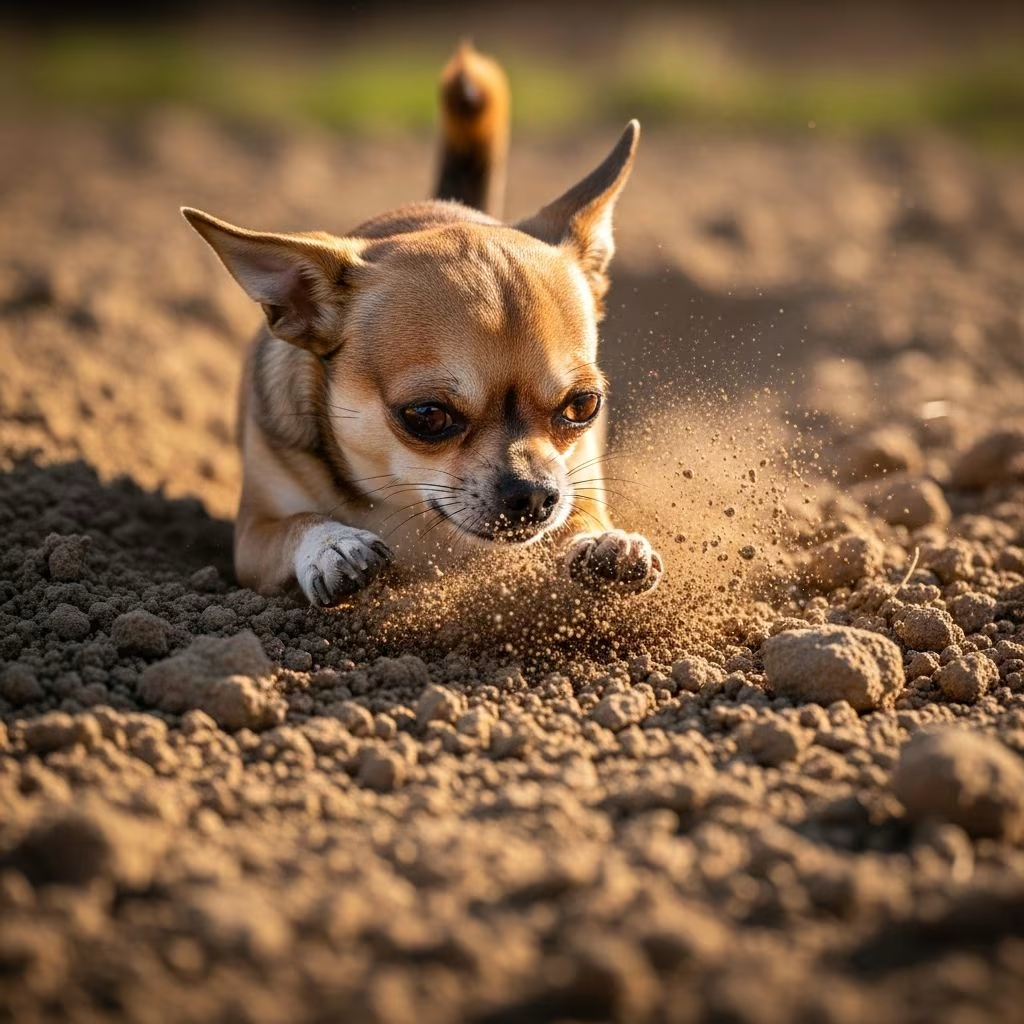
Chihuahuas, the pint-sized powerhouses of the dog world, often exhibit a charming yet puzzling habit: burrowing under blankets, pillows, or even clothing. This behavior, while endearing, stems from deep-rooted canine instincts that prioritize safety, warmth, and comfort. Understanding why these tiny dogs tunnel away can help owners foster a healthier environment for their pets.
The Evolutionary Roots of Burrowing in Small Dogs
Burrowing traces back to wild canines who dug dens to protect themselves from predators and harsh weather. For modern Chihuahuas, this denning instinct persists, transforming blankets into makeshift burrows. Small breeds like Chihuahuas, with their limited fur insulation, particularly favor this for thermal regulation.
In ancestral times, dogs sought enclosed spaces to raise litters or rest securely. Today, a Chihuahua might wriggle under a throw to recreate that secure nook, especially during naps or stressful events. This isn’t mere quirkiness; it’s a survival mechanism adapted to domestic life.
Primary Motivations Behind Chihuahua Tunneling
Several factors drive this conduct, often overlapping in daily scenarios. Here’s a breakdown:
- Seeking Warmth: Lacking thick coats, Chihuahuas chill easily, especially in cooler climates. Blankets provide insulation, helping maintain their body heat.
- Emotional Security: Confined spaces alleviate anxiety from noises, solitude, or changes. The pressure of fabric mimics a protective den.
- Affection and Proximity: These companion breeds burrow near owners to bond, absorbing familiar scents for reassurance.
- Comfort and Routine: Soft fabrics feel luxurious, encouraging relaxation after play or exercise.
Observing patterns—such as burrowing during thunderstorms—can pinpoint triggers, allowing tailored responses.
When Burrowing Signals Underlying Issues
While typically benign, excessive or sudden burrowing warrants attention. It may indicate stress, fear, or discomfort. Key signs include:
| Normal Burrowing | Concerning Burrowing |
|---|---|
| Relaxed demeanor post-tunneling | Panting, whining, or trembling |
| Consistent with routines | Sudden onset after life changes |
| Paired with playfulness | Accompanied by appetite loss |
Sudden shifts might link to environmental stressors or health woes. Monitor for allergies causing itchiness or pain prompting hiding.
Practical Ways to Accommodate Your Chihuahua’s Needs
Encourage healthy burrowing without household chaos:
- Provide designated burrow spots like pet caves or blanket forts.
- Use breathable fabrics to prevent overheating, vital for brachycephalic risks in small dogs.
- Incorporate crate training; cover crates to enhance den-like qualities.
- Ensure daily exercise—walks or fetch—to burn energy reducing stress digs.
For anxiety-prone pups, pheromone diffusers or calming toys can complement burrowing.
Burrowing Across Canine Breeds: Chihuahua Specifics
Though common in toys like Chihuahuas, burrowing varies by breed heritage. Terriers and dachshunds, bred for tight spaces, share this trait. Huskies dig for cold-climate warmth. Chihuahuas stand out for their velcro-dog bonding, often tunneling beside humans.
This table compares tendencies:
| Breed Group | Burrowing Frequency | Main Driver |
|---|---|---|
| Chihuahuas (Toy) | High | Warmth & Bonding |
| Dachshunds (Hound) | High | Denning Instinct |
| Huskies (Working) | Moderate | Temperature Control |
| Large Breeds | Low | Less Needed |
Health Considerations for Safe Burrowing
Overheating poses risks; watch for labored breathing under covers. Short-nosed breeds may struggle to exit. Opt for lightweight, chew-proof bedding. Regular vet checks rule out issues like skin conditions mimicking digging.
Nutrition matters too—omega-rich diets support coat health, reducing chill-driven burrowing.
Training Tips to Manage Excessive Digging
Distinguish burrowing from destructive digging. Redirect with toys or designated beds. Positive reinforcement works best:
- Observe triggers.
- Offer alternatives immediately.
- Reward calm settling.
- Maintain routines for stability.
If persistent, consult behaviorists.
Creating an Ideal Burrowing Environment
Design pet zones with:
- Layered, washable blankets.
- Enclosed beds mimicking dens.
- Quiet corners away from chaos.
- Scented items from owners for comfort.
This setup satisfies instincts while preserving furniture.
Frequently Asked Questions (FAQs)
Is burrowing harmful for Chihuahuas?
Usually not, if monitored for overheating or entrapment. Use safe materials.
Why does my Chihuahua only burrow at night?
Nights amplify vulnerability; it seeks security and warmth.
Can I stop the behavior entirely?
Not advisable—it’s instinctual. Redirect instead.
Does burrowing mean my dog is anxious?
Possibly, if excessive. Check for stressors.
What if my Chihuahua digs frantically?
Ensure exercise and comfort; vet if new.
Enhancing Your Chihuahua’s Well-Being Through Understanding
Embracing burrowing deepens the human-canine bond. By addressing roots—instinct, comfort, emotion—owners create supportive homes. These tiny dynamos thrive when needs align with their innate drives.
References
- Why Do Chihuahuas Burrow — WagWalking. 2023. https://wagwalking.com/behavior/why-do-chihuahuas-burrow
- Why Dogs Burrow Under Blankets — FitBark. 2023. https://www.fitbark.com/blog/why-dogs-burrow-under-blankets/
- Chihuahua Digs Bed Intensely Nightly — DialAVet. 2023. https://www.dialavet.com/vet-answers/chihuahua-digs-bed-intensely-nightly-389123
- Why Do Dogs Dig in Their Beds — Diggs Pet. 2023. https://www.diggs.pet/blogs/posts/dogs-dig-beds
- Why Does My Dog Crawl Under The Covers — AKC. 2023. https://www.akc.org/expert-advice/advice/dog-crawl-under-covers/



