

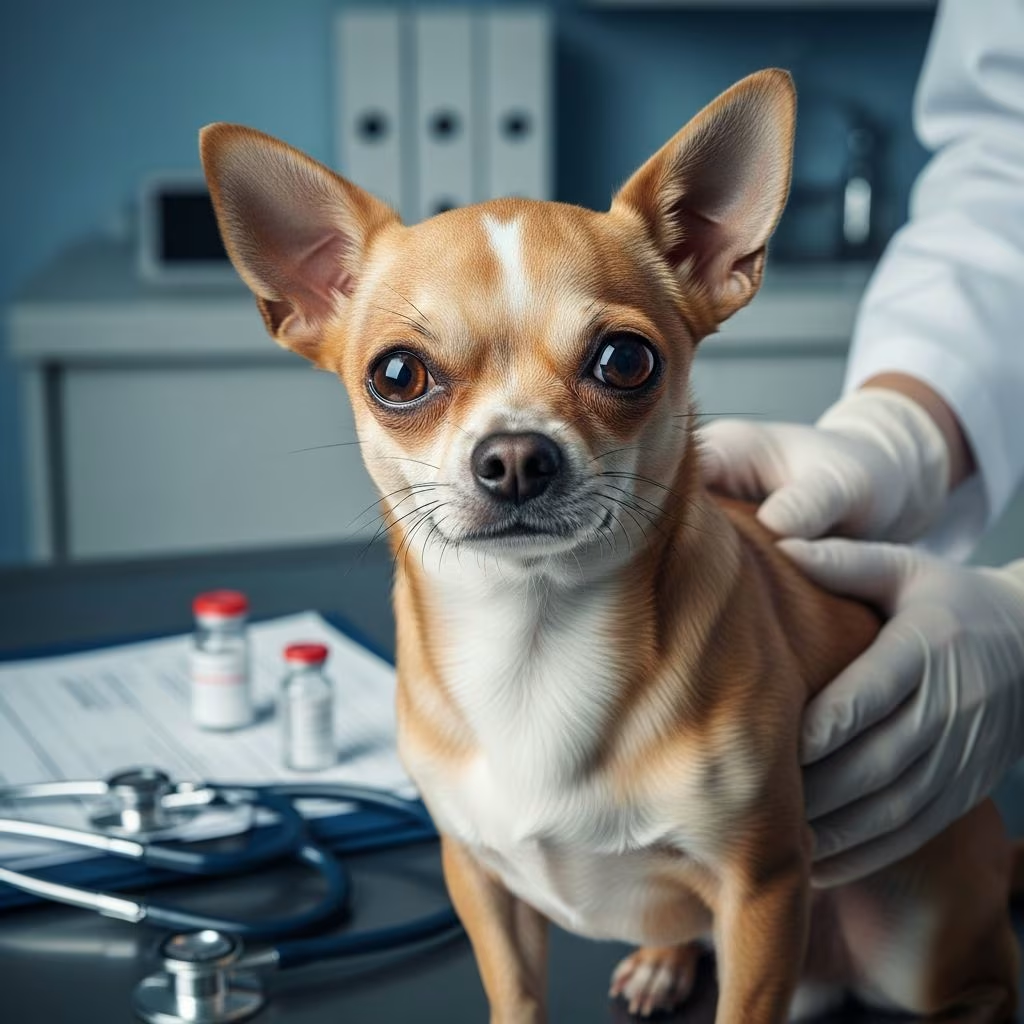
Chihuahuas are beloved companion animals known for their diminutive size and spirited personalities. However, their unique physiology and genetic predispositions make them susceptible to specific health challenges that owners should understand. While these dogs are generally hardy, recognizing potential health vulnerabilities early can significantly improve quality of life and longevity. This guide explores the most prevalent health concerns affecting Chihuahuas and provides evidence-based strategies for management and prevention.
Cardiovascular Complications: The Silent Threat
Among the most significant health challenges facing aging Chihuahuas are heart-related conditions. Congestive heart failure represents the leading cause of death in senior Chihuahuas, with chronic degenerative mitral valve disease being the primary culprit. This condition occurs when the valve on the left side of the heart weakens, allowing blood to flow backward. Over time, this backward flow causes the heart to enlarge and work inefficiently, placing increasing strain on the organ.
The progression is gradual but relentless. Initially, affected dogs may show no obvious symptoms. As the condition advances, fluid accumulates in the lungs, leading to observable signs including persistent coughing, reduced exercise tolerance, weakness, and breathing difficulties. Some Chihuahuas develop a dry, hacking cough that may worsen during excitement or exertion.
Another cardiac concern is Patent Ductus Arteriosus (PDA), a congenital defect present from birth. In normal development, a fetal blood vessel closes after birth; in PDA, this vessel remains open, forcing the heart to work harder and straining the lungs. Symptoms may include exercise intolerance and respiratory distress early in a dog’s life.
Detection and Management
Regular veterinary examinations, particularly as Chihuahuas enter their senior years, are essential for early detection. Vets may recommend diagnostic imaging and ultrasounds to assess cardiac function. For mitral valve disease, medications can help manage symptoms and slow disease progression, though treatment is typically lifelong. PDA may require surgical intervention in severe cases.
Oral Health: More Than Cosmetic Concerns
Dental disease ranks among the most common health issues treated in Chihuahuas, yet many owners underestimate its importance. The breed’s anatomical characteristics make them particularly vulnerable. Their small mouths force adult teeth into crowded positions, and many Chihuahuas retain baby teeth alongside permanent ones, compounding the problem.
This dental crowding creates ideal conditions for bacterial colonization. Food particles and bacteria become trapped between teeth, leading to rapid plaque and tartar accumulation. If left untreated, the infection progresses below the gum line, causing bone loss and eventual tooth loss. Beyond the visible damage, dental disease can have systemic effects—bacteria entering the bloodstream may affect other organs, including the heart.
Prevention and Care Strategies
Daily teeth brushing is the gold standard for prevention and should begin early in a Chihuahua’s life to establish the habit. Using a soft-bristled brush and dog-specific toothpaste, owners should focus on the gum line where plaque accumulates. Professional dental cleanings performed by veterinarians under anesthesia are necessary to remove tartar buildup and address retained baby teeth that may require surgical extraction.
Dietary choices also influence dental health. Dry kibble naturally helps reduce plaque formation compared to soft, moist foods. Water additives and dental treats designed to reduce plaque can supplement but should not replace brushing. Regular veterinary checks, including oral examinations, help identify problems before they become serious.
Skeletal and Joint Disorders
Luxating Patella: Kneecap Instability
Patellar luxation, or kneecap dislocation, affects a significant proportion of Chihuahuas. In this condition, the kneecap (patella) slips out of its groove in the thighbone, causing the back leg to lose stability. The severity ranges from occasional, barely noticeable shifts to chronic dislocations causing lameness.
Affected dogs may display distinctive walking patterns—suddenly hopping on three legs, skipping steps, or holding a hind leg off the ground momentarily. Some dogs show minimal discomfort and continue normal activity, while others become reluctant to run or jump, favoring the affected leg.
Mild cases may require only weight management and activity modification. However, severe luxating patella that causes pain or significantly impairs movement may necessitate surgical intervention to realign the kneecap and prevent degenerative joint disease.
Legg-Calvé-Perthes Disease
This condition primarily affects Chihuahua puppies between 6 and 9 months of age. The disease involves diminished blood flow to the hip bone (femoral head), causing bone death and resulting pain during movement. Affected puppies may limp or show reluctance to bear weight on the rear leg.
Surgical removal of the affected femoral head is the standard treatment, which effectively alleviates pain and allows relatively normal mobility afterward. Early intervention prevents secondary joint damage and chronic pain.
Respiratory Conditions and Airway Vulnerability
Collapsed trachea represents a chronic and progressive respiratory condition particularly common in Chihuahuas. The trachea, or windpipe, consists of cartilage rings that maintain airway patency. In affected dogs, these cartilage rings weaken and flatten, partially obstructing airflow.
Symptoms and Progression
The hallmark symptom is a distinctive \”honking\” or \”goose-like\” cough, often described as a dry, hacking sound rather than a typical bark-based cough. This cough typically worsens during excitement, on leash walks, after exercise, or when exposed to respiratory irritants. As the condition progresses, dogs may experience wheezing, respiratory distress, and reduced exercise tolerance.
The condition is chronic and progressive, meaning symptoms gradually worsen over time. Environmental factors like smoke, dust, and air pollution accelerate deterioration.
Management Approaches
Mild cases often require no active treatment beyond environmental modification. Owners should use a harness rather than a collar to reduce pressure on the trachea during walks. Weight management is critical, as obesity exacerbates respiratory strain. Reducing environmental irritants and minimizing exposure to smoke or dust helps slow progression.
Moderate to severe cases may require cough suppressants and other medications prescribed by veterinarians. In cases unresponsive to medical management, surgery may be considered, though outcomes vary.
Metabolic and Nutritional Vulnerabilities
Hypoglycemia: The Tiny Dog’s Challenge
Low blood sugar (hypoglycemia) is particularly prevalent in young Chihuahuas and those with irregular eating schedules. The breed’s minuscule size and rapid metabolism make them susceptible to dangerous drops in blood glucose levels.
Symptoms include weakness, lethargy, tremors, disorientation, collapse, and in severe cases, seizures. These signs can appear suddenly, making early recognition critical. Puppies are especially vulnerable and require frequent feeding to maintain stable glucose levels.
Prevention centers on maintaining consistent feeding schedules with nutrient-dense meals. Owners should avoid allowing extended periods without food. During times of illness or stress, when a puppy’s appetite may decline, veterinary guidance becomes essential.
Weight Management and Obesity Prevention
Obesity has become increasingly problematic in Chihuahuas, often resulting from overfeeding and insufficient exercise. The consequences extend far beyond appearance—excess weight significantly increases risks for diabetes, joint disorders, heart disease, and respiratory complications. Long-haired Chihuahuas present particular challenges, as excess weight may be difficult to detect under their coat.
Effective weight management requires portion-controlled feeding using high-quality nutrition and daily physical activity. Even short walks provide essential exercise for these small dogs. Owners should establish feeding routines and measure portions carefully to prevent inadvertent overfeeding.
Ophthalmological Conditions
Chihuahuas’ large, prominent eyes, while appealing, create vulnerability to various eye conditions. The eyes’ prominence makes them prone to trauma from rubbing, bumping, or contact with debris.
Common Eye Problems
- Chronic Dry Eye: Reduced tear production leads to corneal irritation and discomfort
- Glaucoma: Elevated intraocular pressure that can cause pain and permanent vision loss if untreated
- Cataracts: Cloudiness of the lens that progressively impairs vision
Signs of eye trouble include squinting, excessive pawing at the face, redness, discharge, excessive tearing, or visible swelling. Any persistent eye symptoms warrant prompt veterinary attention, as some conditions progress rapidly and cause irreversible damage.
Neurological Considerations
Some Chihuahuas experience hydrocephalus, a condition involving fluid accumulation in the brain. Additionally, open fontanels (unclosed soft spots in the skull) occur in some individuals, potentially creating vulnerability to head trauma and neurological complications.
Early Warning Signs: What Owners Should Monitor
Recognizing health problems early significantly improves outcomes. Owners should watch for these indicators:
- Changes in activity level, gait abnormalities, or unexplained limping
- Persistent coughing or signs of respiratory distress
- Difficulty eating or oral discomfort (pawing at mouth)
- Excessive scratching, eye rubbing, or ear problems
- Behavioral changes including confusion, withdrawal, or unusual agitation
- Frequent shaking or trembling beyond normal excitement
- Noticeable weight changes in either direction
- Changes in eating or drinking patterns
If symptoms persist beyond 24-48 hours or if a Chihuahua shows signs of collapse or seizures, immediate veterinary consultation is essential.
Preventive Care and Health Optimization
Routine Veterinary Care
Annual wellness exams are essential, with increased frequency for senior dogs (aged 7 and older). These visits allow early detection of developing conditions and provide opportunities for preventive interventions.
Nutrition and Weight Management
Feeding high-quality, appropriately portioned food maintains optimal body condition. Owners should consult veterinarians regarding the best diet for their individual Chihuahua’s age and health status.
Exercise and Environmental Enrichment
Daily activity appropriate to the dog’s age and health status supports cardiovascular and skeletal health while preventing obesity. Indoor play is often sufficient given their small size.
Dental Care Protocol
Implementing daily brushing, professional cleanings as recommended, and monitoring for signs of dental disease prevents significant oral and systemic problems.
Frequently Asked Questions
Q: Are Chihuahuas generally healthy dogs?
A: While generally hardy, Chihuahuas have breed-specific vulnerabilities including dental disease, cardiac conditions, joint problems, and hypoglycemia. With appropriate preventive care and early detection, many of these issues can be effectively managed.
Q: How often should my Chihuahua visit the veterinarian?
A: Adult Chihuahuas should have annual wellness exams, with visits increasing to twice yearly for senior dogs (age 7+) to detect age-related conditions earlier.
Q: What is the most important preventive measure for dental health?
A: Daily teeth brushing is the most effective prevention method, supplemented by regular professional dental cleanings.
Q: Can collapsed trachea be cured?
A: No, but symptoms can be managed through weight control, environmental modification, and in severe cases, medication or surgery. It is a progressive condition requiring lifelong management.
Q: How can I help my Chihuahua maintain a healthy weight?
A: Measure portions carefully, choose high-quality nutrition, ensure daily exercise, and consult your veterinarian about appropriate portion sizes for your individual dog.
References
- Chihuahua Health Issues: 5 Things to Watch Out For — Plantation Pet. Accessed January 2026. https://plantationpet.com/blog/chihuahua-health-issues-5-things-to-watch-out-for/
- Understanding Chihuahua Health Issues: A Comprehensive Guide — Oreaté AI. Accessed January 2026. https://www.oreateai.com/blog/understanding-chihuahua-health-issues-a-comprehensive-guide/b222961d031f4156352df06fe381292b
- Understanding Chihuahua Health Problems: What Every Chihuahua Owner Should Know — Houndsy. Accessed January 2026. https://www.houndsy.com/blogs/modern-tails/understanding-chihuahua-health-problems-what-every-chihuahua-owner-should-know
- Chihuahua Health Issues: 5 Things to Look Out For — Welleby Vet. Accessed January 2026. https://wellebyvet.com/blog/chihuahua-health-issues-5-things-to-look-out-for/
- Chihuahua Dog Breed Health and Care — PetMD. Accessed January 2026. https://www.petmd.com/dog/breeds/chihuahua



