

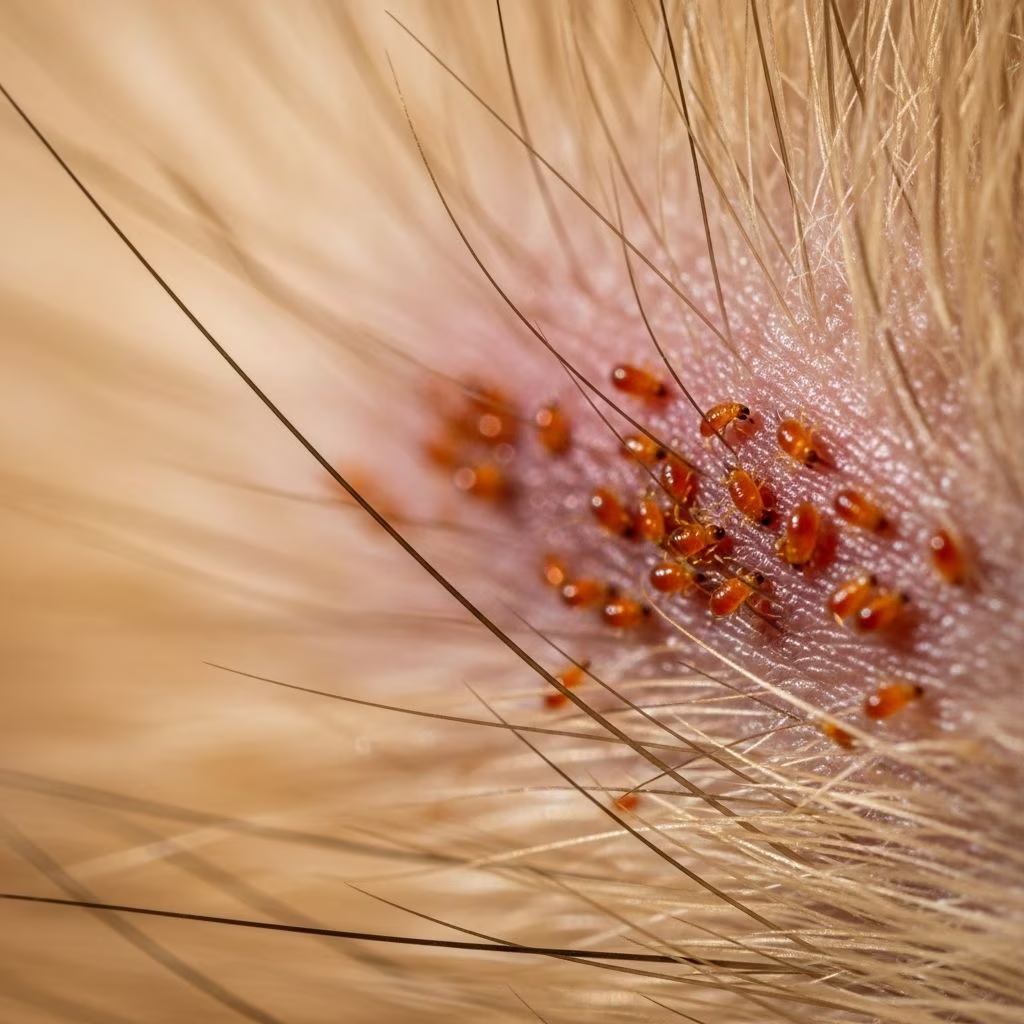
Chiggers, tiny mites from the Trombiculidae family, pose a notable threat to dogs, especially in warm, humid environments with dense vegetation. These parasites latch onto pets during outdoor activities, triggering severe skin irritation that demands prompt attention. Understanding their impact enables pet owners to safeguard canine health effectively.
Understanding Chiggers and Their Attraction to Canines
Chiggers represent larval stages of harvest mites prevalent in grassy fields, woodlands, and bushy terrains, peaking in activity during late summer and early fall. Unlike adult mites, these larvae seek vertebrate hosts like dogs to feed on skin cells and fluids, injecting digestive enzymes that provoke intense inflammatory responses. Dogs encounter them while exploring low-lying foliage where mites cluster in clusters.
Canine fur offers some barrier, yet chiggers target vulnerable spots with sparse coverage, such as armpits, groin, belly, and facial regions around eyes and ears. Their minute size—barely visible to the naked eye—complicates detection until symptoms emerge. While not burrowing deeply, their saliva causes prolonged distress, sometimes leading to self-trauma from scratching.
Recognizing Chigger Infestations in Your Dog
Early identification hinges on observing behavioral shifts and physical indicators. Dogs typically display frantic scratching or chewing at affected zones within hours of exposure, escalating to restlessness overnight as itching peaks.
- Primary signs: Reddened welts or pustules forming clusters in thin-haired areas.
- Severe pruritus: Persistent biting that disrupts sleep and daily routines.
- Secondary effects: Hair loss, crusting, or oozing from over-scratching, heightening infection risks.
Areas nearest the ground, like paws and hocks, may show orange-red specks if mites remain attached. Differentiating from flea allergies or allergies proves challenging without veterinary assessment, often involving skin scrapings to confirm mite presence.
| Symptom | Location | Onset Time |
|---|---|---|
| Intense itching | Ears, eyes, belly | Hours post-exposure |
| Red bumps | Groin, armpits | 1-2 days |
| Hair loss | Paws, legs | 3-5 days if untreated |
This table summarizes common manifestations, aiding quick visual checks during grooming sessions.
Immediate Home Care Strategies for Relief
Swift intervention soothes discomfort and dislodges mites before complications arise. Start with gentle cleansing to remove parasites mechanically.
Warm Bathing Protocols
A thorough warm bath serves as the cornerstone of initial response. Rinse with cool water first to dislodge live chiggers, followed by a hot water soak using dog-safe shampoo. Incorporate additives for enhanced efficacy:
- Colloidal oatmeal: Grind one cup into bathwater for anti-inflammatory soothing, easing inflamed tissues.
- Epsom salts: Dissolve one to two cups until cloudy, adding mild soap to lift residues and calm nerves—limit to 10-15 minutes.
Pat dry afterward, avoiding vigorous rubbing that could exacerbate lesions.
Targeted Topical Applications
Post-bath, apply cooling agents to hotspots:
- Ice packs: Wrap and hold for up to 10 minutes to numb sensations temporarily.
- Green tea rinse: Brew multiple bags, dilute with cold water, and dab on irritated skin for natural anti-itch properties.
These measures provide palliative care but address symptoms rather than root causes, necessitating follow-up.
Professional Veterinary Interventions
When home efforts falter or infestations intensify, veterinary expertise ensures comprehensive resolution. Expect a detailed dermal examination, possibly including scrapings or biopsies to exclude mimics like sarcoptic mange.
Treatment regimens often feature:
- Parasiticides: Monthly topicals such as Frontline, Revolution, or Seresto collars eradicate chiggers alongside ticks and fleas.
- Anti-inflammatories: Steroids like prednisone curb swelling in acute cases; antibiotics combat secondary bacterial invasions.
- Dips: Pyrethrin-based solutions applied locally every two weeks for persistent issues.
Environment decontamination proves crucial—launder bedding in hot water and vacuum thoroughly to eliminate lingering larvae.
Long-Term Prevention Tactics for Outdoor Enthusiasts
Proactive measures minimize recurrence, prioritizing habitat avoidance and barriers.
- Avoidance: Steer clear of tall grasses, woods, and brushy zones during peak seasons (late summer to early fall).
- Grooming routines: Daily brushing post-outings detects early signs; immediate bathing removes potential hitchhikers.
- Repellents: Vet-recommended acaricide sprays or collars offer ongoing protection without harsh chemicals.
- Yard management: Mow lawns short, clear debris, and apply pet-safe pesticides to harborage sites.
For unavoidable exposures, outfit dogs in protective vests or limit ground contact during walks.
Complications and When to Escalate Care
Untreated chigger assaults risk escalating to dermatitis, alopecia, or pyoderma from incessant grooming. Monitor for:
- Non-healing sores or pus discharge signaling infection.
- Systemic signs like lethargy or fever indicating deeper involvement.
- Failure of symptoms to abate within 48-72 hours of home therapy.
Persistent cases may warrant advanced diagnostics or specialized therapies, underscoring timely professional input.
Frequently Asked Questions (FAQs)
Do chiggers burrow under a dog’s skin?
No, chiggers attach superficially, injecting enzymes externally rather than tunneling inward, dispelling common myths.
How long do chigger effects linger on dogs?
Itching subsides in days with treatment, though bumps may persist two weeks; full recovery hinges on intervention speed.
Can humans transmit chiggers to dogs?
Possible but rare; focus on pet-specific prevention over interspecies worries.
Are over-the-counter flea products sufficient?
Many overlap with chigger control, but consult vets for tailored efficacy.
What’s the best seasonal prevention?
Heighten vigilance from midsummer through fall, combining repellents and route choices.
Holistic Management for Canine Well-Being
Integrating vigilant monitoring, prompt responses, and preventive protocols fortifies dogs against chigger incursions. Regular vet partnerships enhance outcomes, transforming potential ordeals into manageable episodes. Educated owners foster resilient pets thriving amidst nature’s challenges.
References
- Symptoms and Prevention of Chiggers in Dogs — FirstVet. 2023. https://firstvet.com/us/articles/symptoms-and-prevention-of-chiggers-in-dogs
- How to Treat Your Dog For Chigger Bites — PetCareRx. 2023. https://www.petcarerx.com/article/how-to-treat-your-dog-for-chigger-bites/4667
- Modern Chiggers on Dogs Treatment & Prevention — FunnyFuzzy. 2024. https://funnyfuzzy.com/blogs/pet-encyclopedia/how-modern-chiggers-on-dogs-treatment-dogs
- Chiggers on Dogs: What You Need to Know — PetMD. 2024. https://www.petmd.com/dog/general-health/chiggers-dogs-what-you-need-know
- Chiggers – the mighty mite causing misery to your dog — First Aid for Pets. 2023. https://firstaidforpets.net/chiggers-mite-causes-misery-dog/
- Trombiculiasis (Chiggers) in Dogs — WagWalking. 2024. https://wagwalking.com/condition/trombiculiasis-chiggers



