
Chicken and Rice for Dogs: Helpful or Harmful?
Discover why the popular chicken and rice remedy for upset stomachs might not be ideal for your dog and explore safer alternatives.
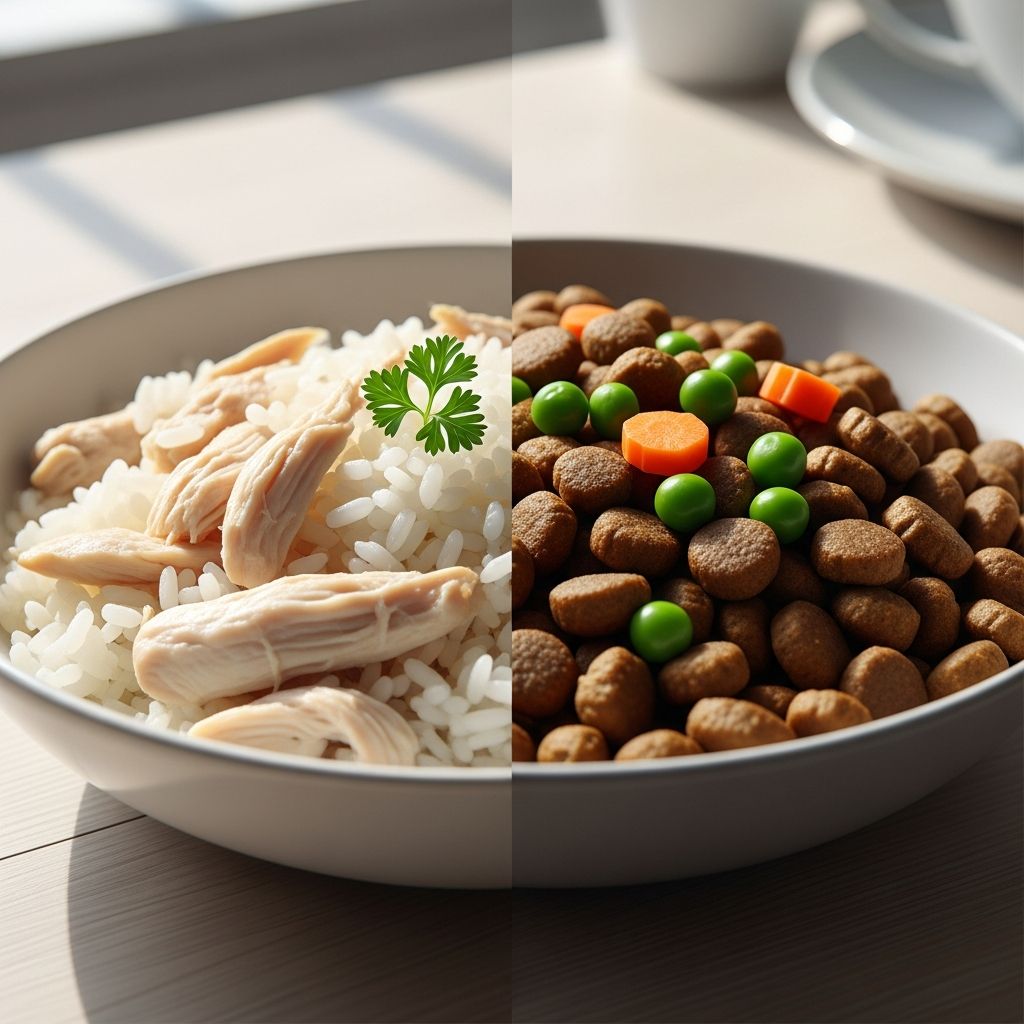
The chicken and rice diet has long been a go-to recommendation for dogs suffering from diarrhea or stomach upset. This simple combination promises easy digestion and quick relief, but is it truly the best choice? While it offers short-term benefits, potential downsides like nutritional gaps and inflammatory effects make it worth reconsidering. This guide breaks down the pros, cons, usage tips, and healthier substitutes to help you support your dog’s recovery effectively.
Understanding the Appeal of This Classic Bland Diet
When a dog experiences gastrointestinal distress, owners often turn to bland foods to ease symptoms. Chicken provides lean protein, while white rice supplies simple carbohydrates. Together, they form a low-fat meal that rests the digestive system, allowing it to recover from irritation caused by richer foods.
Veterinarians frequently suggest this duo because it’s palatable—even picky eaters usually accept it—and helps firm up loose stools within a day or two. The lack of seasonings and minimal fat content prevents further aggravation of the gut lining. However, its effectiveness is temporary, and relying on it reveals limitations in long-term nutrition.
Potential Drawbacks of Chicken in Canine Diets
Chicken seems innocuous, but chronic or frequent use can lead to issues. Many dogs develop sensitivities to this common protein due to overexposure. Symptoms include itching, ear infections, skin rashes, and ongoing digestive problems.
- Allergy Development: Repetitive feeding sensitizes the immune system, turning chicken into a top allergen alongside beef and dairy.
- Farming Concerns: Factory-farmed chicken often contains antibiotics, hormones, and grain-based feeds high in omega-6 fatty acids, promoting inflammation.
- Traditional Views: In holistic practices, chicken is seen as a ‘heating’ food that may exacerbate internal inflammation during illness.
Organic options might reduce risks, but they’re not foolproof, especially for dogs prone to sensitivities.
Why Rice Might Not Soothe as Expected
White rice is prized for being bland and binding, yet it poses hidden challenges for dogs. As a grain, it’s hard for carnivores to process fully, requiring extra digestive effort. Its high glycemic index spikes blood sugar rapidly, counterproductive for inflamed guts.
- Inflammatory Nature: Grains like rice can trigger low-grade inflammation in sensitive dogs.
- Contaminants: Rice absorbs arsenic and pesticides from soil, potentially adding toxins during recovery.
- Lectin Risks: These proteins may damage intestinal lining, fostering bacterial overgrowth.
Dogs evolved as meat-eaters with minimal carb needs, making rice an unnatural choice that offers empty calories rather than healing support.
Guidelines for Safe Short-Term Use
If opting for chicken and rice, follow strict protocols to minimize harm. Use boneless, skinless breast—avoid fatty cuts like thighs—and plain boiled white rice. Aim for a 2:1 rice-to-chicken ratio by volume.
Calculate portions at 2-3% of body weight daily, divided into 4-6 small meals to avoid overwhelming the system.
| Dog Weight | Total Daily Amount | Chicken (g) | Rice (g) |
|---|---|---|---|
| 5 kg (11 lbs) | 100-150 g | 33-50 | 70-100 |
| 10 kg (22 lbs) | 200-300 g | 65-100 | 130-200 |
| 15 kg (33 lbs) | 300-450 g | 100-150 | 200-300 |
| 20 kg (44 lbs) | 400-600 g | 133-200 | 267-400 |
Limit to 2-3 days max, until stools normalize. Transition gradually:
- Day 1: 75% bland, 25% regular food
- Day 2: 50/50 mix
- Day 3: 25% bland, 75% regular
- Day 4: Full regular diet
Nutritional Shortfalls and Long-Term Risks
This diet lacks vitamins, minerals, and fiber essential for health. Prolonged use risks deficiencies, weakening immunity and recovery. It’s unsuitable for chronic conditions like IBD or allergies.
Grain-free alternatives have faced scrutiny for DCM links, but rice-inclusive bland diets aren’t immune to grain-related woes.
Superior Alternatives for Digestive Recovery
Pumpkin emerges as a standout replacement for rice. Plain canned pumpkin (not pie filling) brims with soluble fiber that gels in the gut, soothing irritation and binding stools effectively.
- Fiber Boost: 7g per cup vs. rice’s 1.2g, slowing transit and reducing diarrhea.
- Electrolytes: Over 500mg potassium per cup replenishes losses from vomiting or loose stools.
- Nutrient-Dense: Vitamins A, C, and E support healing without inflammation.
Pair with lean turkey or fish for protein—less allergenic than chicken. A sample meal: 70% pumpkin, 30% boiled turkey, fed similarly portioned.
For ongoing needs, vet-formulated sensitive stomach foods provide balance, safe for extended use.
When to Skip Bland Diets and See a Vet
Not all stomach issues suit home remedies. Seek professional care if symptoms persist beyond 48 hours, or include blood, lethargy, vomiting, or pain. Puppies, seniors, or dogs with pre-existing conditions need immediate vet input.
FAQs on Chicken and Rice for Dogs
Is chicken and rice safe for all dogs?
No, dogs with chicken allergies or grain sensitivities may worsen. Test small amounts first.
How long can I feed this diet?
Maximum 2-3 days. Longer risks malnutrition.
What if my dog refuses chicken and rice?
Try turkey and pumpkin—often more appealing and beneficial.
Can I add anything to make it healthier?
Avoid additions during the bland phase. Post-recovery, incorporate probiotics per vet advice.
Is brown rice better than white?
Brown has more fiber but harder to digest during upset; stick to white short-term.
Building a Resilient Gut for Your Dog
Prevent issues with balanced, species-appropriate diets emphasizing novel proteins, limited grains, and probiotics. Rotate proteins to avoid sensitivities, and include fiber sources like pumpkin routinely. Monitor stool quality and adjust based on response. Consult nutritionists for tailored plans, especially for recurrent problems.
While chicken and rice has merits as a quick fix, informed choices prioritize true healing over tradition. Your dog’s optimal health demands nuance beyond bland basics.
References
- Why Chicken and Rice May Not Be the Best Bland Diet for Sick Dogs — Aussie Pooch. 2023. https://aussiepooch.com.au/blogs/news/why-chicken-rice-is-one-of-the-worst-things-to-feed-a-sick-dog
- Is Chicken and Rice Good for a Dog? — Whole Dog Journal. 2023. https://www.whole-dog-journal.com/food/is-chicken-and-rice-good-for-a-dog/
- Unraveling the Dangers of Chronic Feeding of Chicken to Dogs — Barf India. 2023. https://barfindia.com/blogs/blog/unraveling-the-dangers-of-chronic-feeding-of-chicken-to-dogs-a-comprehensive-guide
- Should I Feed My Dog Chicken and Rice? — My Pet Nutritionist. 2023. https://mypetnutritionist.com/post/should-i-feed-my-dog-chicken-and-rice/
- Are Grain-Free Diets Bad for Dogs? — PetMD. 2024-01-15. https://www.petmd.com/dog/nutrition/are-grain-free-diets-bad-for-dogs
Similar Articles








Read full bio of medha deb




