

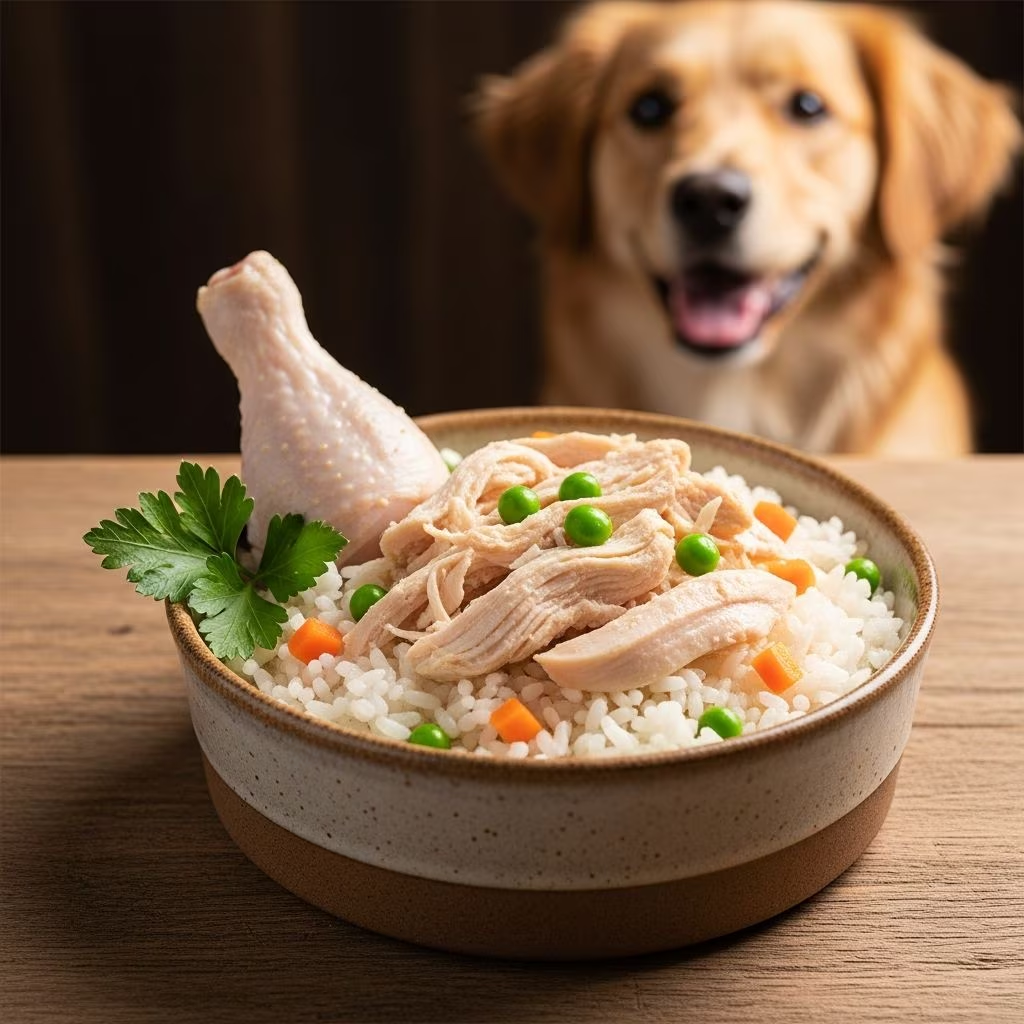
Chicken and rice serves as a staple bland diet for dogs experiencing digestive upset, offering high digestibility and essential nutrients for recovery, but requires careful preparation and supplementation for extended use.
Understanding the Appeal of Chicken and Rice in Canine Diets
This simple combination has earned trust among veterinarians and pet owners for its gentle nature on the gastrointestinal system. Lean chicken provides complete proteins rich in amino acids that support muscle repair and immune function, while white rice delivers easily absorbed carbohydrates for quick energy without irritating the gut lining.
Unlike complex commercial formulas loaded with fillers, this duo minimizes digestive workload, making it suitable for dogs recovering from vomiting, diarrhea, or food sensitivities. Its low-fat profile from skinless chicken further aids in reducing pancreatic strain during illness.
Key Nutritional Advantages for Your Dog
- Protein Powerhouse: Chicken supplies essential amino acids vital for tissue repair, antibody production, and sustained vitality, outperforming many plant-based alternatives in bioavailability.
- Energy Source: Long-grain white rice breaks down into glucose rapidly, aiding electrolyte balance and reducing dehydration risks associated with diarrhea, as noted in veterinary studies on carbohydrate absorption.
- Hypoallergenic Qualities: With fewer ingredients, it lowers exposure to common triggers like grains or novel proteins, benefiting dogs with itchy skin, ear issues, or chronic GI problems.
- Joint Support: Natural glucosamine in chicken promotes cartilage health, supporting mobility in active or aging dogs.
Health Improvements Linked to This Diet
Dogs transitioning to properly prepared chicken and rice often exhibit tangible enhancements. Digestive regularity improves due to the binding effect of low-fiber rice paired with binding proteins, leading to firmer stools within days. Skin conditions like dryness or hot spots may resolve as inflammation from allergens subsides, resulting in glossier coats from retained natural oils.
Energy levels stabilize without the crashes from processed carbs, and weight management becomes easier with nutrient-dense, satiating portions that curb overeating. For picky eaters or those with low appetites during illness, the palatability encourages consumption, ensuring caloric intake for healing.
| Benefit | Mechanism | Typical Timeline |
|---|---|---|
| Digestion | Low residue, high digestibility | 1-3 days |
| Skin/Coat | Reduced allergens, omega-6 fats | 1-4 weeks |
| Energy | Steady glucose release | Immediate |
| Weight Control | High satiety, balanced macros | Ongoing |
Ideal Scenarios for Feeding Chicken and Rice
Use this diet primarily for short-term relief from mild GI disturbances, lasting 3-4 days before gradually reintroducing regular food to avoid rebound issues. It’s also valuable as a topper for fussy eaters or dogs with gluten intolerance, where rice substitutes wheat effectively.
Puppies, adults, and seniors can benefit if balanced properly, with formulations adjusted for growth needs like higher fats for pups or joint aids for elders. During recovery from surgery or stress, its bland appeal ensures nutrition without overwhelming the system.
Preparation Guidelines: Dos and Don’ts
To maximize safety and efficacy, boil boneless, skinless chicken breasts until fully cooked, shredding into small pieces. Cook long-grain white rice separately in plain water—no brown rice, as its higher fiber can exacerbate loose stools.
- Do: Maintain a 1:2 ratio of chicken to rice by volume for balance.
- Do: Ensure thorough cooking to eliminate bacteria like salmonella.
- Don’t: Add oils, salts, spices, onions, garlic, or butter, which can irritate or toxify.
- Don’t: Serve cold; warm gently to enhance aroma and acceptance.
Aim for 50-75% of normal caloric intake initially, monitoring stool quality and appetite. Consult a vet if symptoms persist beyond 48 hours or worsen.
Limitations: Why It’s Not a Complete Everyday Meal
While restorative, plain chicken and rice lacks critical elements like calcium, phosphorus, vitamins A/D/E, and trace minerals necessary for long-term health. Prolonged use risks deficiencies leading to bone weakness, poor coat quality, or immune suppression.
Homemade versions demand precise supplementation, often requiring veterinary nutritionist input to match AAFCO standards. Professional gently-cooked or commercial options incorporate veggies, oils, and premixes for completeness, preserving nutrients via low-heat methods.
Comparing Homemade, Gently-Cooked, and Commercial Varieties
| Type | Pros | Cons | Best For |
|---|---|---|---|
| Homemade | Fresh, customizable, inexpensive short-term | Imbalanced nutrients, preparation risks, time-intensive | Acute recovery (3-4 days) |
| Gently-Cooked | Nutrient-preserved, vet-formulated, human-grade | Higher cost | Daily feeding, allergies |
| Commercial Kibble | Convenient, complete, shelf-stable | Processing may reduce bioavailability | Budget, convenience |
Safe Transition Strategies to New Diets
Introduce over 7-10 days: mix 25% new food with 75% old on day 1, increasing incrementally while observing for diarrhea or refusal. For gently-cooked shifts from kibble, hydration aids absorption, preventing constipation.
Split meals into 2-3 daily servings to maintain steady digestion. Track weight weekly, adjusting portions via feeding calculators based on breed, age, and activity.
Enhancing Chicken and Rice for Full Nutrition
For extended use, incorporate vet-approved add-ins: pumpkin for fiber, fish oil for omegas, or calcium powder. Brands using USDA chicken, whole rice, and veggies like peas or carrots create balanced profiles suitable for all life stages.
Monitor via annual bloodwork to catch imbalances early. Rice varieties matter—white for sensitivity, brown in balanced kibble for B-vitamins.
Frequently Asked Questions
Can all dogs eat chicken and rice?
Most can, but those with chicken allergies need alternatives like turkey. Always vet-check for breed-specific issues.
How much chicken and rice per day?
Depends on weight: ~1-1.5 cups per 20 lbs, split into meals. Use body condition scoring for accuracy.
Is brown rice better than white?
No for upset stomachs—white is gentler; brown suits healthy dogs in complete formulas.
Can puppies or seniors eat it long-term?
Yes, if balanced with growth/senior nutrients.
What if my dog refuses it?
Warm and hand-feed small amounts; add low-sodium broth if vet-approved.
Choosing the Right Option for Your Dog
Evaluate based on needs: short-term homemade for convenience, professional for sustainability. Prioritize transparency in sourcing and nutrition guarantees to ensure your dog’s thriving health.
References
- Why Gently-Cooked Chicken and Rice is One of the Healthiest Meals You Can Feed Your Dog — Miami Living Magazine. 2023-05-15. https://www.miamilivingmagazine.com/post/why-gently-cooked-chicken-and-rice-is-one-of-the-healthiest-meals-you-can-feed-your-dog
- Chicken and Rice for Dogs 101 — Just Food For Dogs Blog. 2024-02-10. https://blog.justfoodfordogs.com/chicken-rice-101.html
- Chicken Dog Food — Purina. 2025-01-20. https://www.purina.com/articles/dog/feeding/types-of-dog-food/chicken-dog-food
- Chicken & Rice Dog Food | Fresh, Complete & Balanced Diet — Wynwood Dog Food. 2024-11-05. https://wynwooddogfood.com/products/chicken-rice
- Chicken and Rice for Dogs: Comfort Food — Chewy Education. 2024-08-12. https://www.chewy.com/education/dog/general/chicken-and-rice-for-dogs



