

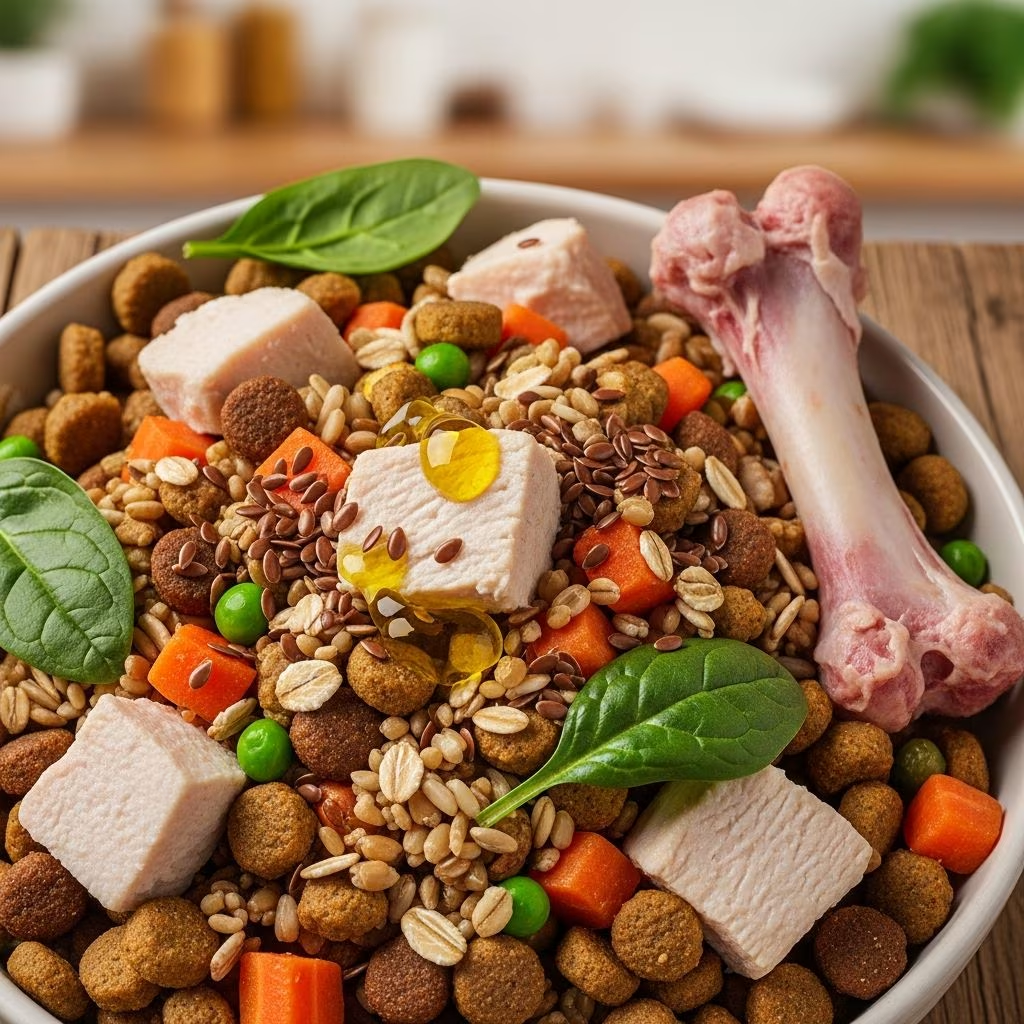
Chicken meal serves as a concentrated protein source in many commercial dog foods, offering higher nutrient density than fresh chicken due to its low moisture content.
Defining Chicken Meal and Its Production Process
Chicken meal results from rendering chicken parts, primarily muscle meat, skin, and sometimes bone, into a dry, powdered form. This process involves grinding the materials and then cooking them at high temperatures to remove nearly all water, fat, and impurities, leaving behind a product that boasts about 65% protein content. Unlike fresh chicken, which retains around 70% moisture, chicken meal delivers more protein per gram, making it a staple in kibble formulations for consistent nutrition.
The rendering method ensures shelf-stability, preventing spoilage and allowing manufacturers to create balanced diets that meet daily requirements efficiently. According to AAFCO guidelines, chicken meal must exclude undesirable parts like heads, feet, or intestines, distinguishing it from lower-grade by-products.
Nutritional Advantages for Canine Health
At its core, chicken meal provides essential amino acids vital for muscle repair, growth, and overall vitality in dogs. These building blocks support everything from lean body mass maintenance to energy production for active lifestyles.
- Protein Density: With minimal water, it packs 65% protein, far surpassing fresh chicken’s effective yield after processing.
- Joint Support: Naturally rich in glucosamine from cartilage, it promotes mobility and reduces inflammation in joints.
- Minerals and Phospholipids: Supplies calcium, phosphorus, and fatty acids crucial for bone strength and skin health.
- Immune Boost: Amino acids aid antibody production and tissue recovery, enhancing resilience.
Veterinarians note its role in formulas for puppies, working dogs, and seniors, where sustained protein intake prevents muscle loss and sustains vigor.
Chicken Meal vs. Fresh Chicken: A Detailed Comparison
Fresh chicken appeals for its ‘natural’ appeal, but its high water content dilutes protein delivery. Chicken meal, by contrast, concentrates nutrients, ideal for dry foods where space and stability matter.
| Aspect | Fresh Chicken | Chicken Meal |
|---|---|---|
| Protein Content | ~18-25% (wet basis) | ~65% (dry basis) |
| Moisture | 70% | <10% |
| Digestibility | High in raw form | Variable; processing enhances bioavailability for some |
| Shelf Life | Short; requires refrigeration | Long; stable in kibble |
| Cost-Effectiveness | Higher per protein unit | Lower; efficient nutrient source |
While fresh options shine in digestibility studies, chicken meal’s efficiency makes it indispensable for complete diets, especially when paired with varied ingredients.
Quality Variations and What to Watch For
Not all chicken meals equate to premium nutrition. High-quality versions use clean, USDA-inspected sources, adhering strictly to AAFCO definitions that limit inclusions to muscle, skin, and bone. Inferior products might skirt regulations, incorporating fillers that reduce true protein value.
Pet owners should prioritize transparency: look for meals listed early in ingredients, backed by digestibility guarantees (over 80% ideal). Reputable brands conduct feeding trials to validate claims, ensuring real-world benefits.
Potential Drawbacks and Digestibility Concerns
High-heat rendering can denature proteins, potentially lowering digestibility of key amino acids like lysine or threonine to below 80% in some studies. This contrasts with steamed fresh meats, where absorption nears 90-95%. For dogs with sensitive stomachs or allergies, whole proteins may outperform meals.
However, when formulated correctly with enzymes or probiotics, chicken meal supports gut health effectively. It’s not ‘bad,’ but context matters—balance it with fibers, fats, and fresh elements for optimal results.
Role in Balanced Diets Across Life Stages
For growing puppies, chicken meal fuels rapid development with concentrated energy. Active adults benefit from its muscle-sustaining proteins, while seniors gain joint and immune support. Even overweight dogs thrive on its lean profile minus excess water weight.
AAFCO mandates protein as the top nutrient, and chicken meal helps meet this without bulk, allowing room for veggies, grains, and supplements in holistic recipes.
Comparing Chicken Meal to Alternative Proteins
Diversifying proteins prevents sensitivities. Here’s how chicken meal stacks up:
- Beef Meal: Iron-rich for blood health, but fattier.
- Fish Meal: Omega-3s for coat shine, potential allergens.
- Lamb Meal: Novel for allergies, lower glucosamine.
- Turkey Meal: Lean, digestible, B-vitamin packed.
Rotating sources ensures broad nutrient coverage, mimicking wild diets.
Expert Insights from Veterinarians
DVMs like Dr. Sabrina Kong emphasize chicken meal’s cost-effectiveness for protein boosting without compromising quality. Dr. Ochoa highlights its amino acid profile for skin, coat, and repair. Consensus: it’s safe and beneficial in high-end foods, not a hidden filler.
How to Choose Dog Foods Featuring Chicken Meal
Scan labels for ‘chicken meal’ over vague ‘poultry by-product.’ Seek AAFCO statements, protein minima (26% adults, 22% puppies), and third-party testing. Brands like Wellness spotlight it proudly, signaling confidence.
Frequently Asked Questions
Is chicken meal safe for dogs with allergies?
Generally yes, if not chicken-sensitive; opt for novel proteins otherwise.
Does chicken meal cause weight gain?
No, its density aids portion control; pair with activity.
Can I mix chicken meal kibble with fresh foods?
Yes, for variety, but balance to avoid deficiencies.
What’s the difference between chicken meal and chicken by-product meal?
Chicken meal uses premium parts; by-products include organs, feet—lower quality.
How much protein from chicken meal is ideal daily?
Depends on size/activity; consult vet for tailored needs.
Practical Tips for Incorporating Chicken Meal
Transition gradually over 7-10 days. Monitor stool, energy, coat. Supplement with oils for fats if needed. For homemade toppers, rehydrate meal sparingly.
References
- Chicken Meal in Dog Food — Chewy.com. 2023. https://www.chewy.com/education/dog/food-and-nutrition/what-is-chicken-meal-in-dog-food
- Understanding What is Chicken Meal in Dry Dog Food — Houndsy. 2024. https://www.houndsy.com/blogs/pupdiet/understanding-what-is-chicken-meal-in-dry-dog-food-a-comprehensive-guide-for-pet-owners
- AAFCO Official Publication — Association of American Feed Control Officials. 2025. https://www.aafco.org/
- Digestibility of Meat Meals in Dogs — Journal of Animal Science (via PubMed). 2022-01-15. https://pubmed.ncbi.nlm.nih.gov/35134987/
- Pet Food Ingredient Standards — FDA Center for Veterinary Medicine. 2024-06-01. https://www.fda.gov/animal-veterinary/animal-food-feeds/pet-food



