

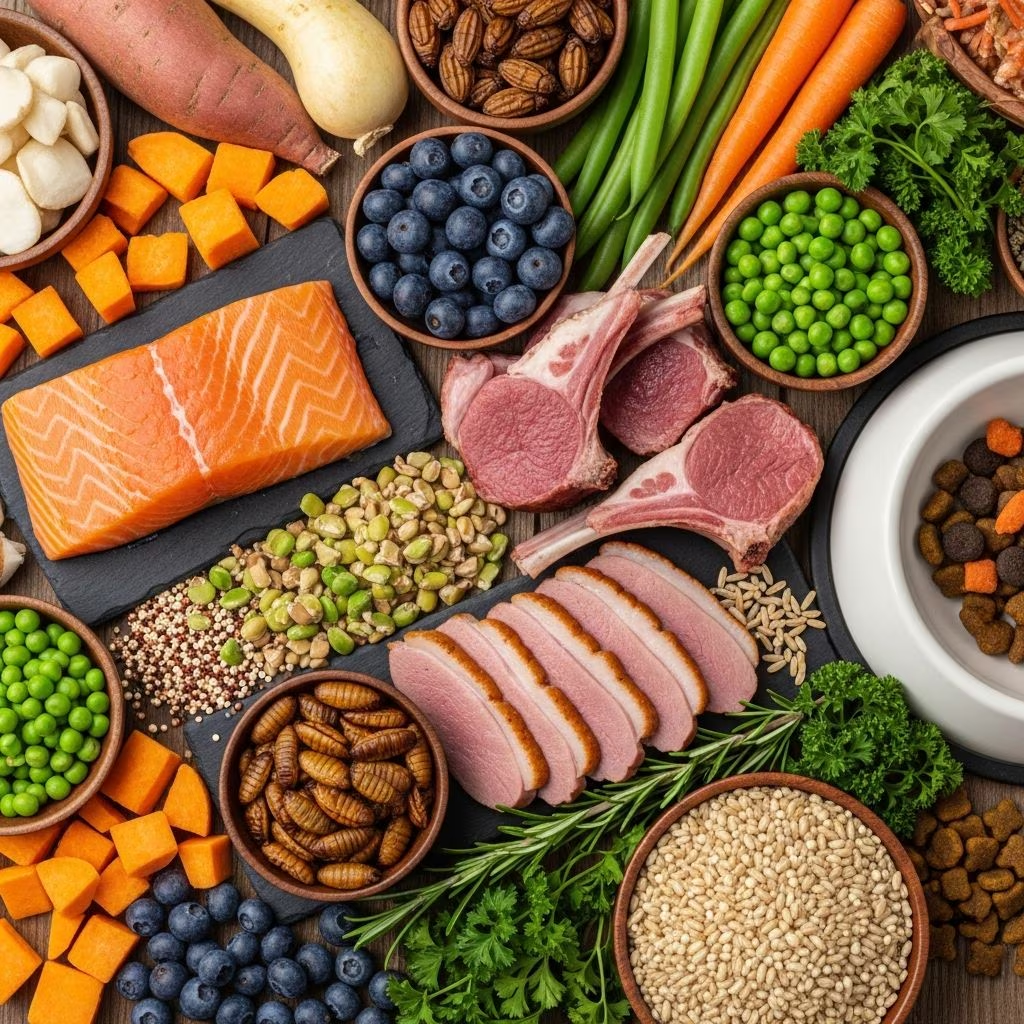
Chicken serves as one of the most prevalent proteins in commercial dog foods, yet for many dogs, it triggers adverse reactions ranging from itchy skin to chronic gastrointestinal issues. Opting for chicken-free formulations provides a viable solution, leveraging alternative proteins to support better overall wellness without compromising nutritional integrity.
Understanding Canine Sensitivities to Chicken
Food sensitivities in dogs often manifest through subtle yet persistent symptoms. Common indicators include persistent scratching, red or inflamed skin, recurrent ear infections, and loose stools or vomiting after meals. These reactions stem from the immune system’s overresponse to chicken proteins, which are ubiquitous in kibble, canned foods, and treats due to their cost-effectiveness and availability.
Research highlights that poultry allergies affect a notable portion of the canine population. Switching to exclusionary diets helps isolate the culprit, confirming chicken as the trigger. Early intervention prevents escalation into more severe conditions like atopic dermatitis.
Key Advantages of Eliminating Chicken from Your Dog’s Diet
Transitioning away from chicken yields multiple health improvements, particularly for sensitive individuals.
- Allergy Symptom Reduction: Dogs prone to chicken intolerance experience fewer flare-ups, leading to clearer skin and reduced veterinary visits.
- Improved Digestive Health: Novel proteins minimize bloating, gas, and irregular bowel movements, fostering consistent energy levels.
- Nutrient Variety: Diverse sources introduce a broader spectrum of amino acids, vitamins, and minerals essential for long-term vitality.
- Enhanced Coat and Skin Quality: Omega-rich alternatives like fish promote glossy fur and resilient dermal barriers.
- Boosted Appetite and Engagement: Many dogs relish the novel flavors, combating dietary boredom and ensuring complete meal consumption.
These benefits extend to proactive care, potentially staving off future sensitivities through rotational feeding practices.
Exploring Alternative Protein Sources
Chicken-free diets draw from an array of proteins tailored to various needs. Selecting the right one depends on your dog’s size, activity level, and specific health profile.
| Protein Type | Key Benefits | Suitable For |
|---|---|---|
| Lamb | Rich in iron and B vitamins; gentle on digestion | Sensitive stomachs, seniors |
| Fish (e.g., Salmon) | High omega-3s for joint and skin support | Allergy-prone, active breeds |
| Beef | High-quality muscle-building protein | Working dogs, high-energy pups |
| Venison or Bison | Novel, hypoallergenic options | Severe allergies, limited-ingredient needs |
| Duck | Lean, flavorful with balanced fats | Picky eaters, weight management |
Each option ensures complete amino acid profiles when properly formulated, matching or exceeding chicken’s nutritional value.
Navigating Grain-Free vs. Grain-Inclusive Chicken-Free Options
Chicken-free foods span grain-inclusive and grain-free varieties. Grain-free versions replace cereals with legumes or tubers, potentially aiding dogs with grain sensitivities. However, they demand scrutiny for balance.
Studies indicate grain-free diets may enhance digestibility in high-animal-protein setups, with superior dry matter and protein absorption rates. Yet, associations with dilated cardiomyopathy (DCM) underscore the need for taurine supplementation and veterinary oversight, especially in breeds like Golden Retrievers.
Grain-inclusive chicken-free foods offer fiber for gut health and stable blood sugar, ideal for balanced nutrition without exotic risks.
Signs Your Dog Might Need a Chicken-Free Diet
Observe these red flags to determine if a switch is warranted:
- Chronic paw licking or chewing
- Hot spots or recurrent hot spots
- Soft, frequent stools persisting beyond two weeks
- Anal gland issues
- Lethargy post-meals or refusal to eat
An elimination trial—eight to twelve weeks on a single novel protein—confirms the diagnosis. Track symptoms meticulously via a food diary.
How to Transition Safely to New Proteins
Abrupt changes provoke digestive upset. Follow this gradual protocol:
- Days 1-3: 75% old food, 25% new
- Days 4-6: 50% each
- Days 7-9: 25% old, 75% new
- Day 10+: 100% new
Monitor for adverse effects; revert if diarrhea or vomiting occurs. Probiotics aid the adjustment.
Hydrolyzed Proteins: A Specialized Approach
For confirmed allergies, hydrolyzed diets break proteins into tiny amino acids unrecognizable to the immune system. Pioneered by major veterinary brands, these maintain nutrition while minimizing reactions. They suit acute cases but may taste unappealing to some dogs.
Commercial Recommendations and Formulations
Reputable brands prioritize transparency with named meat meals high on ingredient lists. Seek AAFCO statements for life-stage appropriateness. Standouts include ocean-based formulas for omega boosts and limited-ingredient lines for simplicity.
Avoid fillers like corn syrup or artificial preservatives; prioritize whole foods.
Home-Prepared Chicken-Free Meals
DIY diets offer freshness but require precision. Base recipes on 40-50% protein, 20-30% veggies, and balanced supplements. Consult a veterinary nutritionist via tools like BalanceIT for safety. Example: Ground turkey, sweet potatoes, spinach, and fish oil—cooked thoroughly.
Benefits for Specific Life Stages and Lifestyles
Puppies
Early exposure to varied proteins builds tolerance and preferences, supporting growth without sensitization risks.
Adults and Seniors
Joint-friendly fish or lean duck eases aging woes, while variety sustains muscle mass.
Active and Working Dogs
High-fat beef or lamb fuels endurance, with balanced carbs for recovery.
Potential Drawbacks and Precautions
Cost escalates with premium proteins. Cross-contamination risks persist in facilities processing chicken. Always verify ‘chicken-free’ claims via manufacturer FAQs. Regular bloodwork monitors nutrient status.
Frequently Asked Questions
Is chicken-free dog food less nutritious?
No, quality formulations match nutritional standards using diverse proteins rich in essentials.
Can all dogs benefit from no-chicken diets?
Not universally, but rotation prevents boredom and sensitivities.
How do I confirm a chicken allergy?
Conduct a strict elimination trial under vet guidance.
Are grain-free chicken-free foods safe?
Many are, but select those with proven taurine levels to mitigate DCM risks.
What if my dog refuses new foods?
Mix with familiar toppers; patience yields acceptance.
Long-Term Strategies for Optimal Canine Nutrition
Combine chicken-free bases with fresh toppers like blueberries or eggs for micronutrients. Annual vet checkups refine choices. Ultimately, individualized feeding triumphs over one-size-fits-all approaches, ensuring your companion thrives.
References
- Grain-Free Diets for Dogs and Cats: An Updated Review Focusing … — PMC/NCBI. 2024. https://pmc.ncbi.nlm.nih.gov/articles/PMC12291746/
- Chicken-Free Dog Food – Whole Dog Journal — Whole Dog Journal. 2023. https://www.whole-dog-journal.com/food/chicken-free-dog-food/
- Are Grain-Free Diets Bad for Dogs? — PetMD. 2025. https://www.petmd.com/dog/nutrition/are-grain-free-diets-bad-for-dogs
- Debunking Myths About Chicken-Free Dog Foods — The Hungry Puppy. 2024. https://www.thehungrypuppy.com/blogs/posts-from-the-pup/debunking-myths-about-chicken-free-dog-foods
- Benefits of Chicken-Free Dog Food — A Pup Above. 2024. https://apupabove.com/blogs/all/chicken-free-dog-food



