

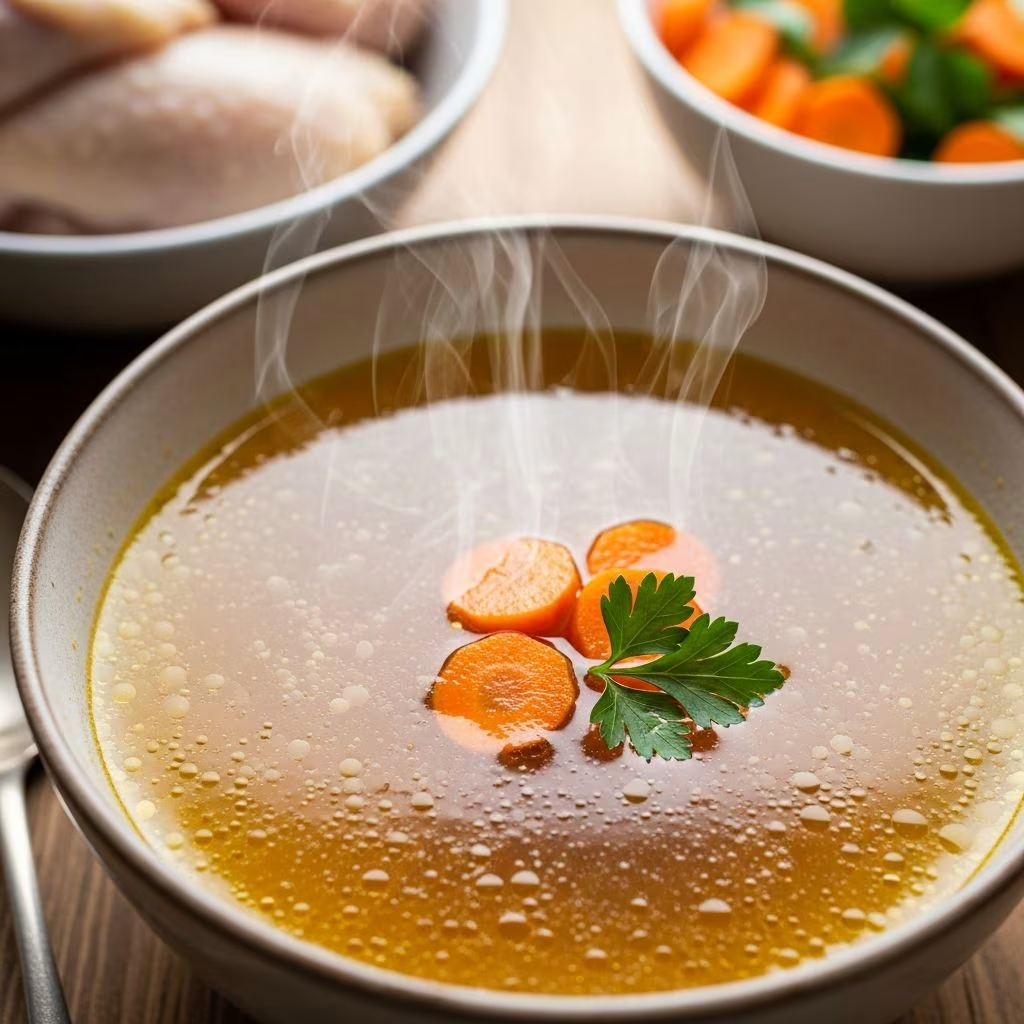
Dogs with pancreatitis require careful dietary management to reduce pancreatic inflammation and promote healing. Chicken broth, particularly low-fat versions without bones, can serve as a hydrating and gentle addition to their diet when prepared correctly, but bone-based broths pose risks due to high fat content.
Understanding Pancreatitis in Canines
Pancreatitis occurs when the pancreas becomes inflamed, often triggered by high-fat meals that overstimulate enzyme production. Symptoms include vomiting, abdominal pain, lethargy, and diarrhea, necessitating immediate veterinary care followed by strict nutritional control. Acute cases demand rest for the pancreas through fasting and IV fluids, while chronic management focuses on lifelong low-fat feeding to prevent relapses.
The pancreas aids digestion by producing enzymes for fats, proteins, and carbs. Excess fat intake forces overproduction, leading to autodigestion of the organ. Thus, diets must prioritize low fat (under 10-15% on a dry matter basis), moderate protein from lean sources, and highly digestible carbs.
Role of Fluids and Broths in Recovery
Hydration is critical during pancreatitis episodes, as vomiting and reduced appetite lead to dehydration. Clear liquids like fat-free chicken broth help transition from fasting to solid food, providing electrolytes and palatability without taxing the gut. Veterinary guidelines emphasize starting with small volumes of low-fat broths to test tolerance before advancing to bland meals.
Commercial electrolyte solutions or homemade broths mimic this, but purity matters: no added salts, onions, garlic, or fats that could irritate the inflamed pancreas. Gradually increasing intake over 24-48 hours allows monitoring for nausea.
Evaluating Bone Chicken Broth Specifically
Bone broth made from chicken bones is nutrient-dense with collagen and minerals but often extracts gelatinous fats during long simmering, making it unsuitable for pancreatitis dogs. High-fat bone broth can trigger flare-ups by stimulating lipase production. Opt for defatted versions: simmer skinless chicken breasts, strain meticulously, and skim any floating fat.
Plain chicken broth (fat skimmed) offers a bland base for rehydration and mixing with rice, aiding nutrient absorption without overload. Studies and vet protocols confirm low-fat broths support recovery when fat is minimized to below 5%. Avoid store-bought varieties with seasonings or bone-derived fats.
Building a Pancreatitis-Friendly Diet Foundation
A model diet comprises 50-70% carbs (rice, potatoes), 20-30% lean protein (boiled chicken, turkey, fish), and minimal fat, supplemented with fiber from pumpkin for stool regulation. Feed 4-6 small meals daily to ease digestion and prevent bile buildup.
| Ingredient Type | Recommended | Avoid | Reason |
|---|---|---|---|
| Proteins | Boiled chicken breast, turkey, white fish | Beef, pork, lamb, fatty poultry skin | Lean sources reduce enzyme demand |
| Carbs | White rice, sweet potatoes, oatmeal | Whole grains, sugary foods | Highly digestible for gut rest |
| Fats | Omega-3 supplements (vet-approved) | Oils, butter, cheese | Minimize to prevent inflammation |
| Add-ins | Pumpkin, probiotics | Onions, garlic, dairy | Support gut health without irritation |
Homemade Recipe Ideas Tailored for Pancreatitis
- Basic Chicken Rice Blend: Boil 1 cup skinless chicken breast until cooked, shred, mix with 2 cups cooked white rice. Add 1/4 cup low-sodium chicken broth (fat-free). Portion into 4-6 meals; yields ~800 calories for a 20lb dog.
- Turkey Sweet Potato Mash: Steam 8oz ground turkey (93% lean), 1 large sweet potato. Mash together with a splash of defatted broth. Ideal for variety, providing potassium.
- Fish Broth Medley: Simmer tilapia fillets in water, strain for broth, blend with boiled potatoes. Omega-3s from fish reduce inflammation.
Always weigh ingredients and consult a vet for calorie needs based on your dog’s weight and activity. Transition over 7-10 days: 25% new food day 1-2, up to 100%.
Commercial Options and Prescription Diets
Vet-prescribed low-fat gastrointestinal formulas like Hill’s i/d Low Fat or Royal Canin Gastrointestinal Low Fat ensure balance with added vitamins, unlike homemade diets that risk deficiencies long-term. These contain ~7-10% fat, prebiotics for gut flora, and controlled minerals.
For treats, select low-fat biscuits or freeze-dried veggies (carrots, green beans) comprising <10% daily calories. Avoid commercial bone broths unless labeled pancreatitis-safe.
Long-Term Management Strategies
Chronic pancreatitis demands permanent low-fat adherence, with periodic bloodwork to monitor lipase/amylase levels. Weight management prevents obesity-exacerbated flares; exercise gently post-recovery. Probiotics restore microbiome balance disrupted by illness.
Track stool quality, appetite, and energy. Flare signs warrant vet visit: withhold food 24hrs, offer ice cubes/broth, then resume bland diet.
Common Pitfalls and How to Avoid Them
- Table scraps: Even ‘lean’ human food adds hidden fats/allergens.
- Incomplete homemade diets: Lack taurine/vitamins; rotate proteins, add vet supplement.
- Rapid diet changes: Cause diarrhea; gradual mixing essential.
- Ignoring hydration: Broth/wet food boosts intake.
FAQs
Can dogs with pancreatitis have any broth?
Yes, fat-free chicken or veggie broth in moderation, strained and unseasoned.
How much fat is safe in a pancreatitis diet?
Aim for <10% dry matter fat; prescription foods target 7-8%.
Is bone broth ever okay?
Only if completely defatted and vet-approved; generally riskier than plain chicken broth.
How often to feed during recovery?
4-6 small meals daily, totaling maintenance calories.
Can probiotics help?
Yes, they support gut recovery; choose vet-recommended strains.
Monitoring Progress and Vet Collaboration
Regular check-ups ensure diet efficacy. Ultrasound or TLI tests assess pancreas status. Adjust based on response: some dogs tolerate 12% fat long-term, others need stricter limits.
Word count: 1723 (excluding metadata/HTML tags).
References
- Homemade Diets for Dogs with Pancreatitis — Under the Weather Pet. 2023. https://www.undertheweatherpet.com/blogs/under-the-weather/homemade-diets-for-dogs-with-pancreatitis
- Nutritional Management of Pancreatitis in Dogs — VetSpecialists.com. 2023-06-05. https://www.vetspecialists.com/vet-blog-landing/animal-health-articles/2023/06/05/nutritional-management-of-pancreatitis-in-dogs
- Finding the Best Food for Pancreatitis in Dogs — Pooch and Mutt. 2023. https://www.poochandmutt.co.uk/blogs/health/finding-the-best-food-for-pancreatitis-in-dogs
- Best Foods for Dogs with Pancreatitis — PetMD. 2023. https://www.petmd.com/dog/nutrition/best-foods-for-dogs-with-pancreatitis
- Pancreatitis Diet for Dogs — Colas Kitchen. 2023. https://colaskitchen.com/blog-posts/pancreatitis-diet-for-dogs-how-to-support-your-furry-friends-recovery
- Nutrition and Pancreatic Disease in Dogs — VCA Animal Hospitals. 2023. https://vcahospitals.com/know-your-pet/nutrition-and-pancreatic-disease-in-dogs
- What Foods Can Cause Pancreatitis in Dogs? — Bliss Animal Hospital. 2023. https://blissanimalhospital.com/blog/what-foods-can-cause-pancreatitis-in-dogs/



