

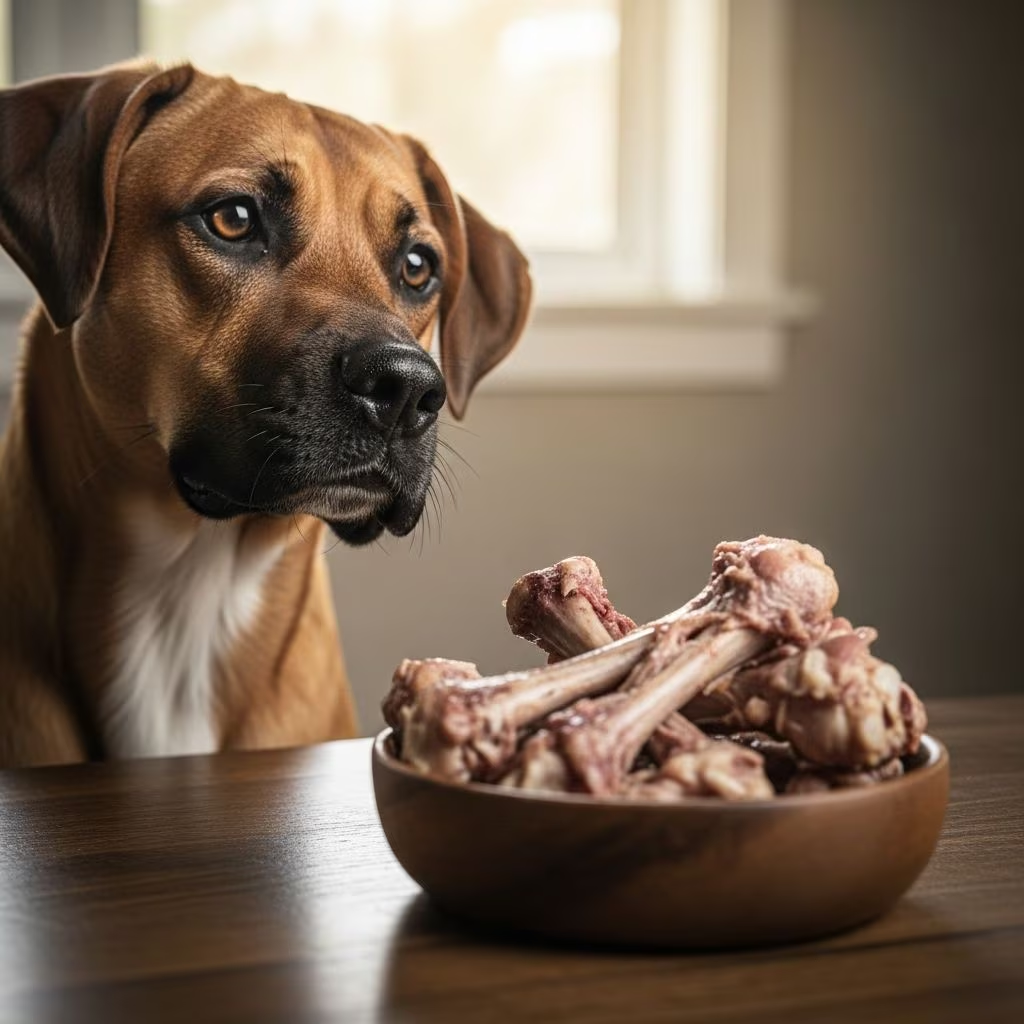
Many dog owners assume that offering a leftover chicken bone to their pet is a harmless or even natural treat. However, veterinarians consistently emphasize that chicken bones present significant dangers to canine health, regardless of how they’re prepared. While it may seem like a simple way to recycle kitchen scraps or provide your dog with something to chew, the reality is far more complicated and potentially life-threatening.
The Structural Problem: Why Chicken Bones Differ from Safe Chew Options
Chicken bones possess unique characteristics that make them particularly hazardous compared to other types of animal bones or veterinarian-approved chew products. Understanding these structural differences is essential for recognizing why your dog’s natural instinct to gnaw on bones should be redirected toward safer alternatives.
The fundamental issue lies in the bone’s composition and density. Chicken bones are exceptionally lightweight and hollow by nature. This hollow structure creates a critical weakness: when subjected to the pressure of a dog’s teeth and digestive processes, these bones fracture into sharp, splintered pieces rather than breaking into larger chunks. The splintering behavior is the core concern that distinguishes chicken bones from heavier bones like those from beef or pork.
Additionally, chicken bones are smaller in diameter compared to larger animal bones. This size factor becomes problematic because smaller bone pieces can more easily lodge in a dog’s throat or navigate into the gastrointestinal tract, where they may become stuck or cause internal damage.
Comparing Preparation Methods: Raw Versus Cooked Chicken Bones
The preparation method significantly influences the degree of danger posed by chicken bones, though neither form is considered safe by veterinary professionals.
Cooked Chicken Bones: The Maximum Risk Level
Heat dramatically changes the bone’s structural integrity. When chicken bones are cooked—whether through baking, frying, boiling, or roasting—the cooking process removes moisture and causes the bone to become brittle and rigid. This brittleness dramatically increases the likelihood of splintering when a dog chews on the bone.
Cooked bones are more prone to breaking into sharp, jagged fragments that can puncture or lacerate delicate tissues throughout the digestive system. The risk profile for cooked chicken bones includes mouth injuries, throat perforations, stomach perforation, intestinal tears, and severe internal bleeding. These injuries often require emergency surgical intervention to correct.
Raw Chicken Bones: Lower Splintering Risk, Biological Hazards
Raw chicken bones retain more moisture and flexibility compared to their cooked counterparts, making them less likely to splinter into sharp fragments. However, this reduced splintering risk does not mean raw chicken bones are safe for dogs. Instead, raw bones introduce different but equally serious health concerns.
Raw chicken bones and raw chicken meat can harbor pathogenic bacteria including Salmonella, Campylobacter, and E. coli. These pathogens can cause severe gastrointestinal infections in dogs. Additionally, raw bones can become lodged in the mouth, particularly on the roof of a dog’s mouth, causing localized injuries and tissue damage. Choking remains a risk, and intestinal blockages can still occur.
The Cascade of Potential Injuries and Complications
When a dog ingests chicken bone fragments, the resulting injuries can develop at multiple points along the gastrointestinal tract. Understanding these potential complications helps explain why veterinarians respond with such urgency when a dog consumes chicken bones.
Immediate Threats
- Choking and Airway Obstruction: Larger bone pieces or fragments can lodge in the pharynx or larynx, blocking the dog’s airway. This presents as immediate respiratory distress and requires emergency intervention.
- Mouth and Throat Injuries: Sharp bone fragments can cut the gums, tongue, cheeks, and throat tissues. Signs include excessive drooling, difficulty eating, and visible bleeding from the mouth.
- Esophageal Perforation: As swallowed fragments travel down the esophagus, sharp edges can puncture the esophageal wall, causing severe pain and internal bleeding.
Delayed Complications
- Intestinal Blockage: Bone fragments can accumulate and create a complete or partial obstruction within the intestinal tract. This prevents food and waste from passing normally and can require surgical removal.
- Internal Bleeding: Perforations anywhere in the gastrointestinal tract lead to bleeding into the abdominal cavity, which can cause shock and multi-organ failure if untreated.
- Bacterial Infection and Sepsis: Perforations expose the internal environment to bacteria from the digestive tract, potentially causing sepsis and systemic infection.
- Gastroenteritis: Even without perforation, bone fragments can cause inflammation and irritation of the stomach and intestinal lining, resulting in vomiting and diarrhea.
- Constipation: Multiple small bone fragments can accumulate in the colon, causing severe constipation and discomfort.
Age and Size Considerations: Why Puppies Face Greater Risk
Puppies and small-breed dogs experience proportionally higher risks from chicken bone ingestion compared to adult dogs or large-breed dogs. This elevated risk stems from their anatomy and developmental stage.
Puppies have smaller digestive tracts with narrower passages. When a bone fragment enters a puppy’s gastrointestinal system, it displaces a larger percentage of the available space. This size differential makes blockages more likely and creates more trauma as the fragment passes through. Additionally, puppies’ digestive systems are still developing, and their ability to process foreign objects is less efficient than in adult dogs.
Small-breed adult dogs face similar anatomical challenges. A bone fragment that might pass through a large-breed dog’s intestines could become lodged in a Chihuahua’s or Toy Poodle’s digestive tract.
How Stomach Acid Factors Into Bone Digestion
A common misconception among dog owners is that a dog’s stomach acid is strong enough to safely dissolve chicken bones. While it’s true that dogs’ gastric acid is more potent than that of humans, this does not render chicken bones harmless.
Stomach acid can eventually dissolve very small, soft bone fragments over an extended period. However, this process does not happen quickly enough to prevent splintering injuries, and it is not reliable. Sharp bone pieces can injure the stomach lining while the acid is working on dissolution. Furthermore, the bone fragments may pass from the stomach into the intestines before complete dissolution occurs, where they maintain their splintering potential.
Recognition and Response: Warning Signs Your Dog May Have Eaten Chicken Bones
Because not all dogs show immediate symptoms after consuming chicken bones, it’s important to know what signs warrant veterinary attention. Some symptoms appear within hours, while others may develop over several days.
Acute Warning Signs
- Difficulty breathing, gasping, or unusual respiratory sounds
- Severe drooling or saliva that appears bloody
- Gagging or repeated coughing
- Refusal to eat or difficulty swallowing
- Visible distress or anxiety
- Vomiting, especially if vomit contains blood
Delayed Warning Signs
- Blood in stools (appears dark or tarry)
- Persistent vomiting lasting more than a few hours
- Severe constipation or straining without productive bowel movements
- Loss of appetite lasting more than 24 hours
- Abdominal pain or sensitivity (the dog appears hunched or resists touch to the belly)
- Lethargy and depression
- Signs of internal bleeding such as pale gums or weakness
Immediate Actions: What to Do If Your Dog Consumes Chicken Bones
If you observe your dog eating chicken bones or suspect ingestion, prompt action is necessary. Do not delay seeking veterinary guidance, even if your dog appears asymptomatic.
Step 1: Contact Your Veterinarian Immediately Call your veterinary clinic or emergency veterinary hospital without delay. Provide specific details about the incident: the type of chicken bones (cooked or raw), the approximate number and size, how long ago ingestion occurred, and your dog’s current behavior. This information helps the veterinarian assess urgency and recommend appropriate next steps.
Step 2: Avoid Home Remedies Do not attempt to induce vomiting, administer activated charcoal, or use other home treatments without explicit veterinary instruction. Some interventions can cause additional harm depending on the specific circumstances.
Step 3: Observe and Document Monitor your dog closely for any of the warning signs listed above. Note the time symptoms appear and their severity, as this information assists your veterinarian’s diagnostic process.
Step 4: Prepare for Potential Imaging Your veterinarian may recommend X-rays or ultrasound to visualize bone fragments in the gastrointestinal tract. This diagnostic imaging helps determine if emergency surgery is necessary.
Good Outcomes: Understanding Why Many Dogs Do Not Experience Complications
It’s important to acknowledge that not every dog that consumes chicken bones experiences life-threatening complications. Many dogs successfully pass small bone fragments without incident, particularly if the fragments are very small or if the dog immediately chews them thoroughly before swallowing. This reality does not change the fact that significant risk exists, and veterinarians continue to advise against intentional or careless exposure to chicken bones.
The lack of complications in some cases reflects the variable nature of the injury—factors such as fragment size, the dog’s size, the dog’s chewing behavior, and stomach acid’s working time all influence outcomes. However, because serious complications can occur, the safer approach is always to prevent ingestion.
Safer Alternatives to Chicken Bones
Dogs have a natural instinct to chew, and satisfying this instinct with appropriate options reduces the likelihood of a dog seeking out unsafe alternatives like chicken bones left in the trash.
- Veterinarian-Approved Chew Toys: Nylon chews, rubber toys, and rope toys designed specifically for dogs provide satisfying chewing without the splintering hazard.
- Natural Chews Without Splintering Risk: Products like bully sticks, yak cheese chews, and rawhide alternatives offer chewing satisfaction without the specific dangers of poultry bones.
- Dental Chews: Specially formulated chews promote dental health while satisfying chewing urges.
- Soft Chicken as a Treat: Cooked, boneless chicken meat makes an excellent protein-rich treat when given in appropriate portions as part of a balanced diet.
Prevention Strategies for Household Safety
The most effective approach to chicken bone safety involves preventing access to bones entirely. Establish household practices that eliminate temptation and opportunity:
- Dispose of chicken bones immediately in a securely covered trash can, ideally in an outdoor receptacle your dog cannot access
- Do not leave chicken carcasses on kitchen counters or tables
- Ensure family members understand the policy and do not intentionally give chicken bones to your dog
- When eating chicken at home, direct bones to the trash immediately rather than leaving them on plates
- Supervise your dog during mealtimes and immediately remove any food debris
Frequently Asked Questions About Chicken Bones and Dogs
Q: What about chicken bones from commercial dog food brands?
A: Commercial dog foods and treats are manufactured under strict safety standards. Any bone content in legitimate commercial products is processed to eliminate splintering risk and is formulated for safe digestion. Whole chicken bones from home-cooked meals are different from processed bone meal in commercial products.
Q: Are turkey bones safer than chicken bones?
A: Turkey bones pose similar risks to chicken bones. Both poultry bones are hollow and prone to splintering. Avoid turkey bones as well.
Q: My dog ate a chicken bone a week ago and seems fine. Should I still contact a vet?
A: If your dog shows no symptoms after several days, serious complications are less likely. However, complications can develop over time. If you observe any of the warning signs listed in this article, contact your veterinarian immediately, even if the bone ingestion occurred days earlier.
Q: Is there a safe way to give my dog chicken bones?
A: Veterinarians do not recommend intentionally giving your dog any chicken bones, raw or cooked. If your dog accidentally consumes a chicken bone, monitor closely and contact your veterinarian.
References
- What to Do if Your Dog Ate a Chicken Bone — PetMD. https://www.petmd.com/dog/nutrition/what-to-do-if-your-dog-ate-a-chicken-bone
- Can Dogs Eat Chicken Bones? — Veterinary Emergency Group. https://www.veg.com/post/can-dogs-eat-chicken-bones
- What to Do if Your Dog Eats a Chicken Bone — American Kennel Club. https://www.akc.org/expert-advice/health/what-to-do-dog-eats-chicken-bone/
- My Dog Ate a Chicken Bone: What to Do Next — Taconic Veterinary Hospital. https://taconicvet.com/blog/dog-ate-chicken-bone/
- Dog Ate Chicken Bones? Don’t Panic! Here’s What To Do — Kingsdale Animal Care. https://www.kingsdale.com/dog-ate-chicken-bones-dont-panic-heres-what-to-do



